


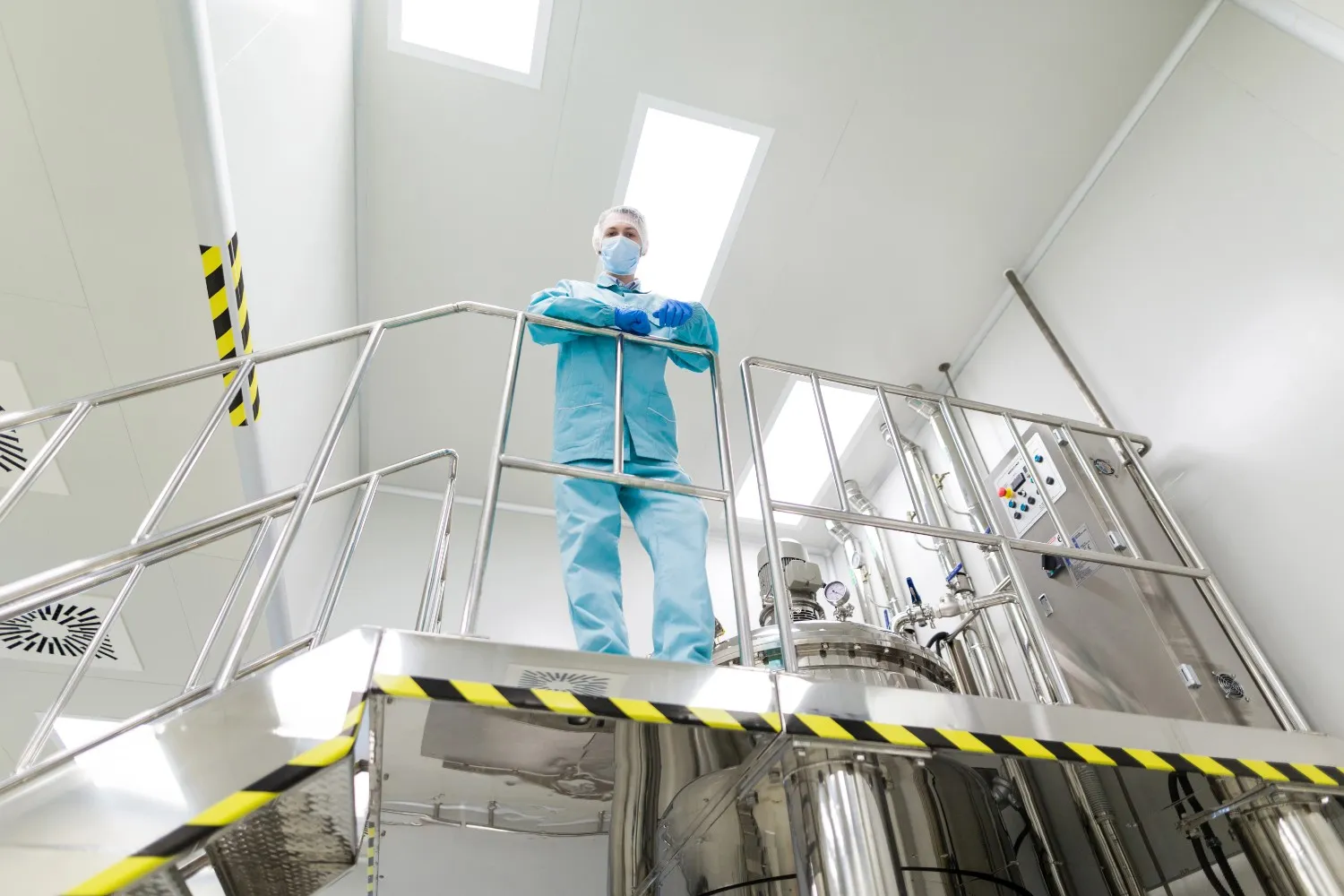
Non-Wetting Room Humidifiers: How They Work and When You Need One
Non-wetting humidification adds moisture to the air without depositing water on surfaces, equipment, or materials. This guide explains the mechanism, the industries that require it, and how to evaluate systems for precision industrial use.
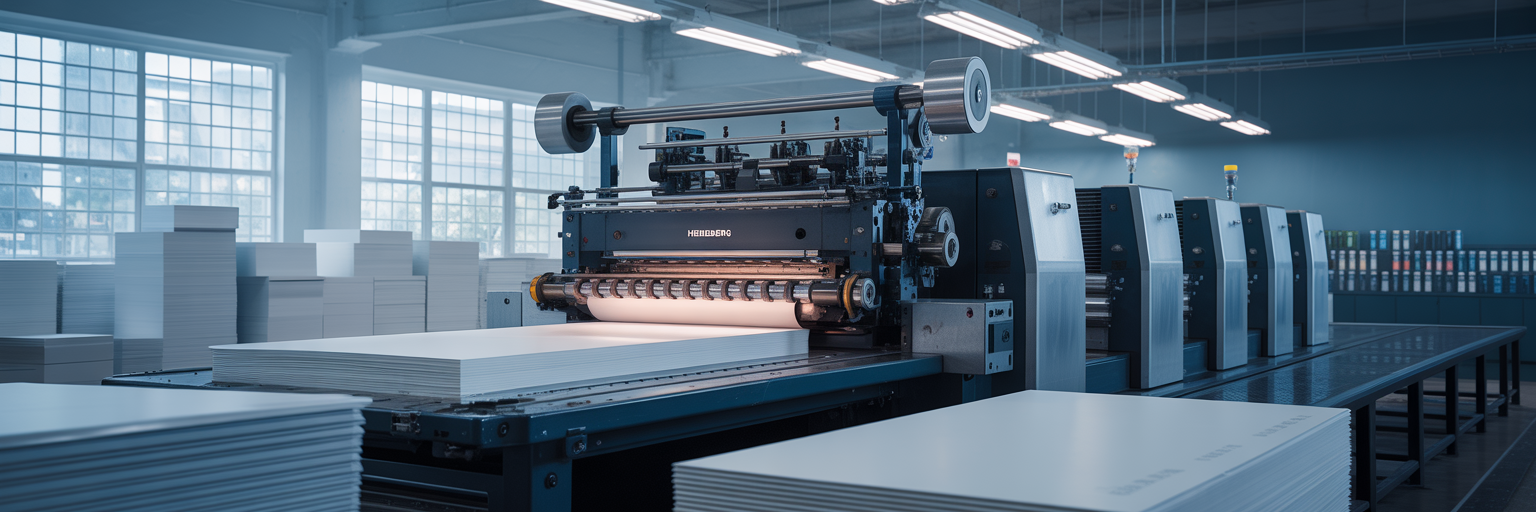
Smart Fog for Digital Printing: Stabilise Substrates, Eliminate Static, Maximise Quality
Maintaining stable humidity is essential for consistent digital print quality, helping prevent paper curl, static buildup, misfeeds, and print registration errors before they affect production. This guide explains why the industry targets 45–55% relative humidity, how humidity influences substrates and print equipment, and why precision, non-wetting humidification is critical for reliable digital printing performance.

The Link Between Humidity and Wellness: What the Research Shows
Indoor humidity affects far more than comfort. Research shows it influences respiratory health, skin hydration, eye comfort, sleep quality, and overall wellbeing. This guide explores what the evidence says about the ideal indoor humidity range, the health effects of air that is too dry or too humid, and how maintaining 40–60% relative humidity supports healthier indoor environments.

How Industrial Humidifiers Affect Worker Productivity and Facility Air Quality
Maintaining the right indoor humidity helps reduce airborne particulates, minimise static electricity, and create healthier working conditions in industrial facilities. Precision humidification supports both workforce wellbeing and operational efficiency by maintaining stable environmental conditions throughout the production area.
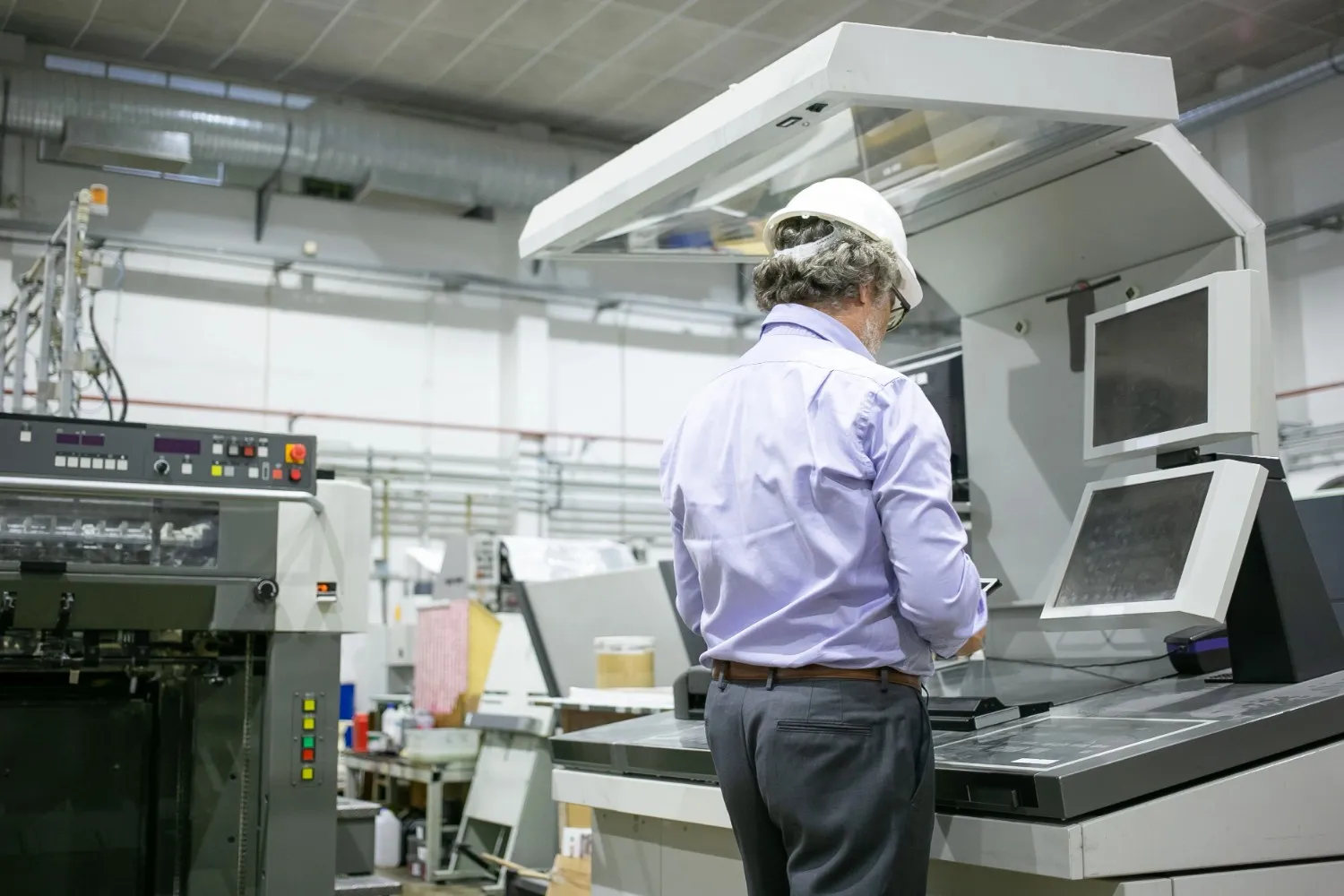
Improving Workplace Air Quality: What Facilities Managers Need to Know
Workplace air quality affects respiratory health, regulatory compliance, and operational efficiency across manufacturing, office, and industrial environments. This guide explains the primary sources of indoor air quality problems and how precision humidity control addresses dust suppression, airborne particulates, and dry-air-related risks.

Industrial Humidifiers for Crop Harvesting and Post-Harvest Storage: Preventing Produce Loss
Maintaining the correct humidity after harvest is essential for preserving produce quality, reducing weight loss, and extending shelf life. Precision industrial humidification helps cold storage facilities protect crop value while minimising spoilage and food safety risks.

How Humidification Reduces Sick Building Syndrome Risk in Commercial Facilities
Maintaining indoor humidity between recommended levels helps reduce dry-air irritation associated with sick building syndrome while supporting healthier indoor environments. When combined with proper ventilation and HVAC maintenance, precise humidification contributes to better occupant comfort, air quality, and building performance.
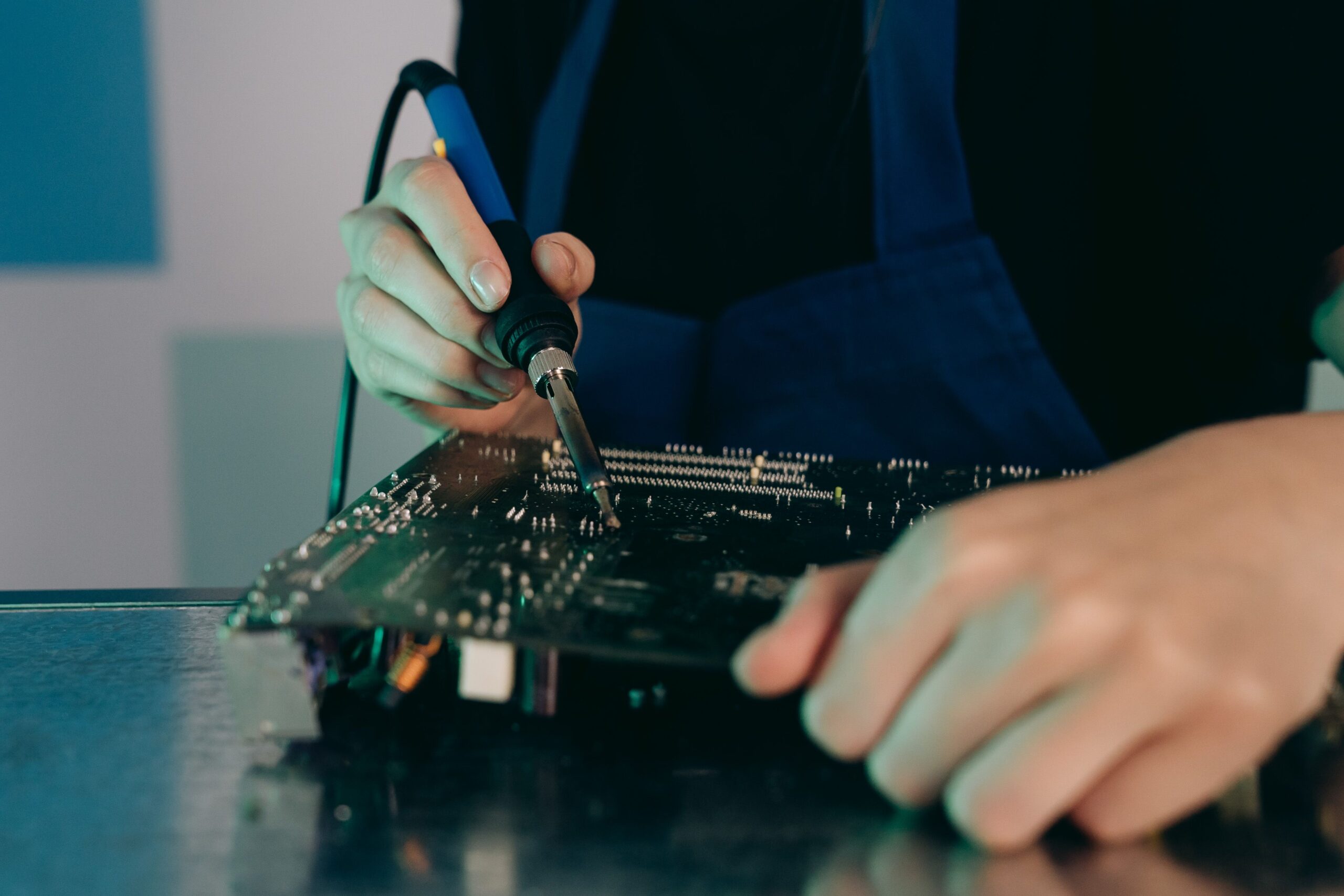
What Is an ESD Protected Area (EPA)? Setup, Compliance, and Best Practices
An ESD Protected Area (EPA) provides a controlled environment where grounding, conductive materials, and environmental controls work together to prevent electrostatic discharge damage to sensitive electronic components. This guide explains how to design and maintain an ANSI/ESD S20.20-compliant EPA, covering workstation setup, flooring, signage, compliance testing, and the critical role of precise humidity control in preventing static generation
Industrial Humidifier Cost of Ownership: A Complete Guide for Facility Buyers
Selecting an industrial humidifier involves far more than comparing sticker prices. This guide breaks down total cost of ownership by technology type, covering capital costs, energy consumption, water treatment, maintenance labor, and the hidden expenses most buyers overlook.