



How Does Humidity Prevent Static in Server Rooms?
Humidity prevents static in server rooms by allowing ambient moisture to form a thin conductive film on surfaces, enabling charge to dissipate continuously rather than build to damaging discharge levels. This guide explains the physical mechanism, the industry-accepted safe range of 40 to 60% RH, and how humidity control fits within a complete ESD protection strategy.

What Humidity Levels Does Pharmaceutical Manufacturing Require?
Pharmaceutical manufacturing requires tightly controlled relative humidity levels that vary by process area, dosage form, and regulatory classification. This guide covers specific RH thresholds for tablet compression, capsule filling, powder handling, lyophilization, and aseptic environments, with GMP compliance and validation context.

How Does Evaporative Cooling Reduce Data Center Energy Costs?
Evaporative cooling reduces data center energy costs by replacing or supplementing mechanical refrigeration with heat rejection through water evaporation. This article covers cooling types, PUE and WUE trade-offs, climate suitability, and the compliance costs that affect total savings.

How to Add Humidification to a Commercial HVAC System
Adding humidification to a commercial HVAC system involves more than selecting a unit. This guide covers installation method selection, absorption distance calculations, BMS integration, and humidity compliance requirements for commercial facilities.

Does Low Humidity Damage Server Equipment? ESD Risks Explained
Low humidity in a server room creates conditions for electrostatic discharge that can degrade or destroy sensitive server components. This guide explains the safe thresholds, the ESD damage mechanism, and what compliance standards require.

How Does Static Electricity Contaminate Cleanrooms? The Hidden Risk
Static electricity in cleanrooms creates a contamination pathway that HEPA filtration cannot block on its own. This article explains the particle-attraction mechanism, maps its impact to ISO and GMP classification requirements, and covers the dual humidity-ionization framework that stops it.

Does Low Humidity Affect Employee Productivity? What Workplace Studies Show
Low relative humidity in the office is linked to measurable drops in concentration, elevated stress biomarkers, and increased sick days. This article reviews the research, explains the biological mechanisms, and outlines what RH levels employers should target.
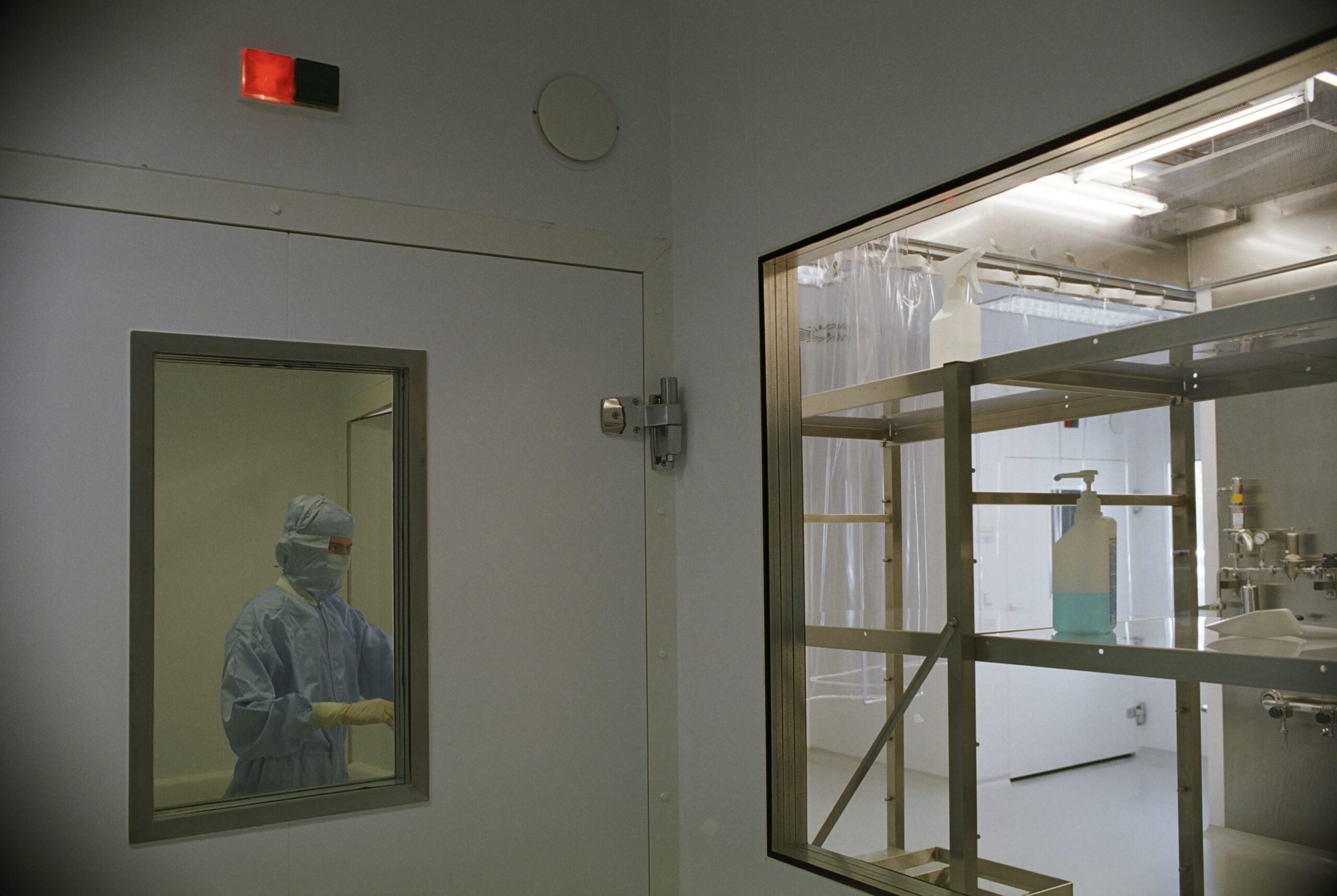
How Does Humidity Control Extend HVAC Life in Cleanrooms?
Humidity instability accelerates HVAC wear in cleanrooms through compressor short-cycling, coil corrosion, and excessive reheat demand. This article explains the mechanical failure pathways and the TCO case for precision humidity control.

How Does Dry Air Affect Drug Manufacturing Quality and Stability?
Dry air in pharmaceutical manufacturing triggers specific failure modes that go beyond storage stability concerns. This article explains the mechanisms behind powder agglomeration, tablet cracking, capsule brittleness, and electrostatic contamination, and how low-RH conditions create GMP deviation risk on the production floor.