 Made in USA



How Dry Air Impacts Automotive Manufacturing Quality
Discover how low humidity affects automotive manufacturing, from static electricity risks to coating defects, material instability, and assembly inconsistencies.

How Humidity Control Supports Infection Prevention
Humidity control plays an important role in infection prevention by influencing airborne particle behavior and indoor environmental stability. Maintaining balanced humidity supports air consistency, occupant comfort, and safer indoor conditions in healthcare facilities.

Environmental Risks in Healthcare Facilities
Environmental risks in healthcare facilities can impact patient safety, infection prevention, and equipment reliability. Managing indoor air quality, humidity, and ventilation helps maintain stable clinical environments and supports effective facility operations.

Static Electricity Risks in Automotive Plants: Causes, Impacts, and Prevention Strategies
Explore the causes, impacts, and prevention strategies for static electricity in automotive plants, including humidity control, grounding, and ESD protection.
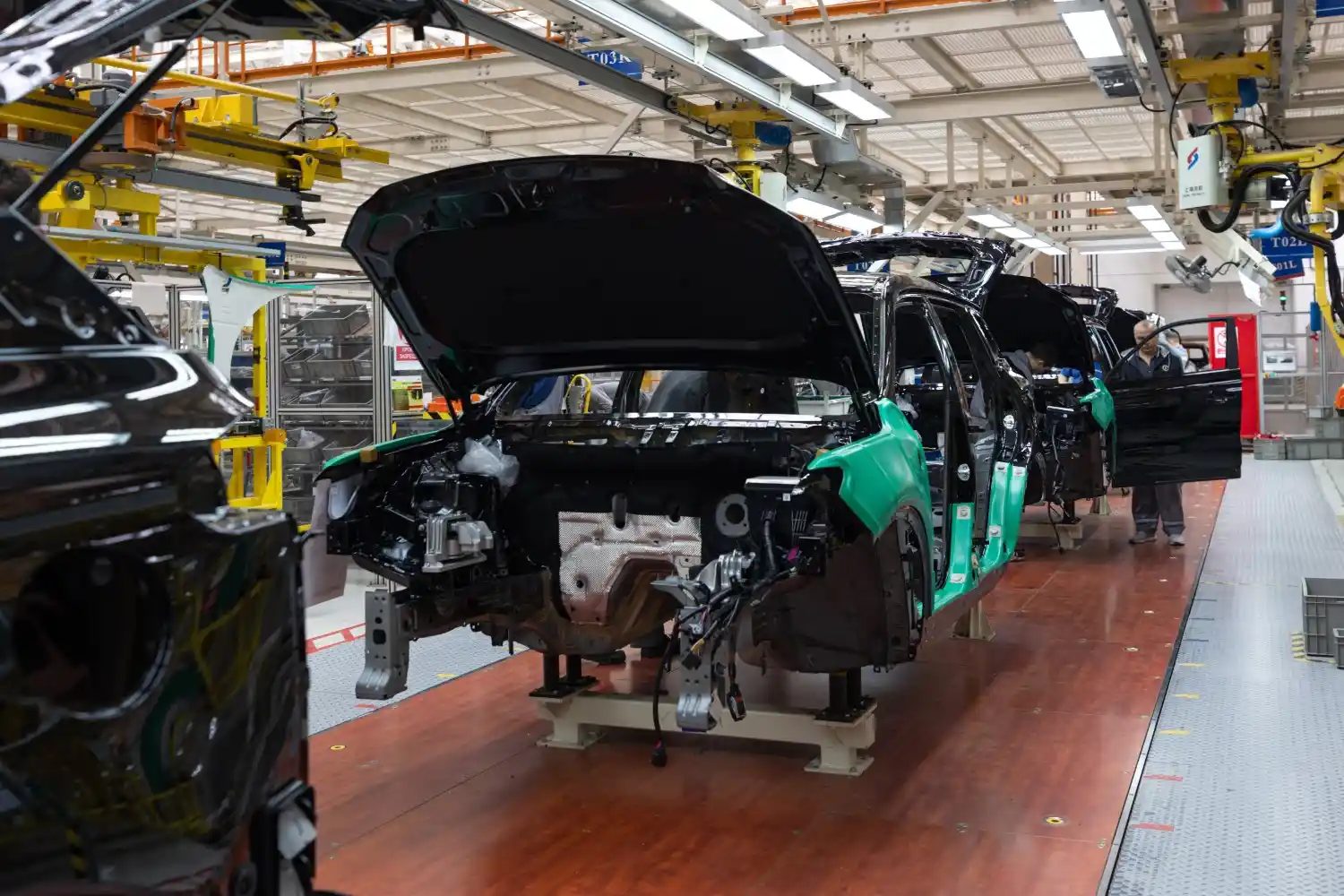
Environmental Causes of Production Defects in Automotive Facilities: Risks, Impacts, and Prevention
Explore how environmental factors like humidity, temperature changes, static electricity, and airborne contamination create production defects in automotive manufacturing facilities.
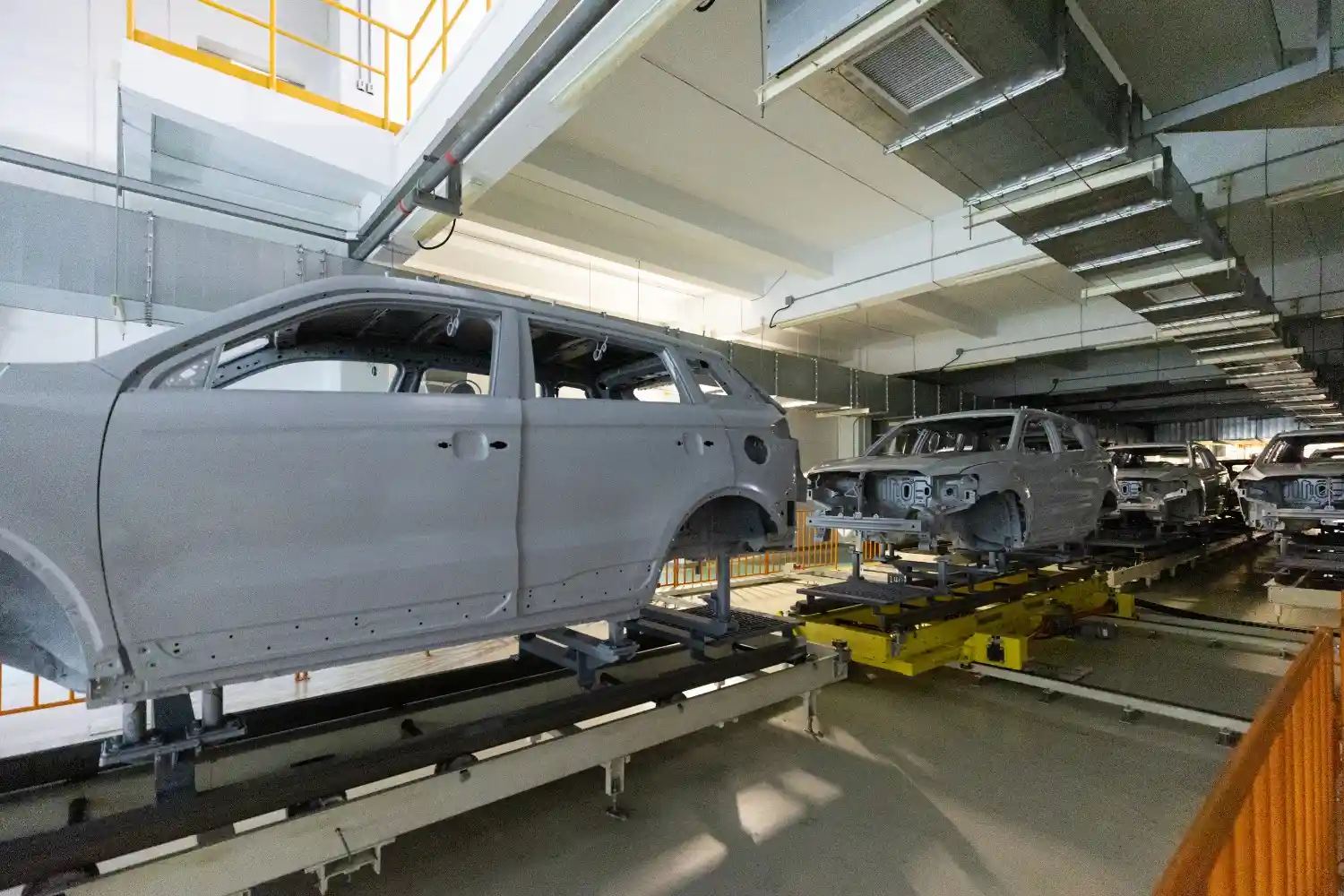
Ideal Humidity Levels for Automotive Manufacturing: Recommended Ranges and Best Practices
Explore recommended humidity ranges for automotive manufacturing and how stable environmental control improves coating quality, assembly accuracy, and electronics protection.
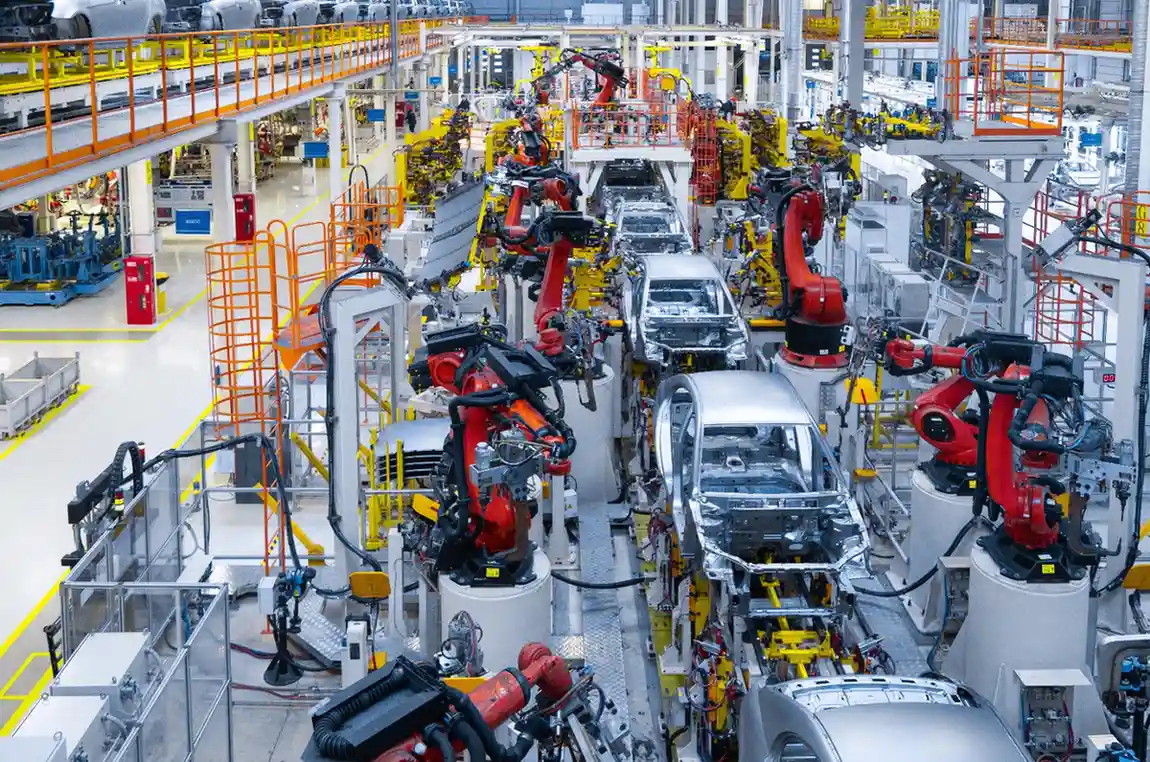
Why Humidity Control Matters in Vehicle Assembly for Quality, Safety, and Efficiency
Discover how humidity affects vehicle assembly quality, material stability, electronics safety, and production efficiency across modern automotive manufacturing facilities.
Why Static Electricity Is Common in Printing Rooms
Static electricity is common in printing rooms due to dry air, friction, and high-speed material movement, causing sheet sticking, misfeeds, dust attraction, and print defects that reduce print quality and production efficiency.
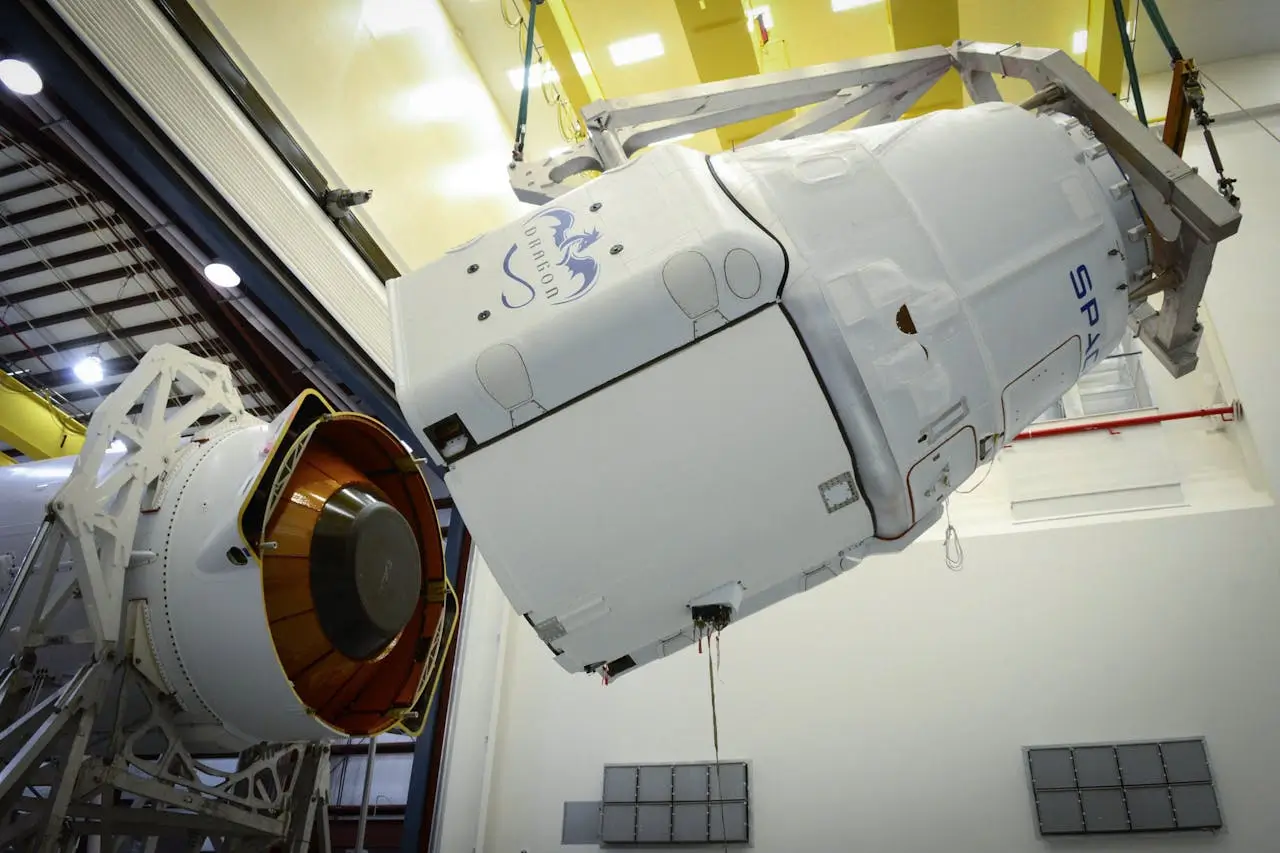
Managing Static and Airborne Risks in Aerospace Facilities
Managing static and airborne risks in aerospace facilities requires stable environmental control, especially precise humidity management. Controlled humidity helps prevent electrostatic discharge, reduce particle attraction, and protect sensitive aerospace assemblies from contamination and performance risks.