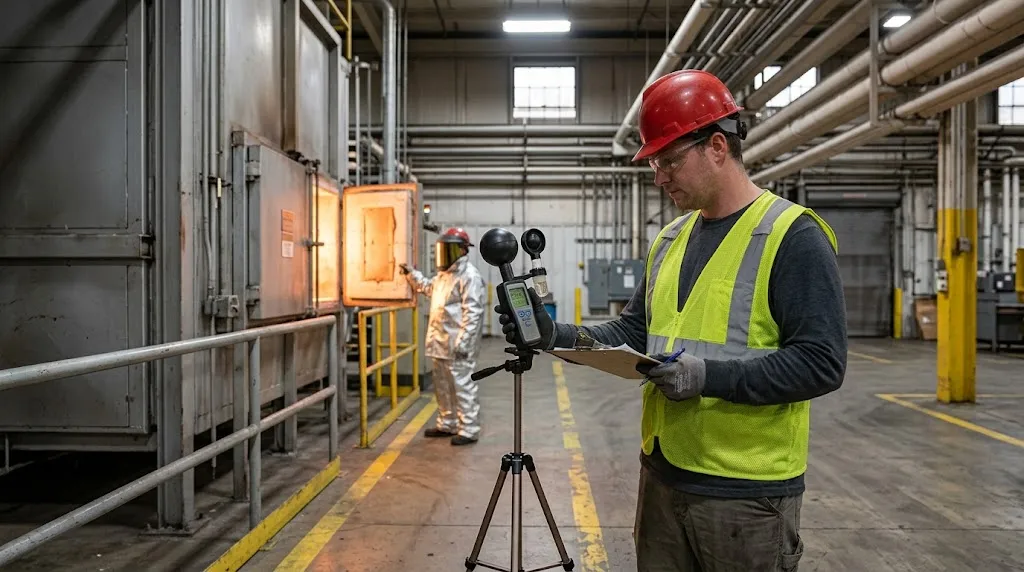
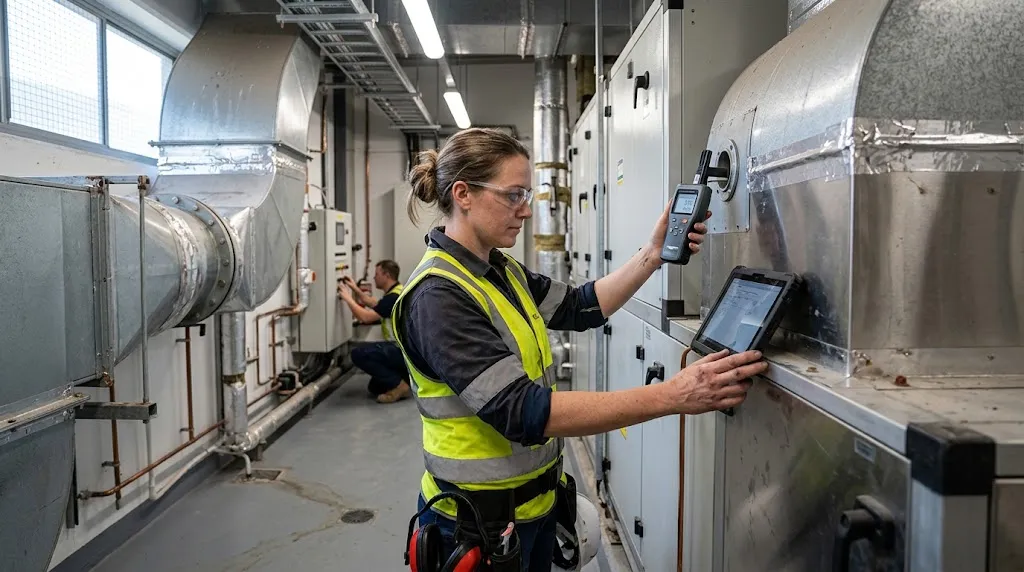
- Proper moisture balance disrupts the transmission of airborne pathogens.
- Maintaining a stable environment reduces the survival rate of harmful bacteria.
- Ideal air conditions protect the natural defenses of the human respiratory system.
- Public spaces benefit from lower transmission rates when air is managed correctly.
- Strategic monitoring ensures that air quality stays within recommended safety limits.
- Healthcare facilities utilize these systems to enhance patient recovery and staff safety.
Role of Environmental Conditions in Infection Prevention Programs
Infection prevention programs extend beyond clinical protocols. Environmental conditions such as temperature, ventilation, and relative humidity influence how pathogens behave indoors. Maintaining environmental control and environmental stability reduces unpredictable fluctuations that may affect transmission dynamics.Why Indoor Environmental Stability Influences Infection Transmission
Stable indoor conditions reduce environmental variability that can influence pathogen viability. Fluctuating humidity or temperature may alter how long microorganisms remain suspended in the air or viable on surfaces. Maintaining ideal relative humidity alongside controlled temperature helps create predictable indoor air behavior. This supports broader infection prevention efforts by reducing conditions that may favor prolonged airborne suspension. Environmental stability does not replace ventilation or filtration, but it enhances the overall effectiveness of these systems.Moisture Balance as a Component of Healthcare IPC Strategies
Moisture balance is an established element of Infection Prevention and Control (IPC) strategies. Healthcare environments rely on controlled relative humidity to support both patient safety and equipment integrity. Maintaining appropriate humidity levels can:- Influence the survival characteristics of certain airborne and surface pathogens.
- Support the effectiveness of ventilation and environmental control systems.
How Relative Humidity Affects Pathogen Survival Indoors
Relative humidity plays a measurable role in the survival patterns of viruses, bacteria, and other microorganisms. Different pathogen types respond differently to moisture levels, which is why mid-range humidity targets are often recommended in clinical guidance.Impact of Humidity on Viruses, Bacteria, and Airborne Microbes
Certain viruses remain stable longer in dry conditions, while others persist more effectively in high humidity. Enveloped viruses often demonstrate increased stability in low humidity environments, whereas some non-enveloped viruses may tolerate higher humidity levels. Bacterial survival can also vary depending on species and environmental moisture. Because responses differ across pathogen types, maintaining moderate relative humidity helps avoid extremes that may favor prolonged viability.The general survival patterns across humidity levels can be summarized as follows:
- Enveloped viruses often show enhanced stability in low humidity conditions (<40%), demonstrate moderate survival in moderate humidity (40–60%), and experience reduced stability in high humidity (>60%).
- Non-enveloped viruses show reduced survival in low humidity conditions (<40%), demonstrate moderate survival in moderate humidity (40–60%), and may experience increased stability in high humidity (>60%).
- Bacteria exhibit variable behavior in low humidity conditions (<40%), remain generally balanced in moderate humidity (40–60%), and may see some species proliferate in high humidity (>60%).
Droplet Behavior, Aerosols, and Indoor Transmission Dynamics
Relative humidity also affects how respiratory droplets behave after events such as coughing or speaking. In dry air, droplets can evaporate quickly, shrinking into smaller particles that may remain suspended for longer periods. In more humid air, droplets retain size longer and may settle more rapidly. Aerosols, which are smaller particles, can remain airborne for extended durations regardless of humidity. However, environmental moisture influences their evaporation rate and movement patterns. Understanding these dynamics helps facilities design infection prevention strategies that integrate humidity control with ventilation, filtration, and air exchange standards.Importance of Stable Humidity in Clinical Environments
Clinical facilities require tightly controlled indoor conditions to support infection prevention and patient safety. Relative humidity plays an important role in maintaining environmental stability, especially in high-risk medical spaces.Environmental Stability in ICUs, Operating Rooms, and Isolation Units
Certain hospital departments demand greater environmental precision due to patient vulnerability and procedural complexity. Intensive Care Units, operating rooms, and isolation units operate under stricter environmental requirements than general care areas. In these spaces, stable humidity supports environmental control in the following ways:- ICUs: Helps maintain consistent airborne particle behavior around critically ill or immunocompromised patients.
- Operating Rooms: Supports controlled surgical conditions and protects sensitive materials and equipment.
- Isolation Units: Assists in maintaining containment protocols and predictable airflow patterns.
Supporting Patient Safety in High-Risk Care Areas
Humidity control complements ventilation, filtration, and hygiene practices in critical care settings. Environmental stability supports equipment performance and patient respiratory comfort. Maintaining balanced relative humidity can:- Support respiratory tract integrity.
- Reduce environmental fluctuations that influence pathogen stability.
- Improve coordination with HVAC and air exchange systems.
Risks of Uncontrolled Humidity in Healthcare Facilities
Humidity levels outside recommended ranges can introduce environmental instability. Both overly dry and excessively humid conditions may influence airborne particle behavior and surface moisture levels. Understanding these risks allows facilities to implement more precise environmental control strategies.Increased Airborne Transmission Risk in Dry Conditions
Low relative humidity can affect droplet evaporation and suspension time. In dry air, respiratory droplets may shrink into smaller particles that remain airborne longer. General patterns observed in dry environments include:- Influenza virus: Often demonstrates increased stability in low humidity.
- Norovirus: May remain stable longer in dry conditions.
- Certain coronaviruses: Show variable sensitivity depending on humidity range.
Microbial Proliferation in Excess Moisture Environments
Excess humidity introduces a different set of environmental risks. Elevated moisture levels can lead to condensation and damp surfaces if not properly managed. Higher humidity may contribute to:- Mold growth on walls, ceilings, or within HVAC systems.
- Increased bacterial persistence in damp areas.
- Elevated risk of water-related contamination.
Recommended Humidity Levels for Infection Risk Reduction
Humidity control plays a structured role in infection prevention strategies. Maintaining defined relative humidity ranges helps reduce environmental variability that may influence pathogen behavior and aerosol dynamics. Stable indoor humidity also supports broader Infection Prevention and Control programs.Relative Humidity Ranges That Support Infection Prevention
Research commonly references a mid-range relative humidity between 40% and 60% as supportive of infection prevention balance. This range avoids the extremes that may favor prolonged pathogen stability or excessive moisture accumulation. Maintaining humidity within this range may:- Influence the survival characteristics of certain airborne pathogens.
- Reduce prolonged suspension of smaller respiratory particles in dry conditions.
- Limit mold growth and surface dampness associated with high humidity.
- Support respiratory comfort by preventing excessive dryness.
Aligning Humidity Targets With IPC Policies
Humidity management should be integrated into the overall IPC framework rather than treated as a standalone measure. Alignment ensures that environmental controls support ventilation, filtration, and hygiene standards. Key steps in aligning humidity targets with IPC policies include:- Conducting risk assessments for high-priority areas such as ICUs, operating rooms, and isolation units.
- Implementing continuous monitoring to maintain levels within defined ranges.
- Establishing maintenance protocols for HVAC and humidification systems.
- Training staff on environmental stability requirements.
- Below 40% RH: Increased dryness may influence respiratory comfort and allow some viruses to remain stable longer.
- 40% to 60% RH: Commonly referenced balance range supporting environmental stability and occupant comfort.
- Above 60% RH: Higher risk of mold growth, condensation, and microbial persistence in damp areas.
Challenges in Maintaining Stable Humidity in Healthcare Settings
Healthcare facilities are complex environments with multiple departments operating under different environmental demands. Maintaining consistent humidity across these varied spaces requires careful system design and monitoring.Environmental Variability Across Clinical Departments
Different departments require different environmental specifications. Operating rooms demand tightly controlled temperature and humidity, while isolation areas may require specialized airflow strategies. Common challenges include:- Varying humidity and temperature requirements across departments.
- Aging ventilation infrastructure in older buildings.
- Frequent door openings affecting pressure and climate balance.
- High occupancy levels influencing indoor air stability.
Indoor Climate Instability in Temperature-Controlled Spaces
Temperature-controlled areas such as ICUs and operating rooms require precise environmental regulation. Even minor fluctuations can affect equipment performance and air consistency. Typical issues include:- Inconsistent heating or cooling system performance.
- Variable patient loads and visitor traffic impacting air stability.
- HVAC systems not designed for fine humidity control.
- Difficulty maintaining precise balance during seasonal shifts.
How Smart Fog Addresses Humidity Precision in Controlled Environments
Smart Fog systems are designed to maintain stable humidity within precisely controlled ranges across large clinical spaces, including ICUs and operating rooms, without surface moisture risk to sensitive medical equipment or disruption to existing HVAC infrastructure.
Monitoring Environmental Conditions in Infection Prevention Programs
Environmental monitoring is a foundational element of infection prevention strategy. Tracking air humidity, air temperature, ventilation performance, and overall air quality ensures that indoor conditions remain within defined standards. Stable relative humidity and temperature reduce environmental variability that may influence how pathogens behave indoors.Role of Environmental Monitoring in IPC Compliance
Environmental monitoring helps identify areas where indoor conditions may drift outside recommended ranges. Guidance from public health authorities such as the Centers for Disease Control and Prevention supports maintaining controlled indoor parameters to reduce environmental variability. Regular monitoring supports IPC compliance by:- Detecting deviations in relative humidity and temperature.
- Assessing the effects of relative humidity on aerosol stability.
- Tracking how indoor conditions may influence virus transmission.
- Supporting corrective adjustments through HVAC or air humidification systems.
Maintaining Consistency Across Patient Care Areas
Consistency across departments is essential for maintaining predictable environmental conditions. Monitoring not only measures air humidity and air temperature, but also evaluates how indoor variables compare to outdoor air and seasonal ambient humidity levels. To maintain uniform environmental control, facilities should:- Establish defined air temperature targets appropriate for clinical care.
- Maintain relative humidity within recommended ranges.
- Ensure adequate air changes per hour to limit airborne accumulation.
- Evaluate the impact of indoor environmental shifts during periods of increased air pollution.
- Train staff to recognize how unstable conditions may indirectly affect virus infection risk.
- Consider choosing hospital grade humidifier solutions designed for consistent clinical performance.
Integrating Humidity Management Into Infection Prevention Programs
Humidity management should be embedded within the broader infection prevention framework. Properly controlled air humidification supports environmental stability and helps manage the effects of relative humidity on airborne particles.Supporting Hygiene and Environmental Control Measures
Balanced humidity supports hygiene and environmental control efforts by reducing conditions that favor excessive dryness or surface dampness. Properly managed hospital humidifier systems help maintain stable indoor moisture levels. Mid-range humidity targets are commonly referenced in disease control and prevention guidance for maintaining environmental balance. Maintaining appropriate air humidity may:- Influence the environmental stability of infectious influenza and other respiratory virus particles.
- Reduce conditions that may favor prolonged virus transmission in dry air.
- Support surface dryness without creating excess moisture.
- Complement filtration and ventilation strategies designed to reduce airborne exposure.
Environmental Monitoring as Part of IPC Planning
Environmental monitoring is a continuous process within IPC planning. Facilities must routinely evaluate air humidity, air temperature, and ventilation performance to maintain stability. Key monitoring practices include:- Continuous tracking of ambient humidity across patient care areas.
- Comparing indoor measurements with outdoor air conditions.
- Assessing how seasonal shifts affect indoor stability.
- Using calibrated systems to manage controlled air humidification.
- Establishing response protocols if environmental conditions drift outside recommended limits.