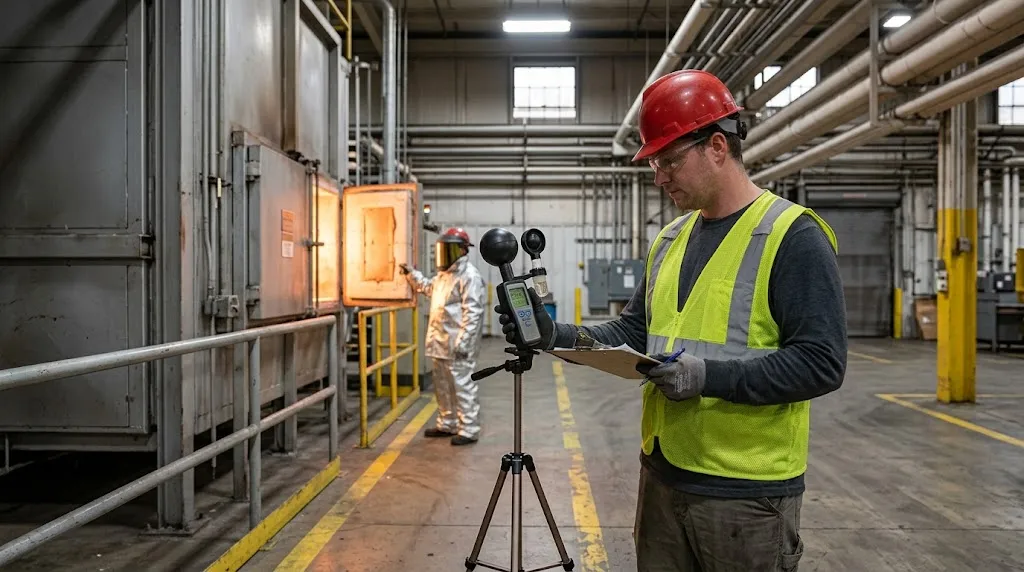
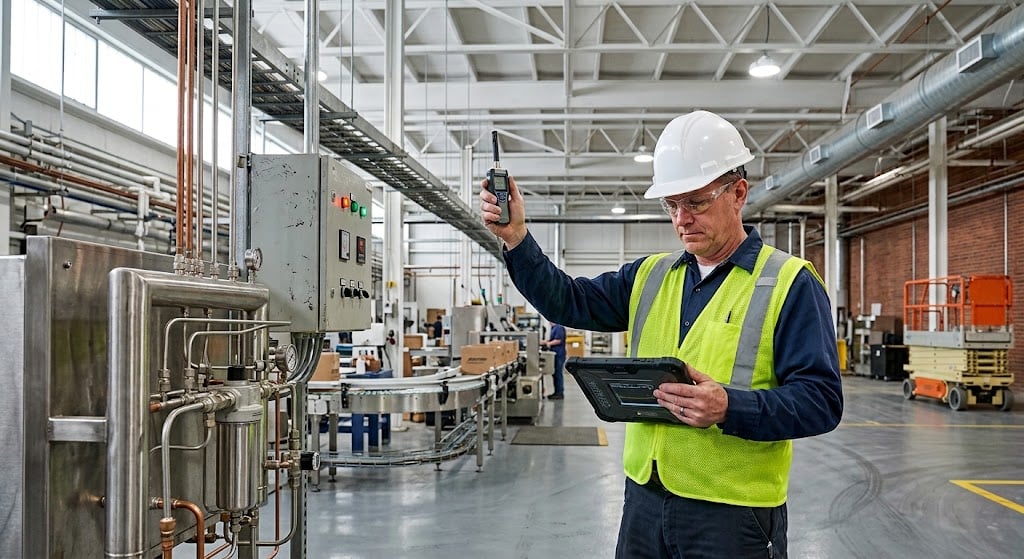
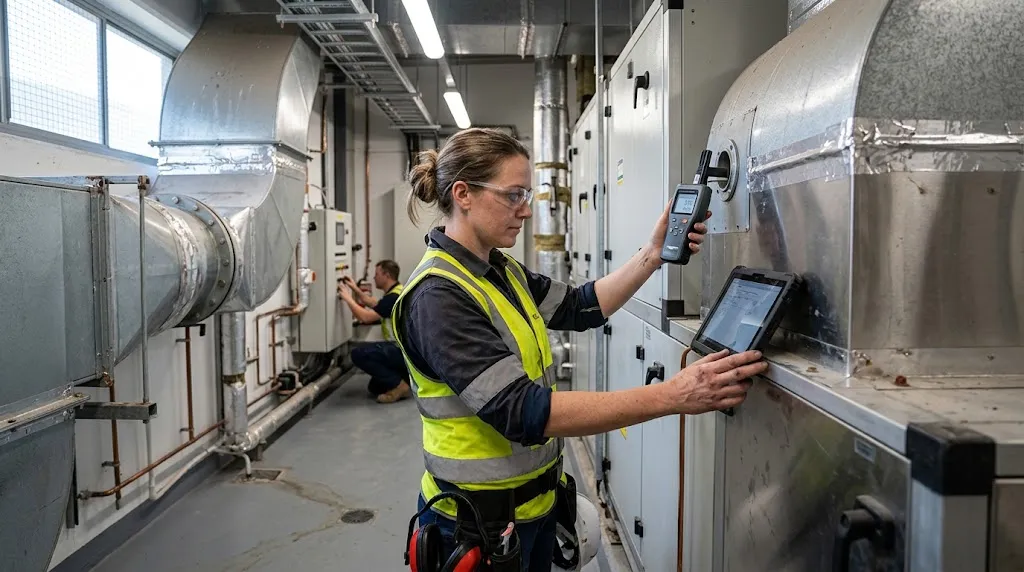
- Stable humidity helps maintain precise component fit during vehicle assembly.
- Controlled environmental conditions protect materials such as plastics, rubber, and adhesives.
- Balanced humidity reduces the risk of corrosion and electronic failures.
- Consistent climate control improves assembly accuracy and production reliability.
- Environmental monitoring helps detect humidity fluctuations before defects occur.
- Proper humidity management supports higher product quality and lower rework rates.
Role of Environmental Conditions in Vehicle Assembly Performance
Environmental stability plays a critical role in maintaining consistent results during vehicle assembly. Temperature, humidity, and air quality can all influence how materials behave and how accurately components integrate during production. Maintaining stable moisture levels through effective automotive manufacturing humidity control helps support reliable assembly conditions and improves consistency across production stages.Relationship Between Relative Humidity and Assembly Consistency
Relative humidity strongly influences how automotive components behave during installation and integration. Plastics, rubber, and polymer-based materials can absorb or release moisture depending on surrounding air conditions, which can slightly change their dimensions and flexibility. Several material changes commonly occur when humidity levels fluctuate:- Moisture absorption that causes plastics and polymers to expand.
- Dry conditions that increase brittleness in certain materials.
- Dimensional variation that affects part alignment during assembly.
- Reduced consistency in automated fastening and installation operations.
Environmental Influence on Component Fit and Alignment
Proper component fit and alignment are essential for ensuring structural integrity and long-term vehicle reliability. When environmental conditions fluctuate, especially humidity levels, certain materials may expand, contract, or change shape. Even small dimensional shifts can affect automated assembly systems that rely on precise tolerances. Misaligned parts may create additional stress on components, increase wear, or lead to premature mechanical failure. Manufacturers manage these risks through careful environmental monitoring and humidity control. Maintaining stable humidity ranges helps ensure consistent component fitment and smooth integration across vehicle assembly lines.Impact of Humidity on Automotive Materials During Assembly
Humidity directly affects many materials used in vehicle assembly, particularly plastics, rubber, adhesives, and interior components. Changes in moisture levels can alter the dimensional stability and bonding performance of these materials during production. To maintain consistent material behavior across different production areas, many facilities rely on factory humidity control systems that help regulate moisture levels and support stable assembly conditions.Dimensional Changes in Plastics, Rubber, and Interior Components
Many automotive materials respond to humidity changes by expanding, contracting, or changing mechanical properties. These shifts can affect the fit, appearance, and durability of components installed during vehicle assembly. Humidity-related material behavior may include:- Plastics become brittle or prone to cracking in very dry air.
- Rubber components lose flexibility when exposed to excessive moisture.
- Interior panels and trim changing dimensions, affecting fit and finish.
- Material swelling that disrupts precision assembly tolerances.
Effects on Adhesives, Sealants, and Bonding Performance
Adhesives and sealants are widely used in automotive assembly to secure structural components and create airtight or watertight seals. The curing behavior of these materials is strongly influenced by humidity levels. Humidity fluctuations can change curing speed and bonding performance. Excess moisture may slow curing or weaken bonds, while extremely dry conditions may cause adhesives to cure too quickly, reducing bond strength. Maintaining balanced humidity conditions helps ensure adhesives cure properly and form durable bonds. Stable environmental conditions therefore support stronger assemblies and improved long-term vehicle reliability.Low Humidity Risks in Automotive Assembly Environments
Low humidity environments create conditions where static electricity builds up easily on surfaces, tools, and personnel. This static buildup can lead to electrostatic discharge events that damage sensitive electronic components during vehicle assembly. Such conditions are often associated with broader dry air quality issues that can influence equipment performance and component reliability in manufacturing environments.Static Electricity During Electronics and Sensor Installation
Electronic modules, sensors, and control systems used in modern vehicles are extremely sensitive to static electricity. Even a small electrostatic discharge can damage delicate circuits and microelectronics. Static buildup commonly occurs when workers move across surfaces or handle insulating materials in dry air conditions. When the accumulated charge suddenly discharges, it can permanently damage sensitive components. Common static risks during electronics installation include:- Static buildup on personnel handling electronic parts.
- Static transfer during component placement or installation.
- Electrical damage to sensors, circuit boards, and control units.
- Increased electronic failure rates during testing.
Electrostatic Discharge Risks in Assembly Operations
Electrostatic discharge occurs when accumulated electrical charge flows between objects with different electrical potentials. This sudden energy release can damage electronics and disrupt production operations. Manufacturers reduce ESD risks through environmental control and static management practices. Maintaining proper humidity levels is one of the most effective ways to reduce static buildup in assembly environments. Additional ESD protection measures often include:- Anti-static wrist straps and protective clothing for workers.
- Static-dissipative workstations and flooring systems.
- Controlled humidity levels that reduce static accumulation.
- Continuous environmental monitoring to maintain stable conditions.
High Humidity Risks in Vehicle Assembly Facilities
Excess humidity can disrupt several stages of vehicle assembly by affecting materials, coatings, and metal components. When moisture levels remain too high, materials absorb water and surfaces become vulnerable to corrosion, which can reduce product quality and durability.Moisture Absorption in Materials and Components
Many materials used in automotive assembly respond quickly to moisture in the air. Plastics, rubber, and composite components can absorb humidity, which may change their dimensions or mechanical properties during installation. Several material problems commonly occur in high humidity conditions:- Plastic components may swell, warp, or lose dimensional stability.
- Rubber parts can soften or degrade under prolonged moisture exposure.
- Adhesives and sealants may weaken, reducing bonding performance.
- Interior components may lose their proper fit and surface finish.
Corrosion and Surface Integrity Concerns
High humidity also increases the likelihood of corrosion on metal components used throughout the vehicle structure. When moisture accumulates on exposed surfaces, it can trigger oxidation and surface deterioration over time. Corrosion that develops under prolonged moisture exposure is often linked to broader environmental causes of defects in manufacturing environments. Corrosion-related risks in assembly environments include:- Structural weakening of metal parts caused by corrosion
- Surface defects such as rust spots, staining, or discoloration
- Reduced durability of exposed metal components
Effects of Humidity on Assembly Accuracy and Precision
Environmental conditions inside vehicle assembly facilities are rarely uniform across the entire plant. Differences in humidity, temperature, and airflow between production zones can influence how materials behave during storage, assembly, and finishing operations.Differences Between Storage, Assembly, and Finishing Areas
Vehicle assembly plants operate with multiple production zones, each with different environmental requirements. Materials stored before production, components integrated on assembly lines, and surfaces prepared for finishing processes all respond differently to humidity conditions. Several environmental considerations apply across these zones:- Storage areas: Raw materials and components must remain in controlled humidity conditions to prevent moisture absorption or excessive drying before assembly.
- Assembly areas: Balanced humidity supports adhesive curing, sealant performance, and accurate integration of vehicle components on automated lines.
- Finishing areas: Precise humidity control is essential to prevent paint defects, coating inconsistencies, and moisture damage to interior materials.
Seasonal and Climate-Driven Humidity Changes
External climate conditions can also influence humidity levels inside automotive manufacturing facilities. Seasonal changes may introduce fluctuations that affect production environments if not properly controlled. For example, humid summer conditions can increase the likelihood of moisture absorption in stored materials and metal parts. In contrast, dry winter air can reduce indoor humidity levels, increasing the risk of static electricity during electronics installation and sensor assembly. Manufacturers address these challenges by using adaptive humidity control systems and continuous environmental monitoring. These strategies help maintain stable conditions across different assembly zones despite seasonal climate variations.Operational Consequences of Unstable Humidity in Assembly
Humidity instability can create operational challenges during vehicle assembly because many materials and processes depend on controlled environmental conditions. Fluctuating humidity can influence material behavior, bonding performance, and assembly accuracy.Increased Defect Rates and Rework
When humidity levels move outside acceptable ranges, materials may respond unpredictably during production. Excess moisture can affect dimensional stability, while very dry air may influence adhesive curing or material flexibility. Common defects linked to unstable humidity include:- Dimensional instability in plastic and composite components.
- Reduced adhesion performance in bonding materials.
- Increased corrosion risk on exposed metal parts.
Reduced Production Consistency
Humidity fluctuations also affect the consistency of manufacturing results across production batches. When environmental conditions change, assembly processes may behave differently from one production cycle to another. Typical consistency challenges include:- Variation in component fitment and alignment.
- Differences in adhesive curing performance.
- Increased quality inspection failures during final testing.