

- Stable climate conditions help prevent manufacturing defects.
- Humidity fluctuations can affect paint adhesion and surface quality.
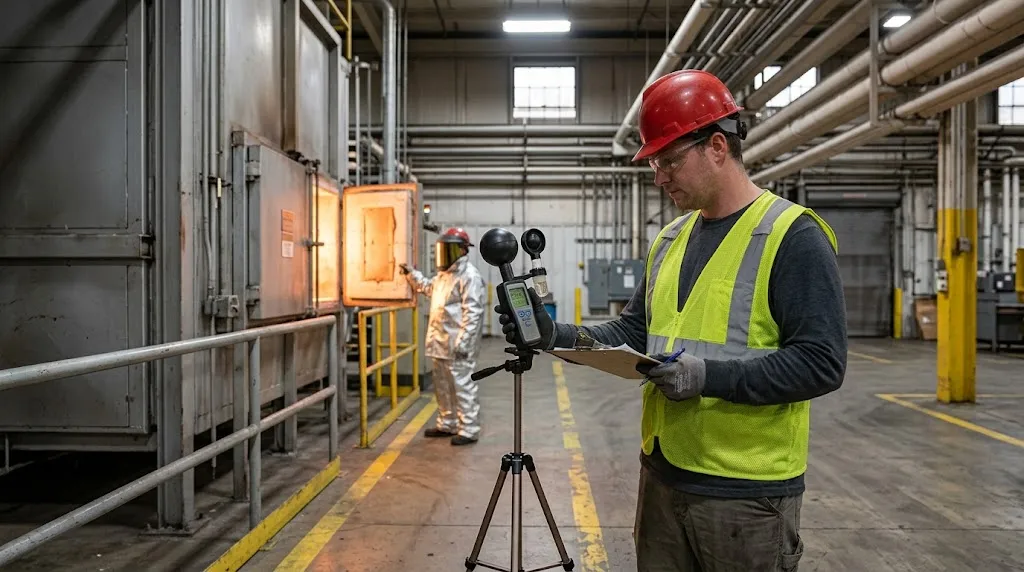
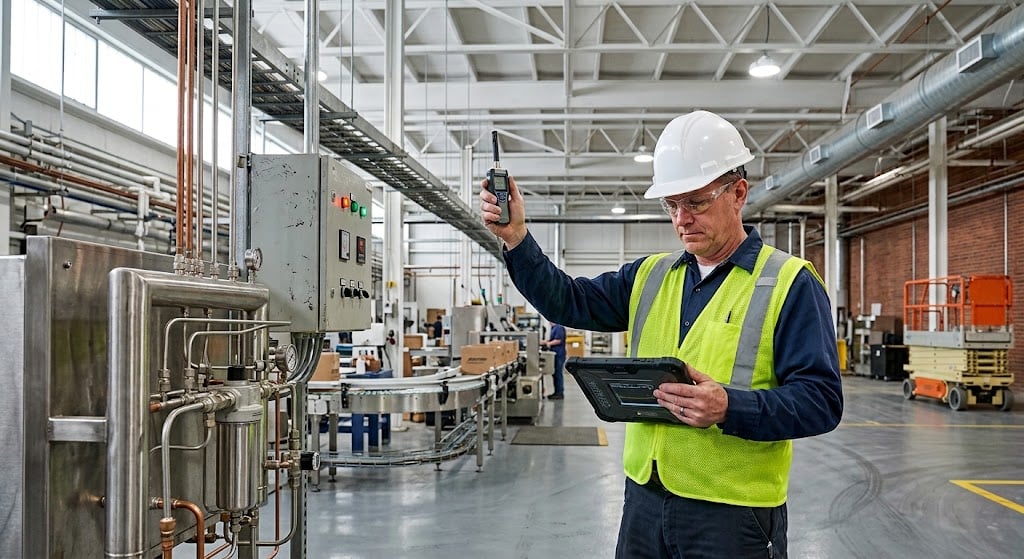
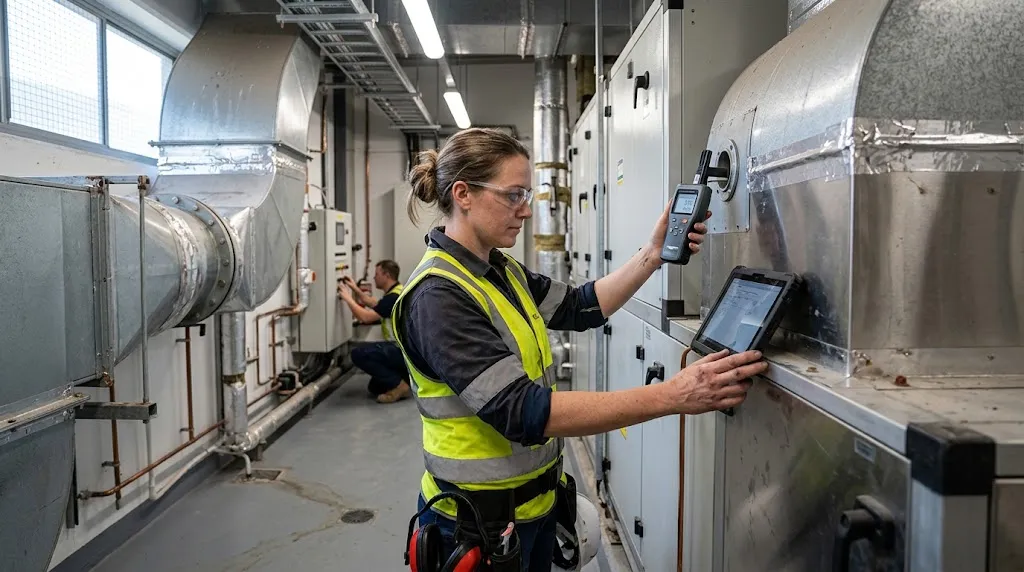
- Environmental sensors help monitor production conditions in real time.
- Static discharge can damage sensitive vehicle electronics.
- Clean production environments support consistent product quality.
- Temperature instability may cause dimensional changes in materials.
Understanding Environmental Causes of Production Defects in Automotive Manufacturing
Environmental conditions inside manufacturing facilities strongly influence production quality and reliability. Temperature, humidity, air quality, and lighting conditions can all affect how materials behave and how processes perform during vehicle assembly. To maintain stable production environments, many facilities implement factory humidity control strategies that help regulate moisture levels and support consistent manufacturing performance.Key Environmental Factors That Influence Automotive Production Quality
Several environmental factors directly affect manufacturing stability and product quality. When these conditions fluctuate, they can disrupt production processes and increase the risk of defects. Important environmental factors include:- Temperature: Extreme temperatures can change the properties of metals, plastics, and adhesives.
- Humidity: High or low humidity can affect curing times and dimensional stability of materials.
- Air quality: Airborne particles may contaminate surfaces and interfere with finishing processes.
Link Between Facility Conditions and Manufacturing Defect Rates
The condition of a manufacturing facility directly influences the number of defects that occur during production. Facilities with poor environmental control often experience higher defect rates due to unstable operating conditions. Common facility-related risks include:- Inadequate temperature control: Changes in material properties affecting assembly accuracy.
- Poor air quality: Contamination of components and finished assemblies.
- Insufficient lighting: Increased likelihood of human error during inspection or assembly.
Effects of Humidity and Temperature Instability on Automotive Materials
Automotive materials react differently to environmental conditions during manufacturing. Changes in humidity or temperature can influence the behavior, strength, and reliability of materials used in vehicle components.Dimensional Changes in Plastics, Metals, and Composite Components
Temperature and humidity fluctuations can cause materials to expand, contract, or deform. These dimensional changes may affect component fitment during assembly. Examples of material responses include:- Plastics expanding or contracting with temperature shifts.
- Metals experiencing thermal expansion or stress.
- Composite materials deforming under unstable environmental conditions.
Impact on Adhesives, Sealants, and Bonding Processes
Environmental instability can also influence the performance of adhesives and sealants used during vehicle assembly. Improper humidity or temperature conditions may weaken bonding strength or alter curing behavior. Common bonding risks include:- Weak adhesive bonds due to improper curing conditions.
- Sealant performance issues caused by humidity fluctuations.
- Reduced durability of bonded joints in assembled components.
Environmental Impact on Assembly Accuracy and Process Consistency
Environmental conditions strongly influence the accuracy and consistency of assembly processes in automotive manufacturing. Temperature changes, humidity levels, and cleanliness inside production areas can affect how components fit, bond, and integrate during vehicle assembly.Misalignment Risks in Robotic and Automated Assembly
Robotic and automated assembly systems depend on precise calibration and stable environmental conditions. Temperature shifts or unstable humidity can alter material dimensions and affect robotic alignment during installation. Environmental factors that influence robotic assembly include:- Temperature fluctuations: Metal components expand or contract, affecting assembly precision.
- Humidity changes: Adhesives and bonding materials may behave differently during assembly.
- Cleanliness conditions: Dust or contamination can disrupt precision placement of components.
Variability in Fastening, Fitment, and Component Integration
Environmental instability can also affect fastening accuracy and component integration. Variations in humidity and temperature may change adhesive curing times or influence material behavior during installation. Common environmental influences on assembly performance include:- Temperature instability: Changes in component dimensions that affect alignment.
- Humidity variation: Altered viscosity and curing behavior of adhesives.
- Contamination: Dust particles interfering with fastening or bonding processes.
Static Electricity as an Environmental Cause of Automotive Production Defects
Static electricity is another environmental factor that can disrupt automotive production quality. When electrostatic charges accumulate during manufacturing activities, they can damage electronics and interfere with precision assembly processes.Electrostatic Discharge Damage to Electronics and Sensors
Electrostatic discharge (ESD) can damage sensitive electronic components used in modern vehicles. These components include sensors, control units, and memory devices that support critical vehicle systems. Sensitive components vulnerable to ESD include:- Electronic circuits used in vehicle control systems.
- Sensors responsible for safety and performance monitoring.
- Memory devices used for data storage and system control.
Static-Induced Material Handling and Placement Issues
Static electricity can also affect material handling and component placement during assembly. Charged surfaces tend to attract dust and particles, which can contaminate components or interfere with finishing processes. Common issues caused by static buildup include:- Dust accumulation on statically charged surfaces.
- Materials sticking to equipment or each other during handling.
- Misalignment or incorrect placement of components during assembly.
Environmental Instability in Paint, Coating, and Finishing Processes
Paint, coating, and finishing operations in automotive manufacturing are highly sensitive to environmental conditions. Variations in humidity, temperature, and air stability can disrupt coating behavior, curing performance, and final surface quality.Humidity Effects on Paint Adhesion and Surface Quality
High humidity can interfere with the adhesion of coatings to metal surfaces during automotive finishing. Excess moisture in the air may accumulate on vehicle panels before painting, which can weaken the bond between the substrate and the coating layer. Several problems may occur when humidity levels remain too high during painting:- Moisture forming on surfaces before coating application.
- Reduced paint adhesion leading to peeling or blistering.
- Irregular curing behavior that affects coating durability.
Dry Air and Surface Defects Such as Orange Peel and Cracking
Extremely dry air can also create serious challenges during automotive finishing processes. When humidity levels drop too low, solvents in paint may evaporate too quickly, preventing coatings from flowing and leveling properly. Problems like orange peel textures and surface cracking highlight how low humidity can disrupt coating performance during precision finishing operations. This can lead to several finishing defects:- Orange peel textures, where the paint surface becomes uneven or dimpled.
- Surface cracking, caused by stress during rapid drying.
- Uneven coating thickness, affecting both appearance and protection.
Role of Airflow and Ventilation in Automotive Manufacturing Quality
Airflow and ventilation systems play a critical role in maintaining stable environmental conditions throughout automotive manufacturing facilities. Proper air distribution ensures that temperature, humidity, and airborne contamination remain controlled across different production zones.Inconsistent Air Distribution and Environmental Hotspots
Poor airflow management can create localized environmental hotspots inside manufacturing areas. These zones may experience higher temperatures, excessive humidity, or stagnant air compared to surrounding spaces. Environmental hotspots can lead to several production challenges:- Uneven curing of coatings and adhesives
- Slower drying times in poorly ventilated areas
- Increased contamination risk from airborne particles
Effects on Curing, Drying, and Surface Finishing Processes
Many automotive finishing processes depend on consistent airflow to regulate curing and drying performance. Coatings, adhesives, and sealants require stable environmental conditions to achieve their designed material properties. Proper ventilation systems help ensure:- Uniform curing behavior across vehicle surfaces
- Consistent drying times during finishing operations
- Reduced risk of surface defects caused by environmental fluctuations
Contamination Risks From Airborne Particulates in Production Zones
Airborne particulates are a persistent challenge in automotive manufacturing environments where precision and surface quality are critical. Dust, fibers, and microscopic debris can settle on components during assembly or finishing, creating defects that affect both functionality and appearance while contributing to operational waste and potential pollution inside production zones.Dust and Fiber Interference in Assembly and Finishing Areas
Dust and fibers easily accumulate in active production zones where materials move continuously and equipment operates at high speeds. When these particles settle on surfaces during assembly or finishing, they can interfere with bonding processes, electrical contacts, and coating performance across components used in both internal combustion engine vehicles and modern electric vehicle systems. Contaminants often disrupt sensitive operations that require extremely clean surfaces. Electrical connectors, adhesive bonds, and painted surfaces are particularly vulnerable because even microscopic particles can weaken bonds or introduce hazardous quality issues that shorten the operational life cycle of vehicle components. Common contamination problems caused by airborne particles include:- Dust settling on component surfaces and affecting electrical reliability.
- Fibers from clothing, packaging, or raw material handling contaminating assembly areas.
- Particulates interfering with adhesives, sealants, and bonding processes.
- Surface contamination that leads to paint defects during finishing.
- Air pollution inside production zones caused by uncontrolled particulate movement.
Cleanliness Standards and Their Influence on Product Quality
Strict cleanliness standards are necessary to maintain stable production conditions in automotive plants. Controlled environments reduce the presence of airborne contaminants and protect sensitive processes such as electronic assembly, bonding, and surface finishing. Manufacturers often establish facility-wide cleanliness protocols that control both environmental conditions and operational practices. These standards help reduce material waste, improve recycling efficiency of damaged components, and minimize hazardous contamination risks during vehicle manufacturing. Key cleanliness practices used in automotive facilities include:- Clean production zones designed to minimize airborne particulate exposure.
- High-efficiency air filtration systems that reduce indoor air pollution.
- Scheduled cleaning routines for machinery, workstations, and assembly areas.
- Protective garments and handling procedures that limit fiber contamination.
- Controlled raw material storage areas to prevent contamination before production.
Operational Consequences of Environmental Instability
Environmental instability can create significant operational challenges in automotive manufacturing facilities where material behavior and process accuracy depend on stable conditions. Fluctuations in temperature, humidity, or air quality may disrupt production processes and increase the likelihood of defects. For this reason, manufacturers often depend on industrial environmental control systems to maintain consistent conditions across production areas and support reliable assembly performance.Increased Scrap, Rework, and Production Downtime
When environmental conditions shift unexpectedly, materials and equipment may not perform as intended during production. Temperature swings can alter material dimensions, humidity variations may affect adhesives and coatings, and airborne contamination can introduce defects into sensitive assemblies. These disruptions often lead to higher scrap rates and increased rework because defective components must be repaired or replaced. Additional manufacturing steps increase energy consumption, fuel use within production operations, and emission levels associated with repeated processing. Environmental instability can lead to several operational issues:- Material degradation caused by unstable temperature or humidity conditions.
- Equipment malfunctions triggered by environmental fluctuations.
- Adhesive bonding failures that require component replacement.
- Surface defects that force repainting or refinishing operations.
- Increased emissions due to repeated manufacturing steps.
Reduced Consistency Across Production Batches
Stable environmental conditions are essential for achieving consistent results across large production volumes. Variations in humidity, temperature, or air quality can change how materials behave during assembly, finishing, or curing processes. Even small environmental changes may introduce variability between production batches. Differences in coating performance, adhesive curing, or component fitment can reduce product uniformity and create long-term reliability concerns in both internal combustion vehicles and newer vehicle technologies. Common consistency challenges caused by environmental instability include:- Process variability that affects assembly accuracy and material performance.
- Differences in product quality between production batches.
- Variations in coating finish or adhesive bond strength.
- Increased quality inspection failures during final verification.
- Greater material waste that reduces recycling efficiency.
Monitoring Environmental Conditions to Reduce Defect Risks
Environmental monitoring plays a vital role in ensuring the quality and consistency of automotive production processes. By closely tracking environmental conditions, manufacturers can identify potential issues before they lead to defects. The use of advanced sensors and real-time environmental tracking systems enables manufacturers to maintain optimal conditions across their production facilities. This proactive approach helps in reducing the risk of defects and ensures consistent product quality.Role of Sensors and Real-Time Environmental Tracking
Sensors and real-time tracking systems help monitor critical environmental parameters such as temperature, humidity, and air quality. Continuous monitoring allows production teams to respond quickly whenever environmental conditions shift outside acceptable ranges. Real-time tracking systems also support more efficient facility operations. Stable conditions reduce the amount of energy required to maintain manufacturing processes and help manufacturers improve production efficiency across both EVs and internal combustion vehicle assembly lines. Key benefits of real-time environmental monitoring include:- Early detection of temperature or humidity fluctuations.
- Reduced risk of environmental defects during production.
- Improved consistency across vehicle manufacturing processes.
- Lower operational energy consumption across production zones.
Maintaining Stable Conditions Across Production Areas
Stable environmental conditions across all production areas are essential for maintaining consistent product quality. Controlling variables such as temperature, humidity, and airflow ensures that materials, coatings, and electronic components perform as expected during assembly. Environmental stability also supports cleaner production operations. Efficient systems reduce the amount of energy needed for climate control while helping manufacturers lower overall air pollution levels associated with industrial activity. Common strategies used to maintain stable production environments include:- Implementing zoned environmental control systems for different production areas.
- Performing regular maintenance on HVAC and air circulation systems.
- Using energy-efficient climate control solutions to reduce environmental impact.
- Training production teams to monitor and respond to environmental changes.