

- Static electricity can damage sensitive vehicle electronics and control systems.
- Electrostatic discharge may disrupt production and increase defect rates.
- Proper grounding and humidity control help reduce static buildup.
- Environmental monitoring supports stable manufacturing conditions.
- Preventive strategies reduce equipment damage and financial losses.
- Consistent safety protocols help maintain reliable production operations.
Understanding Static Electricity in Automotive Manufacturing Environments
Static electricity is a common challenge in automotive manufacturing environments where materials frequently move and interact during production. Humidity control helps limit static buildup, because balanced moisture levels allow electrostatic charges to dissipate more easily. Managing these conditions protects sensitive electronics and supports consistent product quality.How Static Charge Builds Up During Production Processes
Static electricity often forms when two materials come into contact and then separate, transferring electrons between surfaces. This process, known as triboelectric charging, commonly occurs during material handling, conveyor movement, and component assembly. Friction between materials such as plastics, rubber, and synthetic surfaces can generate significant static charges during production. Activities such as painting, inspection, and automated handling can also contribute to static buildup as components move through manufacturing systems.Role of Low Humidity and Environmental Conditions in Static Generation
Low humidity levels allow static charges to accumulate more easily because dry air provides fewer pathways for electrical charges to dissipate. This is why static electricity problems are more common in dry or climate-controlled industrial environments. Environmental factors that influence static generation include:- Low humidity levels that allow static charges to persist.
- High temperatures that accelerate charge generation.
- Limited air circulation that allows charged particles to accumulate.
How Static Electricity Affects Automotive Production Quality
Static electricity can significantly influence production quality in automotive manufacturing environments. When electrostatic charges build up during manufacturing processes, they can damage sensitive electronics and disrupt critical production steps, making static buildup one of the manufacturing defect causes in automotive assembly operations.Damage to Automotive Electronics and Sensor Components
Modern vehicles depend on sensitive electronics such as sensors, control units, and safety systems. Even small electrostatic discharges can damage these components during handling or installation. Common problems caused by electrostatic discharge include:- Failure of sensors and electronic control units (ECUs).
- Damage to circuit boards and microprocessors.
- Hidden defects that reduce long-term reliability of vehicle systems.
Static-Induced Defects in Assembly and Manufacturing Processes
Static electricity can also affect production processes that require clean surfaces and precise assembly. Charged surfaces attract dust and contaminants, which can interfere with coatings, adhesives, and bonding operations. Typical production defects linked to static buildup include:- Dust contamination during painting or finishing
- Poor coating or adhesive bonding performance
- Irregularities in assembly caused by charged components
Static Electricity Risks in Key Automotive Manufacturing Areas
Certain areas inside automotive plants face higher static risks because of material movement, automation, and sensitive electronics. Identifying these zones helps manufacturers improve their approach to managing static in assembly by focusing control measures in areas where electrostatic buildup is most likely to occur.Paint Booths, Assembly Lines, and Electronics Production Zones
Several critical production areas are especially vulnerable to electrostatic buildup. Static electricity can affect paint quality, damage electronics, and disrupt assembly processes. Key risks in these areas include:- Paint booths: Static charges attract dust or repel paint particles, causing uneven finishes.
- Assembly lines: Electrostatic discharge can damage electronic components during installation.
- Electronics production zones: Sensitive sensors and control units are vulnerable to ESD damage.
Material Handling Systems, Conveyor Lines, and Robotic Cells
Static electricity often builds up where materials move continuously through automated systems. Conveyor belts, robotic arms, and packaging operations can generate friction that produces electrostatic charges. Common static risks in these areas include:- Dust accumulation on moving components
- Static interference with automated equipment
- Damage to sensitive components during transport
- Proper grounding of equipment and workstations.
- Ionization systems to neutralize static charges.
- Static-dissipative materials in tools, packaging, and work surfaces.
Impact of Electrostatic Discharge on Automotive Safety and Reliability
Electrostatic discharge (ESD) can affect both the safety and reliability of vehicles during manufacturing. When static electricity damages sensitive components, it can create immediate production issues and long-term performance risks.Component Failure, Quality Rejection, and Rework
ESD can cause direct damage to electronic components used in modern vehicles. Even small electrostatic events during handling or assembly can lead to component failure. Common production consequences include:- Immediate failure of electronic components such as sensors or control units.
- Quality rejection when damaged parts fail inspection standards.
- Increased rework to repair or replace affected components.
Long-Term Reliability Risks in Vehicle Systems
Not all electrostatic damage appears immediately during production. Some components may develop latent defects that affect performance later in the vehicle’s lifecycle. Potential long-term risks include:- Hidden damage that reduces the lifespan of electronic systems.
- Gradual failure of sensors or control modules after installation.
- Increased warranty claims due to reliability issues.
Environmental Factors That Increase Static Risks in Automotive Plants
Environmental conditions inside manufacturing facilities can strongly influence static electricity generation. Factors such as dry air, material types, and production speed often contribute to higher electrostatic buildup.Dry Air, Insulating Materials, and High-Speed Automation
Low humidity allows electrostatic charges to accumulate more easily on surfaces. When the air is dry, there is less moisture available to dissipate static electricity. As a result, the effects of dry air in manufacturing environments often appear as increased static buildup on equipment, materials, and production surfaces. Common factors that increase static generation include:- Low relative humidity levels inside production facilities.
- Use of insulating materials such as plastics and synthetic packaging.
- High-speed machinery and automation that create friction between materials.
Poor Grounding and Facility Design Limitations
Improper grounding can allow static charges to accumulate on equipment and work surfaces. When electrical charges cannot safely dissipate, the risk of electrostatic discharge increases. Manufacturers often reduce static risks through measures such as:- Proper grounding of equipment, workstations, and machinery.
- Facility layouts designed to reduce static accumulation.
- Use of materials that limit electrostatic charge buildup.
Relationship Between Humidity Levels and Static Buildup
Humidity levels play a major role in controlling static electricity in automotive manufacturing environments. When air becomes too dry, static charges accumulate more easily and increase the risk of electrostatic discharge.Effects of Low Relative Humidity
Low relative humidity allows electrostatic charges to remain on surfaces instead of dissipating naturally. As a result, personnel, equipment, and materials can accumulate static electricity during normal production activities. Common effects of low humidity include:- Increased static charge buildup on workers and equipment.
- Higher risk of electrostatic discharge damaging sensitive electronics.
- Reduced effectiveness of some static control methods.
Maintaining Optimal Environmental Conditions
Maintaining balanced environmental conditions helps reduce the risk of static buildup across production areas. Stable humidity and temperature levels allow static charges to dissipate more effectively. Typical environmental conditions used to reduce static risks include:- Relative humidity: Around 40% to 60% to limit electrostatic buildup.
- Temperature: Stable operating ranges that support equipment and worker comfort.
Operational Consequences of Static Electricity in Automotive Manufacturing
Static electricity can disrupt production processes and reduce manufacturing efficiency if not properly controlled. Electrostatic discharge may damage components, interrupt equipment operation, and create quality defects.Increased Production Downtime and Scrap Rates
Electrostatic discharge can damage sensitive electronic components during assembly or testing. When these failures occur, manufacturers often experience production delays and higher scrap rates. Common production issues caused by static electricity include:- Damage to electronic control units (ECUs)
- Malfunctioning sensors or actuators
- Defects in wiring systems and connectors
Reduced Process Consistency Across Production Batches
Static electricity can also create inconsistencies between different production runs. Variations in static levels may influence assembly precision, surface cleanliness, and equipment performance. Manufacturers typically reduce these risks through several control measures:- Use of antistatic materials and tools
- Grounding systems for equipment and workstations
- Stable environmental control with balanced humidity levels
Monitoring Environmental Conditions to Manage Static Risks
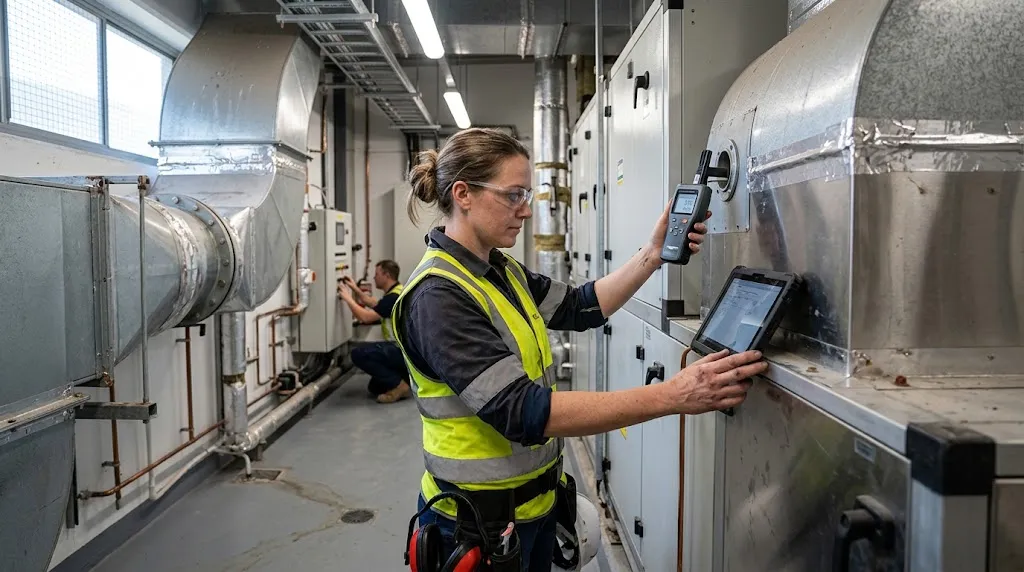
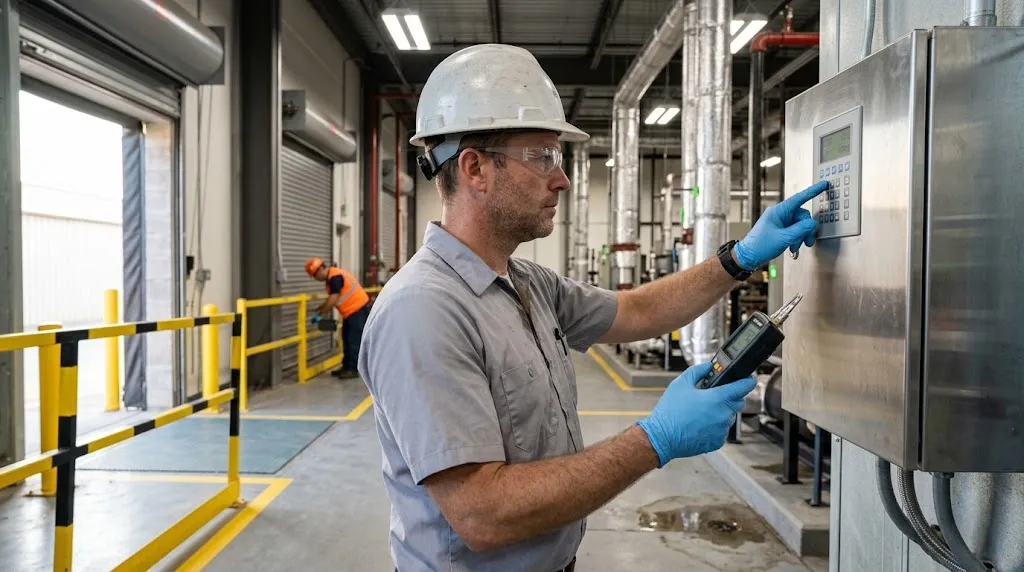
Monitoring environmental conditions is essential for controlling static electricity in automotive manufacturing environments. Stable humidity and temperature levels help prevent electrostatic buildup that can damage sensitive components.Role of Humidity Sensors and Environmental Monitoring
Humidity sensors allow manufacturers to measure moisture levels across production areas and detect conditions that increase static risks. Continuous monitoring helps facilities maintain balanced environmental conditions throughout the manufacturing process. Environmental monitoring systems typically help manufacturers:- Track real-time humidity levels across production zones
- Receive alerts when humidity moves outside the target range
- Adjust environmental controls based on real-time data
Maintaining Stable Conditions Across Production Areas
Maintaining stable environmental conditions across production areas helps minimize electrostatic buildup. Consistent humidity and temperature levels allow static charges to dissipate more easily. Manufacturers typically maintain stable conditions by:- Keeping humidity within recommended ranges
- Maintaining consistent indoor temperature levels
- Managing airflow to prevent excessive drying of the environment