


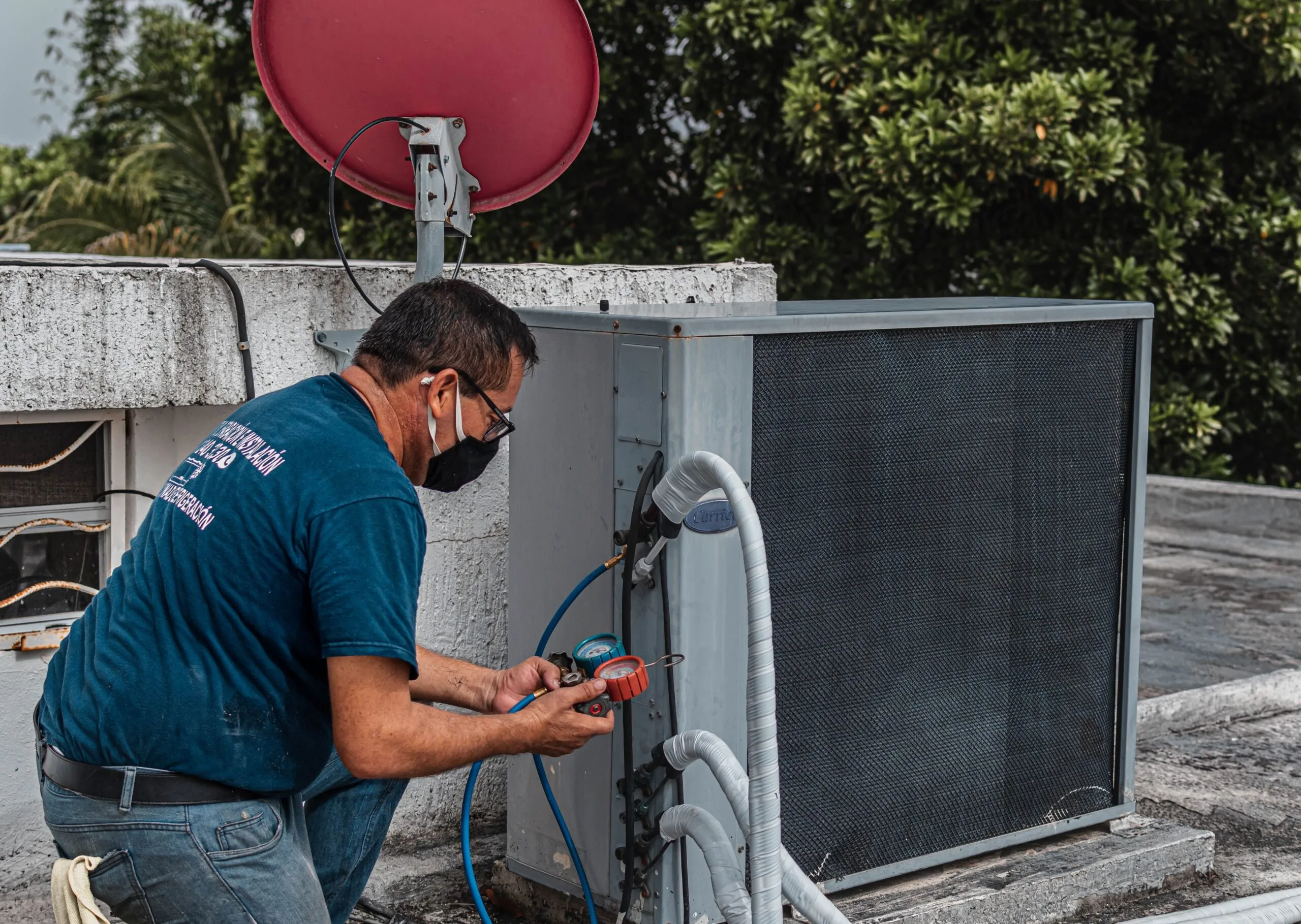
What Is Enthalpy in HVAC? (Moist Air Energy Explained)
Enthalpy of moist air is the total heat content of an air-water vapor mixture per unit mass of dry air, combining sensible and latent components. This guide defines the formula, walks through a worked example, and explains how HVAC engineers apply enthalpy values to coil sizing, AHU selection, and energy recovery.
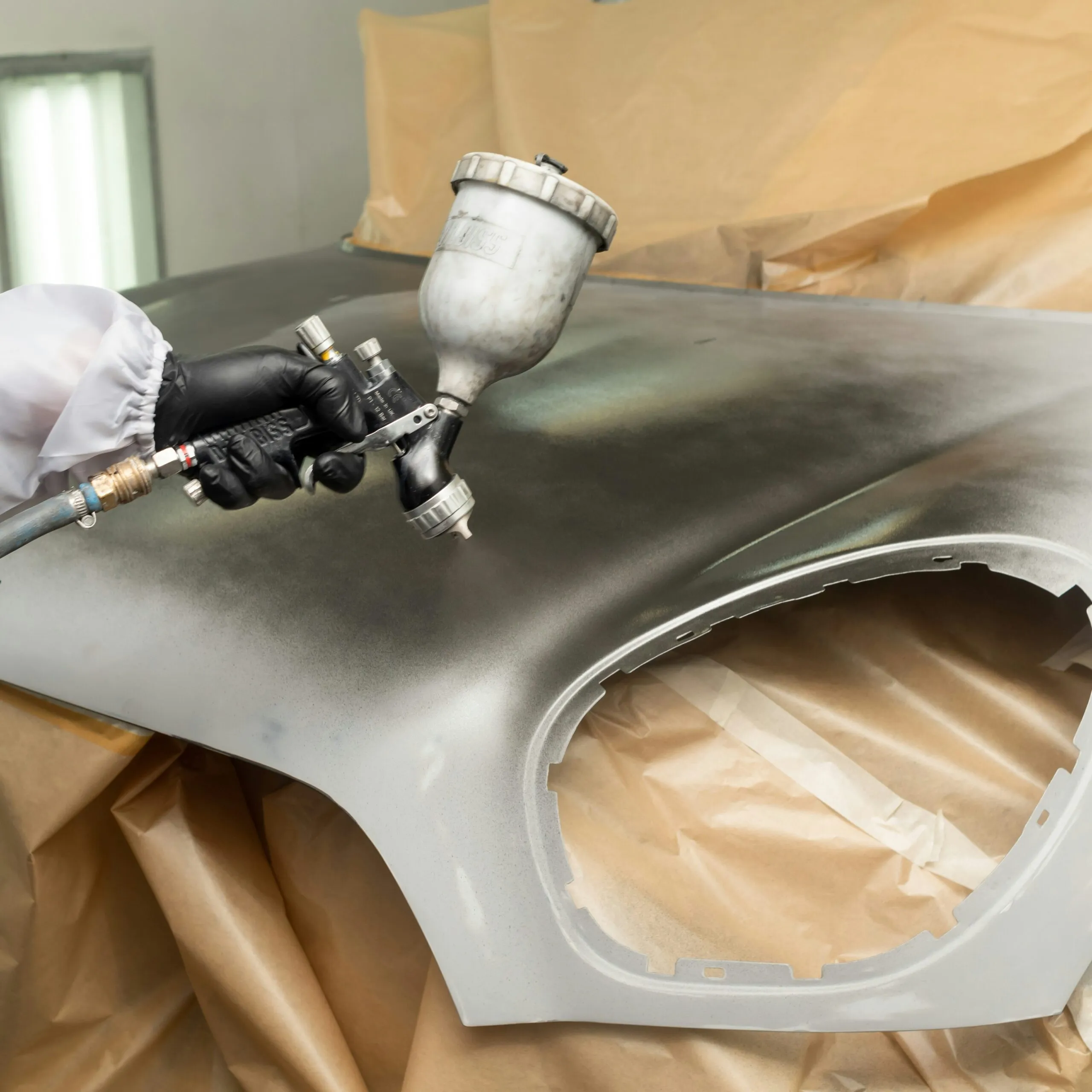
Dew Point for Painting & Coating: The +5°F Surface Rule
Before applying any coating, surface temperature must be at least 5°F above the dew point temperature. This article explains the physics behind the rule, how to measure compliance in the field, and how substrate type and enclosed environments change the risk profile.

Why Is Temperature Control Alone Not Enough in Server Rooms?
Temperature management is essential for server rooms, but cooling alone does not protect against static discharge, condensation damage, or airflow failures. This guide explains the full set of environmental controls a server room requires and why each one operates independently of thermal management.
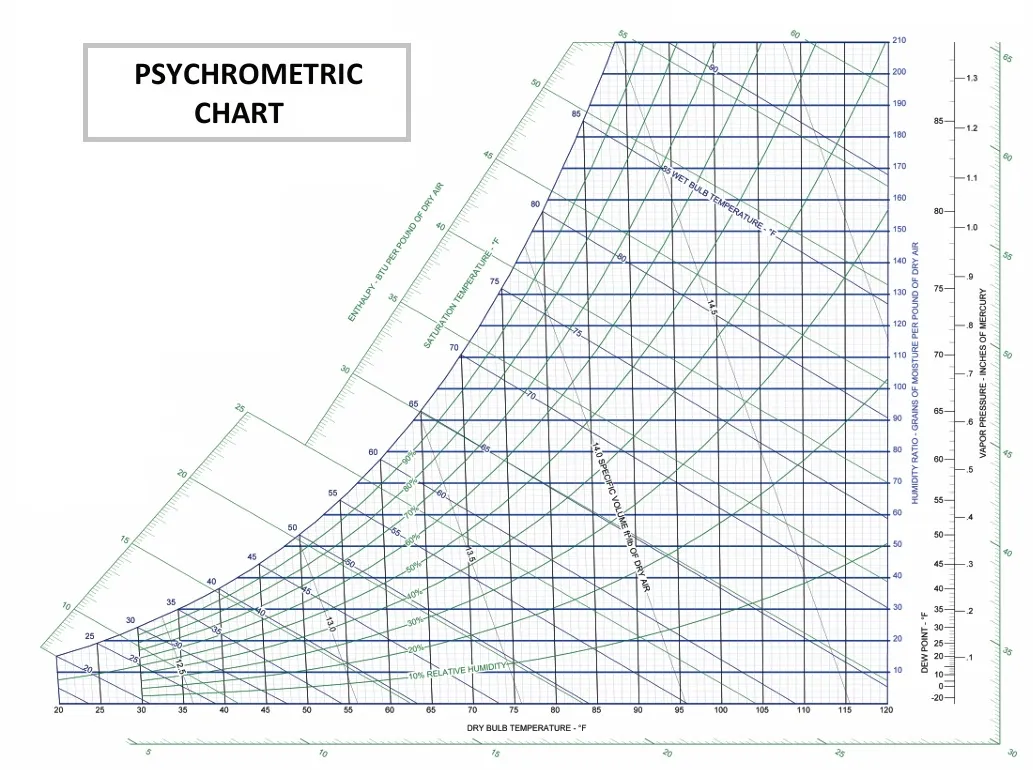
How to Read a Psychrometric Chart (Complete Guide)
A psychrometric chart encodes every thermodynamic property of moist air in a single diagram. This guide walks through each axis, curve family, and state point in sequence, then shows how to trace HVAC process lines and apply chart readings to real facility decisions.
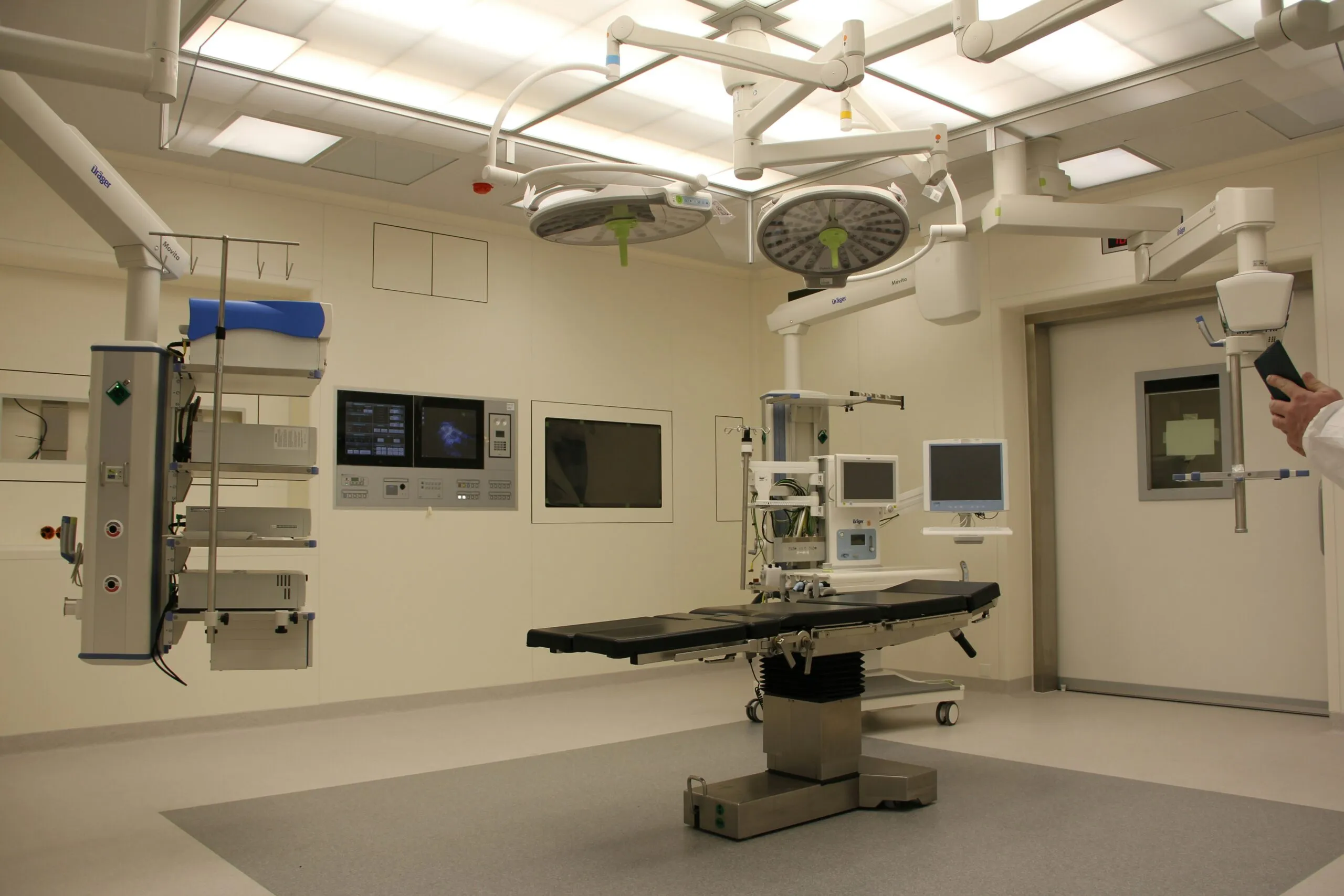
Why Do Hospitals Need Humidity Control? Infection Prevention and ASHRAE 170
Humidity control in hospitals is governed by ASHRAE 170 and enforced through Joint Commission surveys. This guide covers the clinical, regulatory, and engineering reasons why RH levels must be maintained by room type, and what happens when they are not.

Relative Humidity Chart: Target RH by Temperature
A temperature-indexed relative humidity reference chart segmented by environment type, from home comfort and healthcare to cold storage and electronics. Includes ASHRAE compliance thresholds and guidance on what happens when humidity falls outside the target range.

What Is the Best Cooling Method for Data Centers? Technology Comparison
No single cooling method is best for every data center. This comparison covers air cooling, chilled water, DX, rear-door heat exchangers, direct liquid cooling, immersion, and free cooling, mapped to PUE benchmarks, rack density thresholds, and real-world retrofit constraints.

What Is Dry Air? How It Damages Facilities, Products, and Workers
Dry indoor air causes more than chapped skin. Below 30% RH, it triggers static discharge, degrades materials, strains respiratory health, and creates measurable operational risk in industrial facilities. This article covers the full spectrum of dry air damage and what the thresholds actually mean.

What Humidity Level Do Data Centers Need? ASHRAE Standards Explained
ASHRAE TC9.9 recommends 40 to 60% relative humidity for data centers, with an allowable envelope of 20 to 80% RH. This guide explains the standards, failure modes from both extremes, and how to keep server rooms within compliant ranges.