



Non-Wetting Humidification: What It Means and Why It Matters
Non-wetting humidification adds moisture to the air without creating condensation on equipment, products, or facility surfaces. By producing droplets that fully evaporate before surface contact, these systems provide precise humidity control while eliminating the corrosion, contamination, mold growth, and equipment damage risks associated with conventional humidification methods.

Misting Nozzles: Types, How They Work, and How to Choose the Right One
Misting nozzles are the core component of any mist system, controlling droplet size, spray pattern, and overall performance for cooling, humidification, dust suppression, and industrial applications. Selecting the right nozzle requires understanding atomization methods, operating pressure, material compatibility, and maintenance requirements to ensure reliable performance and efficient moisture distribution.

3 Benefits of Using an In-Duct Humidifier for the Classroom
An in-duct humidifier integrates with existing HVAC ductwork to maintain stable relative humidity across all connected classrooms. Here are three reasons school facilities managers should consider one.
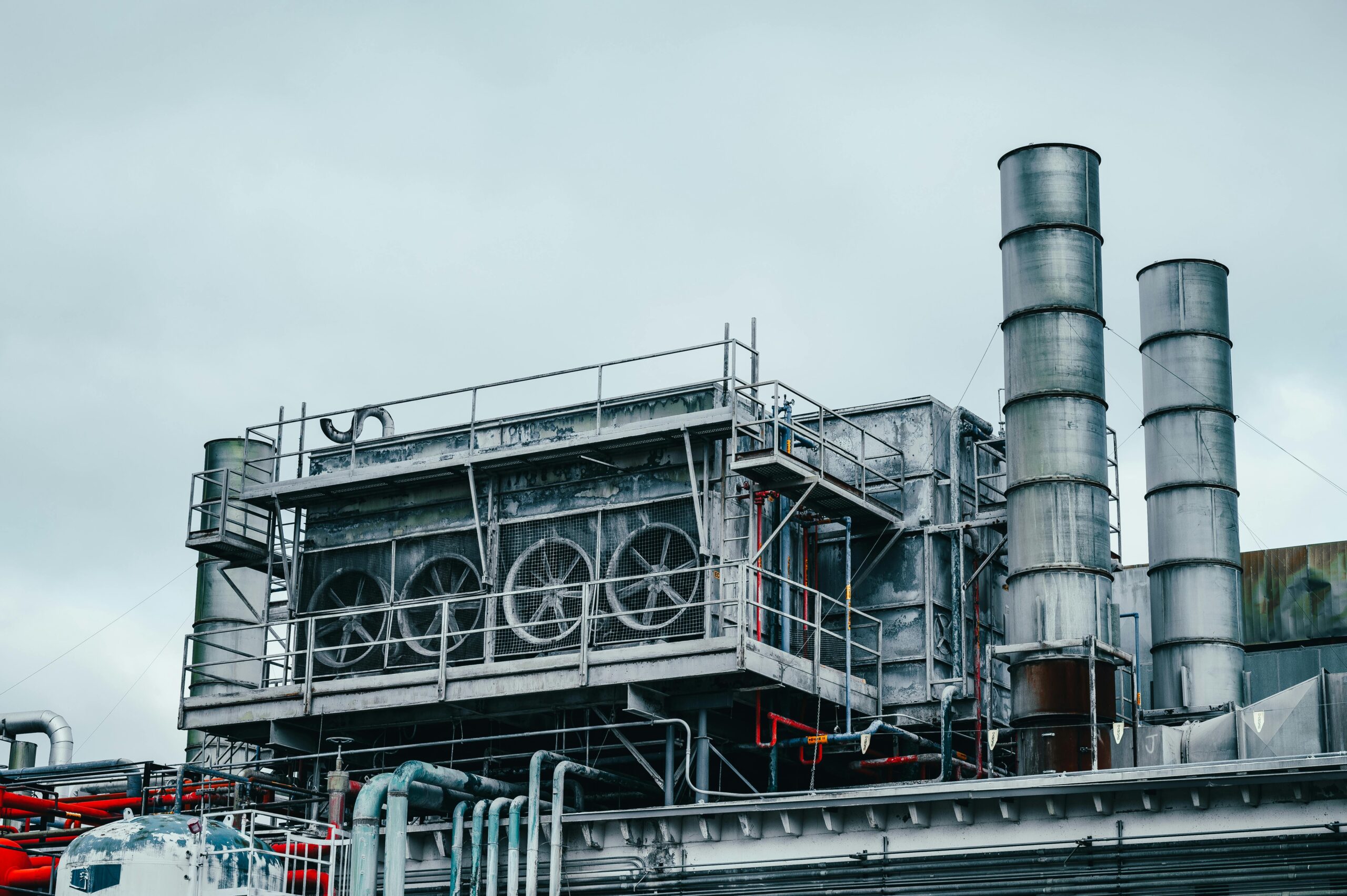
Industrial Humidification Systems: How They Work, Types, and How to Specify One
Industrial humidification systems maintain precise environmental conditions through integrated moisture generation, distribution, monitoring, and control technologies. Proper system specification requires accurate load calculations, engineered distribution design, and control integration to ensure consistent humidity levels, protect equipment, support product quality, and deliver reliable performance across large industrial facilities.
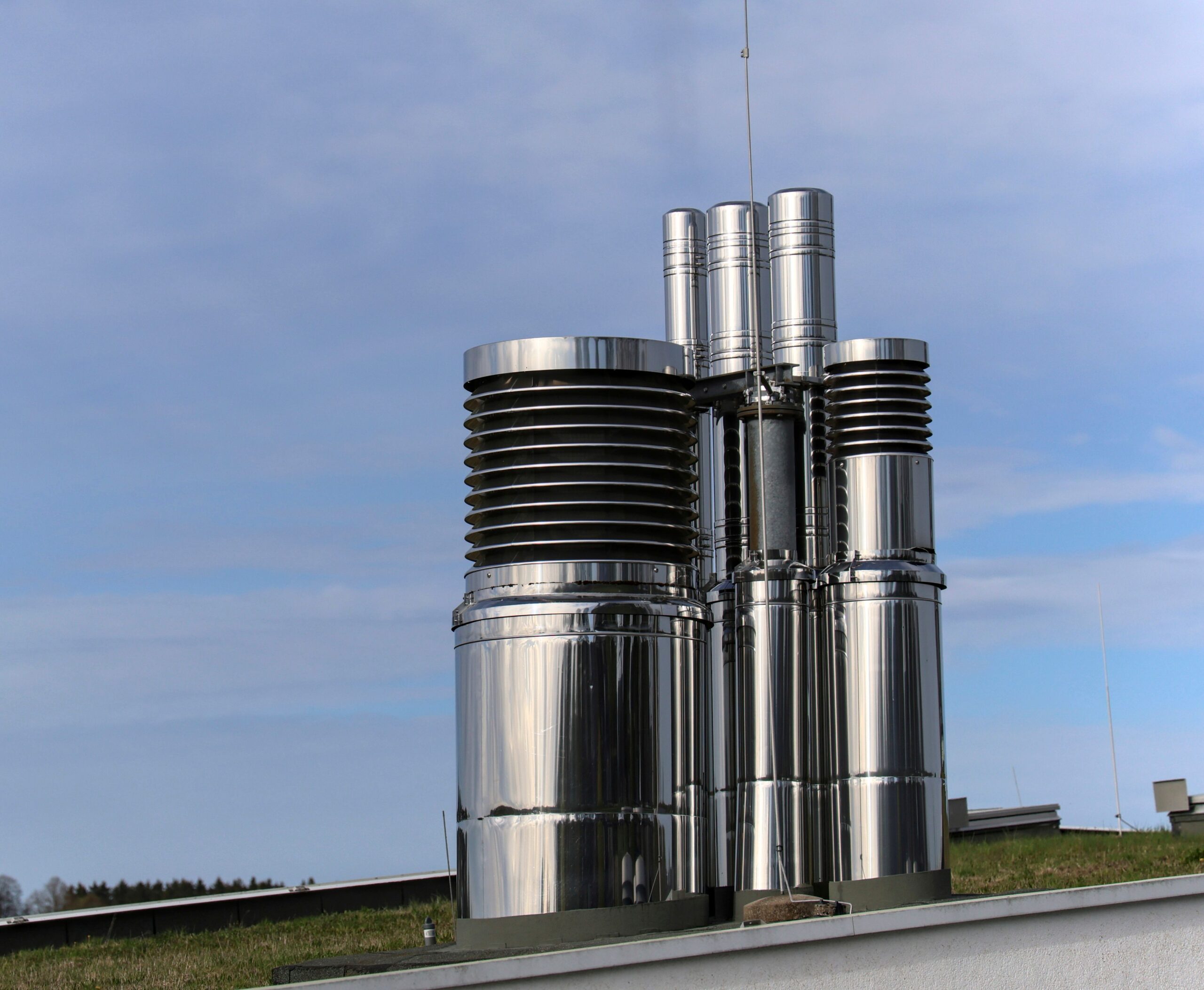
Humidity Control for Manufacturing: Why It Matters and How to Implement It
Humidity control plays a critical role in manufacturing by preventing electrostatic discharge, maintaining material stability, protecting equipment, and reducing product defects. Implementing the right humidification system requires accurate load calculations, facility-wide monitoring, and technology capable of maintaining precise humidity levels without creating surface moisture or disrupting production processes.
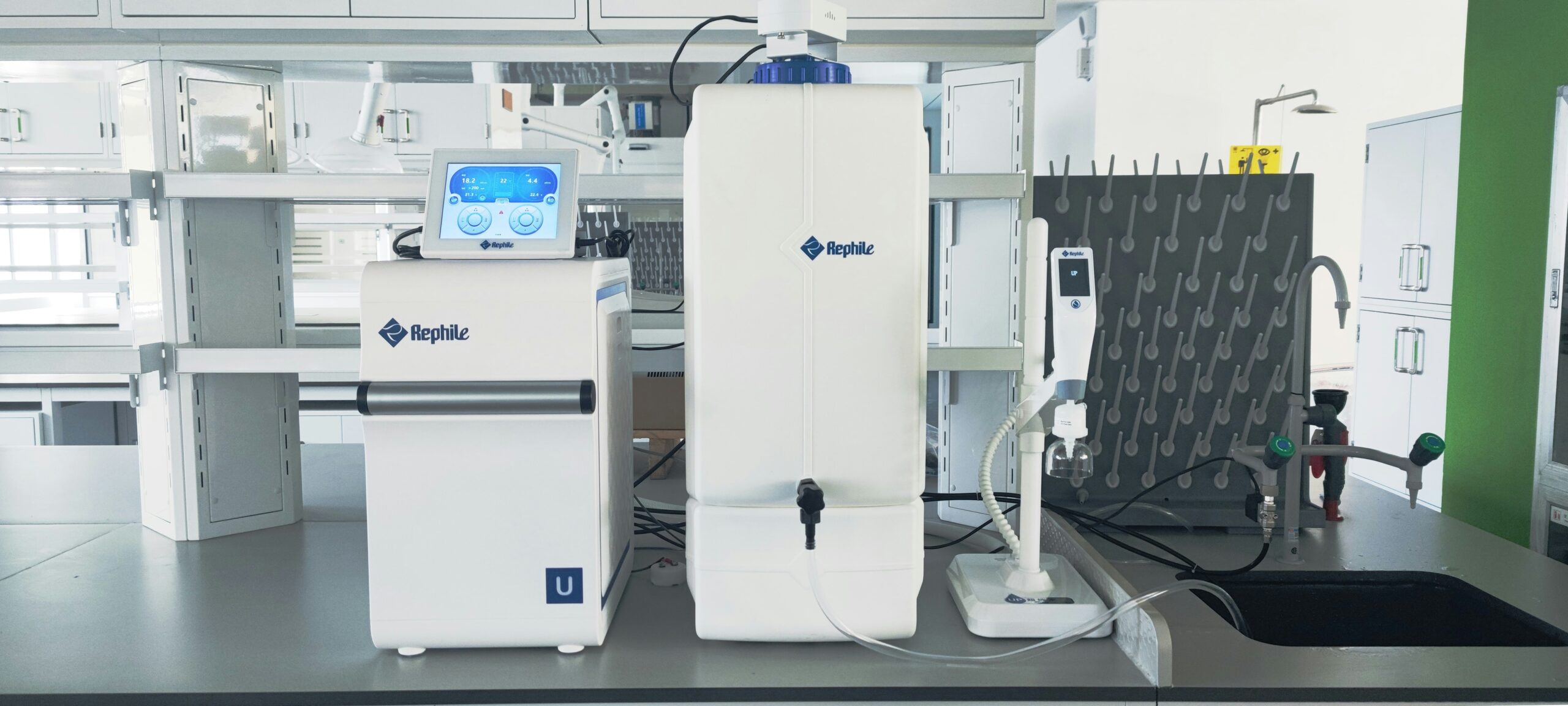
Laboratory Humidifiers: Precision Humidity Control for Labs and Test Environments
Laboratory humidifiers provide precise humidity control to protect analytical instruments, preserve sample integrity, and prevent contamination in controlled testing environments. Maintaining stable humidity levels helps eliminate static-related measurement errors, reduce instrument drift, and support consistent, reproducible results while ensuring laboratory equipment and sensitive materials remain protected.

How Industrial Humidifiers Help Prevent the Spread of Disease in the Workplace
Relative humidity has a measurable effect on airborne disease transmission and mucosal immune function. This guide explains the science, the right target range, and what facilities managers need to know about humidity control and workplace health.
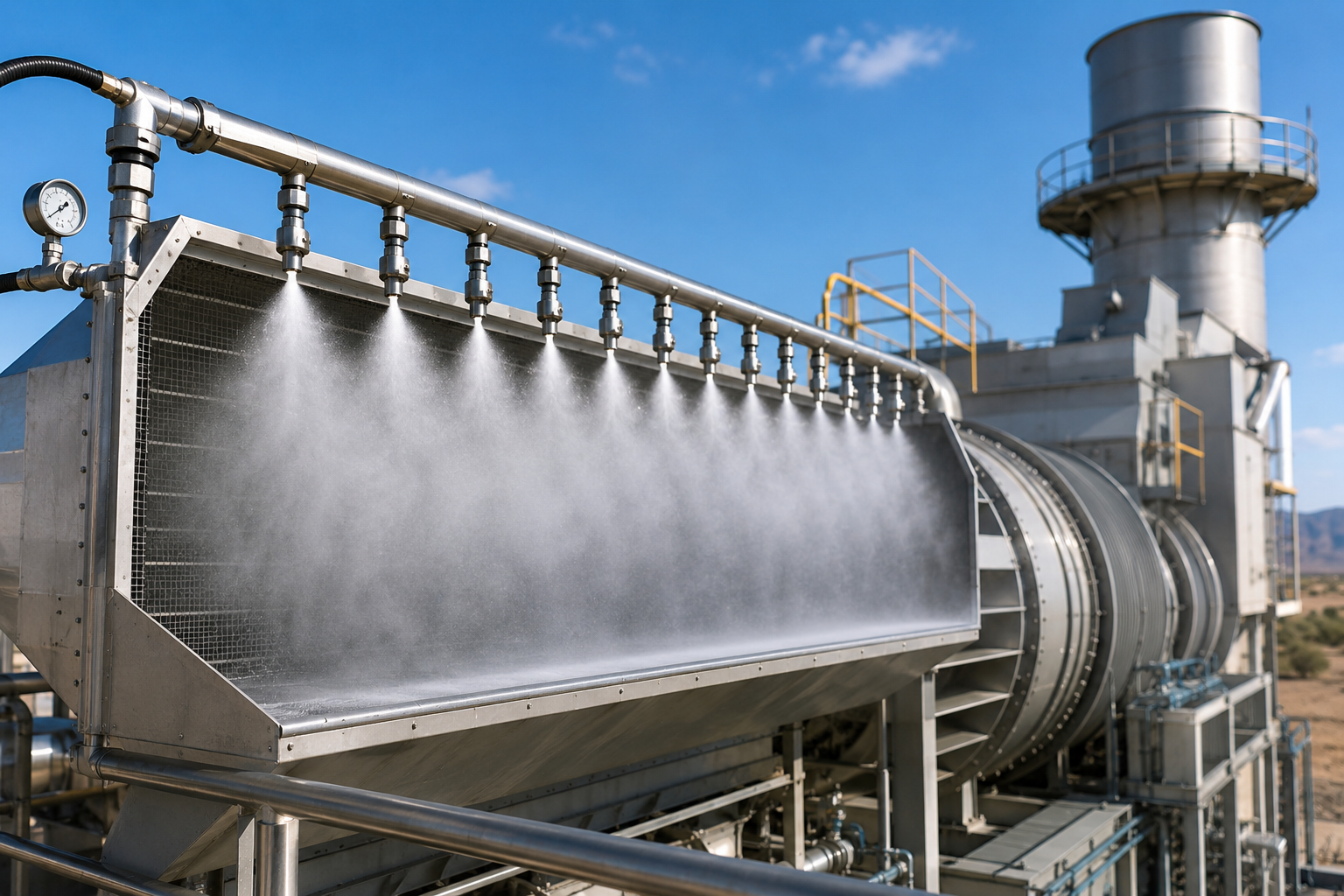
Gas Turbine Inlet Fogging: How It Improves Power Output and Efficiency
Gas turbine inlet fogging improves power output and efficiency by cooling incoming air before it enters the compressor. Fine water droplets evaporate rapidly, increasing air density and mass flow through the turbine, helping power plants maintain capacity and improve performance during hot weather conditions.
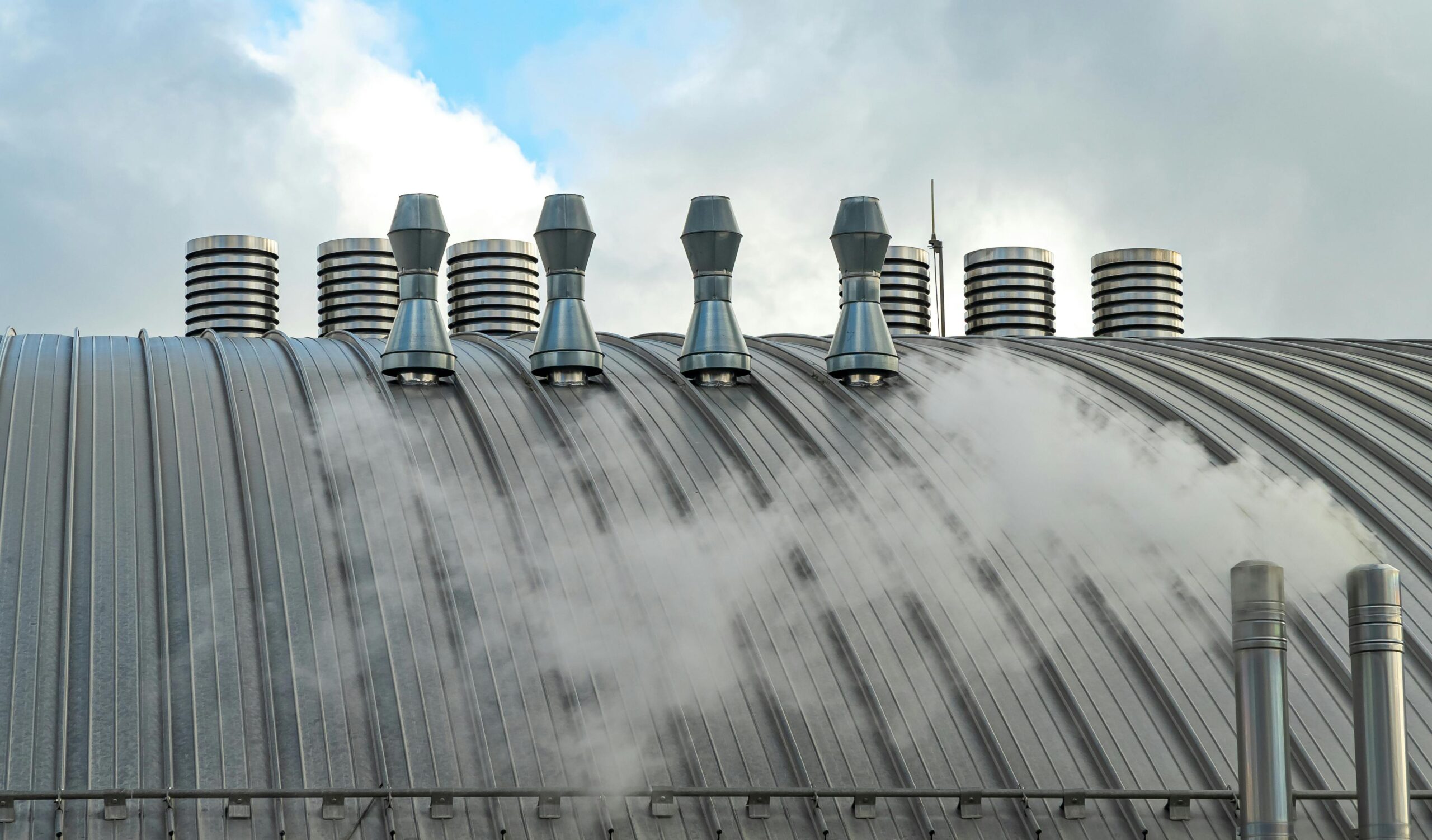
How Do Industrial Humidifiers Work? A Complete Technical Guide
Industrial humidifiers add controlled moisture to the air using technologies such as steam generation, evaporation, ultrasonic vibration, and dry fog atomization. Each approach offers different advantages in humidity range, precision, energy consumption, and maintenance requirements, making technology selection critical for facilities that depend on stable environmental conditions, equipment protection, and consistent product quality.