



Humidity Control for Art Galleries: Humidifier, Dehumidifier, or Both?
Humidity control in an art gallery is a preservation requirement, not a comfort feature. This guide covers the RH targets that protect collections, how humidity deviation damages different media, and how to specify the right climate control system for your facility.

ESD Shielding: Bags, Enclosures, and Packaging That Protect Components
ESD shielding protects sensitive electronic components by blocking external static fields and providing controlled paths for charge dissipation during storage, transport, and handling. This guide explains the differences between shielding bags, dissipative materials, and conductive enclosures, their limitations in low-humidity environments, and why combining protective packaging with facility-wide humidity control delivers more reliable electrostatic discharge protection.

Why Hospitals Need Industrial Humidifiers in Cold Weather
Cold weather can reduce hospital humidity to levels that affect patient care, infection control, and recovery. Industrial humidification systems help maintain precise, zone-specific humidity across clinical environments, supporting safer and more consistent healthcare operations.

Why Does Precise Humidity Control Actually Matter?
Precise humidity control means two things simultaneously: maintaining a target relative humidity (RH) level within a tight...
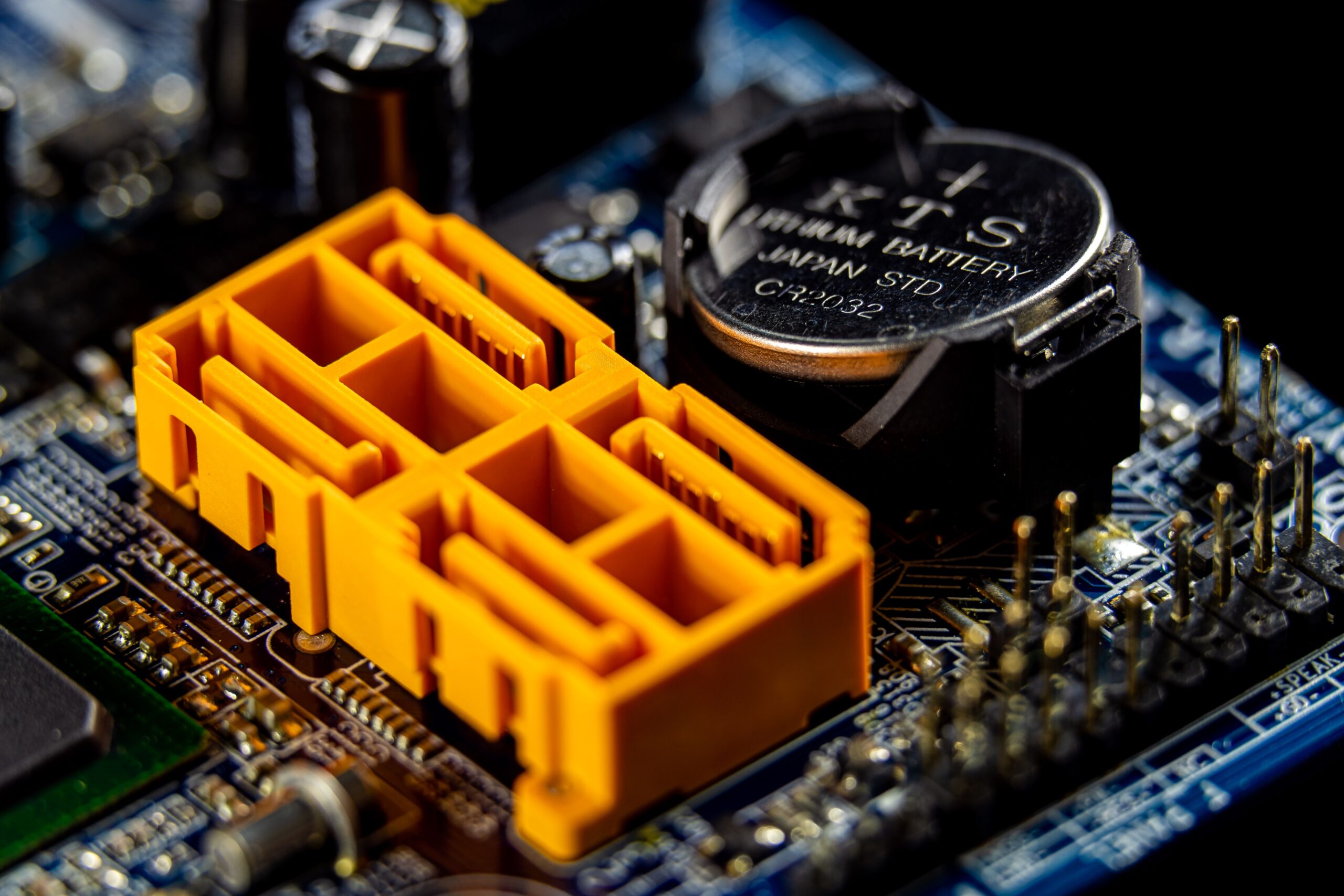
ESD Materials: Conductive, Dissipative, and Shielding Options Explained
Choosing the right ESD material is critical for protecting sensitive electronics throughout handling, storage, and manufacturing. This guide explains the differences between conductive, dissipative, and antistatic materials, how surface resistivity affects static protection, and why maintaining the right humidity levels is essential to ensure ESD materials perform as intended in real-world environments.
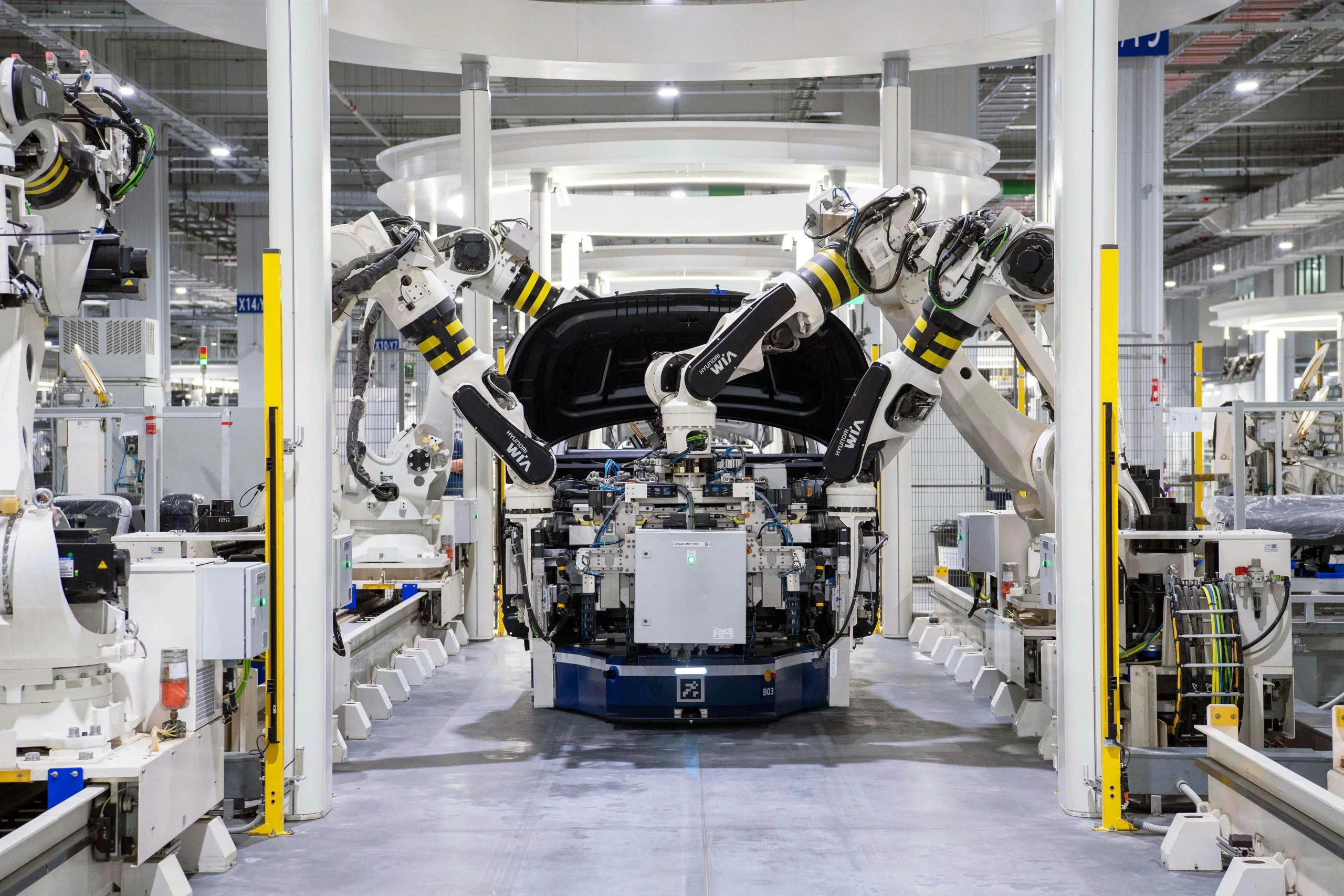
Why the Automotive Industry Needs Proper Humidity Control
Humidity plays a critical role throughout automotive manufacturing, influencing paint quality, corrosion prevention, electrostatic discharge protection, and production consistency. Maintaining precise, zone-specific humidity levels helps manufacturers reduce defects, protect sensitive components, and improve operational efficiency.
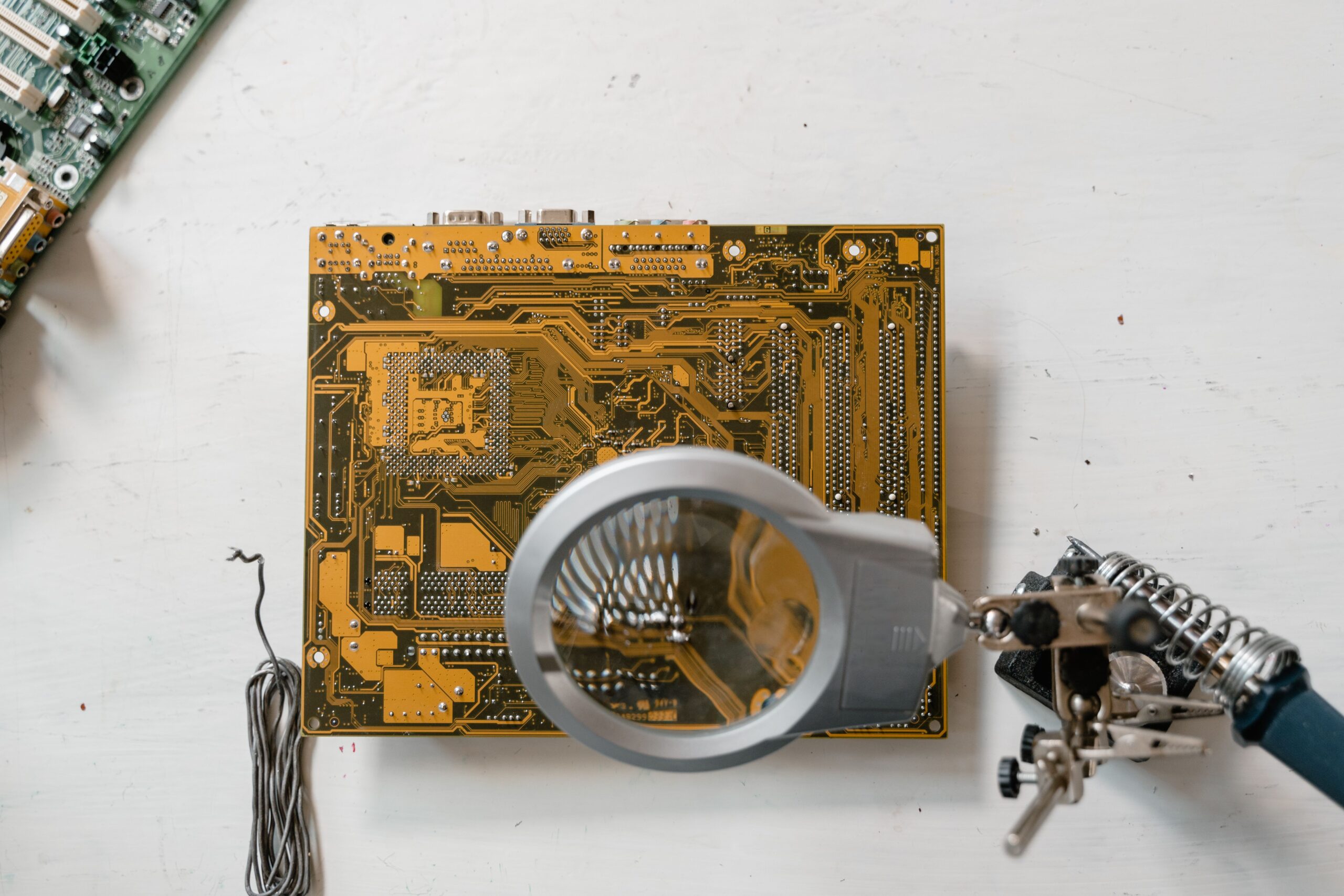
ESD Failure Testing: How to Find Static-Related Defects in Components
ESD failure testing deliberately exposes electronic components to controlled electrostatic discharge events to identify failure thresholds, uncover latent defects, and evaluate long-term reliability before production. This guide explains the main ESD stress testing methods, how engineers detect static-related damage, and why preventing charge generation through proper facility humidity control is just as important as understanding component tolerance.

Is Humidity Control Worth It? The Honest Case For and Against
Humidity control is an investment in protecting people, buildings, equipment, and sensitive materials rather than simply improving comfort. This guide explores the real costs of uncontrolled humidity, where standard HVAC systems fall short, when portable solutions are sufficient, and why precision humidity control often delivers long-term value by preventing avoidable damage and operational disruptions.

Industrial Humidity Control: Systems, Standards, and Applications
Industrial humidity control systems maintain precise relative humidity in manufacturing, processing, and storage facilities where environmental deviations cause equipment damage, product defects, or compliance failures. This guide covers how industrial systems work, industry-specific targets, and how to evaluate technologies for your facility.