


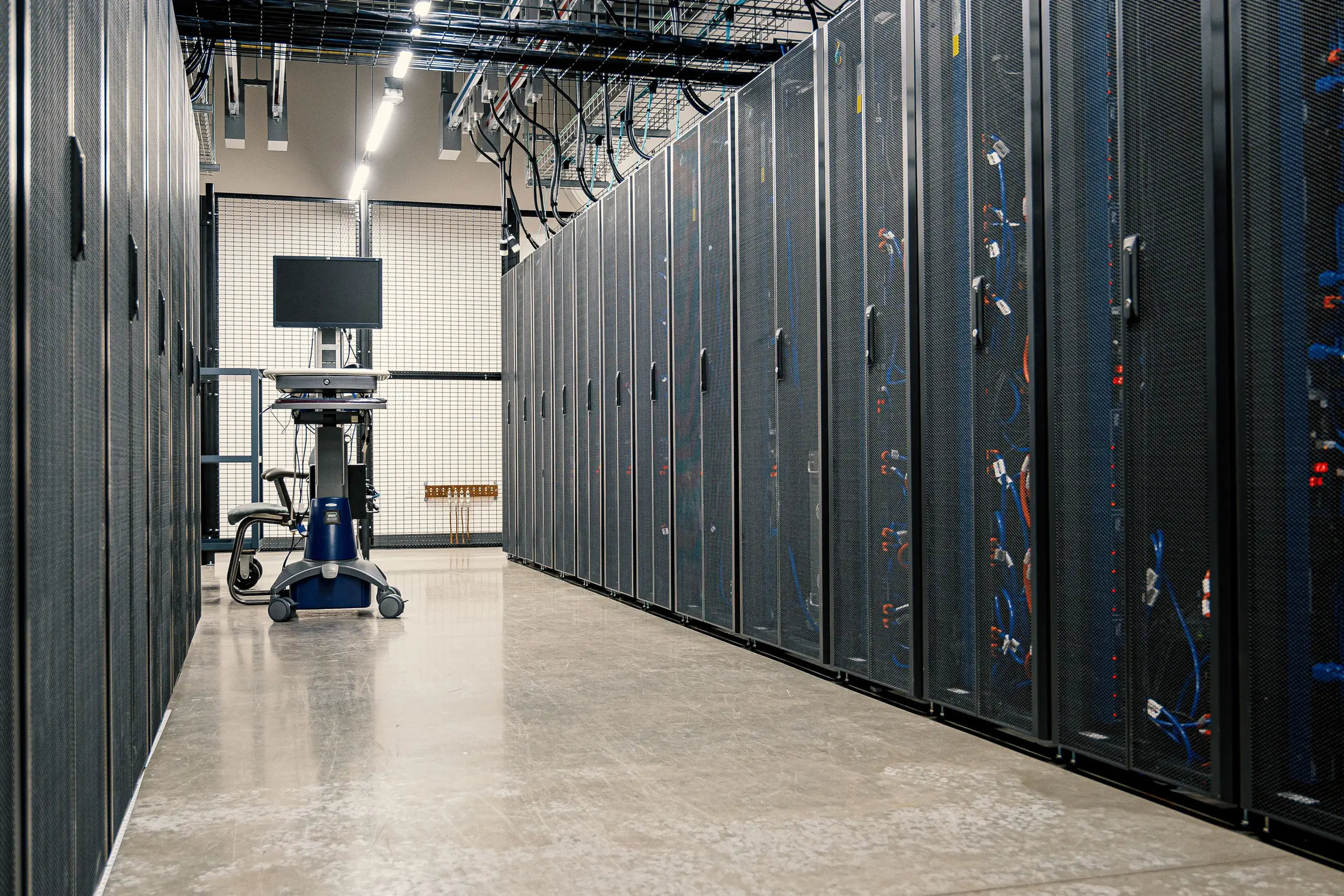
How to Measure Indoor Air Quality: Sensors, Standards, and Monitoring
Measuring indoor air quality requires the right sensors, an understanding of which pollutants matter most for your space, and the ability to interpret readings against established thresholds. This guide covers what to measure, which tools to use, and how to act on results.

How to Calculate Relative Humidity: Formula for Facility Engineers
Relative humidity can be calculated using three main methods: the dew point formula, the Magnus saturation vapor pressure approach, and the wet/dry bulb psychrometric method. This guide covers each formula with worked examples scoped to HVAC design, cleanroom sizing, and industrial humidity control.

How to Test Indoor Air Quality in a Commercial Building: Complete Guide
Commercial IAQ testing requires a different approach than residential. This guide covers which pollutants to test for, how to choose between continuous monitors and lab sampling, how to interpret results against ASHRAE 62.1 and EPA thresholds, and when professional assessment is legally required.
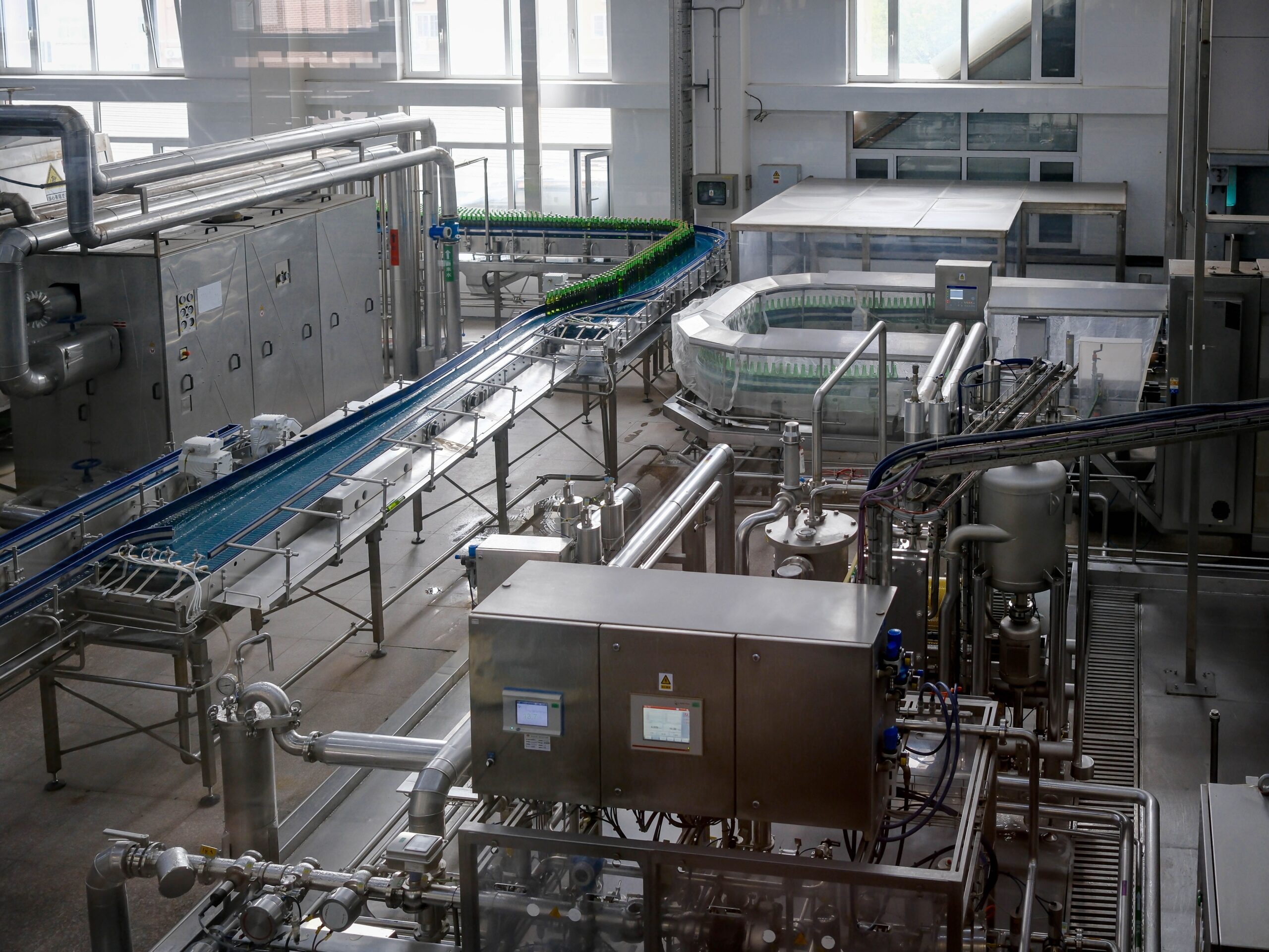
Dew Point vs Humidity: Which Matters More for Manufacturing?
Dew point and relative humidity both measure moisture, but they serve different purposes in industrial environments. This article explains the technical difference and which metric matters most for your facility type.
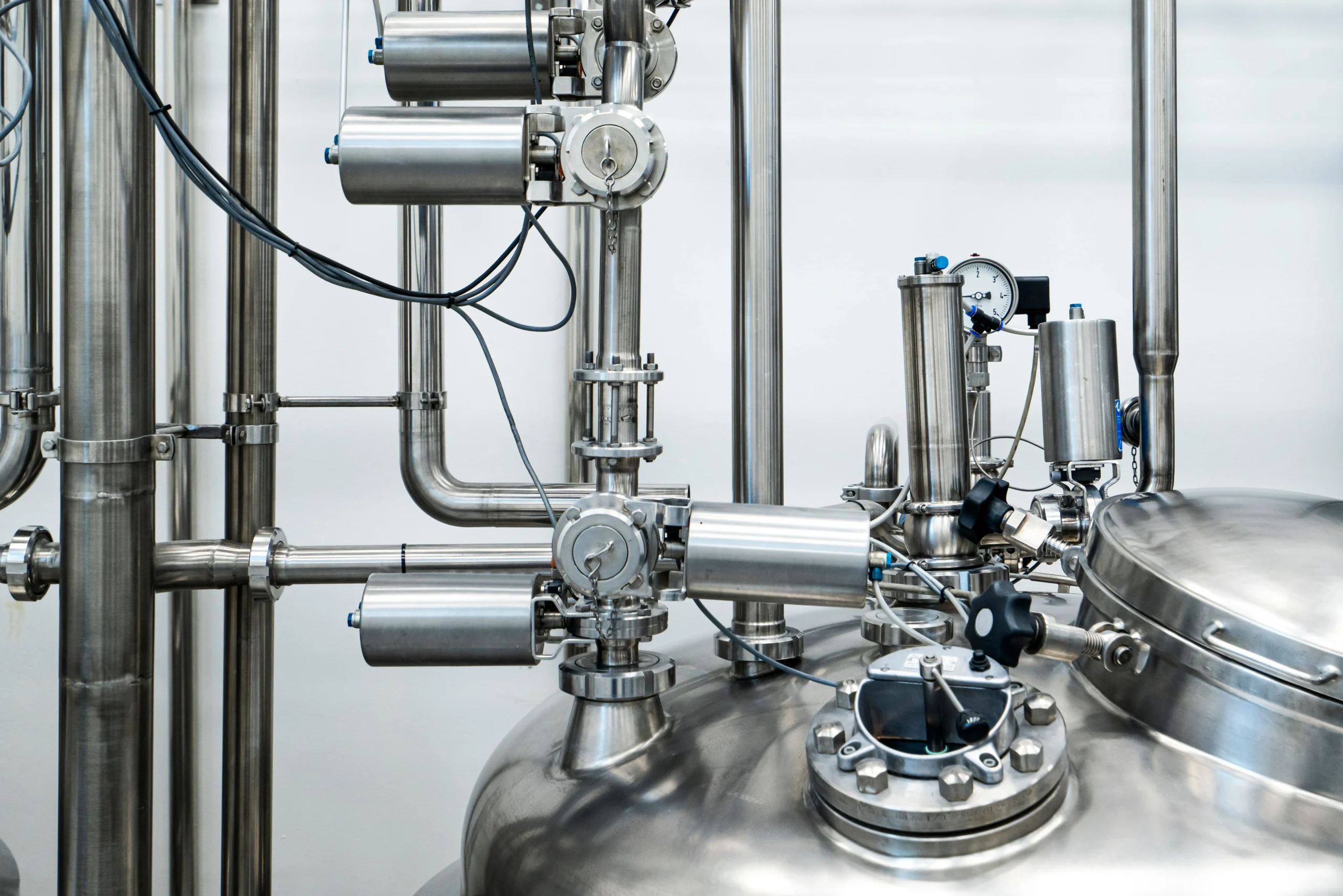
How Is Humidity Measured in Industrial Settings? Tools and Technologies
Industrial humidity measurement requires selecting the right sensor technology for the operating environment and regulatory requirements. This guide covers capacitive sensors, chilled mirror hygrometers, psychrometers, and data loggers, with a practical framework for matching measurement method to industrial use case.

How Does a Swamp Cooler Work? Step-by-Step for Facility Planners
Swamp coolers cool air through water evaporation, but performance depends heavily on ambient humidity and building ventilation. This guide explains the mechanism step by step and covers the facility-planning factors competitors ignore.

How Does Dew Point Work? The Physics Behind Facility Condensation
Dew point determines when and where condensation forms in a facility. This article explains the saturation curve, the relationship between temperature and moisture capacity, and why walls sweat, pipes drip, and cold storage environments are particularly difficult to control.
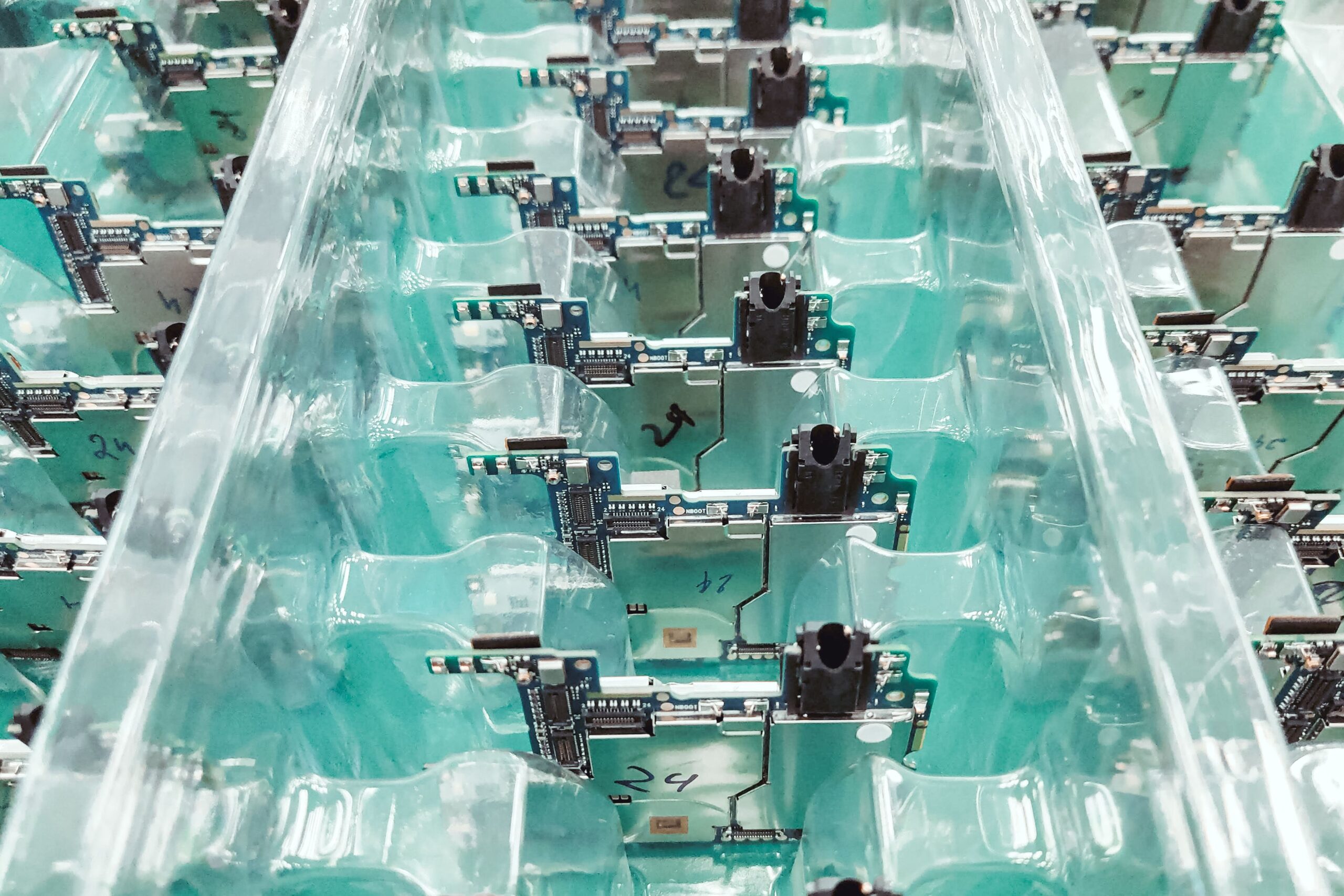
What Is Anti-Static Spray and When Should Facilities Use It?
Anti-static spray is a surface coating that dissipates static charge on contact. It works for clothing, carpets, and short-term fixes, but persistent static in facilities usually points to low relative humidity, a problem spray cannot solve.
What Is Static Electricity? A Plain-Language Guide for Facility Managers
Static electricity is a buildup of electric charge on a surface, caused when materials transfer electrons through contact or friction. This guide explains what causes it, why it intensifies in dry environments, and what facility managers need to know about the risks it creates.