 Made in USA



What Are the ESD Standards Every Electronics Facility Must Meet?
Electronics facilities must comply with ANSI/ESD S20.20 or IEC 61340-5-1 depending on market and supply chain requirements. This guide breaks down what each standard mandates, how certification audits evaluate compliance and how environmental controls like humidity monitoring function as documented audit evidence.

How Do Industrial Humidifiers Extend Produce Shelf Life in Cold Storage?
Cold storage humidity directly determines how much weight produce loses and how quickly it spoils. This guide explains the science of transpiration, optimal RH targets by produce category, and how to calculate the revenue impact of a 2 to 5% weight retention improvement across your daily throughput.
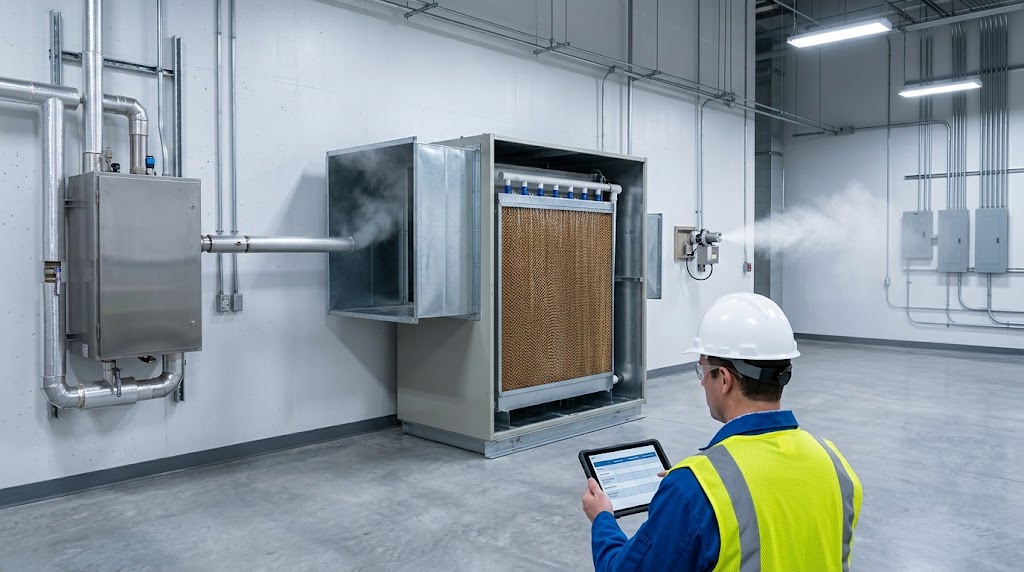
Steam vs Evaporative vs Dry Fog Humidifiers: Industrial Comparison
Not all industrial humidifiers work the same way. This comparison covers steam, evaporative and dry fog technologies across energy cost, precision, maintenance burden, moisture output and wetting risk. It also gives clear guidance on which technology suits which facility type.
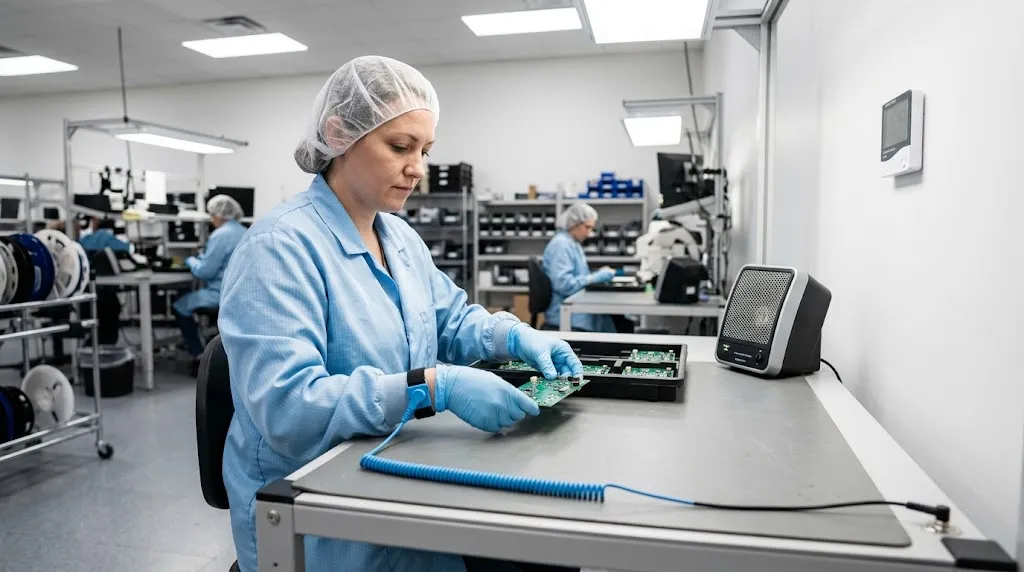
Why Do Grounding Straps Alone Not Prevent ESD in Electronics Factories?
Grounding straps equalise the handler’s charge but leave workbenches, tools, packaging, and conveyor surfaces entirely unaddressed. This article explains the four charge-source categories that wrist straps cannot control, and why ambient humidity is the environmental variable that determines how effective all grounding measures are in practice.
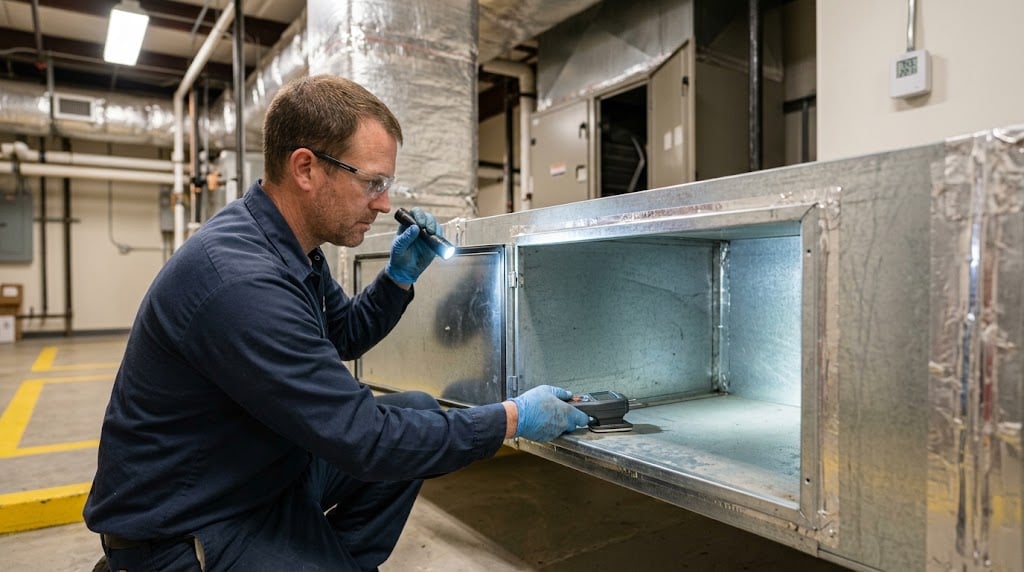
Do Commercial Humidifiers Cause Mold? Preventing Moisture Damage
Commercial humidifiers cause mold only when they wet surfaces or push relative humidity above 60%. This guide explains the two failure mechanisms and how system design prevents both in industrial and commercial facilities.

Why Does Humidity Matter in Printing? Ink, Paper, and Static Problems
Humidity controls paper stability, ink behavior, and static charge accumulation in printing environments. This article explains how specific RH levels drive each major print failure mode and why the 45 to 55% RH target is the industry standard for consistent output.

Why Do Bakeries Need Humidity Control? Dough, Proofing, and Quality
Low or fluctuating humidity causes specific, measurable failures in commercial bakeries, from crust cracking and proofing inconsistency to icing breakdown. This guide covers the RH targets that matter at each production stage and what happens when those targets are missed.

What Is the Right Humidity for a Cold Storage Room? Produce Guide
Humidity in cold storage rooms must be matched to the specific commodity being stored. This guide covers recommended RH targets by produce category, what suboptimal humidity costs per day in product weight and how precision humidification systems maintain those targets.

What Is the Ideal Humidity for PCB Manufacturing? Preventing Defects
PCB assembly requires 35 to 55% RH to prevent solder defects, ESD events, and moisture-related package failures. This guide maps the humidity requirements for each stage of production, from paste printing to reflow, and explains what IPC and J-STD standards mandate.