 Made in USA


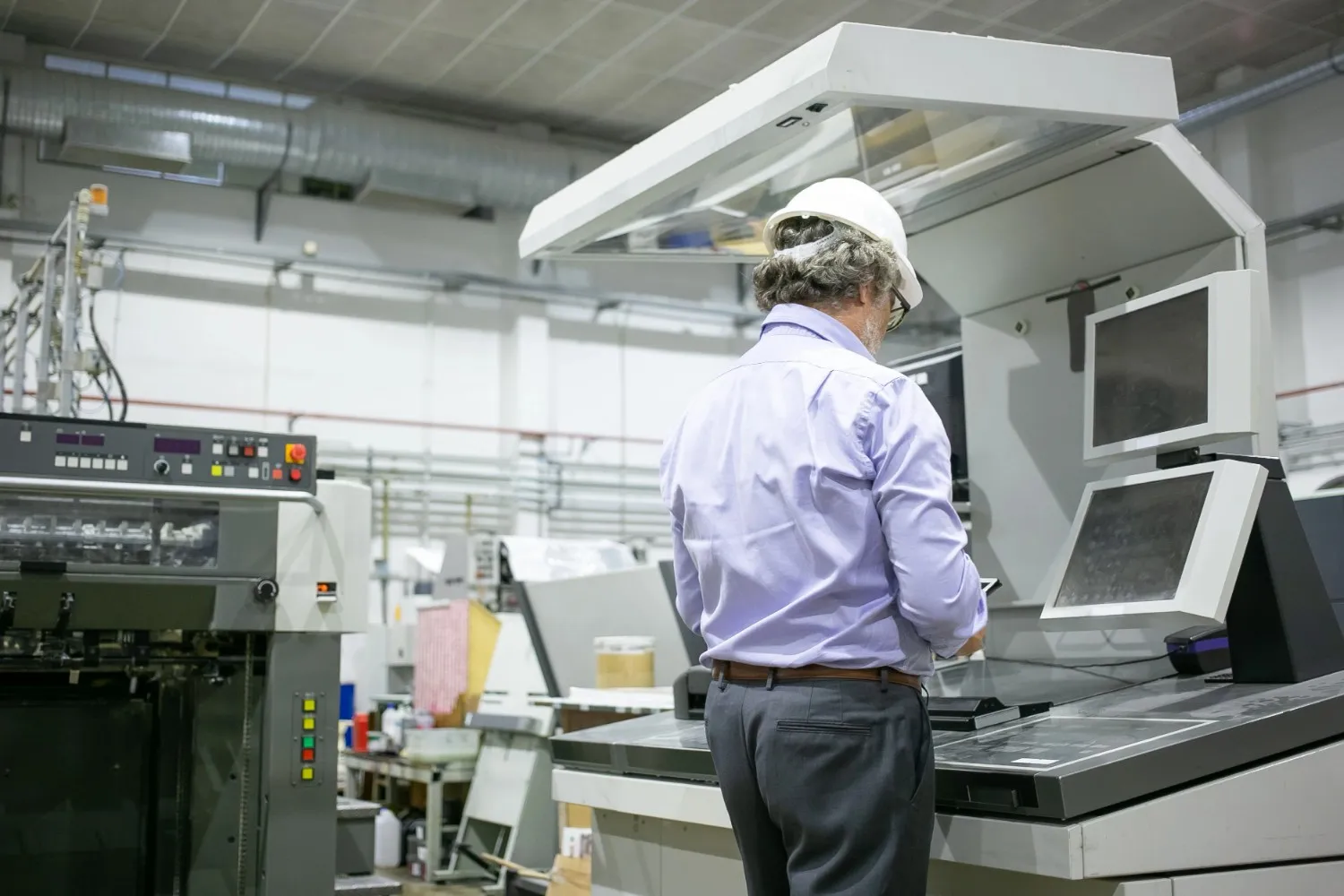
Humidity and Static Control in Industrial Printing Rooms
Humidity and static control in industrial printing rooms help prevent paper jams, misfeeds, and print defects by stabilizing relative humidity, improving material handling, and ensuring consistent print quality and operational efficiency.
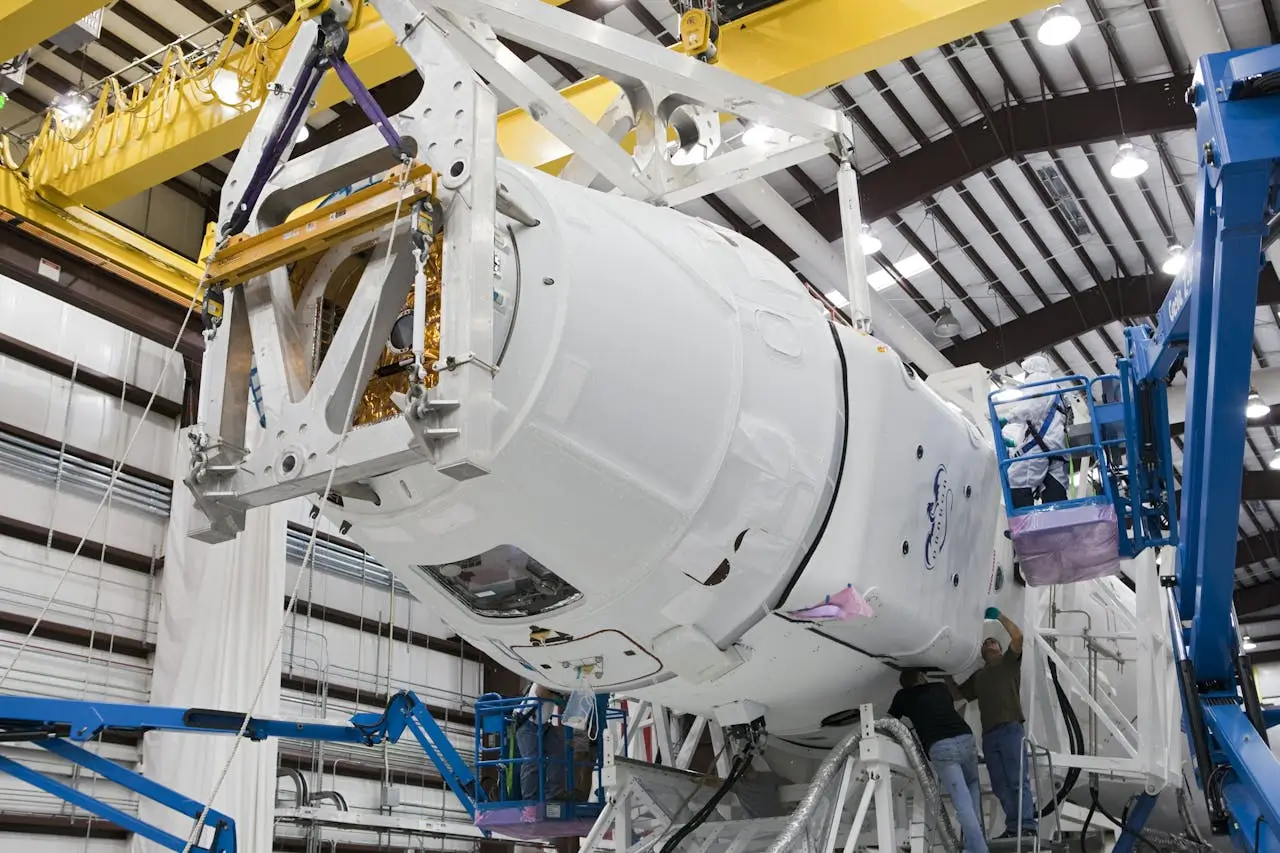
Common Environmental Risks in Aerospace Production Facilities
Aerospace production operates within extremely tight performance and safety margins. Even small shifts in temperature, humidity, or air quality can disrupt material stability and process consistency. Controlling environmental risks is essential to protect precision, reliability, and long-term component performance.

How Humidity Control Reduces Static in Paint Booths
Humidity control reduces static in paint booths by stabilizing relative humidity, improving charge dissipation, minimizing overspray, and supporting consistent coating transfer, finish quality, and predictable spray performance.
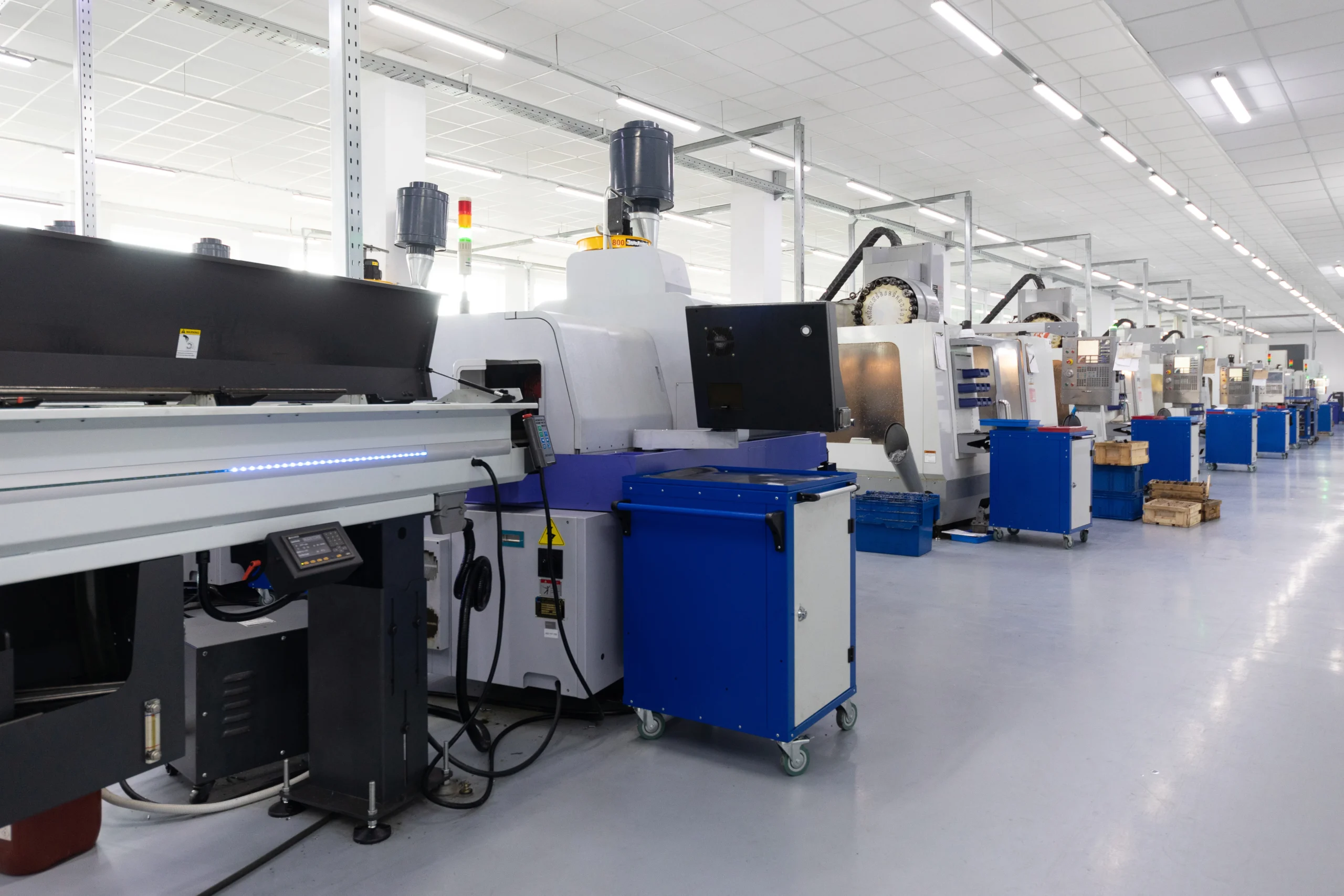
How Dry Air Impacts Ink Transfer
Dry air in printing environments disrupts ink transfer, adhesion, and substrate interaction, causing uneven coverage and streaking across print runs. Stable humidity reduces evaporation and supports ink behavior well.
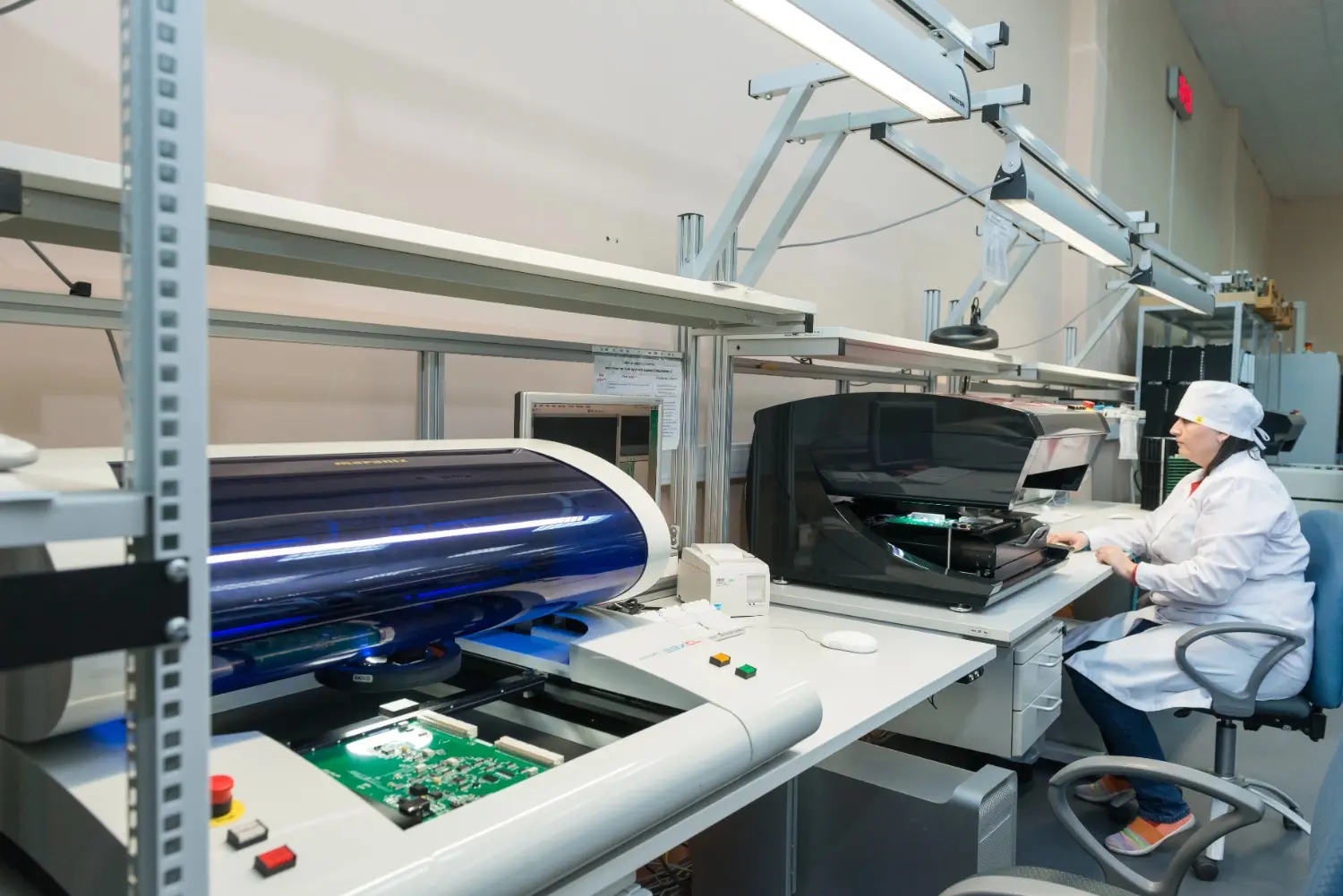
Environmental Factors That Damage Print Consistency
Environmental factors like temperature changes, low or high humidity, airflow instability, and airborne contaminants can disrupt print consistency, causing defects, misregistration, static issues, and increased waste in printing operations.
Environmental Design Best Practices for Printing Rooms
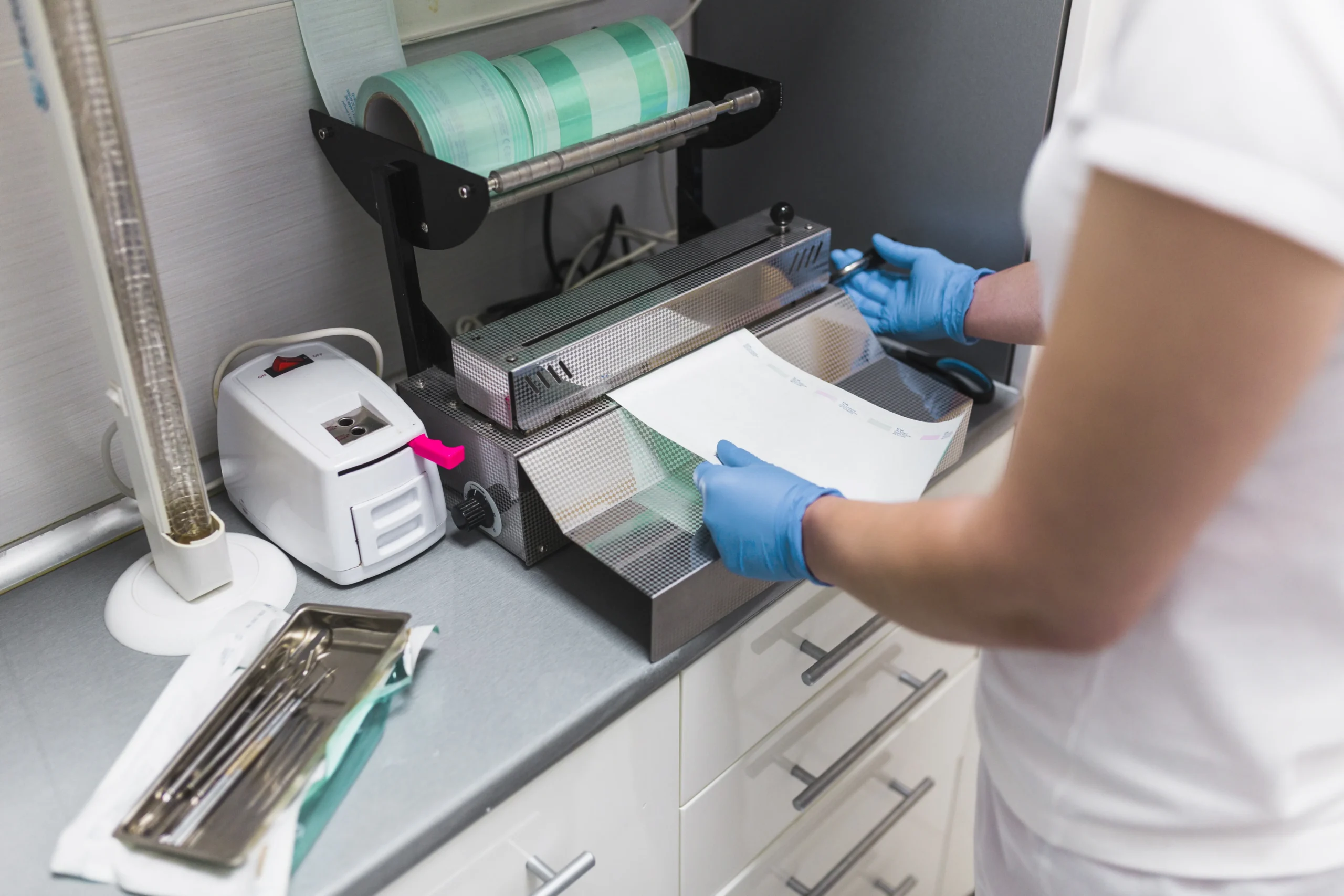
Environmental design in printing rooms stabilizes humidity, airflow, and temperature to support consistent ink transfer, substrate stability, and print quality while reducing defects, static buildup, and environmental variability across production zones.
Choosing Humidity Control Systems for Industrial Paint Booths
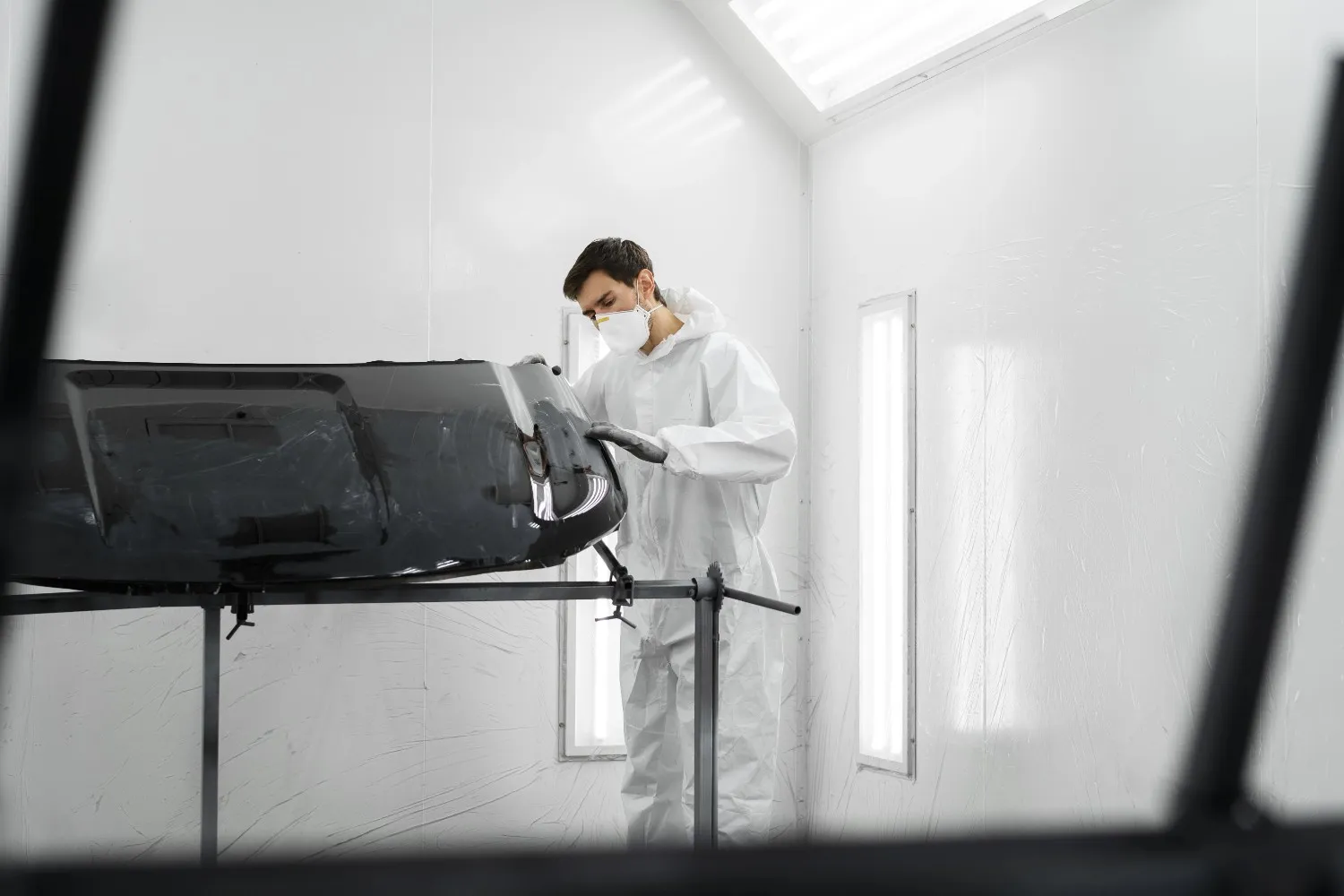
Choosing the right humidity control system for industrial paint booths ensures stable relative humidity, consistent drying, improved adhesion, and predictable coating performance in high-airflow and finish-sensitive environments.

Choosing Humidification Systems for Digital Printing Facilities
Choosing the right humidification system for digital printing facilities helps maintain stable humidity, reduce static buildup, protect substrates, and ensure consistent print quality, color accuracy, and smooth high-speed production performance.
Ideal Humidity Levels for Industrial Paint Booths
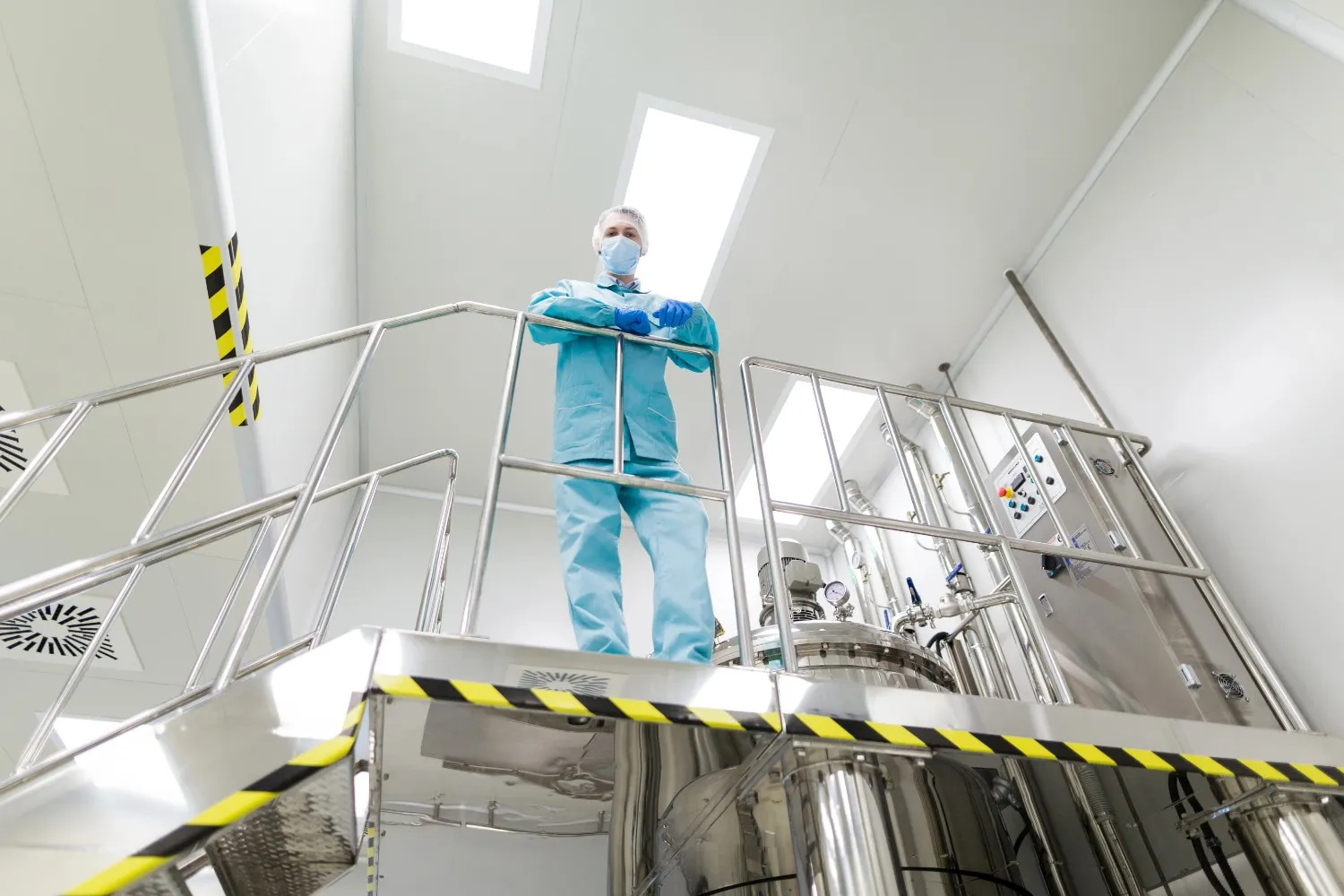
Ideal humidity levels in industrial paint booths typically range between 40% and 60%, helping prevent dry spray, slow drying, static, and adhesion failures. Proper humidity control ensures stable conditions, consistent coating quality, and reduced rework.