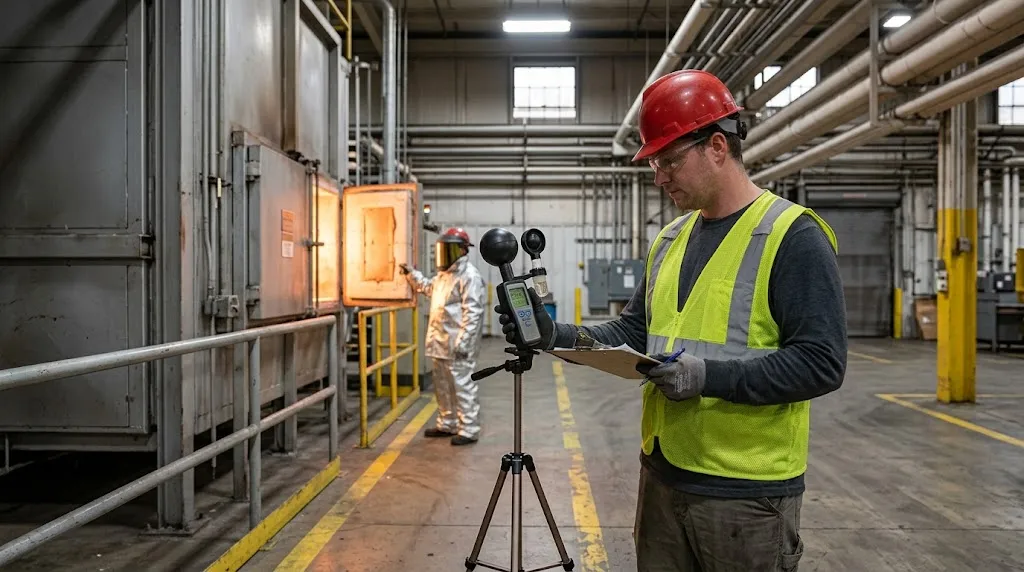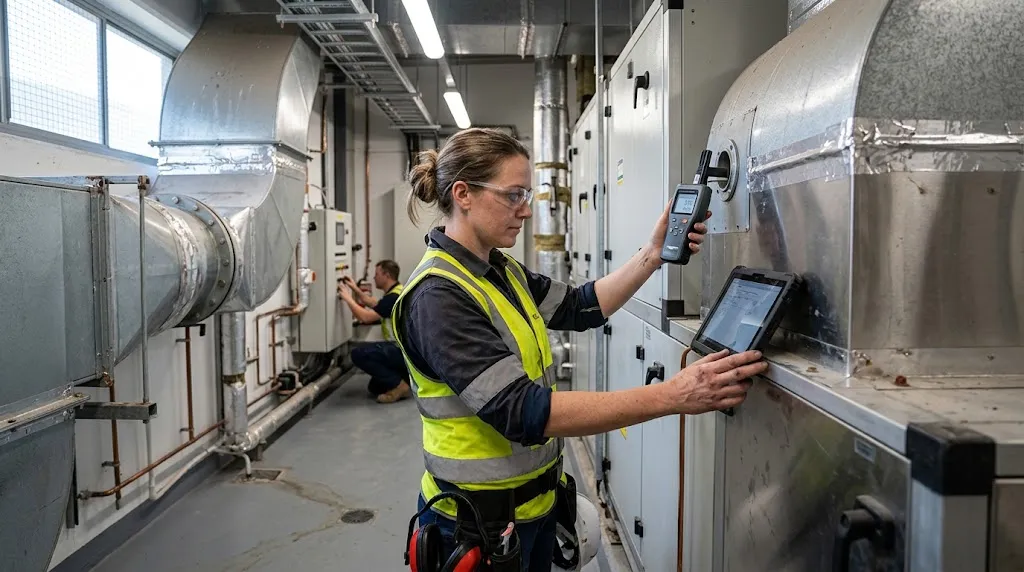


- Temperature affects the viscosity of ink, impacting print quality.
- High humidity can cause paper to absorb moisture, leading to inconsistent prints.
- Air quality influences the presence of dust and particles that can damage printing equipment.
- Maintaining optimal environmental conditions is crucial for digital printing.
- Understanding environmental factors helps in achieving consistent print results.
Why Environmental Conditions Affect Print Consistency
Print consistency depends heavily on stable environmental conditions within the production space. Fluctuations in temperature and humidity affect paper behavior, ink performance, and static buildup. When these factors are controlled, materials respond more predictably and print output remains uniform across runs, reducing defects and quality variations. Without proper humidity and static control, dry or unstable conditions can cause sheets to stick, misfeed, or attract dust, all of which reduce print consistency. These variations can occur in the short term or develop gradually as environmental conditions shift within the printing space.Relationship Between Environment and Print Performance
The environment in which printing occurs has a direct impact on the performance of the printing process. Factors such as temperature and humidity influence the physical properties of the printing materials, such as paper and ink. For instance, changes in humidity can cause paper to expand or contract, affecting its handling and the registration accuracy during printing. Similarly, temperature fluctuations can alter the viscosity of the ink, impacting its transfer and drying characteristics.Short Term Variations vs Long Term Quality Issues
Short-term variations in environmental conditions can lead to immediate print quality issues, such as misregistration or uneven ink distribution. These issues can often be traced back to sudden changes in temperature or humidity. On the other hand, long-term exposure to suboptimal environmental conditions can result in more persistent quality issues, including wear and tear on printing equipment and consistent deviations in print quality.Low Humidity as a Cause of Print Consistency Problems
The relationship between low humidity and print consistency is critical, as dry conditions can cause multiple printing problems. In practical terms, the effects of low humidity appear in the form of static buildup, paper curl, and uneven ink absorption, all of which reduce stability during production. Maintaining optimal humidity levels is essential for ensuring that printing operations run smoothly and produce high-quality outputs.Static Electricity and Sheet Handling Issues
Low humidity can lead to the buildup of static electricity, which significantly affects sheet handling in printing presses. Static electricity causes sheets to stick together or attract dust and other particles, leading to misfeeds, jams, and other handling issues. This not only disrupts the printing process but also results in wasted materials and time. Key issues related to static electricity include:- Increased risk of sheet misfeeds and jams
- Attraction of dust and particles to the sheets
- Potential for electrostatic discharge damaging equipment
Ink Transfer and Absorption Problems in Dry Air
Dry air, associated with low humidity, can also impact the ink transfer and absorption process. Ink transfer in dry conditions becomes less predictable, as the ink may dry too quickly on the press, affecting how well it adheres to the printing substrate. This can lead to inconsistent ink density and color variations, ultimately compromising print quality. The main challenges include:- Ink drying too quickly on the press
- Inconsistent ink transfer and absorption
- Potential for color variations and density issues
High Humidity and Its Impact on Print Quality
The impact of high humidity on print quality is multifaceted, influencing both the paper and the ink used in the printing process. High humidity introduces excessive moisture into the printing environment, which can lead to a variety of issues that compromise the final print output.Paper Expansion, Curling, and Registration Errors
High humidity causes paper to absorb moisture, leading to expansion and curling. This physical change in the paper can result in registration errors, where the alignment of the printed content is off due to the paper's altered dimensions. Registration errors can lead to misaligned colors and images, affecting the overall quality of the print. The effects of paper expansion and curling can be significant, especially in high-precision printing operations.- Paper Expansion: Caused by moisture absorption in high humidity conditions; leads to registration errors and misaligned prints due to dimensional changes in the substrate.
- Curling: Results from uneven moisture absorption across the paper; creates handling difficulties, feeding problems, and increased risk of jams.
- Registration Errors: Occur when paper expansion and curling alter sheet dimensions and positioning; cause misaligned colors, distorted images, and reduced overall print quality.
Slow Ink Drying and Smudging Issues
High humidity also affects the ink drying process. In humid conditions, ink takes longer to dry, which can lead to smudging and other print defects. Smudging occurs when wet ink is transferred or smeared onto other surfaces or parts of the print itself, compromising the clarity and integrity of the printed material. To address slow ink drying and smudging, printers may need to adjust their drying times, use specialized drying equipment, or modify their ink formulations to better suit humid environments.- Adjust drying times and equipment settings
- Use specialized drying equipment or fans
- Modify ink formulations for better performance in humid conditions
Temperature Fluctuations That Disrupt Printing Consistency
Extreme temperature changes can severely impact the consistency of printing results. Temperature affects various aspects of the printing process, from ink behavior to the physical properties of the printing substrate. Temperature control is essential for maintaining the quality and consistency of prints. Fluctuations can lead to a range of issues, including changes in ink viscosity and curing processes.Effects of Cold and Heat on Ink Viscosity
Ink viscosity is a critical factor in achieving consistent print quality. Temperature fluctuations can cause the ink to become either too viscous or too fluid, affecting its transfer onto the substrate.- In cold temperatures, ink becomes thicker, potentially leading to clogged print heads and uneven distribution.
- In high temperatures, ink becomes thinner, which can result in excessive spreading and blurring of the print.
Inconsistent Curing and Color Variations
The curing process, which involves the drying and fixing of ink onto the substrate, is also temperature-sensitive. Inconsistent temperatures can lead to variations in curing times and effectiveness. Inconsistent curing can cause color variations, as the ink may not be properly fixed, leading to differences in color intensity and hue. This can be particularly problematic in color-critical printing applications.- Cold Temperature Conditions: Cause ink to become thicker and more viscous; can lead to clogged print heads, uneven ink distribution, and inconsistent curing.
- Hot Temperature Conditions: Make ink thinner and more fluid; may result in excessive spreading, blurring, and reduced print sharpness.
Static Electricity and Environmental Charge Buildup
Environmental conditions play a crucial role in generating static charges during printing. Static electricity in printing often occurs when low humidity, friction between materials, and airflow patterns cause charges to build on paper and equipment surfaces. This accumulation can interfere with paper handling, alignment, and ink transfer, leading to print defects and operational disruptions.Influence of Environmental Conditions on Static Electricity
Dry air is a primary factor that contributes to the buildup of static electricity. When the humidity is low, the air's ability to dissipate static charges is reduced, leading to an accumulation of static electricity on surfaces. Friction between different materials, such as paper and machinery, also generates static electricity. Key factors influencing static electricity include:- Low humidity levels
- Friction between different materials
- Speed of printing processes
Print Defects Caused by Electrostatic Attraction
Electrostatic attraction can cause several print defects, including dust attraction, misfeeding of sheets, and misregistration. When paper or other printing materials become statically charged, they attract dust and other particles, leading to defects on the printed surface.- Dust Attraction: Caused by static electricity pulling airborne particles onto charged paper and surfaces; leads to visible surface defects and reduced print clarity.
- Misfeeding: Occurs when static electricity causes sheets to stick together during handling; results in printing errors, jams, and workflow interruptions.
- Misregistration: Triggered by static electricity interfering with smooth paper movement and alignment; creates alignment issues, especially in multi-color printing.
Airflow and Ventilation Issues in Printing Facilities
Maintaining optimal airflow and ventilation is essential for achieving consistent print quality in printing environments. Air imbalance increases static buildup and dust movement, directly affecting material stability and surface consistency. This same principle applies in industrial paint booth static control, where airflow management is critical for limiting electrostatic charge and preventing contamination during surface finishing operations.Turbulence, Drafts, and Dust Movement
Turbulence and drafts within a printing facility can lead to a range of issues, including dust movement and the disturbance of paper sheets. This can result in misfeeds, jams, and other handling problems. Moreover, turbulence can cause the dispersion of dust and particles, potentially contaminating the printing environment and affecting print quality. To mitigate these issues, printing facilities must implement effective air management strategies. This includes designing ventilation systems that minimize turbulence and drafts, thereby reducing the risk of dust movement and paper disturbance.Effects of Poor Air Balance on Print Stability
Poor air balance disrupts environmental stability within the print room, leading to fluctuations in temperature, humidity, and airflow patterns. These variations directly affect material behavior, ink performance, and overall print consistency. The following side effects commonly occur when air balance is not properly maintained:- Fluctuations in temperature and humidity that destabilize printing conditions
- Increased paper handling issues such as curling, misfeeds, and jams
- Higher risk of misregistration due to inconsistent environmental control
- Uneven ink distribution caused by unstable airflow patterns
- Greater occurrence of print defects and inconsistent output quality
- Reduced production efficiency due to environmental variability
- Increased reprints, downtime, and operational interruptions
Contaminants and Airborne Particles Affecting Print Consistency
Airborne particles and contaminants within printing facilities pose a significant challenge to maintaining consistent print quality. The presence of these particles can lead to a variety of issues that affect the final printed product.Dust, Fibers, and Pollutants in Printing Rooms
Dust, fibers, and other pollutants in the printing environment can cause defects in the printing process. Dust particles can settle on printing plates or paper, leading to smudges or spots on the printed material. Fibers from the paper itself or from other sources can also contaminate the printing environment, causing issues with ink transfer or paper handling. Pollutants in the air, such as volatile organic compounds (VOCs) or other chemicals, can react with the ink or other printing materials, affecting their performance and the overall quality of the print.Facility Layout and Cleanliness Challenges
Facility layout and cleanliness directly influence the level of airborne contaminants in printing environments. Poor layout and inadequate maintenance allow dust accumulation, which can interfere with paper handling, ink transfer, and overall print stability. The following challenges commonly arise when facility layout and cleanliness are not properly managed:- Dust accumulation in poorly ventilated or stagnant airflow zones
- Increased contamination on printing surfaces and substrates
- Higher risk of print defects such as specks and surface imperfections
- Inconsistent print quality due to airborne particles affecting ink deposition
- Equipment performance issues caused by dust buildup on critical components
- Greater maintenance needs and cleaning downtime
- Reduced storage hygiene for paper and supplies leading to material contamination
Seasonal and Climate Related Environmental Challenges
Printing operations are heavily influenced by seasonal changes in humidity and temperature. These fluctuations can significantly impact print consistency, making it crucial for printing facilities to adapt their operations accordingly. The relationship between seasonal climate variations and print quality is complex. Weather-driven changes in humidity and temperature are primary factors that affect print operations. For instance, high humidity during summer months can lead to paper expansion and curling, while low humidity in winter can cause static electricity issues.Weather Driven Changes in Humidity and Temperature
Seasonal changes bring about significant variations in humidity and temperature, directly impacting print consistency. In regions with high seasonal variability, printing facilities must be equipped to handle these changes.- High humidity can cause paper to absorb moisture, leading to expansion and registration errors.
- Low humidity can result in static electricity, causing sheet handling issues.
- Temperature fluctuations can affect ink viscosity, impacting print quality.
Regional Climate Impacts on Print Operations
Different regions have unique climate-related challenges that printing facilities must address. For example, facilities in coastal areas may experience higher humidity levels throughout the year, while those in arid regions may face consistently dry conditions.- High Humidity Conditions: Lead to paper expansion and increased risk of registration errors; mitigated through the use of dehumidifiers and climate-controlled storage.
- Low Humidity Conditions: Increase static electricity and sheet handling issues; managed by using humidifiers and implementing anti-static measures.
Increased Waste and Reprints
One of the most significant operational impacts of environmental instability is the increase in waste and reprints. When environmental conditions fluctuate, it can cause print defects, misregistration, and other quality issues, resulting in a higher volume of waste and the need for reprints. The financial implications of increased waste and reprints are substantial. Not only do printing facilities incur additional costs for materials and labor, but they also face potential delays in meeting customer deadlines. Here are evidence-aligned insights on waste and reprints in printing operations- Printing waste and spoilage are common across printing processes and directly increase production costs and inefficiencies.
- Environmental conditions such as improper storage, handling, and climate variability can cause paper spoilage and unusable printed materials.
- Waste in printing includes spoiled paper, ink, plates, and chemicals, all of which contribute to higher operational expenses and reduced efficiency.
Variability Across Production Runs
Environmental instability also leads to variability across production runs, affecting the consistency of print quality. This variability can result in some production runs being of higher quality while others are subpar, making it challenging to maintain consistent customer satisfaction.- Temperature Fluctuations: Change ink viscosity and drying behavior, which affects print density and color consistency; leads to high variability in print quality across runs.
- Humidity Changes: Cause paper expansion, curling, and dimensional instability; result in moderate to high variability due to misregistration and inconsistent output.
- Airflow and Ventilation Issues: Increase dust and particle accumulation in the print environment; create moderate variability by reducing print clarity and consistency.