



Why Humidity Matters in Hospital Clinical Environments
Humidity plays a critical role in hospital environments. Proper humidity control supports infection prevention, protects sensitive medical equipment, and helps maintain stable indoor conditions that support safer patient care.

Effects of Dry Air on Patient Comfort and Recovery in Healthcare Settings
Dry air in healthcare environments can irritate skin, eyes, and respiratory passages, reducing patient comfort during recovery. Maintaining balanced humidity helps support physiological defenses, stabilize indoor air conditions, and improve overall patient wellness.
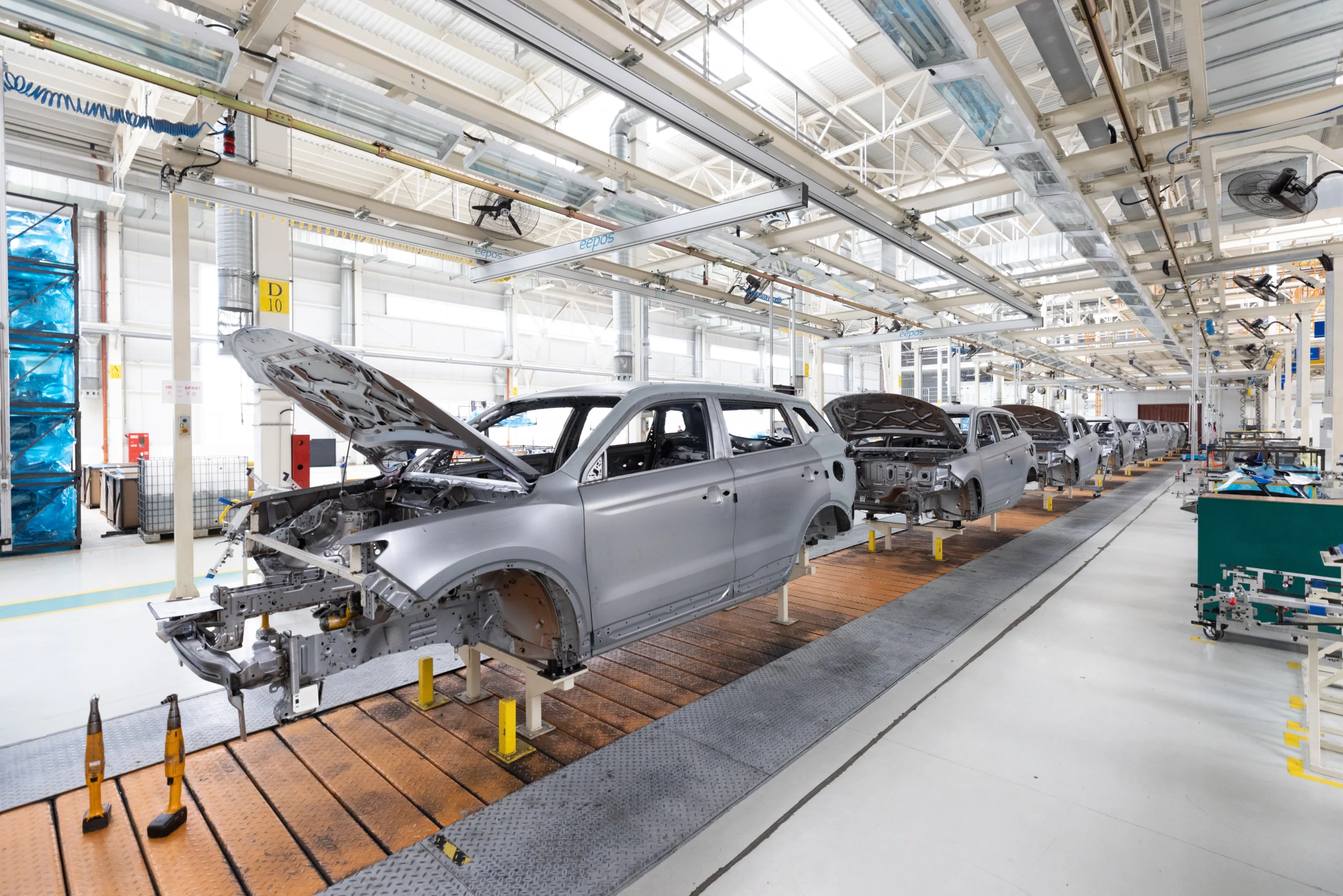
How Dry Air Impacts Automotive Manufacturing Quality
Discover how low humidity affects automotive manufacturing, from static electricity risks to coating defects, material instability, and assembly inconsistencies.
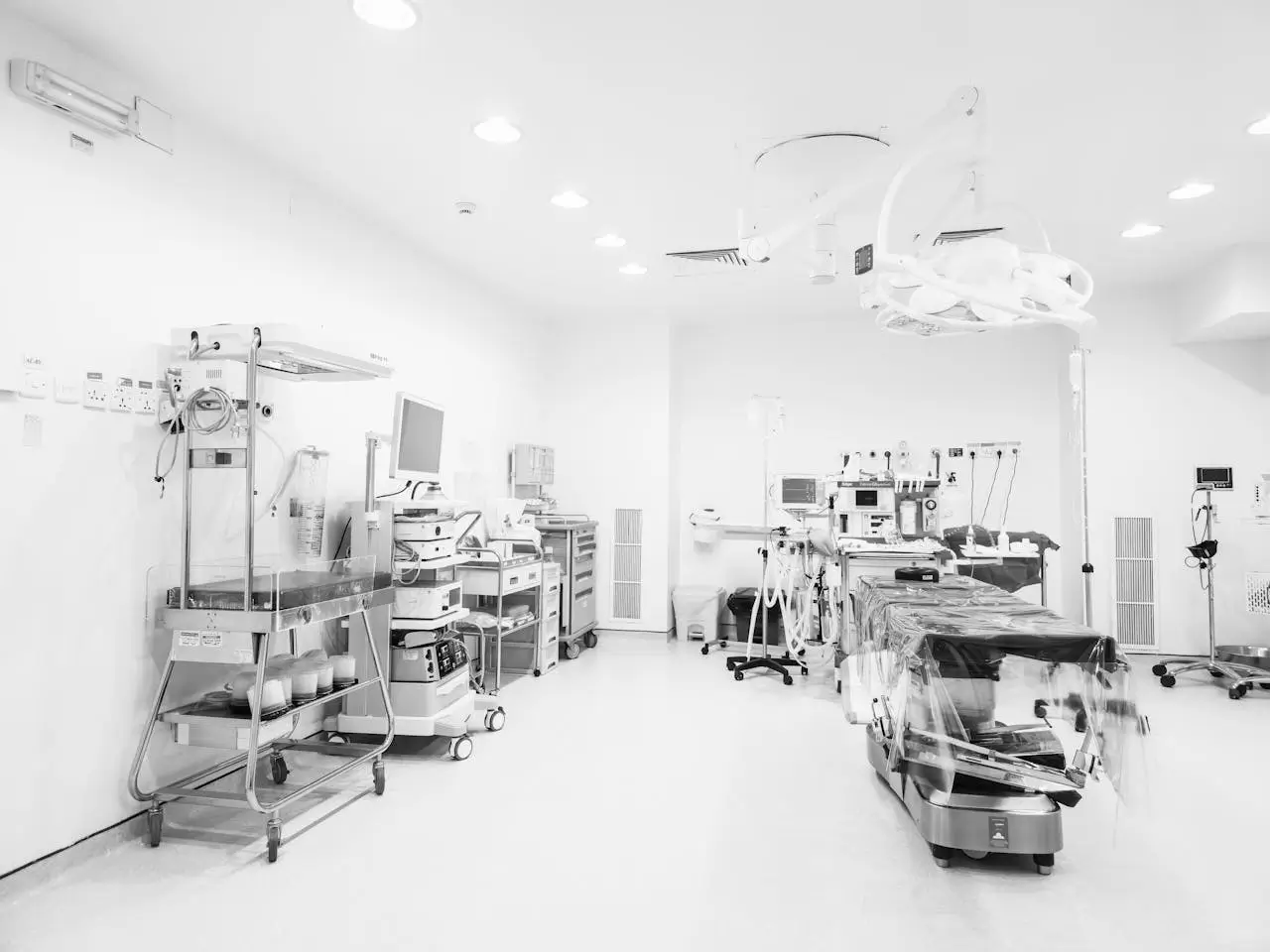
Recommended Humidity Levels for Hospitals
Recommended humidity levels in hospitals help maintain stable indoor air conditions that support infection prevention, equipment reliability, and patient comfort. Proper HVAC control ensures relative humidity remains within safe clinical ranges.

How Humidity Control Supports Infection Prevention
Humidity control plays an important role in infection prevention by influencing airborne particle behavior and indoor environmental stability. Maintaining balanced humidity supports air consistency, occupant comfort, and safer indoor conditions in healthcare facilities.

Environmental Risks in Healthcare Facilities
Environmental risks in healthcare facilities can impact patient safety, infection prevention, and equipment reliability. Managing indoor air quality, humidity, and ventilation helps maintain stable clinical environments and supports effective facility operations.
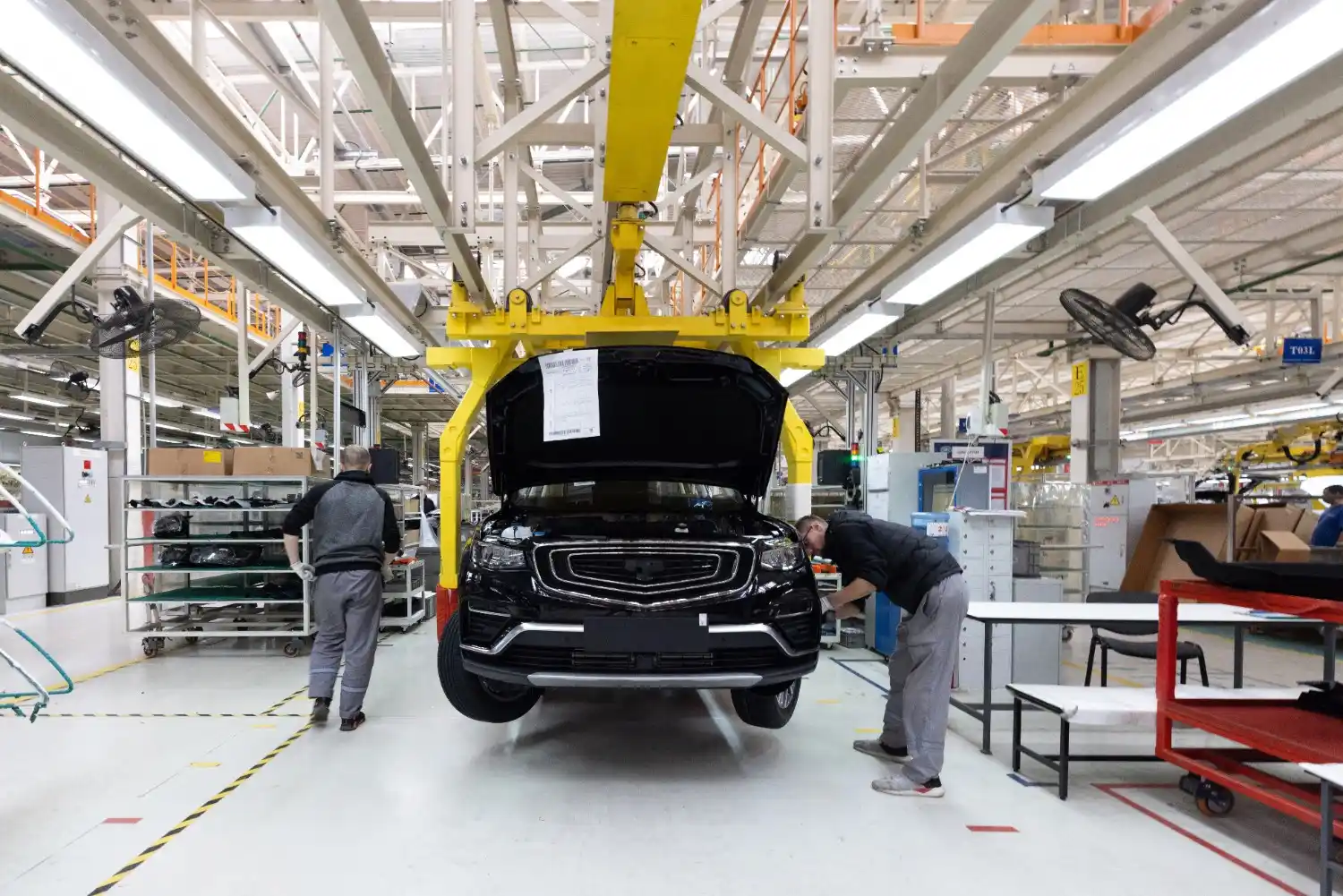
Static Electricity Risks in Automotive Plants: Causes, Impacts, and Prevention Strategies
Explore the causes, impacts, and prevention strategies for static electricity in automotive plants, including humidity control, grounding, and ESD protection.
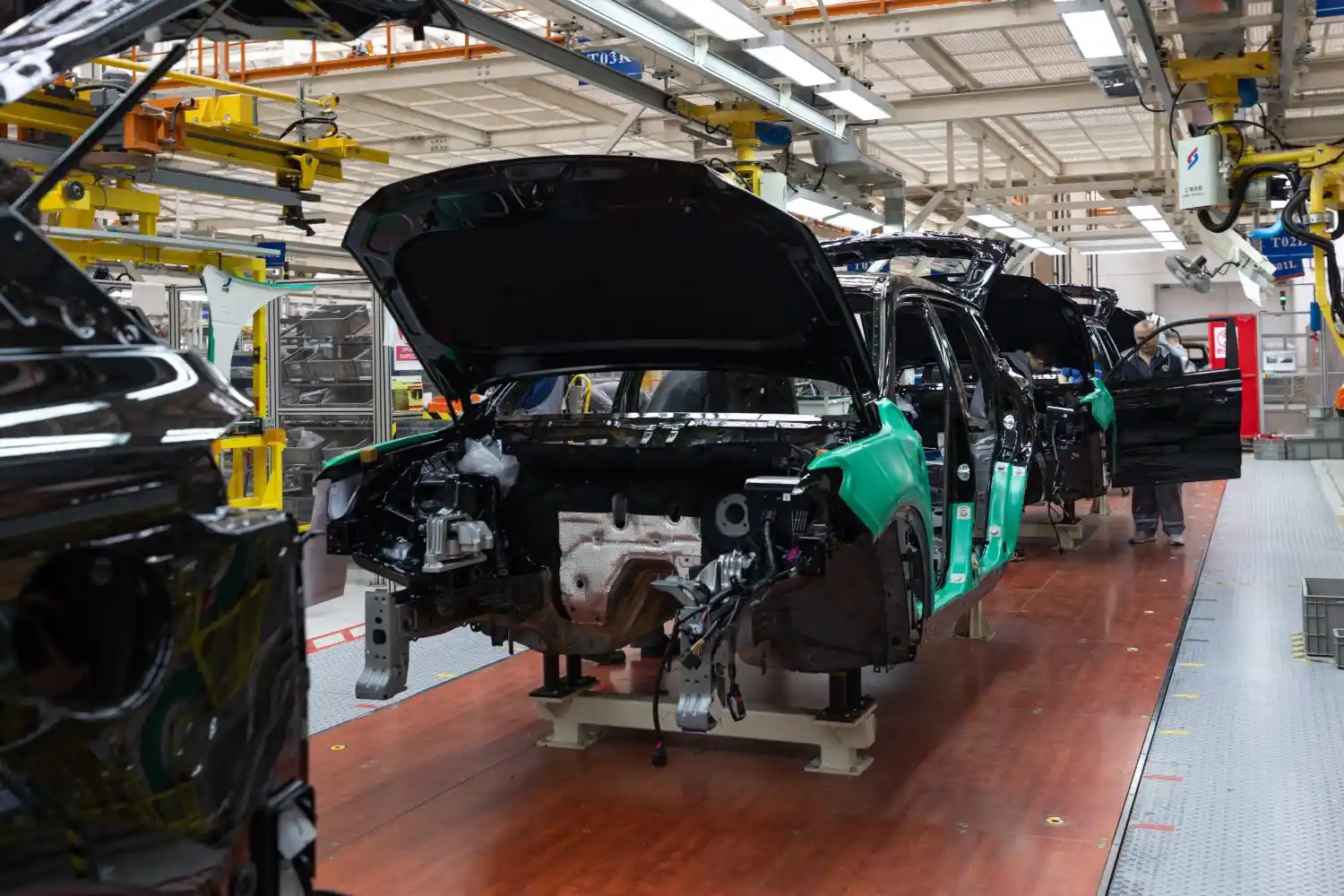
Environmental Causes of Production Defects in Automotive Facilities: Risks, Impacts, and Prevention
Explore how environmental factors like humidity, temperature changes, static electricity, and airborne contamination create production defects in automotive manufacturing facilities.
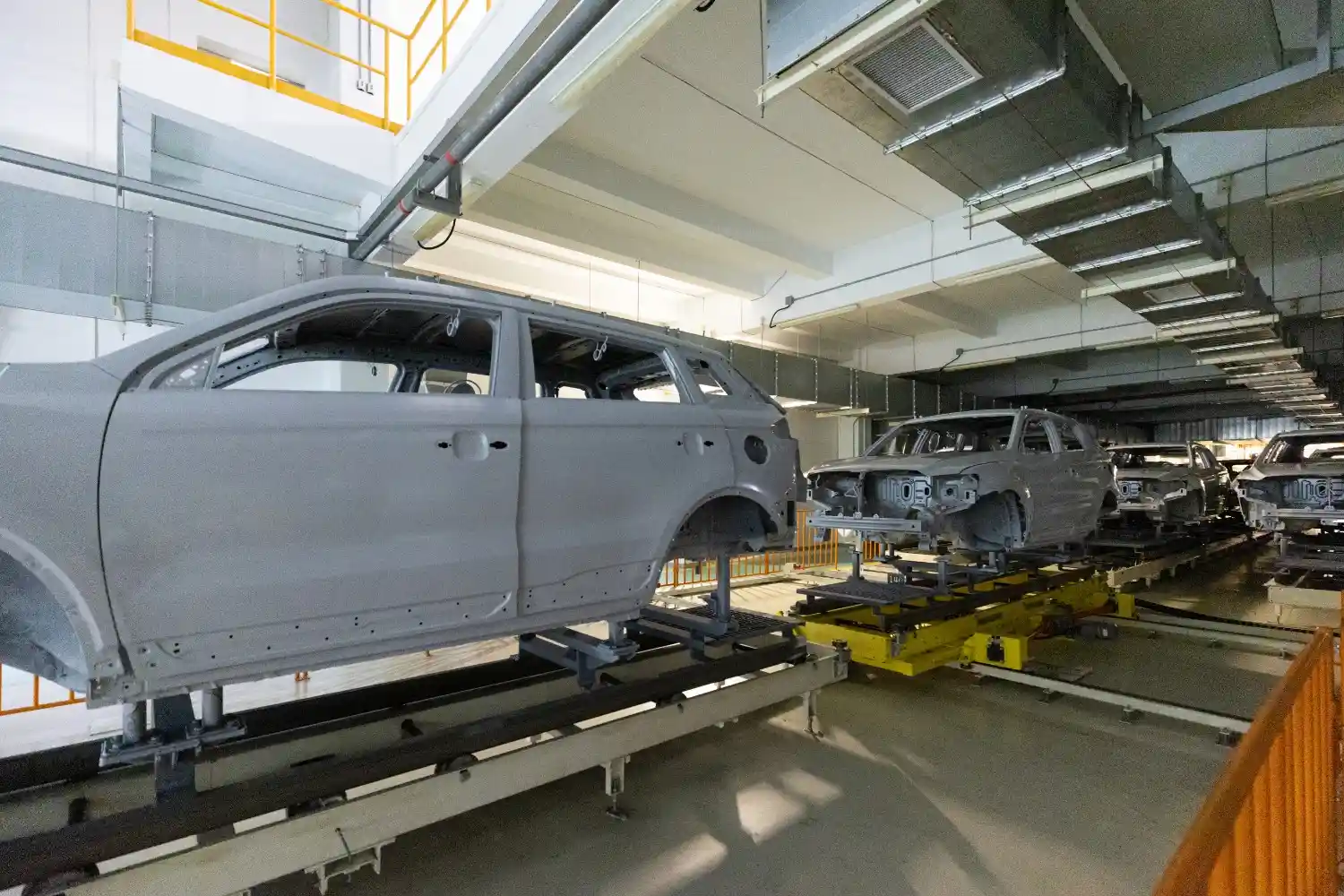
Ideal Humidity Levels for Automotive Manufacturing: Recommended Ranges and Best Practices
Explore recommended humidity ranges for automotive manufacturing and how stable environmental control improves coating quality, assembly accuracy, and electronics protection.