


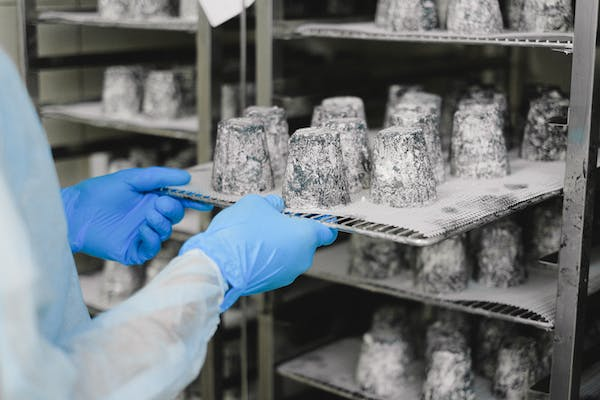
Maintaining Optimal Humidity Levels in Food and Beverage Plants
Humidity control is essential for food and beverage manufacturers to protect product quality, support food safety, and meet regulatory requirements. This guide explains the recommended humidity ranges for different production zones, how poor humidity management contributes to microbial growth and condensation, and the monitoring and humidification strategies that help facilities maintain consistent, compliant operating conditions.

Humidifiers for Children: Health Benefits, Safety Rules, and the Right Type for Your Child’s Room
Humidifiers can help relieve dry air discomfort for children, but their benefits depend on safe use, proper maintenance, and keeping indoor humidity within the recommended range. This guide explains how humidifiers support respiratory health, skin comfort, and sleep, which type is safest for babies and toddlers, and the best practices for cleaning, placement, and humidity control.

Data Center Cooling: Methods, Technologies, and the Role of Evaporative Systems
Data center cooling is essential for managing the growing heat loads generated by modern IT infrastructure while maintaining the environmental conditions needed for reliable operation. In this article, you’ll learn how air, liquid, and evaporative cooling technologies compare, where each solution performs best, and how precise temperature and humidity control help improve energy efficiency, equipment protection, and long-term data center performance.
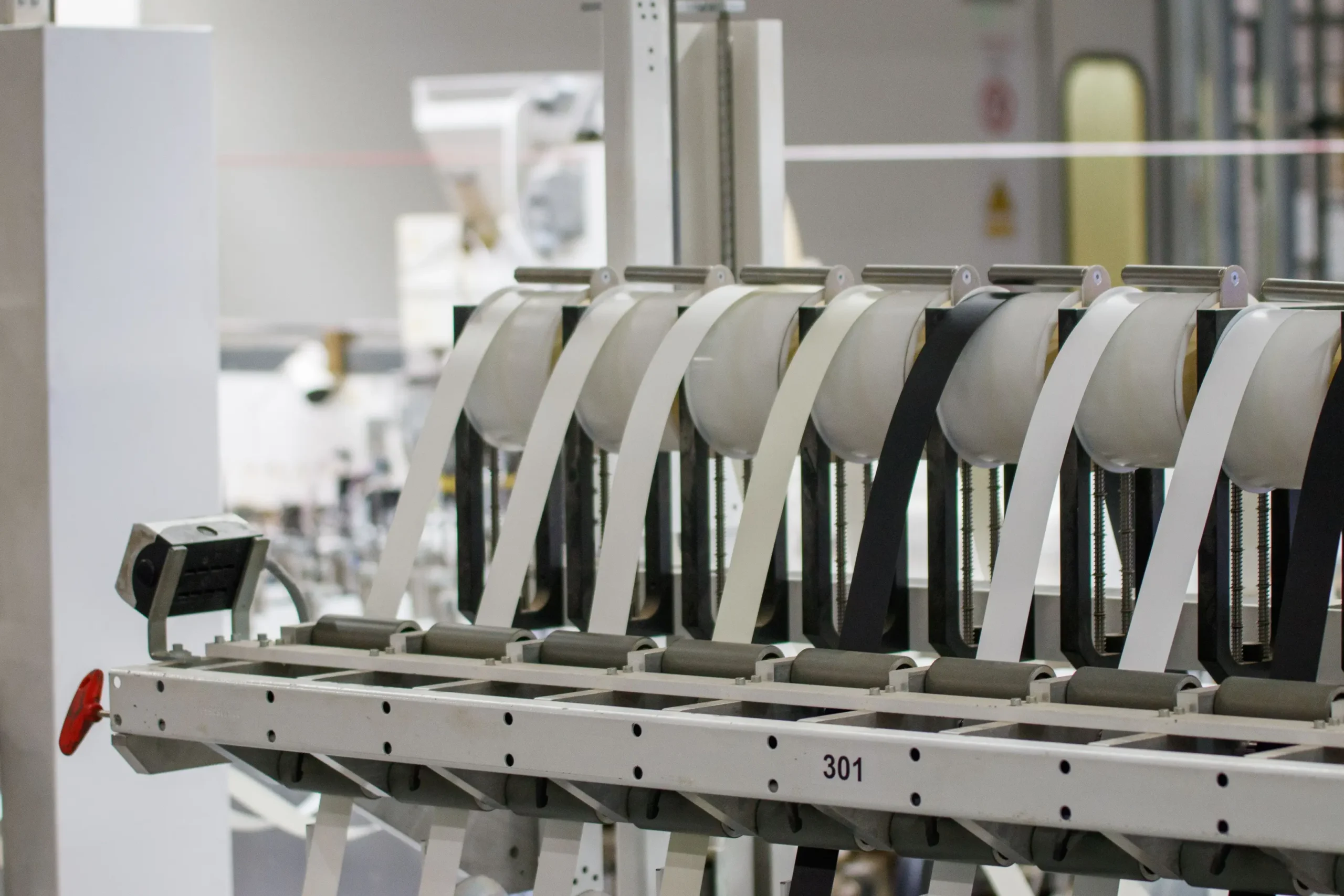
Static Charge Elimination in Printing: Fixing Paper Misfeeds, Ink Misting, and Registration Errors
Static electricity is a common cause of paper jams, ink misting, and registration errors in printing environments, leading to wasted materials and interrupted production. In this article, you’ll learn how static charges develop during printing operations, compare the main elimination methods available, and discover how humidity control can prevent static buildup across an entire facility.
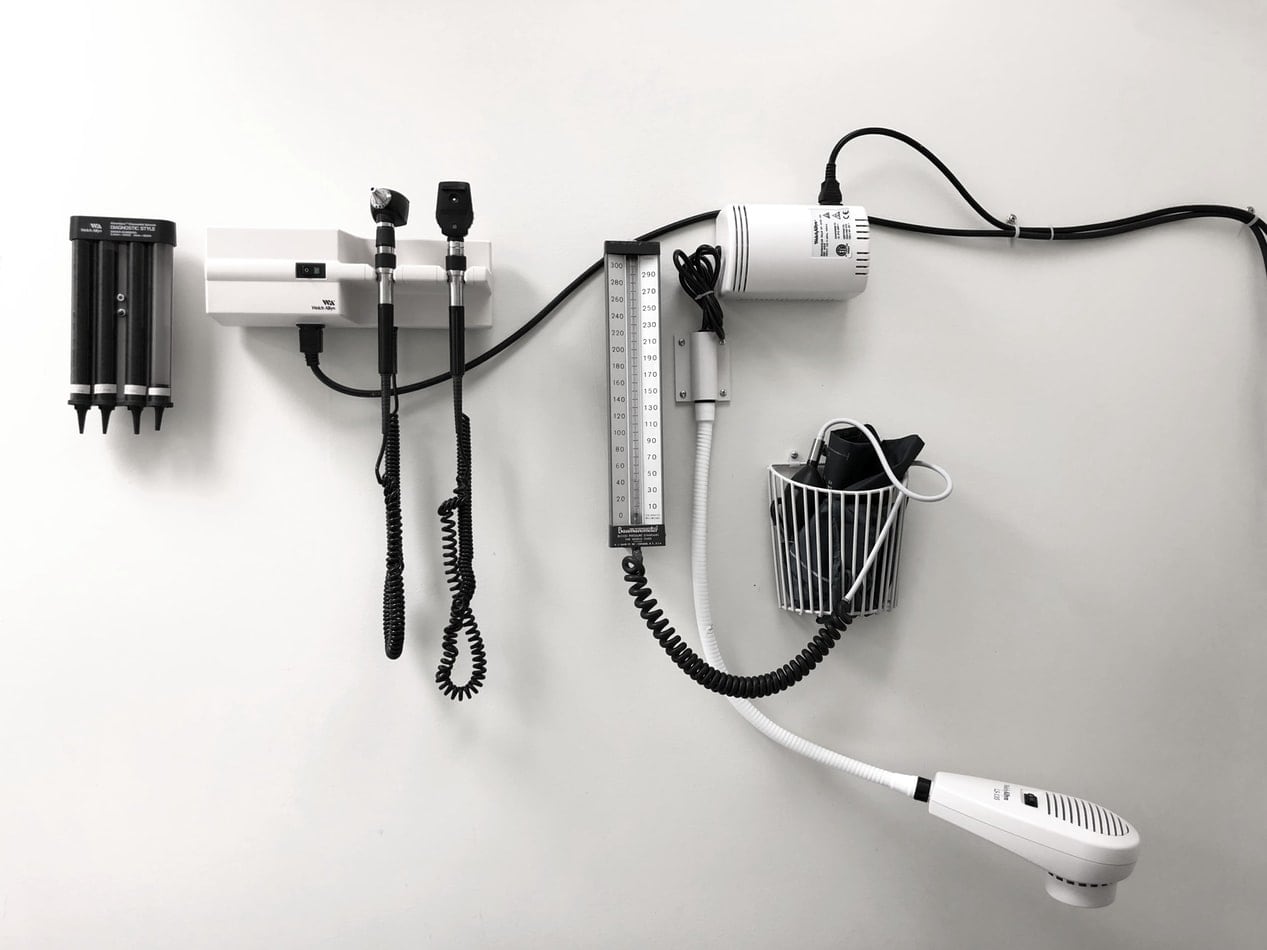
Medical Office Humidifiers: Compliance, Infection Control, and What to Specify
Medical offices must maintain the right indoor humidity to support patient comfort, infection control, and regulatory compliance. This guide explains the humidity standards that apply to clinical spaces, how different humidification technologies compare, and the key factors to consider when selecting a commercial system that delivers precise, reliable, and compliant humidity control.
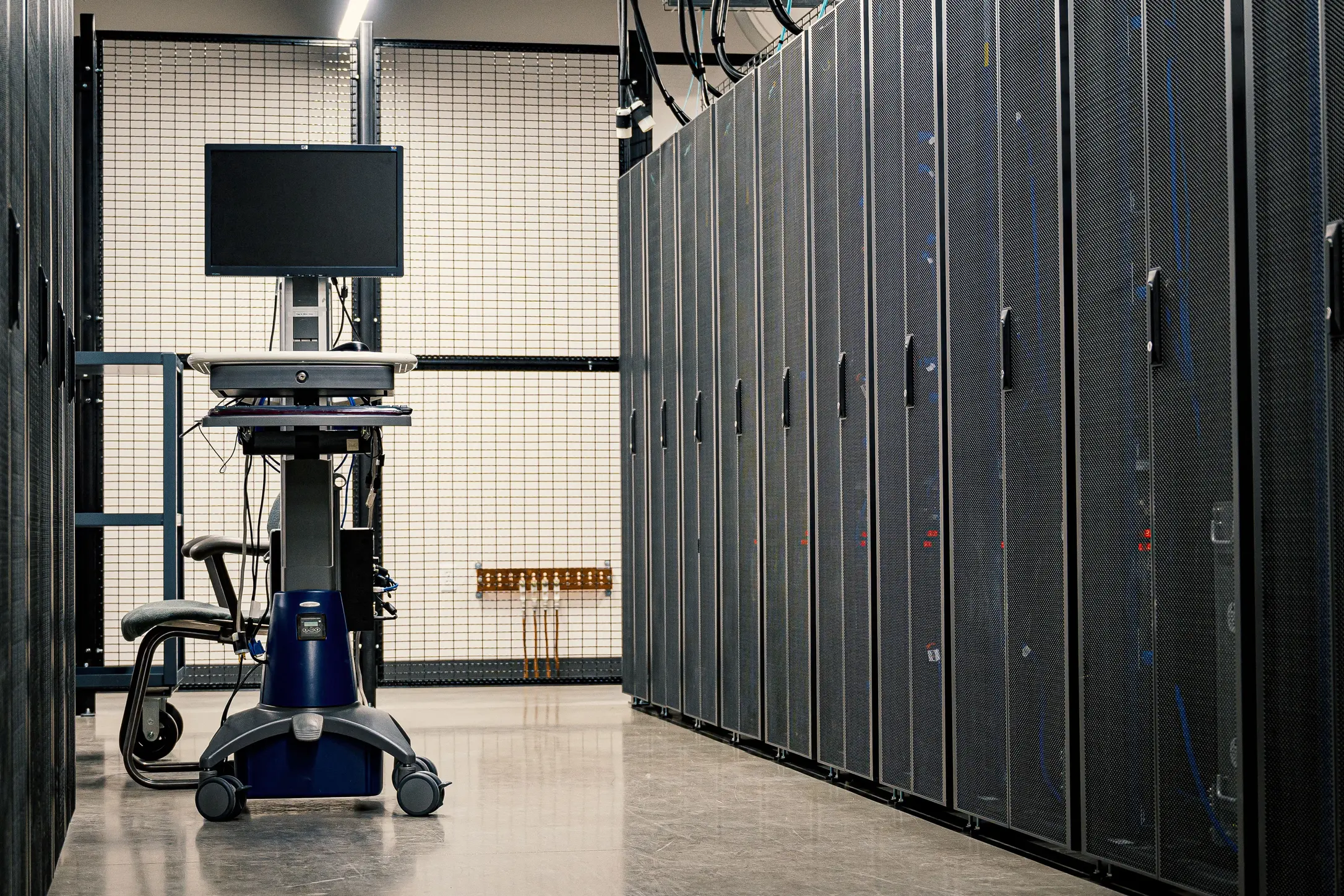
Data Center Cooling: Methods, Technologies, and the Role of Evaporative Systems
Data center cooling is about more than removing heat. It requires balancing temperature, humidity, energy efficiency, and equipment protection to maintain reliable operations. In this article, you’ll learn how air, liquid, and evaporative cooling technologies work, where each approach is most effective, and how precision environmental control helps improve efficiency while reducing risks such as overheating and electrostatic discharge.
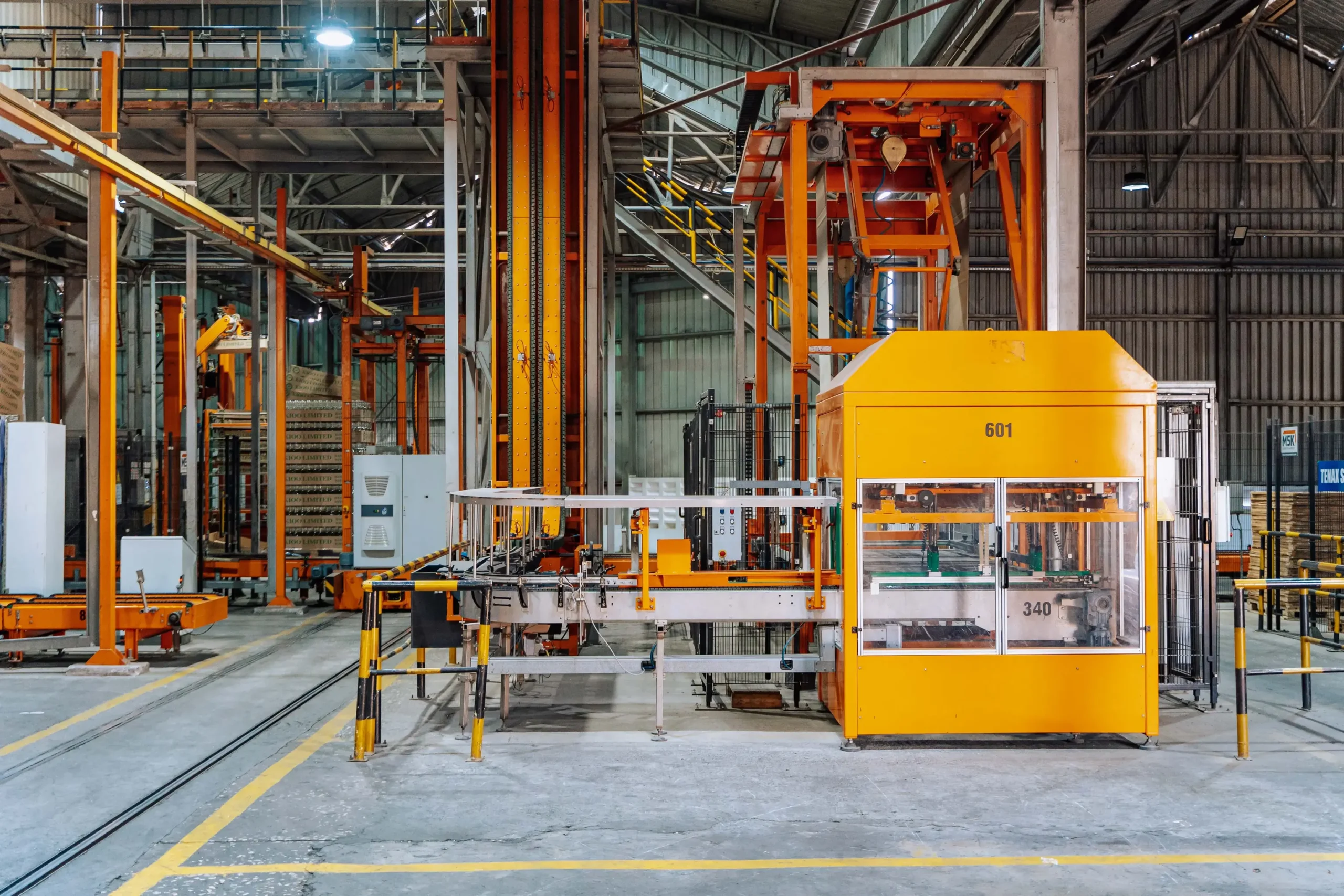
Static Elimination for Manufacturing: Process-by-Process Guide for Facility Managers
Paint booth defects such as fish-eyes, dust contamination, and excessive overspray are often caused by static electricity that attracts particles and disrupts paint transfer. In this article, you’ll learn how static builds up during painting operations, how it affects finish quality and material efficiency, and which static elimination methods help deliver cleaner, more consistent results.

How Industrial Humidifiers Work to Maintain Cold-Stored Produce Longer
Produce freshness depends on maintaining precise relative humidity throughout cold storage. This guide explains the science behind moisture loss, the RH requirements of specific commodity types, and how industrial humidification systems are engineered to meet those demands.
How Rain and Humidity Are Connected
Humidity measures the amount of water vapor in the air, and rain affects it in ways that depend on scale, temperature, and how close the air is to saturation. This article explains the science behind the rain-humidity relationship and what it means for indoor environments.