


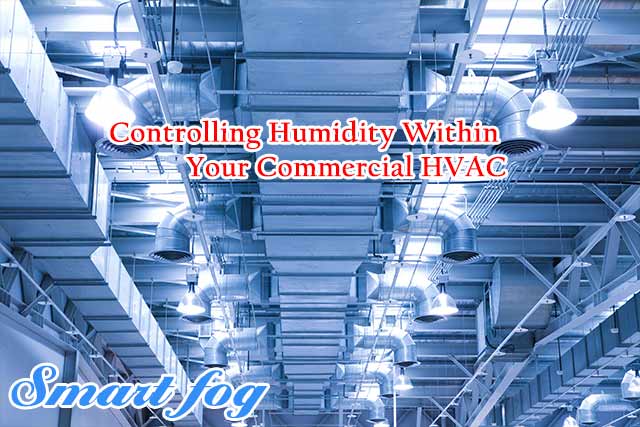
HVAC Humidity Control: A Commercial Facility Guide
Commercial HVAC systems alone rarely maintain stable relative humidity. This guide covers system types, ASHRAE targets, facility-specific requirements, and how to specify the right humidity control approach for your building.
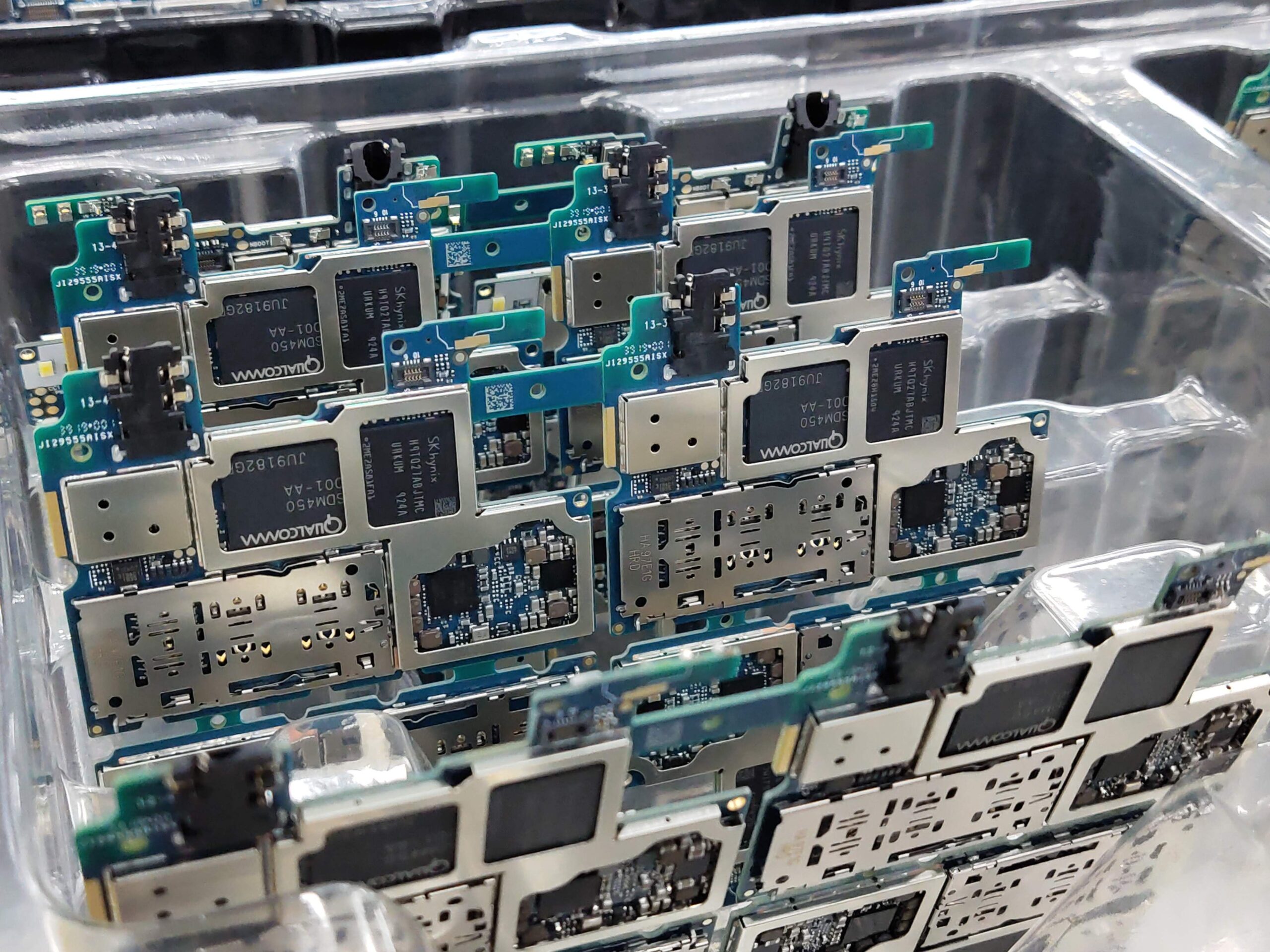
ESD Damage: What It Costs, How It Happens, and How to Prevent It
ESD damage costs electronics manufacturers billions each year, with most failures remaining hidden until products reach the field. Learn how electrostatic discharge occurs, why low humidity increases risk, and the most effective methods for preventing costly component failures and warranty claims.
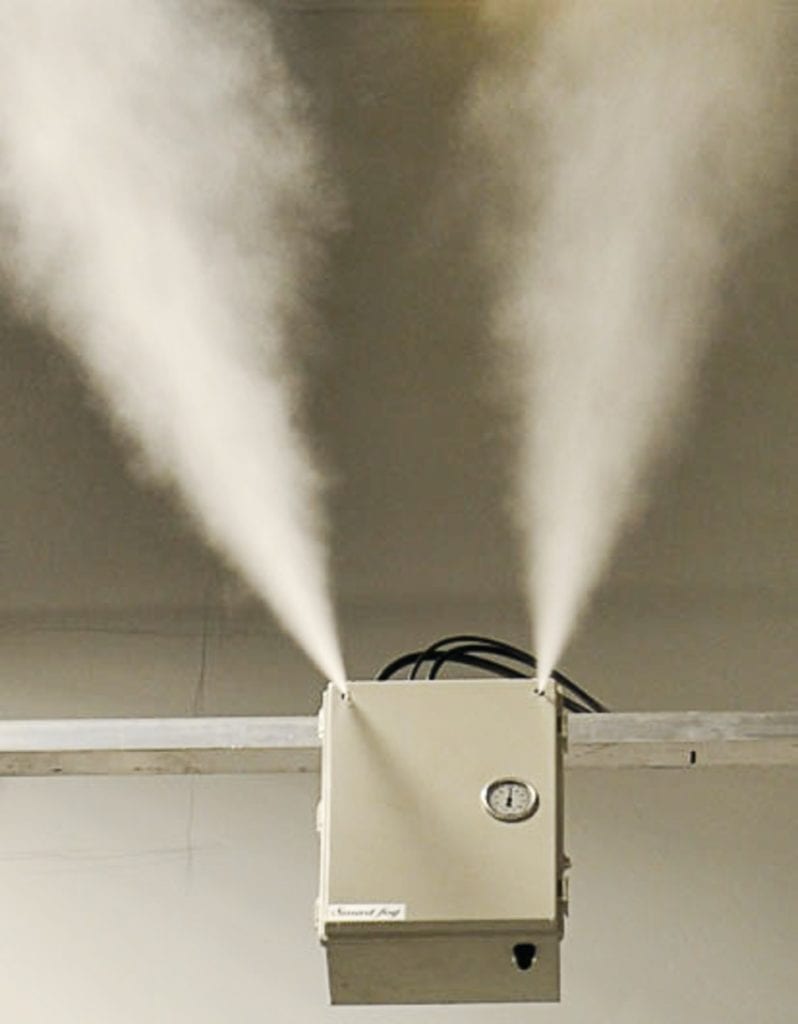
How Long Does a Humidification System Last? Lifespan by Type and What Shortens It
Humidifier lifespan depends on system type, water quality, maintenance habits, and build quality. This guide breaks down realistic service life by technology type and explains what causes industrial systems to outlast portable units by decades.
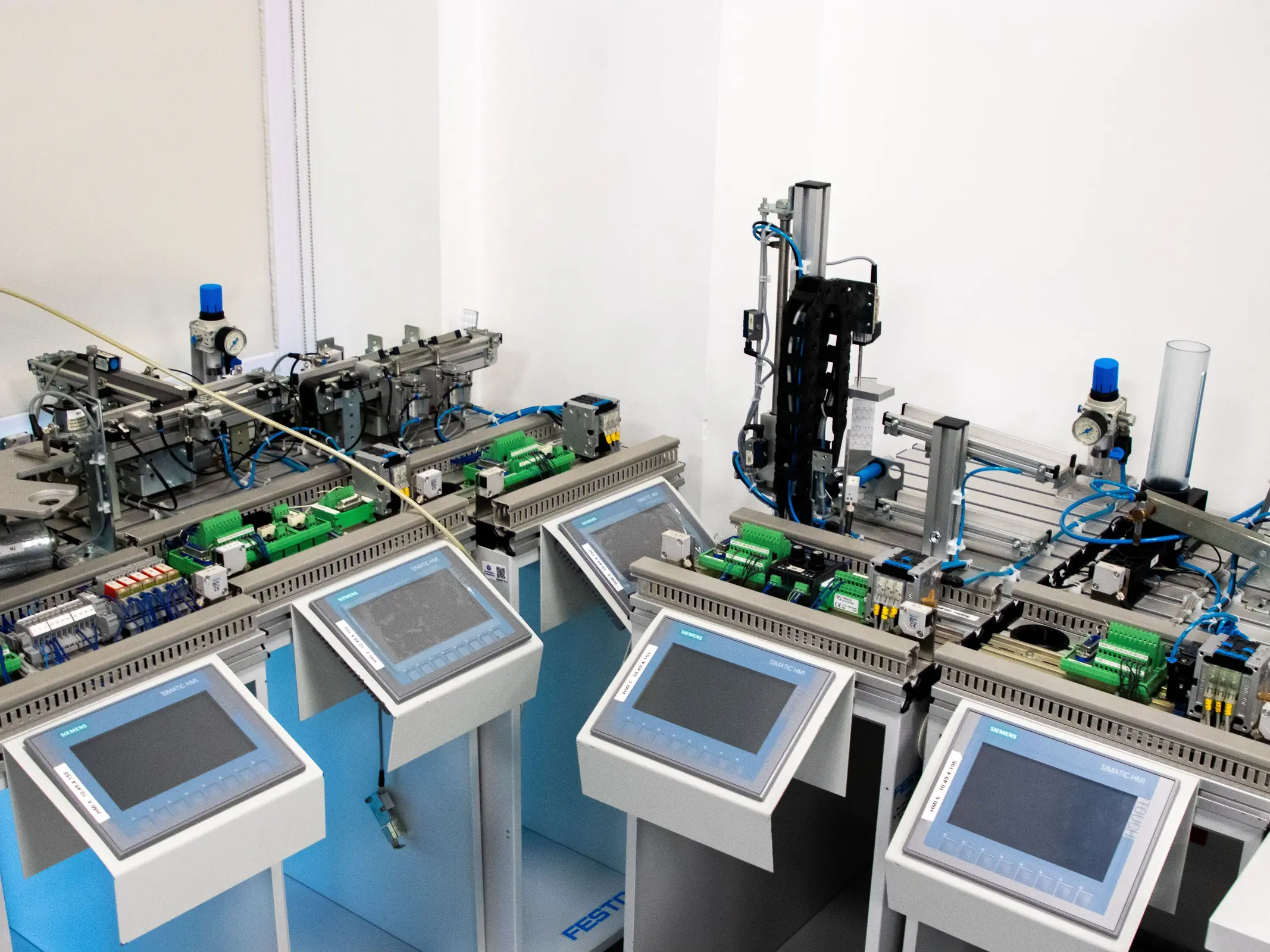
ESD Flooring Testing: Standards, Methods, and Pass/Fail Criteria
ESD flooring testing verifies that static-control floors meet ANSI/ESD S7.1 requirements for safely dissipating electrostatic charges in electronics manufacturing and other sensitive environments. This guide explains the required resistance measurements, testing procedures, pass/fail criteria, equipment requirements, and the critical role environmental conditions play in obtaining accurate, compliant results.
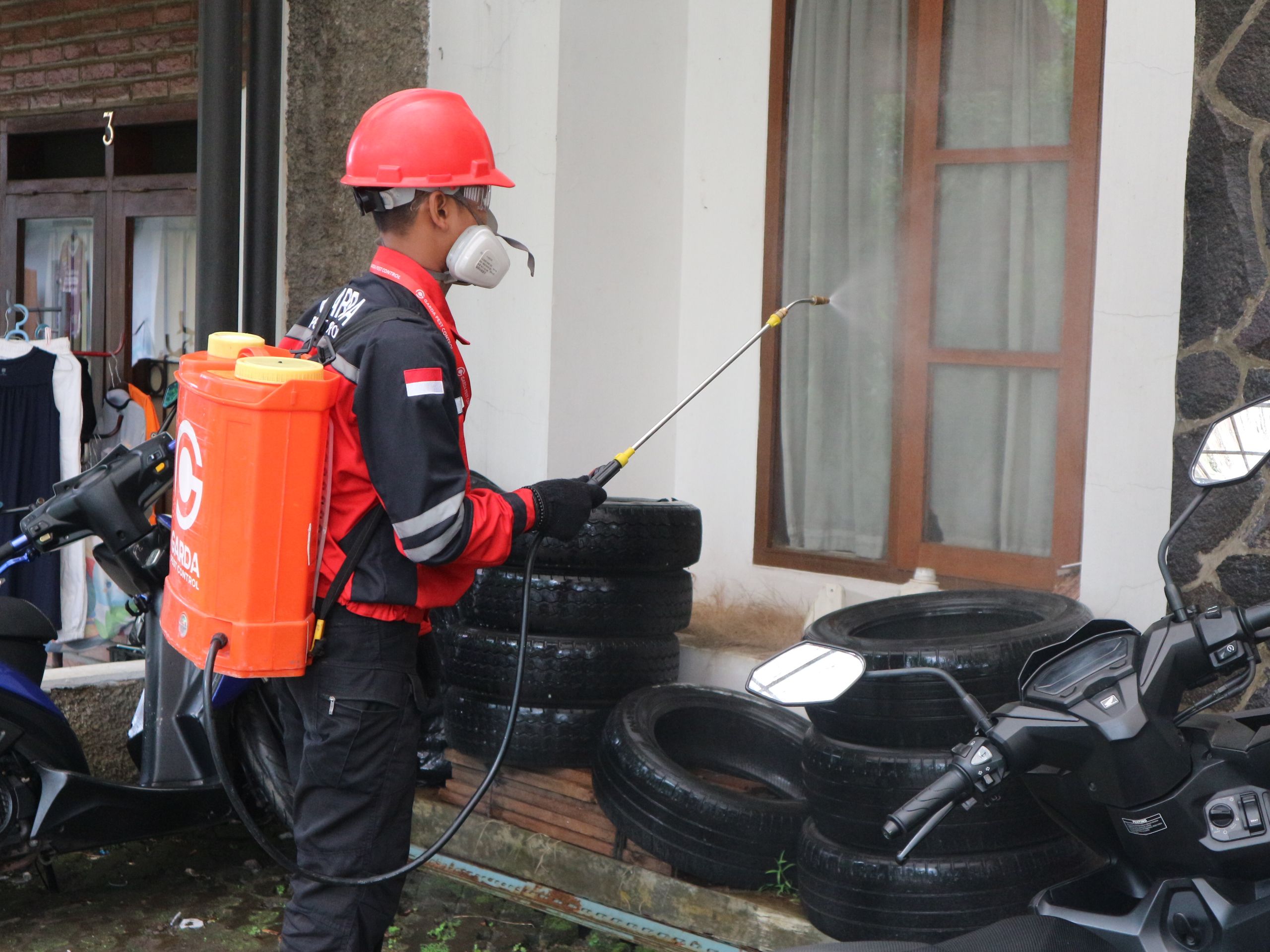
Electrostatic Sprayers: How They Work, Uses, and How They Compare to Fogging
Electrostatic sprayers use electrically charged disinfectant droplets to improve surface coverage, helping droplets wrap around conductive surfaces rather than travelling in a straight spray pattern. This guide explains how electrostatic spraying works, where it is most effective, its limitations on non-conductive materials, and how it compares with fogging systems that achieve uniform coverage through droplet engineering rather than electrical charge.
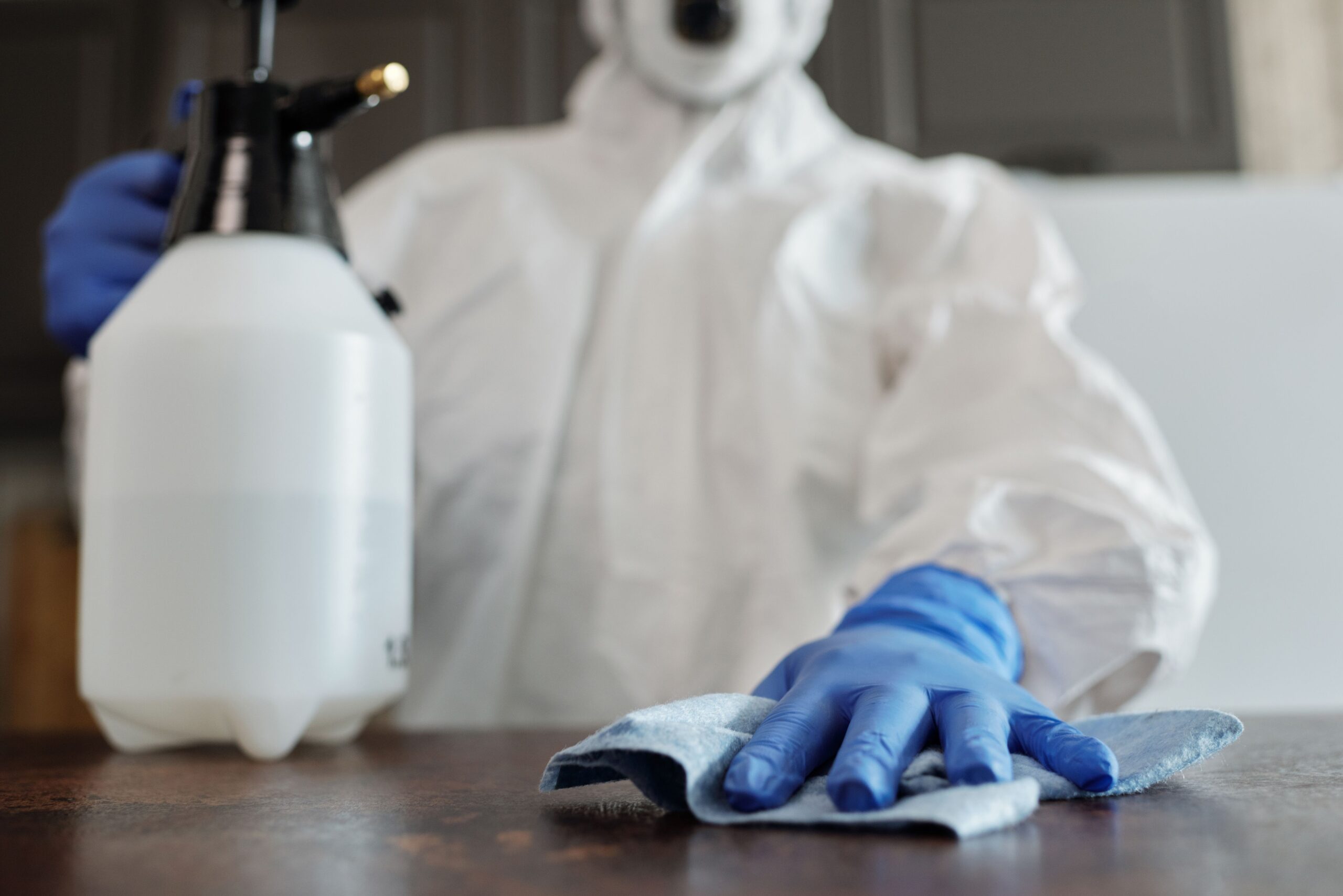
Anti-Static Control: Materials, Methods, and Environments That Eliminate Static
Anti-static control requires more than wrist straps and ionizers. Effective static elimination depends on a coordinated approach that combines conductive materials, grounding systems, ionization equipment, and environmental humidity control. This guide explains how each method works, where it fits within a comprehensive ESD program, and why maintaining optimal humidity levels often provides the most effective way to prevent static buildup before it becomes a problem.

Benefits of an In-Duct Humidifier: What Facility Managers Need to Know
In-duct humidifiers introduce moisture directly into a forced air system, delivering consistent humidity across every room or zone the ductwork serves. This article explains the core benefits, how in-vent systems work mechanically, and what facility managers should evaluate before selecting one.

Solenoid Valve Troubleshooting: How to Fix, Clean, and Maintain Stuck Valves
Solenoid valve failures can lead to downtime, reduced system performance, and costly maintenance if not diagnosed quickly. In this article, you’ll learn how to identify common electrical and mechanical valve issues, carry out effective troubleshooting and cleaning procedures, and implement preventive maintenance practices that help extend service life and improve reliability.
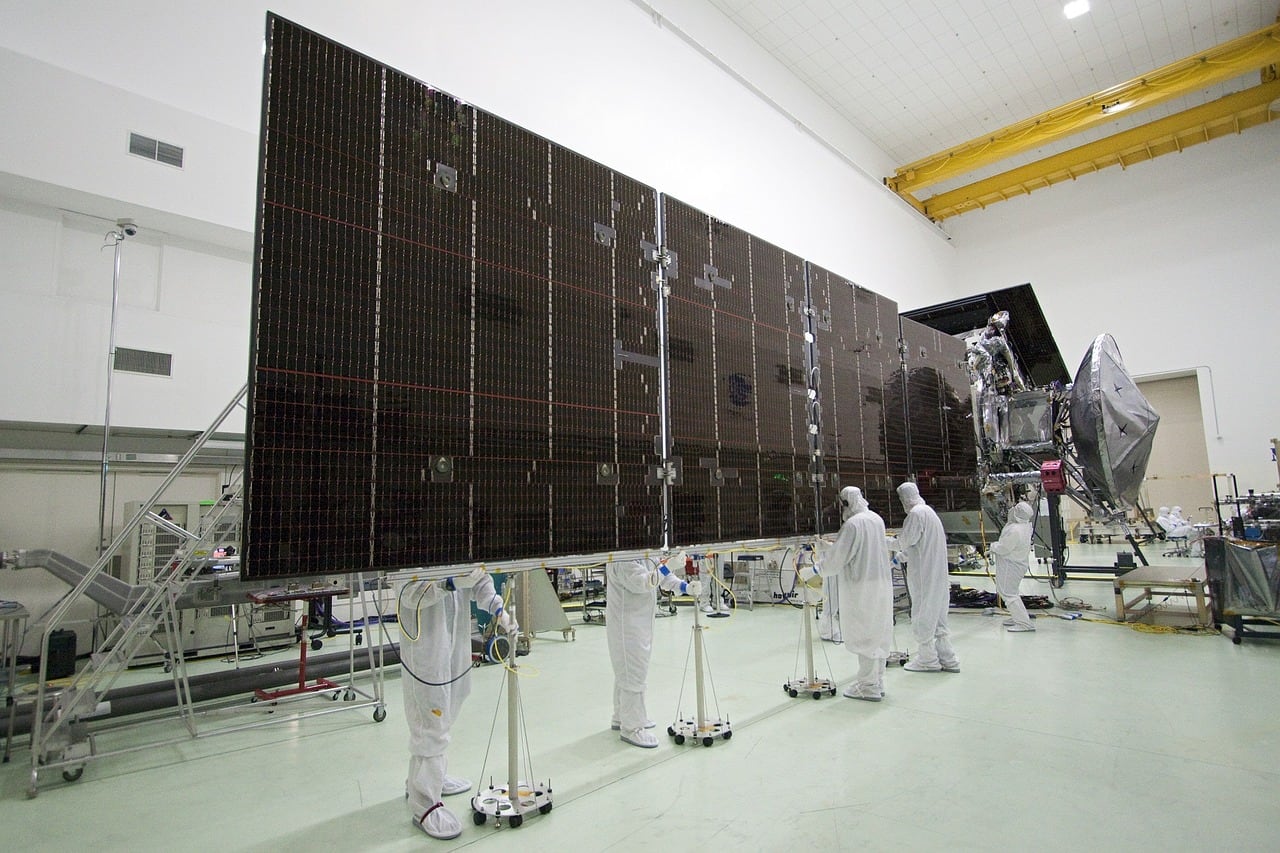
Does Low Humidity Cause Static Electricity in Cleanrooms and Laboratories?
In cleanrooms and laboratories, low humidity is one of the primary drivers of static electricity buildup. This guide explains the physics behind it and the operational risks it creates for sensitive environments.