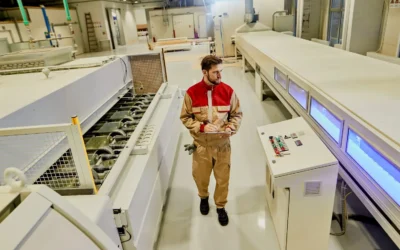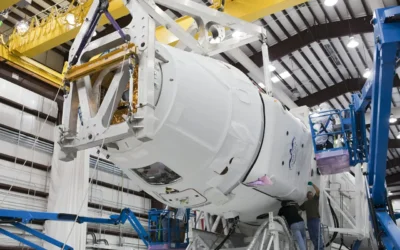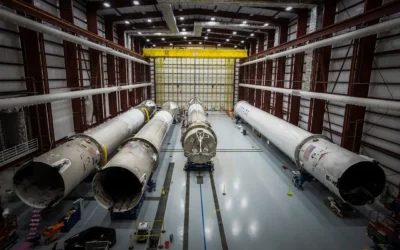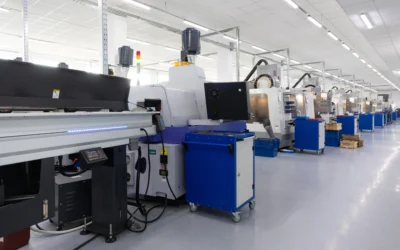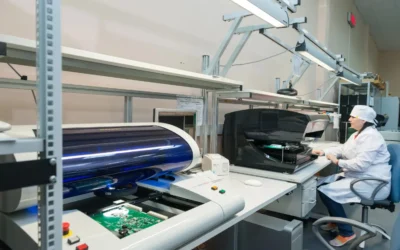



Temperature control alone cannot ensure stable aerospace manufacturing. Humidity and airflow directly affect composite behavior, electronic performance, and process consistency. True environmental control integrates moisture balance and air distribution to protect precision, tolerances, and long-term reliability.
Ido Goldstein
Chief Technology Officer at Smart Fog
Author
Ido Goldstein is a technology innovator with deep expertise in humidity engineering, climate control, and non-wetting fog systems. He has spent years advancing energy-efficient and water-smart solutions that help industries like cleanrooms, data centers, wineries, and greenhouses maintain precise environmental control.
Passionate about technology with real-world impact, Ido also supports sustainable agriculture initiatives and nonprofit innovation. Through this blog, he shares practical insights on HVAC advancements, indoor air quality, and the science behind high-performing environments.
Humidity and Static Control in Industrial Printing Rooms
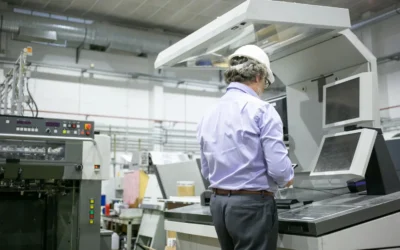
Humidity and static control in industrial printing rooms help prevent paper jams, misfeeds, and print defects by stabilizing relative humidity, improving material handling, and ensuring consistent print quality and operational efficiency.
How Static Electricity Impacts Aerospace Manufacturing
Static electricity can seriously disrupt aerospace manufacturing operations. Even small electrostatic discharge events may damage sensitive avionics or introduce hidden reliability risks. Structured ESD control and environmental stability are essential for protecting high-value components and ensuring safety.
How Low Humidity Causes Print Quality Issues
Low humidity in printing rooms disrupts ink transfer, increases static electricity, and causes paper curling, misfeeds, and inconsistent print output, leading to defects, waste, and reduced production efficiency.
Common Environmental Risks in Aerospace Production Facilities
Aerospace production operates within extremely tight performance and safety margins. Even small shifts in temperature, humidity, or air quality can disrupt material stability and process consistency. Controlling environmental risks is essential to protect precision, reliability, and long-term component performance.
How Humidity Control Reduces Static in Paint Booths
Humidity control reduces static in paint booths by stabilizing relative humidity, improving charge dissipation, minimizing overspray, and supporting consistent coating transfer, finish quality, and predictable spray performance.
How Dry Air Affects Aerospace Component Precision
Dry air can reduce aerospace component precision by causing moisture loss, shrinkage, and static buildup. Stable humidity control helps maintain tight tolerances and protect sensitive systems.
How Dry Air Impacts Ink Transfer
Dry air in printing environments disrupts ink transfer, adhesion, and substrate interaction, causing uneven coverage and streaking across print runs. Stable humidity reduces evaporation and supports ink behavior well.
Environmental Factors That Damage Print Consistency
Environmental factors like temperature changes, low or high humidity, airflow instability, and airborne contaminants can disrupt print consistency, causing defects, misregistration, static issues, and increased waste in printing operations.
Environmental Design Best Practices for Printing Rooms
Environmental design in printing rooms stabilizes humidity, airflow, and temperature to support consistent ink transfer, substrate stability, and print quality while reducing defects, static buildup, and environmental variability across production zones.