- Saturation occurs when air holds the maximum amount of water vapor possible.
- Reaching peak moisture levels does not guarantee indoor rain.
- Temperature changes are the primary driver of condensation in homes.
- High moisture levels often lead to a heavy or sticky feeling in the air.
- Monitoring indoor climate helps prevent mold and structural damage.
What 100% Humidity Actually Means
Many people assume that 100% humidity means the air has turned into water, but that is not what it means. It simply means the air has reached its moisture limit at its current temperature.The Science Behind Relative Humidity
Relative humidity shows how much water vapor is in the air compared to the maximum amount the air can hold at a specific temperature. It tells you how close the air is to saturation, not how much liquid water is present. This is different from absolute humidity, which measures the actual amount of water vapor in a given volume of air. Relative humidity is more useful in daily conditions because it explains why the air can feel dry, comfortable, or heavy depending on temperature. Temperature has a direct effect on how humidity behaves. Warm air can hold more moisture than cold air, which is why air with a lower relative humidity can sometimes contain more water vapor than cooler air with a higher relative humidity.Why 100% RH Does Not Mean the Air Is Made of Water
A relative humidity of 100% means the air is fully saturated at that temperature. It does not mean the air has become liquid or that the room is filled with water instead of air. Air is still a mixture of gases, and water vapor is only one part of it. When the temperature drops, the air can no longer hold the same amount of moisture, and that extra moisture begins to condense into liquid water. That is why 100% humidity can lead to fog, dew, or moisture on surfaces without making the air itself turn into water. Saturation and visible water are related, but they are not the same thing.What Happens When Air Reaches 100% Humidity
When air reaches 100% humidity, it has reached the maximum amount of moisture it can hold at that temperature. At that point, even a small drop in temperature can cause some of that water vapor to turn into liquid.Saturation, Dew Point, and Condensation Explained
The amount of water vapor the air can hold depends strongly on temperature. Warm air holds more moisture, while cooler air reaches saturation more quickly. The dew point is the temperature at which air becomes fully saturated and condensation begins. Once the air cools to that point, excess moisture starts forming into tiny droplets, which is why dew and fog often appear when temperatures fall.Why It Does Not Always Rain at 100% Humidity
A humidity level of 100% does not automatically mean rain will fall. Saturated air still needs the right conditions for moisture to gather into droplets large enough to become precipitation. Temperature plays a major role in what happens next. Here is how it usually affects moisture behavior:- Cold air: Cold air holds less moisture, so it reaches saturation more easily and has a higher chance of producing visible condensation.
- Mild air: Air at moderate temperatures can hold more moisture, so it may feel humid without immediately producing visible water.
- Hot air: Warm air can hold much more moisture, which means it may still feel very humid before condensation starts to form.
Can It Rain Indoors? What 100% Humidity Looks Like Inside a Building
The idea of rain falling inside a building sounds unusual, but indoor moisture can become visible when humidity gets too high. In most cases, this does not look like actual rainfall. It usually appears as condensation, damp surfaces, or a foggy feeling in the air.When Indoor Air Reaches Saturation
Every indoor space has a limit to how much water vapor the air can hold. Once the air reaches that limit, it is fully saturated and cannot keep extra moisture suspended in the same way. If the temperature drops or the air comes into contact with a colder surface, some of that moisture starts turning into liquid. That is the point where indoor humidity becomes visible rather than remaining hidden in the air.Condensation on Surfaces vs. True Precipitation
Most of the time, high indoor humidity shows up as condensation, not indoor rain. Moisture collects on cooler areas such as windows, metal pipes, or poorly insulated walls because those surfaces cool the surrounding air enough to trigger condensation. Actual droplets falling through the air are far less common and usually require more extreme indoor conditions. This is more likely in very large industrial spaces where temperature differences and moisture levels are much more severe. A few key differences help explain what this can look like indoors:- Surface condensation: This is the most common result of high indoor humidity. It usually appears as beads of water on windows, walls, pipes, or other cool surfaces.
- Indoor precipitation: This is rare and usually happens only in large spaces with rapid cooling and unusually high moisture levels, where droplets can form while still suspended in the air.
- Structural risk: Both visible condensation and more severe moisture buildup can increase the risk of mold, material damage, and long-term indoor air quality problems.
What 100% Humidity Feels Like and Why It Is So Uncomfortable
Air at 100% humidity often feels heavy, sticky, and harder to tolerate. Even when the temperature is not extremely high, the body can feel hotter because humid air makes it harder to cool down normally.How High Humidity Blocks the Body’s Cooling Mechanism
Your body cools itself by releasing sweat, which normally evaporates and carries heat away from the skin. In very humid conditions, that process slows down because the air cannot easily take in more moisture. As a result, sweat stays on the skin longer and cooling becomes less effective. This is why humid heat often feels more uncomfortable than dry heat, even at similar temperatures. A few common conditions show how humidity changes physical comfort:- Dry heat: Sweat evaporates more easily, so the body can cool itself more efficiently and the air often feels easier to tolerate.
- Moderate humidity: Cooling still happens, but less efficiently, so the air may start to feel warmer and more uncomfortable.
- Saturated air: At very high humidity, evaporation slows sharply, which can leave the body feeling overheated, sticky, and drained.
Health Effects of Prolonged Exposure to Saturated Air
Long exposure to very humid air can put extra stress on the body, especially in warm conditions. When heat cannot escape efficiently, the risk of overheating becomes much higher. This is why high humidity can make hot weather feel more difficult than expected. If sweat is not drying and the air feels heavy for long periods, it is important to stay hydrated, reduce heat exposure, and move into a cooler, controlled environment when possible.Is 100% Humidity Ever Useful? Industrial and Commercial Applications
High humidity is uncomfortable for people, but in controlled environments it can be useful for specific industrial processes. Some facilities need very high moisture levels to protect materials, improve process stability, or reduce problems caused by dry air.Industries That Operate at or Near High RH
Some industries rely on high humidity because dry air can affect material quality, product consistency, or static control. In these environments, keeping moisture levels elevated helps maintain more stable operating conditions. A few common examples include:- Textile manufacturing: Higher humidity helps reduce static buildup and keeps fibers from becoming too dry or brittle during processing.
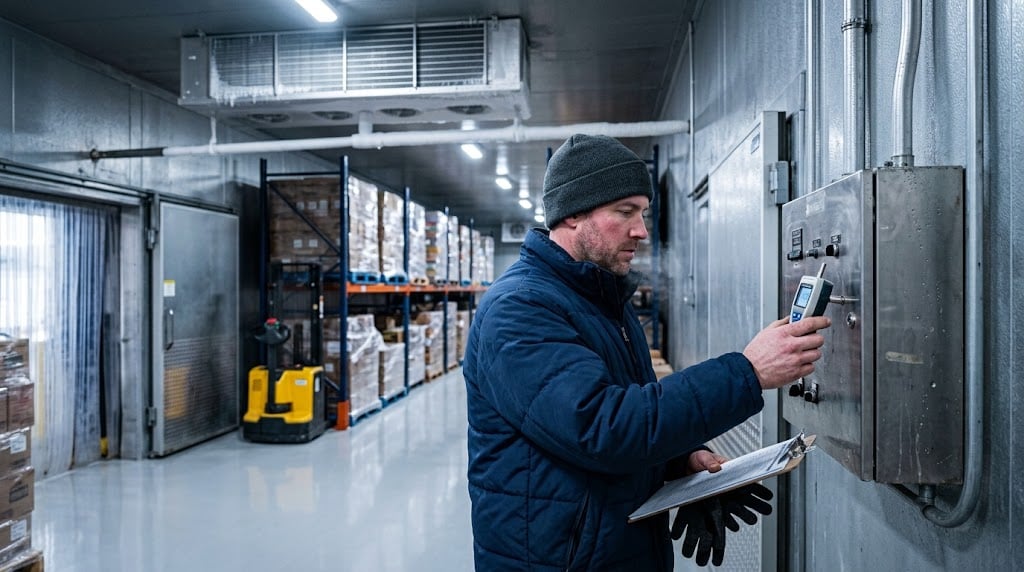
- Food storage and processing: Controlled moisture levels can help protect freshness, reduce moisture loss, and support product quality in certain environments.
- Wood processing: Humidity control helps reduce the risk of shrinkage, cracking, or warping while materials are stored or processed.
- Cannabis cultivation: Precise high-humidity environments during propagation and early vegetative stages support healthy root development and reduce transplant stress.
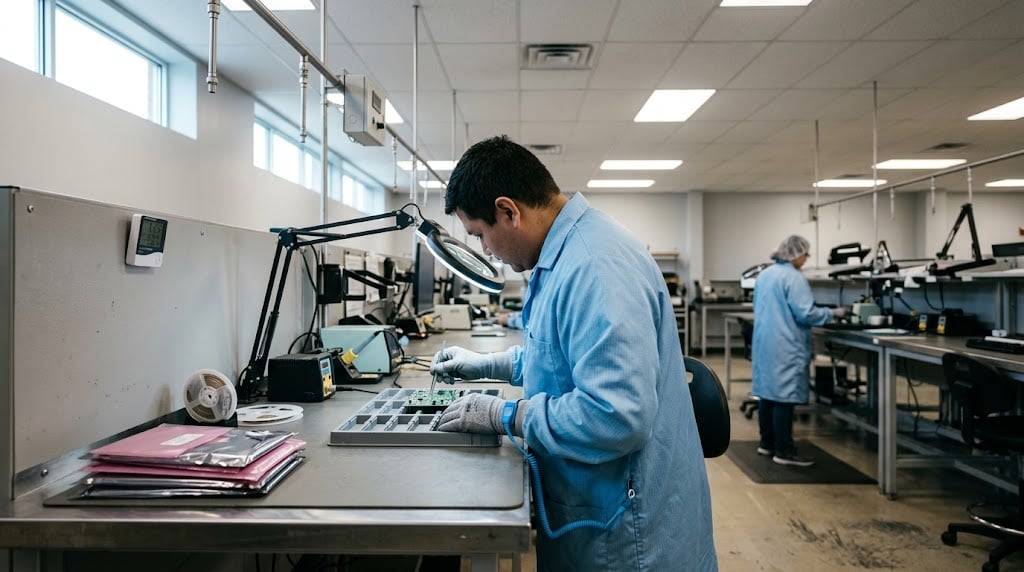
- Cleanrooms and pharmaceutical facilities: Controlled high-RH environments in certain production processes protect hygroscopic materials and support validated operating conditions.
How Precision Humidification Reaches High RH Without Wetting Surfaces
Reaching high humidity levels safely requires controlled humidification rather than uncontrolled moisture release. The aim is to raise humidity evenly while preventing water from collecting on floors, walls, equipment, or products. Smart Fog is a non-wetting precision humidification system that uses self-evaporating dry fog to deliver stable, uniform humidity control. By using compressed air and water through a proprietary nozzle, Smart Fog produces an equal-sized droplet grid of self-evaporating droplets that humidify the air without wetting surfaces or creating condensation under normal operating conditions. This type of control is especially important in facilities that depend on clean, stable, and reliable environmental conditions. It allows operators to maintain high humidity where needed while protecting equipment, materials, and surrounding surfaces.How to Control Indoor Humidity and Prevent Saturation Problems
Indoor humidity should stay within a balanced range that supports comfort and helps prevent moisture-related problems. Good control starts with monitoring humidity levels and responding before excess moisture leads to condensation or material damage.The Ideal Indoor RH Range for Most Environments
For most indoor environments, a moderate humidity range is the most practical target. Levels that are too high can increase condensation risk, while levels that are too low can make the air feel dry and uncomfortable. A few simple steps can help you keep humidity in a healthier range:- Track humidity levels: Use a digital hygrometer to monitor indoor relative humidity throughout the day.
- Improve ventilation: Use proper ventilation in bathrooms, kitchens, and other moisture-prone spaces to reduce excess humidity buildup.
- Check for hidden moisture sources: Look for plumbing leaks, roof leaks, or damp areas that may be adding moisture to the air.