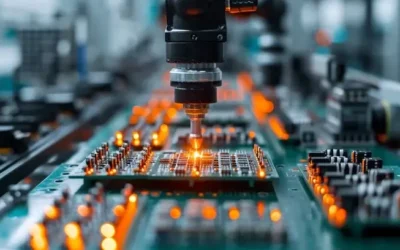
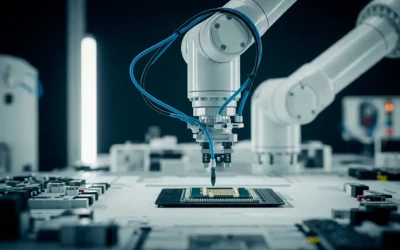
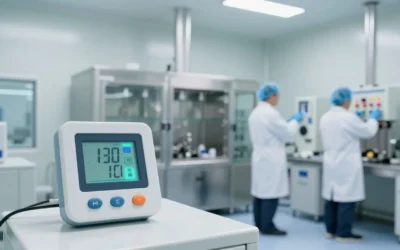
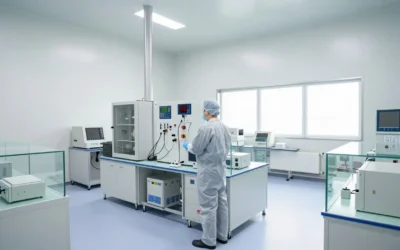
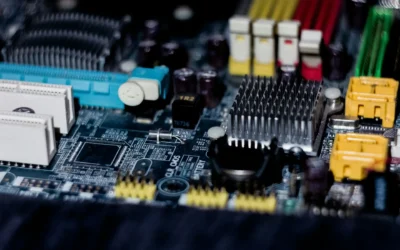
Stable humidity and ESD control help PCB manufacturing facilities reduce defects, protect sensitive components, improve soldering performance, and maintain reliable production conditions throughout assembly.
Ido Goldstein
Chief Technology Officer at Smart Fog
Author
Ido Goldstein is a technology innovator with deep expertise in humidity engineering, climate control, and non-wetting fog systems. He has spent years advancing energy-efficient and water-smart solutions that help industries like cleanrooms, data centers, wineries, and greenhouses maintain precise environmental control.
Passionate about technology with real-world impact, Ido also supports sustainable agriculture initiatives and nonprofit innovation. Through this blog, he shares practical insights on HVAC advancements, indoor air quality, and the science behind high-performing environments.

Ideal Humidity Levels for PCB Manufacturing
Learn how ideal humidity levels in PCB manufacturing reduce electrostatic discharge, limit oxidation, improve assembly stability, and protect sensitive components across critical production zones.
How Humidity Control Prevents ESD in PCB Facilities
Humidity control plays a key role in PCB facilities by reducing static buildup, protecting sensitive components, and supporting stable assembly conditions across handling, placement, and soldering processes.
Why Traditional Anti-Static Measures Fall Short for Electronics
Traditional anti-static methods still play a role in electronics manufacturing, but they often fail to address the environmental conditions that allow static charge to build. Modern production needs broader control to reduce ESD risk at the source.
Why Static Electricity Damages PCB Production
Static electricity is a major threat in PCB production. This guide explains how electrostatic discharge damages sensitive components, causes failures, and increases defect risks in modern electronics manufacturing.
Choosing a Hospital Grade Humidifier for Healthcare
Hospital environments require stable indoor air conditions to support patient safety and clinical performance. Choosing the right hospital grade humidifier helps maintain balanced humidity, protect medical equipment, and support comfortable healthcare environments.
Hospital Grade Humidifiers: Types and Buying Factors
Hospital grade humidifiers help healthcare facilities maintain stable indoor humidity for patient safety and infection control. Understanding humidifier types and key buying factors helps hospitals choose systems that support reliable environmental conditions and clinical performance.
How Low Humidity Increases PCB Defect Rates
Low humidity disrupts PCB assembly by increasing static buildup, accelerating solvent evaporation, and altering material behavior, leading to higher defect rates, process instability, and reduced long-term reliability.
How Dry Air Increases Contamination Risk in Cleanrooms
Dry indoor air can increase contamination risk by allowing droplets and particles to evaporate into smaller aerosols that stay airborne longer. Balanced humidity helps stabilize indoor air conditions and reduce the circulation of airborne contaminants.
Why Humidity Control Is Critical in Cleanrooms
Humidity control is essential for maintaining stable cleanroom environments. Balanced humidity levels help protect sensitive materials, support contamination control, and ensure reliable manufacturing processes in industries such as pharmaceuticals and electronics.