The thermometer can show one temperature while your body registers something much hotter. High humidity changes how efficiently the body releases heat, so the same air temperature can feel more intense than the number on the gauge.
This is a measurable physical effect, not just personal perception. This article explains the mechanism behind humid heat, then connects it to indoor industrial and commercial environments where humidity affects comfort, equipment conditions, and thermal control.
Key Takeaways:
- High humidity makes heat feel worse because sweat evaporates more slowly.
- Heat index combines air temperature and relative humidity to show felt temperature.
- Humid spaces can cool more slowly after heat sources are reduced.
- Low humidity can increase static risk, dry out materials, and affect personnel comfort.
- Industrial and commercial spaces need controlled RH ranges, not one-size-fits-all humidity levels.
Why Humidity Makes Heat Feel Worse
Humidity makes heat feel worse because it slows the body’s main cooling process: sweat evaporation. When sweat evaporates from the skin, it removes heat from the body, but humid air already contains more water vapor, so evaporation becomes slower.
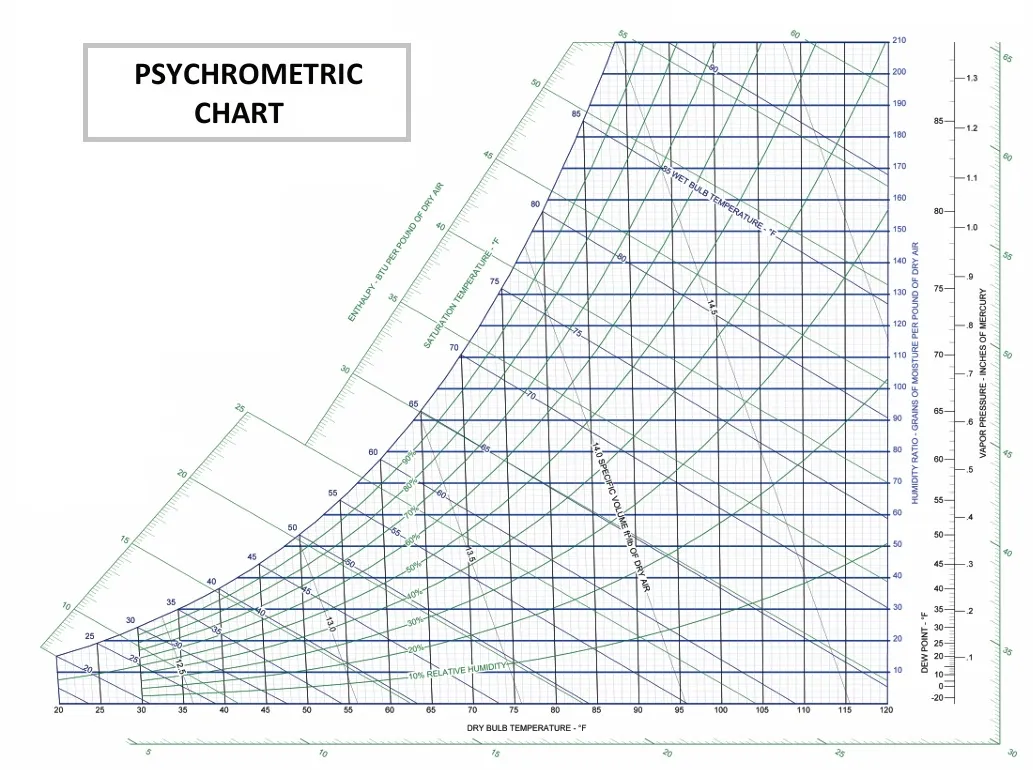
Relative humidity is the amount of water vapor in the air compared with the maximum amount the air can hold at that temperature. When RH is high, sweat evaporates more slowly because the surrounding air is closer to saturation, so less heat leaves the body. The measurable result is a higher heat index; for example, 90°F with 90% RH feels well above 100°F according to NOAA heat index values.
What Relative Humidity Actually Measures
Relative humidity measures how much water vapor is in the air compared with the maximum amount the air can hold at the same temperature, expressed as a percentage. At 100% RH, the air is saturated, which means it has reached its moisture-holding limit for that temperature.
Warm air can hold more water vapor than cold air. This is why RH can change as temperature changes even when the actual amount of water vapor in the air stays the same.
The Heat Index: Felt Temperature vs. Actual Temperature
The heat index combines air temperature and relative humidity to show how hot conditions feel to the human body. NOAA heat index values show that 90°F with 90% RH produces a felt temperature well above 100°F, which means the body experiences more heat stress than the thermometer alone suggests.
Dew point is often a more precise discomfort indicator because it reflects the actual moisture load in the air. Many people begin to feel uncomfortable when dew point rises above 65°F, and conditions above 70°F are commonly described as oppressive.
Does Humidity Change Actual Air Temperature, Not Just How It Feels?
Humidity does not raise the thermometer reading the same way it raises felt temperature. Felt temperature rises because humid air slows sweat evaporation, while actual air temperature depends on how heat is absorbed, stored, and released.
Still, humidity can affect how heat behaves inside a space. Humid air and moisture-heavy materials can retain heat longer than dry conditions, so a high-RH environment may cool more slowly after equipment, sunlight, or process heat is reduced.
What This Means for Enclosed Industrial and Commercial Spaces
In warehouses, manufacturing floors, and data centers, humidity can influence more than comfort. It interacts with equipment heat output, HVAC load, airflow, and the way stored materials or building surfaces release heat.
This makes humidity control part of thermal management, not only moisture control. When RH is uncontrolled, cooling performance can become less predictable, especially in facilities with dense equipment, large storage zones, or continuous production activity.
In server-heavy environments, precision humidification for data centers is often part of maintaining stable RH around heat-producing equipment.
The Other Direction: Why Low Humidity Is Also a Problem
Low humidity can create its own set of temperature, comfort, and operational problems. When RH drops below the 30% to 40% range, dry air can increase static electricity, pull moisture from materials, and make the indoor environment feel harsher for people.
In industrial environments, both ends of the RH spectrum can cause problems. High RH can make cooling less predictable, while low RH can affect paper, wood, textiles, electronics, and personnel comfort, so the goal is precision control within a defined target range.
The RH Range That Matters for Industrial Operations
For many occupied indoor environments, 30% to 60% RH is commonly used as a practical reference range for comfort and moisture control. Industrial facilities often require tighter bands because the acceptable RH range depends on the product, process, material, and equipment being protected.
Printing environments often target about 45% to 55% RH to reduce paper movement, curl, and static-related handling issues. Electronics manufacturing often works within about 40% to 60% RH to help control static risk around sensitive components, but these ranges should be presented as general industry references, not universal standards.
Final Thoughts
Humidity affects both comfort and facility performance, but the problem changes depending on whether RH is too high or too low.
For facilities where humidity affects product quality, personnel comfort, or equipment reliability, maintaining precise RH is an engineering challenge. Smart Fog supports stable, uniform humidity control through non-wetting dry fog technology for industrial humidity control systems.
FAQs
How does humidity affect temperature?
Humidity affects how temperature feels because moisture in the air slows sweat evaporation. When the body cools less efficiently, the same air temperature can feel warmer.
Does humidity make it feel hotter?
Yes. On hot days, high humidity makes air feel warmer because sweat does not evaporate quickly enough to remove heat from the body.
What is the heat index?
Heat index is the felt temperature created when air temperature and humidity are combined. As the amount of moisture in the air rises, the heat index also increases.
Does humidity change actual air temperature?
Not directly like it changes felt temperature. Humidity affects vapor pressure and heat retention, so humid spaces may cool more slowly after temperature increases.
Is dry heat easier to handle than humid heat?
Dry heat often feels easier because sweat evaporates faster, helping the body cools itself more effectively. Humid heat feels heavier because evaporation slows down.