Heated and air-conditioned spaces often lose moisture when dry outdoor air enters the building, pulling RH below comfortable and functional levels. As RH drops, the room can feel dry, static increases, and materials may start reacting to the low-moisture environment.
This article explains why indoor humidity drops, which methods work at different scales, from a single room to a large commercial space, and when a humidifier stops being optional.
Key Takeaways
- Indoor RH drops when cold outdoor air enters a heated or air-conditioned space and is warmed without adding moisture. Forced-air HVAC cycling accelerates the drop.
- The target range for most occupied spaces is 30-60% RH per ASHRAE guidance. Below 30% RH causes static buildup, material shrinkage, and respiratory irritation. Above 60% RH raises mold risk.
- DIY methods such as bowls of water and wet towels add moisture passively but cannot hold a setpoint, respond to HVAC cycling, or distribute humidity evenly across a space.
- Consumer humidifier selection depends on room size, water quality, and maintenance tolerance. Ultrasonic units require distilled water to avoid mineral dust. Evaporative wicks and ultrasonic tanks both require regular cleaning to prevent bacterial growth.
Why Indoor Humidity Drops in the First Place
Indoor RH drops when cold, dry outdoor air enters the building and is warmed without adding moisture. Forced-air heating and HVAC cycling can make the problem worse because they keep moving dry air through the space while relative humidity falls.
For most occupied indoor spaces, 30% to 60% RH is commonly used as a practical comfort and moisture-control range.
The Target RH Range for Comfort and Function
A practical indoor target usually sits between 30% and 60% RH. Below 30% RH, people may notice dry skin, irritated airways, static buildup, and material shrinkage in wood, paper, or textiles.
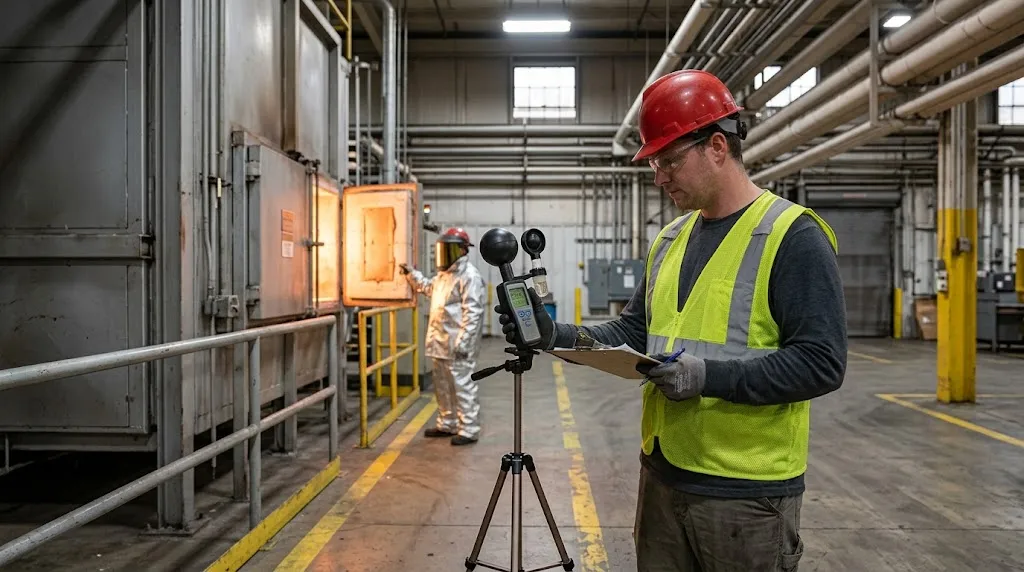
Above 60% RH, mold, condensation, and moisture-related damage become more likely. In commercial environments such as manufacturing, food processing, and printing, the target range is often tighter because humidity affects production, materials, and equipment performance.
How to Add Humidity to a Room Without a Humidifier
You can add some moisture to a small room without a humidifier through passive evaporation. Bowls of water near heat sources, damp towels on safe radiator racks, houseplants, air-drying laundry indoors, and leaving the bathroom door open after a shower can all raise moisture slightly.
These methods are best for small rooms with no precision requirement. They cannot maintain a target RH, distribute moisture evenly, or support larger spaces where HVAC cycling keeps pulling moisture out of the air.
Why DIY Methods Have a Ceiling
DIY humidity methods work passively, so they add moisture at a fixed rate instead of responding to what the room needs. A bowl of water or damp towel may help in still conditions, but it cannot react when the heat turns on or dry air enters the space.
In a leaky room or a building with active HVAC cycling, passive evaporation often cannot keep pace with moisture loss. A room may briefly reach 35% RH, then fall closer to 20% RH once the system starts moving dry air again.
How to Increase Humidity With a Humidifier
A humidifier is the better option when passive methods cannot keep the room comfortable or stable. Evaporative units move air through a wet wick, ultrasonic units use vibration to create a cool output, and steam humidifiers boil water to release moisture, so the right choice depends on room size, water quality, maintenance needs, output capacity, and over-humidification risk.
Evaporative vs. Ultrasonic vs. Steam: Key Differences
Evaporative humidifiers use a fan to move air through a wet wick, which makes them somewhat self-limiting as the air gets closer to saturation and can lower over-humidification risk. They still need regular wick replacement and cleaning to prevent buildup or bacterial growth inside the unit.
Ultrasonic humidifiers are quiet, but tap water can leave white mineral dust, so distilled water is usually better for cleaner operation. Their tanks and internal surfaces still need regular cleaning to reduce buildup and bacterial growth.
Steam humidifiers boil water to produce moisture, which can be effective, but they use more energy and release warm output. They also need cleaning to manage scale buildup, especially in areas with hard water.
Sizing a Humidifier for the Space
Humidifier output is usually rated in gallons per day or pints per hour, so the unit should match the room size and how quickly the space loses moisture. A 500 sq ft room may only need one properly sized consumer humidifier, while a 5,000 sq ft open-plan space needs a higher-capacity and more controlled approach.
For spaces above a few thousand square feet, stacking consumer units becomes inefficient because coverage is uneven, refilling is constant, and there is usually no reliable RH control loop. At that scale, an engineered humidification system becomes the practical answer.
When the Space Outgrows Consumer Solutions
Consumer humidifiers become impractical when a space needs multiple units, constant refilling, continuous operation, and still ends up with inconsistent coverage. That is the threshold where the problem stops being “add more moisture” and becomes “maintain stable RH across the full environment.”
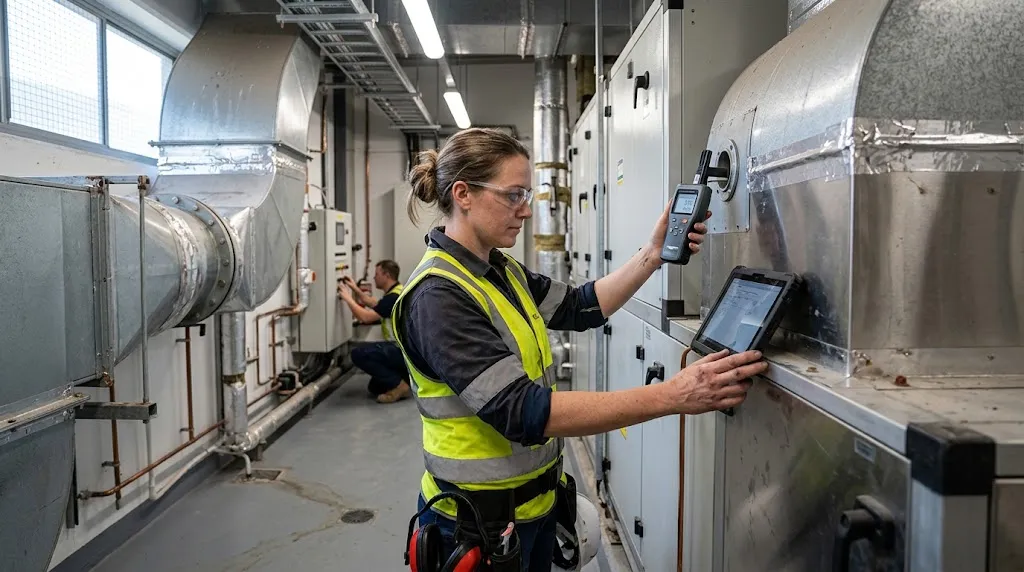
A commercial or industrial humidity control system becomes the practical answer for large open-span spaces, production areas, storage zones, and equipment-sensitive rooms. These environments need precision RH targets, even distribution, and non-wetting performance so humidity can be maintained without wetting surfaces, materials, or equipment.
For facilities that have outgrown portable units, commercial humidity control for large spaces becomes a more practical path than relying on scattered consumer humidifiers.
Final Thoughts
Indoor RH often drops when dry outdoor air enters a heated or air-conditioned space, which is why the 30% to 60% RH target range matters as much as the method used to add moisture.
DIY methods can help a small room, and consumer humidifiers can work when they are sized correctly, maintained properly, and matched to the space, but they cannot solve large-scale humidity problems with inconsistent coverage, constant refilling, or no RH control loop.
For commercial and industrial spaces where precise, stable RH is an operational requirement, consumer humidifiers become impractical at scale. Industrial humidification systems are the correct tool above a few thousand square feet.
FAQ
What is the most effective way to increase humidity in a room without a humidifier?
Place a bowl of water near a safe heat source, leave the bathroom door open after a shower, or air-dry laundry instead of using a dryer. These methods add moisture to the air and can increase the humidity slightly in small rooms.
Why does the air in your home become so dry during the winter months?
Cold outdoor air holds less moisture than warm air. When that air enters your home and gets heated by a furnace, humidity levels drop, which can worsen low humidity and respiratory discomfort.
How can I accurately monitor the humidity in your home?
Use a hygrometer to measure indoor humidity levels. It helps you keep RH in a comfortable range while avoiding too much moisture that could raise mold risk.
Do house plants really help to add humidity to your home?
Yes, houseplants release water vapor through transpiration. They can help humidify a small area, but they will not control RH in a large or very dry space.
What is the difference between an ultrasonic humidifier and an evaporative model?
An ultrasonic humidifier uses vibration to create cool mist. An evaporative humidifier uses a fan and wet wick to add moisture to the air as water evaporates.
When should I consider a whole house humidifier instead of a portable unit?
Consider a whole house humidifier when one room unit cannot maintain consistent humidity levels across the home. It is more suitable when multiple rooms need steady humidity control.