 Made in USA



Static Electricity Concerns in Defense Environments
Static electricity in defense facilities can damage sensitive electronic systems, cause downtime, and create ignition hazards. This guide explains how low humidity increases electric charge build-up, the risks of electrostatic discharge, and how stable environmental control reduces static exposure.

Managing Static and Corrosion in Defense Storage
Static discharge and corrosion are leading environmental threats in defense storage facilities. Maintaining stable humidity reduces electrostatic risk, limits oxidation, and protects sensitive electronics and mechanical systems from long-term degradation.
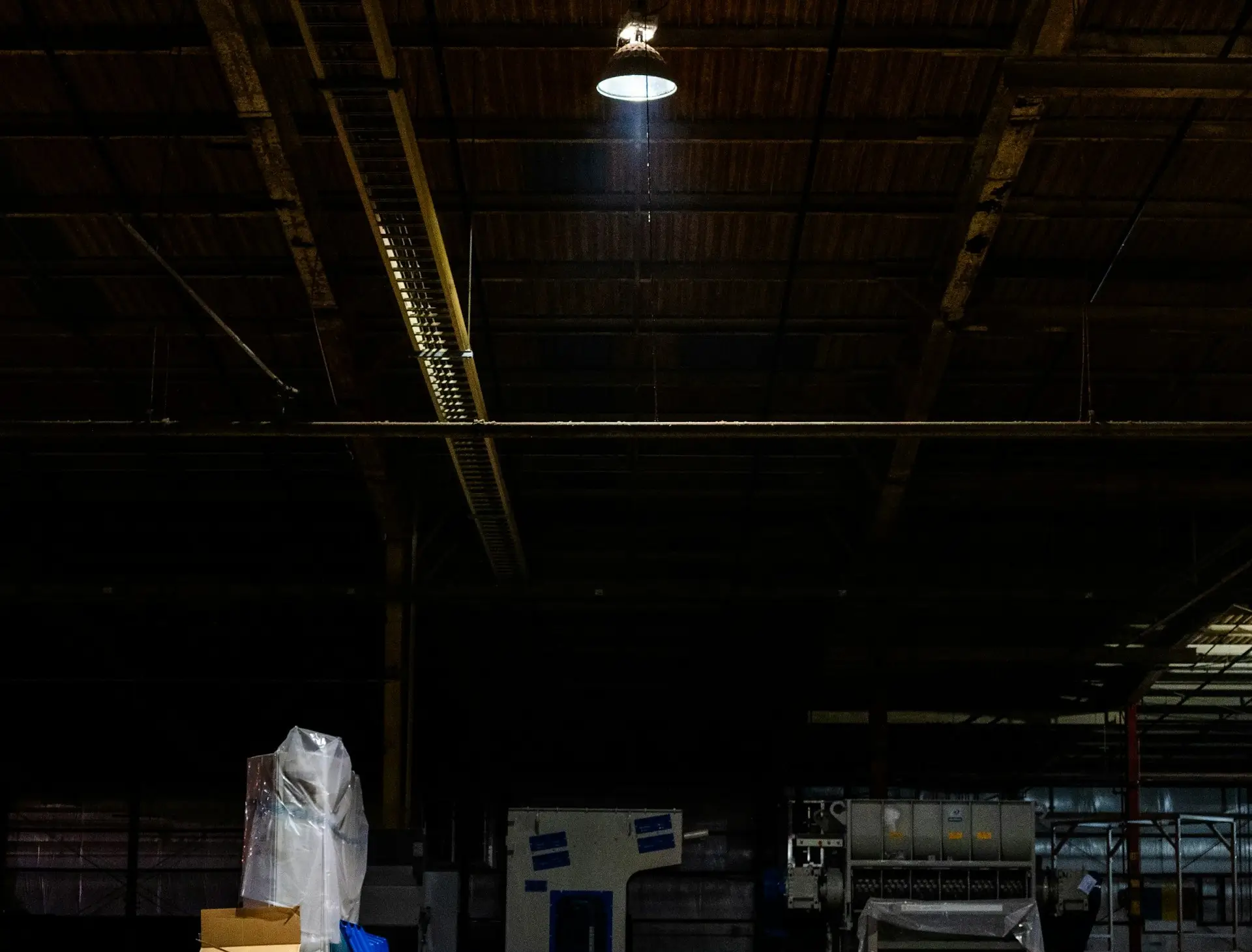
Ideal Humidity Levels for Defense Facilities
Maintaining ideal humidity levels in defense facilities is critical for reducing static buildup, preventing corrosion, and protecting sensitive electronic systems. This guide explains recommended RH ranges, operational risks of imbalance, and the importance of precision humidity control for mission-critical environments.

Humidity Control Requirements for Defense Compliance
Humidity control is essential for defense compliance and equipment reliability. Maintaining stable relative humidity protects sensitive systems, reduces corrosion and ESD risks, and supports long-term operational readiness across military facilities.
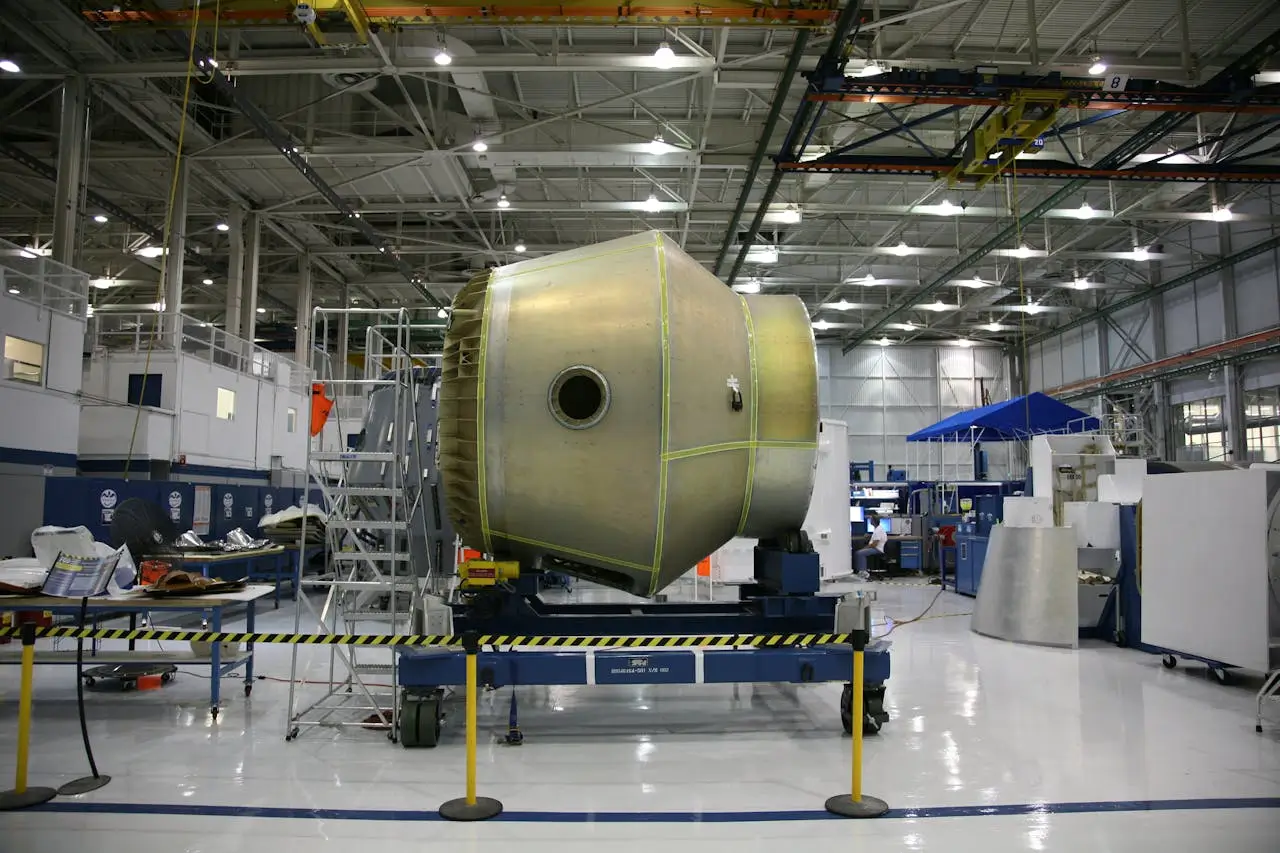
Why Humidity Control Matters in Aerospace Manufacturing
Humidity control in aerospace manufacturing directly affects material stability, electronics reliability, and coating performance. Maintaining consistent, non-wetting humidity reduces static discharge risk, prevents moisture-related defects, and supports precision across critical production environments.
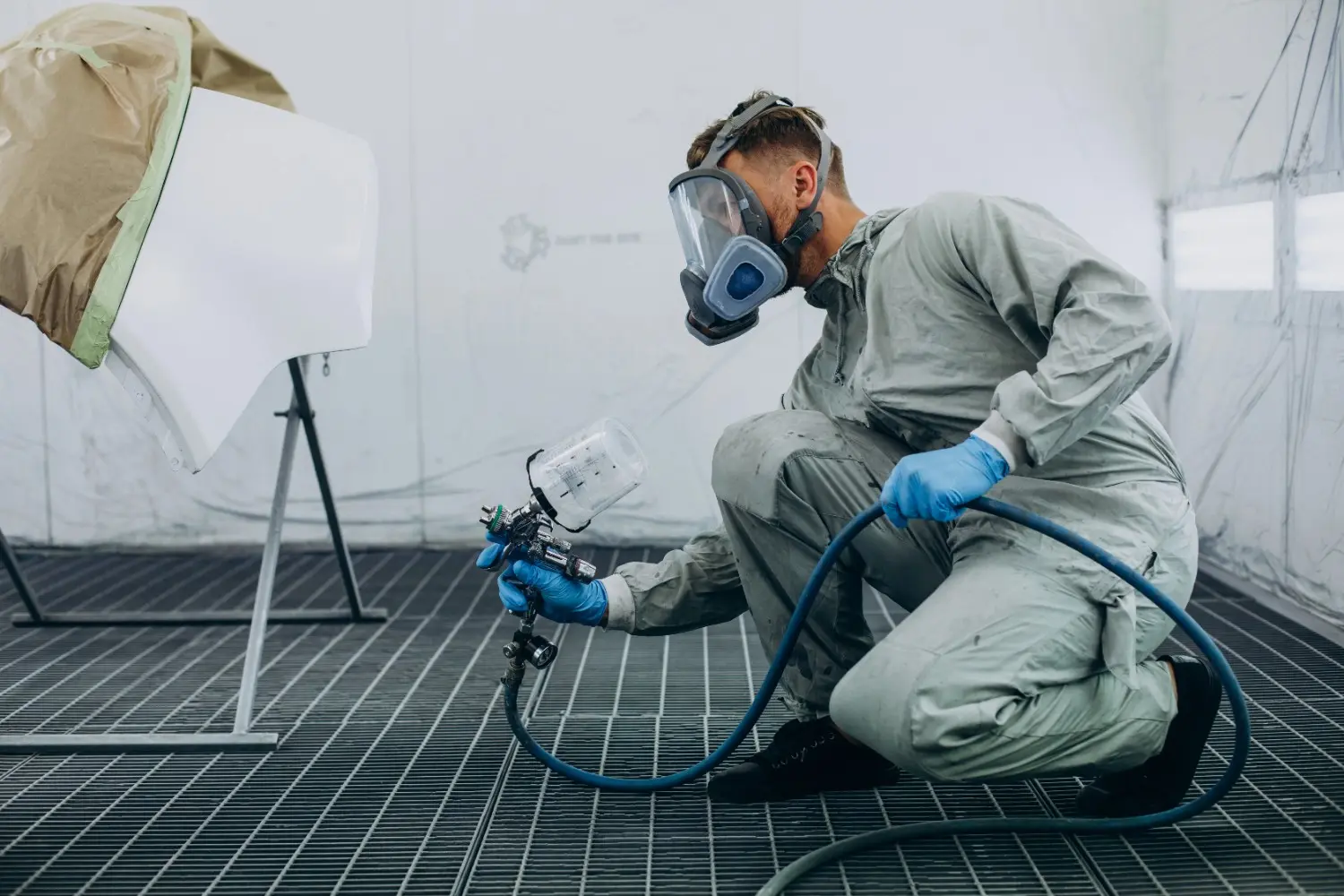
Humidity Control in Industrial Paint Booth Environments
Discover how humidity control in industrial paint booth environments improves coating consistency, reduces paint defects, supports proper curing, and helps manufacturers achieve reliable, high quality finishes.

Humidity and Environmental Control in Aerospace Manufacturing
Precise humidity control is essential in aerospace manufacturing. Stable environmental conditions protect composite materials, electronics, and surface finishes while reducing static discharge, contamination risks, and long-term reliability failures.
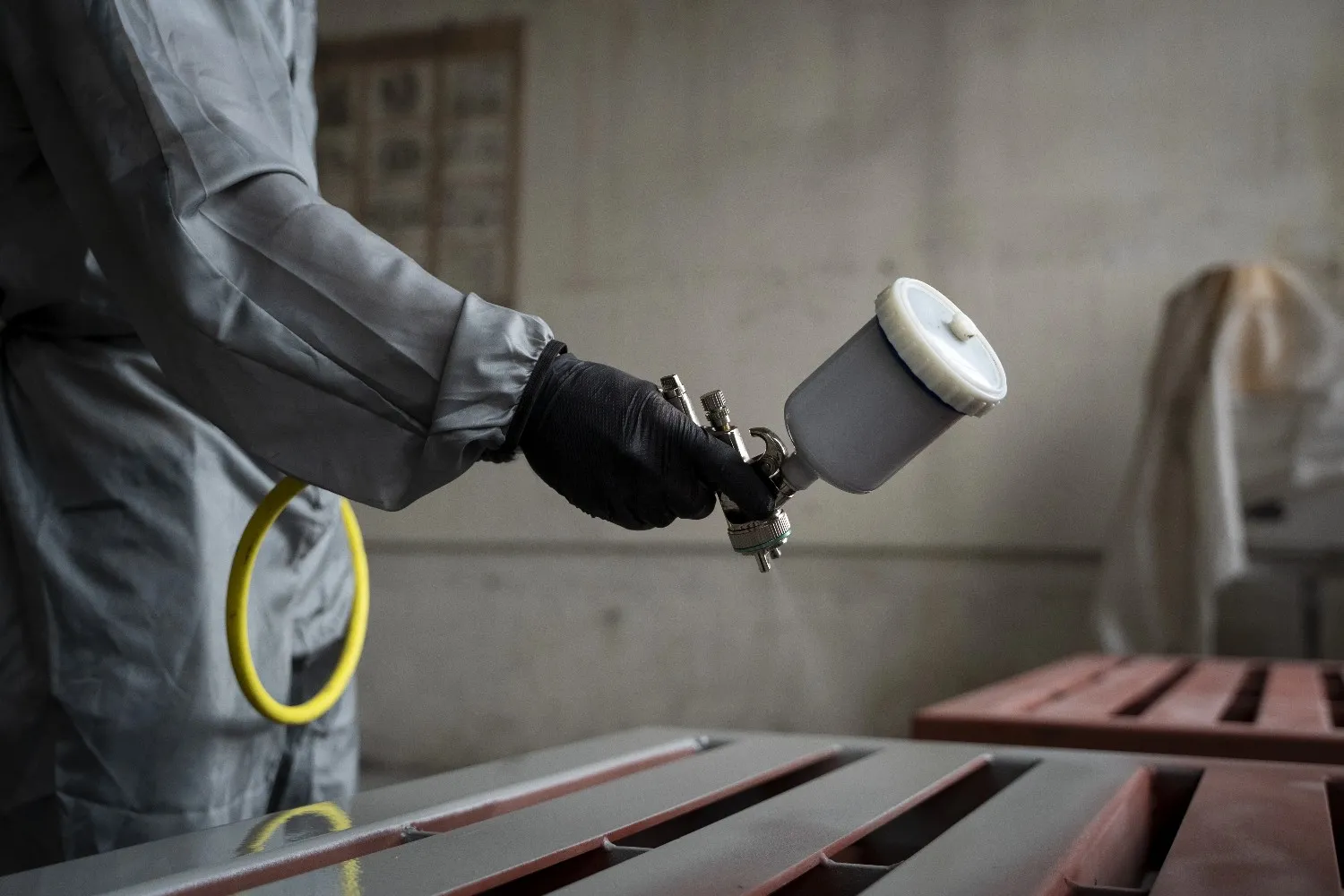
Why Low Humidity Causes Paint Defects
Low humidity disrupts paint film formation by accelerating solvent evaporation, weakening adhesion, and increasing static electricity. This guide explains common paint defects caused by dry air and how controlled humidity ensures consistent, high-quality finishes.

How Humidity Control Improves Paint Consistency
Humidity control stabilizes paint drying, spray behavior, and film formation, reducing dry spray, runs, and uneven coverage. Maintaining balanced moisture levels helps achieve consistent finishes, better adhesion, improved transfer efficiency, and less rework.