


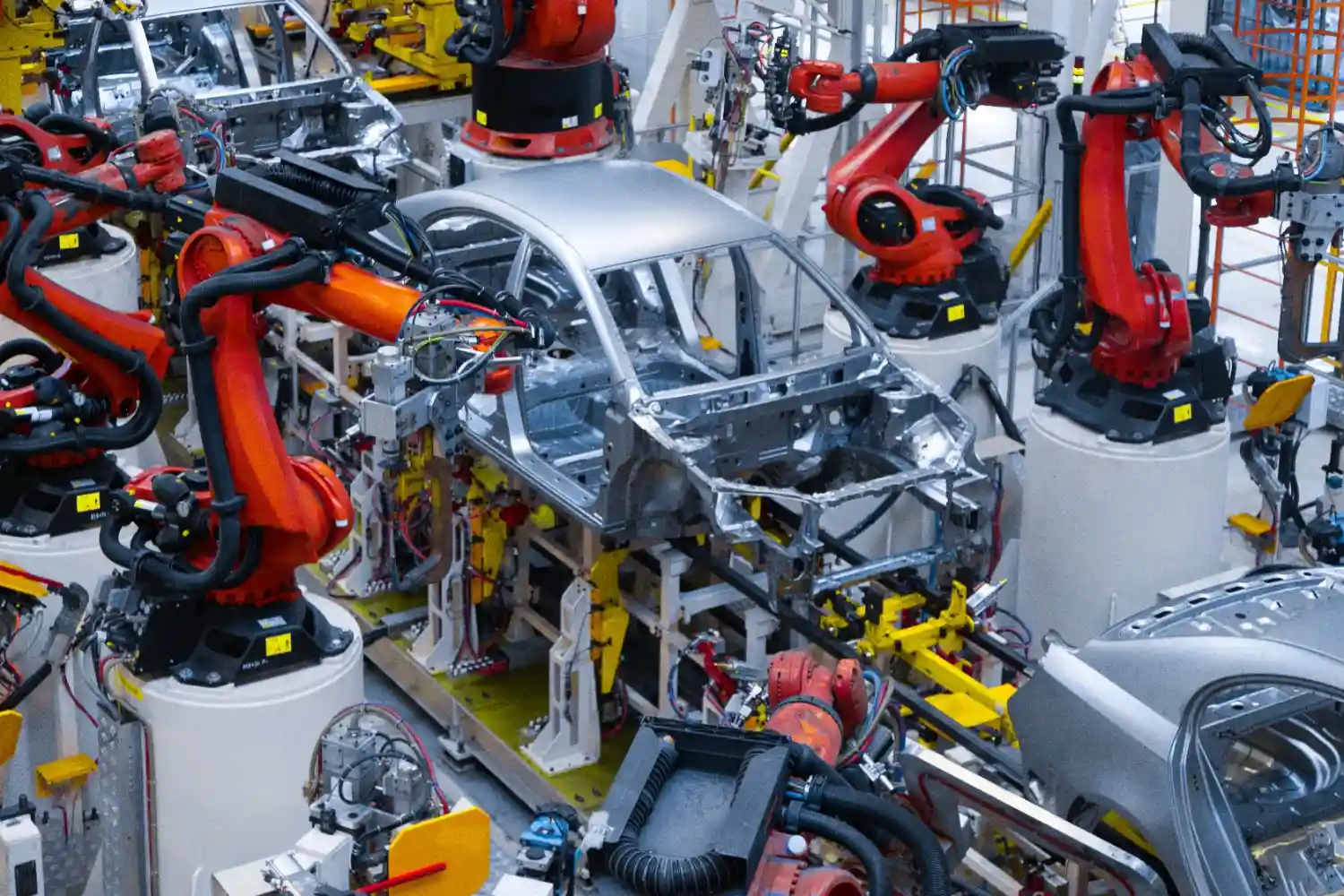
Designing Humidity-Controlled Automotive Facilities: Best Practices for Stable Manufacturing Environments
Humidity-controlled automotive facilities protect electronics, coatings, and materials during production. Stable environmental conditions reduce corrosion risks, prevent defects, and support consistent vehicle manufacturing quality.
PCB Humidifiers: Selection Guide for Manufacturers
PCB humidifiers help maintain stable manufacturing conditions by controlling humidity, reducing static buildup, and protecting sensitive components. This improves product reliability, supports consistent yields, and ensures better long-term performance.

Humidity Requirements for PCB Manufacturing
Stable humidity in PCB manufacturing helps reduce ESD, limit oxidation, protect moisture-sensitive components, and improve process consistency across storage, assembly, soldering, and inspection areas for stronger long-term product reliability.
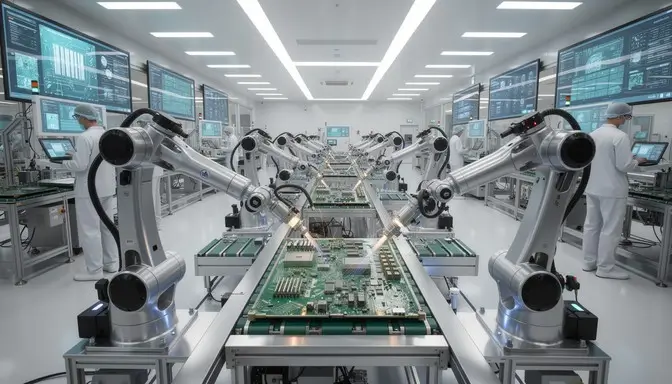
How to Choose ESD Control for PCB Facilities
Choosing ESD control for PCB facilities requires aligning methods with real risks, component sensitivity, and conditions to prevent static damage, reduce defects, and ensure reliable circuit board production.
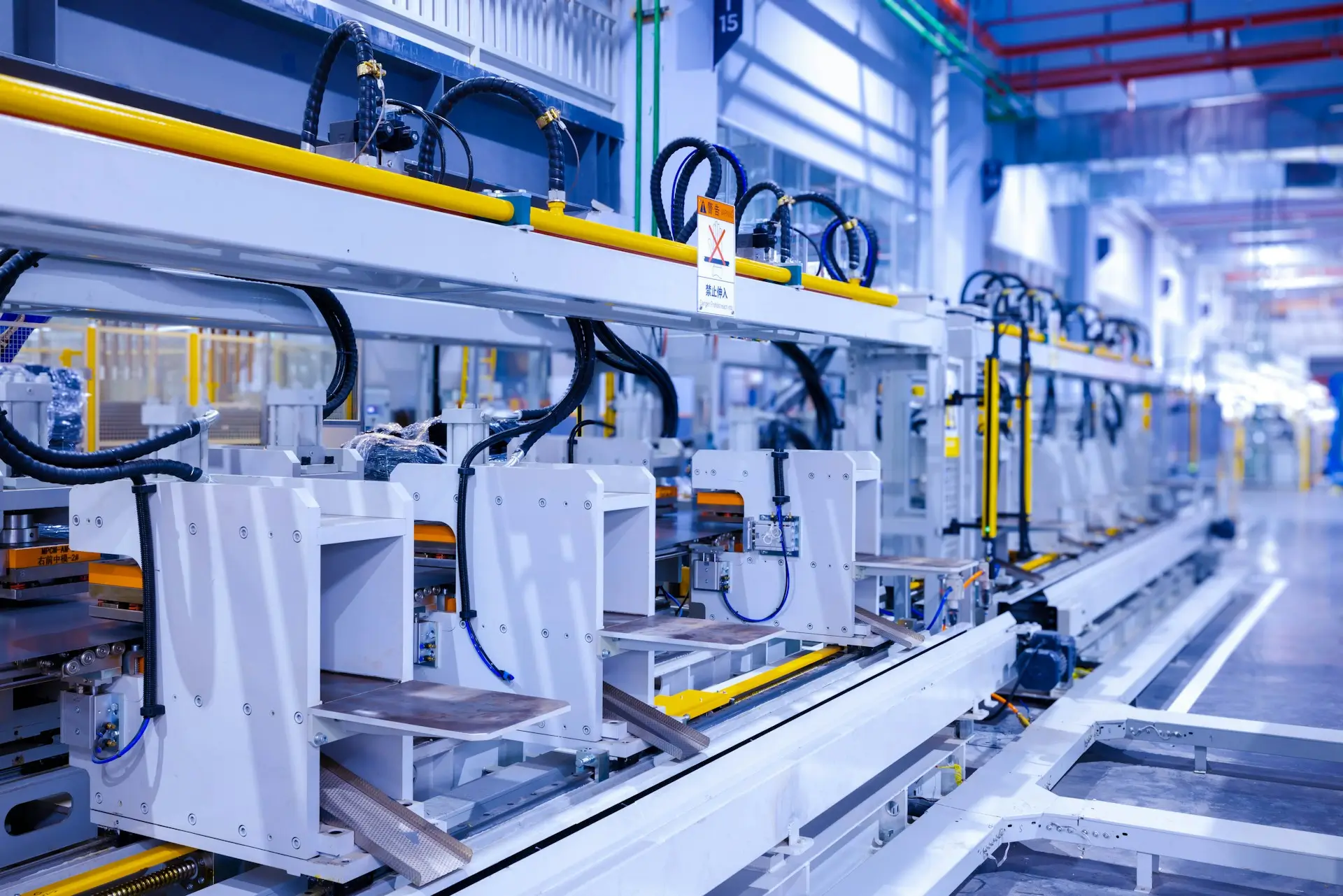
Environmental Causes of ESD in Electronics Manufacturing
Environmental causes of ESD can silently damage electronic components during manufacturing. This guide explains how static builds, why it matters, and how controlled conditions help prevent costly failures.
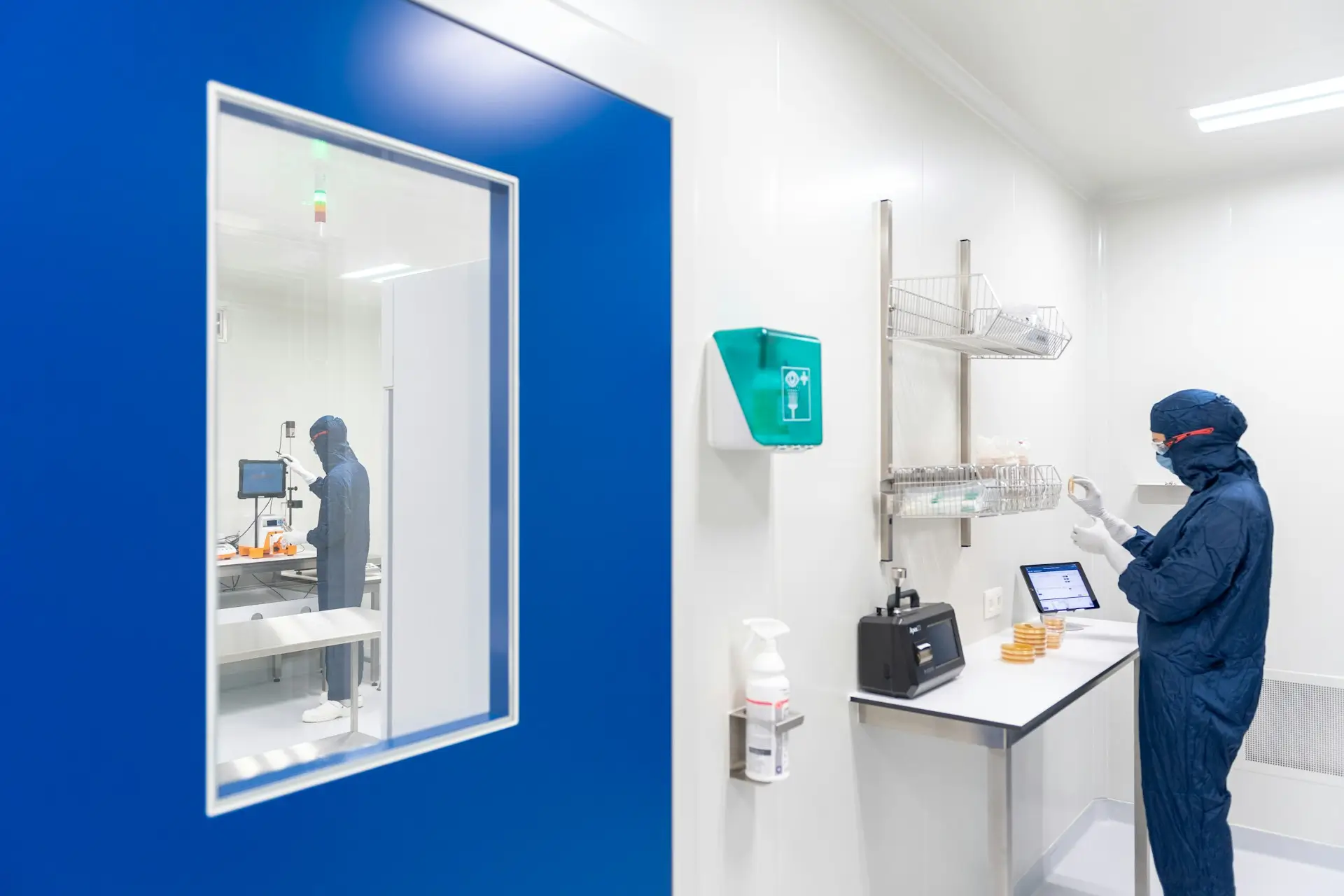
How to Select a Cleanroom Humidity Control System
Selecting a cleanroom humidity control system is critical for maintaining stable RH, preventing contamination, and ensuring compliance. This guide explains how non-wetting precision humidification systems deliver uniform, reliable performance.

Humidity Control in Automotive Manufacturing Environments
Humidity control in automotive manufacturing ensures stable production by preventing coating defects, reducing static risks, and maintaining material stability across paint, electronics, and assembly processes.
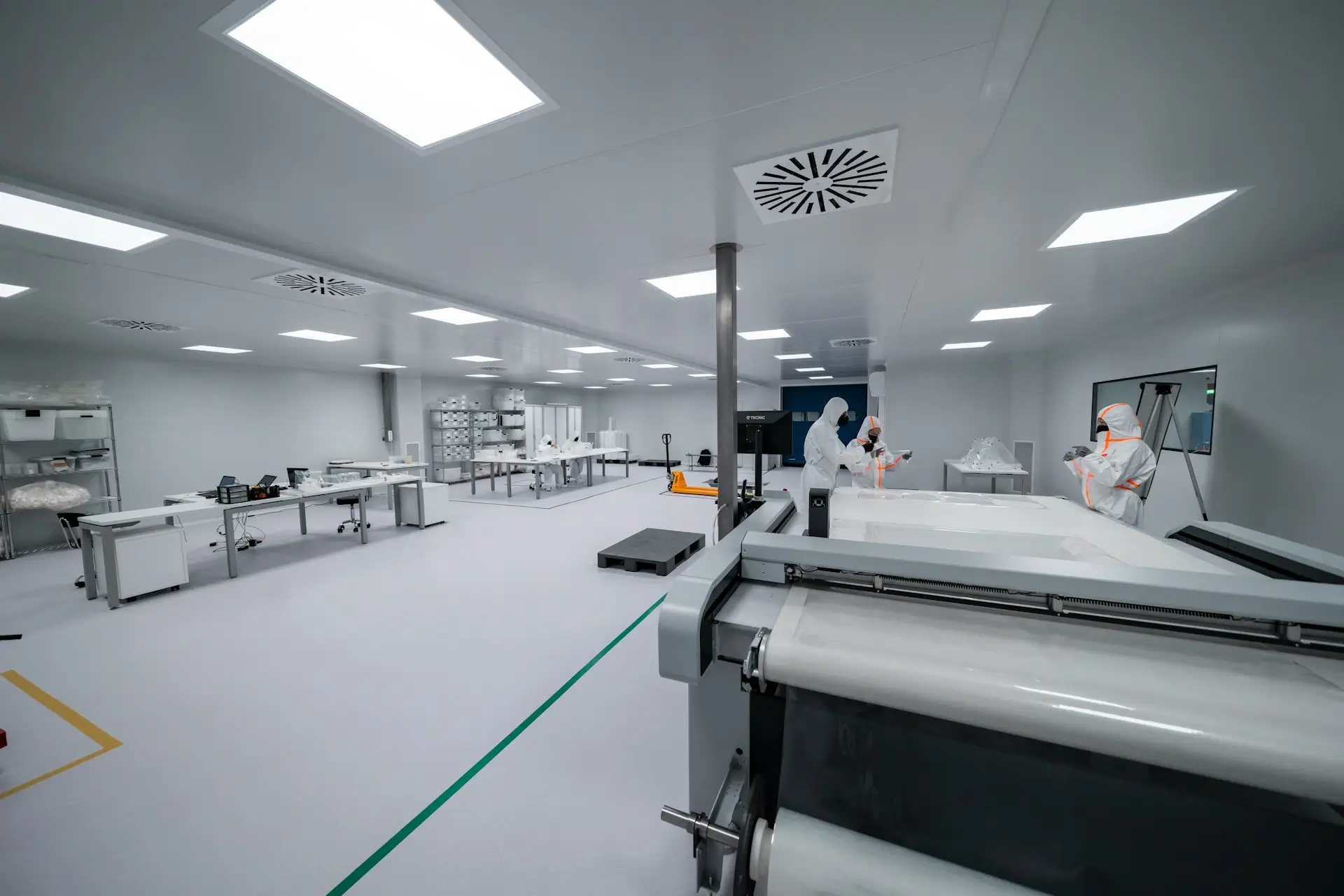
Cleanroom Humidity Requirements by Industry
Cleanroom humidity requirements vary by industry and directly impact product quality, contamination control, and process stability. Precision humidification systems help maintain consistent, non-wetting humidity levels for reliable and compliant cleanroom performance.

Designing Cleanroom HVAC for Humidity Precision
Designing cleanroom HVAC systems requires precise control of humidity, temperature, and airflow. This guide explains how to maintain stable conditions, reduce contamination risk, and ensure consistent performance in regulated environments.