Dry air does contribute to dehydration by increasing water loss through breathing and skin evaporation, especially when indoor humidity drops below 30% relative humidity (RH). The human body loses significantly more moisture in low-humidity environments because the lungs must humidify each breath to 100% RH, drawing water from the body’s reserves when incoming air is dry.
This physiological response affects anyone spending extended time in heated buildings, air-conditioned offices, or industrial facilities where indoor air quality is compromised by inadequate humidity control. The effect becomes more pronounced during winter months when heating systems commonly reduce indoor humidity to 10-20% RH, creating conditions that can contribute to dehydration symptoms even when fluid intake appears adequate.
Key Takeaways:
- Respiratory water loss increases by up to 40% when indoor humidity drops below 30% RH compared to optimal levels of 40-60% RH, as the lungs’ humidification of dry air requires drawing from body water reserves.
- Transepidermal water loss through skin accelerates in low-humidity environments, contributing to systemic dehydration that drinking water alone cannot fully compensate for in severely dry conditions.
- Indoor heating systems during winter months commonly reduce humidity to 10-20% RH, creating dehydrating conditions in residential and commercial buildings that persist for months without humidity control.
- Maintaining indoor humidity between 40-60% RH reduces respiratory water loss and helps prevent dehydration-related symptoms including headaches, fatigue, and decreased cognitive performance.
- Workplace environments with uncontrolled humidity often operate below 30% RH, contributing to employee dehydration symptoms and reduced comfort during extended occupancy periods.
How Dry Air Physically Causes Dehydration
The human respiratory system requires every breath to reach 100% humidity at body temperature before entering the alveoli, regardless of incoming air moisture content. When ambient air contains less moisture, the body must contribute more water to achieve this humidification, directly drawing from internal water reserves.
This process becomes particularly demanding in low-humidity environments where the difference between ambient and required moisture levels is greatest. Research from the National Institute for Occupational Safety and Health indicates that respiratory water loss can increase substantially when indoor humidity drops below 30% RH, as the respiratory tract works harder to condition incoming air.
The dehydration effect compounds because both respiratory water loss and skin evaporation increase simultaneously in dry air conditions. While increased fluid intake can help compensate, the body’s ability to retain moisture becomes compromised when multiple water loss pathways accelerate at once.
Respiratory Water Loss in Low Humidity
Each breath cycle requires respiratory system humidification processes to bring incoming air from ambient conditions to 100% RH at body temperature. When indoor air sits at 20% RH, typical during winter heating season, the lungs must add significant moisture to bridge this gap. The lower the ambient humidity, the more body water each breath requires.
This mechanism explains why people often wake up dehydrated after sleeping in heated bedrooms during winter months. The respiratory system continues this humidification process throughout the night, steadily drawing moisture from body reserves without the conscious awareness that would trigger increased fluid intake.
Skin Evaporation and Transepidermal Water Loss
Transepidermal water loss occurs continuously as moisture moves from deeper skin layers through the outer barrier and evaporates into surrounding air. This process accelerates in low-humidity environments because the vapor pressure gradient between skin moisture and ambient air increases, driving faster evaporation rates.
Unlike respiratory water loss, which relates directly to breathing frequency, transepidermal water loss affects the entire body surface continuously. The combination of these two mechanisms can result in significant water loss that exceeds what typical fluid intake patterns replace, particularly during extended exposure to low-humidity conditions.
Signs Your Environment Is Causing Dehydration
Dehydration from dry air often presents differently than dehydration from heat or inadequate fluid intake. The symptoms typically develop gradually over hours or days of exposure to low-humidity conditions and may not trigger the same thirst response that acute dehydration causes.
Environmental dehydration frequently affects the upper respiratory tract and skin first, creating symptoms that people may not immediately recognize as dehydration-related. These symptoms often worsen indoors and improve when humidity levels increase or when moving to more humid environments.
Physical Symptoms of Dry Air Dehydration
Dry air sore throat symptoms frequently appear as the first indicator of environmental dehydration, as the throat’s mucous membranes lose moisture faster than the body can replace it. This symptom typically worsens upon waking and improves throughout the day as fluid intake increases.
Additional symptoms include persistent nasal congestion that clears in humid conditions, increased static electricity in hair and clothing, and skin that feels tight or dry despite normal skincare routines. Headaches that develop during the day and improve outside the dry environment also suggest humidity-related dehydration.
Cognitive symptoms such as difficulty concentrating, increased fatigue, and irritability often accompany the physical signs. These effects result from the body’s increased metabolic demands to maintain proper hydration in challenging environmental conditions.
Environmental Indicators
Static electricity buildup provides a reliable indicator that indoor humidity has dropped to dehydrating levels, typically below 30% RH. When clothing, hair, or furniture generates frequent static discharge, the air lacks sufficient moisture to prevent charge accumulation.
Wood furniture showing gaps or cracking, houseplants requiring more frequent watering, and paper products becoming brittle all signal that indoor humidity has reached levels that can contribute to human dehydration. These physical changes in materials occur in the same humidity ranges that increase respiratory water loss in building occupants.
Humidity Levels That Prevent Dehydration
The optimal humidity range for preventing dehydration-related symptoms falls between 40-60% RH, according to guidelines from the American Society of Heating, Refrigerating and Air-Conditioning Engineers. This range provides sufficient ambient moisture to reduce respiratory water loss without creating conditions that promote other indoor air quality problems.
Below 30% RH, respiratory and transepidermal water loss increases significantly, accelerating enough to contribute to systemic dehydration. Above 70% RH, bacterial and mold growth risks increase, creating different health concerns that outweigh the hydration benefits.
Optimal Humidity Range for Hydration
Maintaining indoor humidity between 40-50% RH minimizes respiratory water loss while supporting natural moisture retention functions of mucous membranes and skin, according to research. At these levels, the vapor pressure difference between body surfaces and ambient air remains small enough that normal fluid intake can compensate for increased water loss.
The 40% RH lower threshold represents the point where most people begin experiencing reduced dry air sore throat symptoms and improved respiratory comfort. Below this level, even individuals with adequate fluid intake may experience dehydration symptoms during extended exposure.
Seasonal and Indoor Humidity Challenges
Winter heating systems create the most challenging conditions for maintaining adequate humidity. Forced-air heating systems commonly reduce indoor humidity to 15-25% RH as outdoor air with low absolute moisture content gets heated and distributed throughout buildings without moisture addition.
Air conditioning systems during summer can also contribute to dehydration by removing moisture from indoor air, though typically not to the extreme levels that heating systems create. The problem becomes most severe in tightly sealed buildings where outdoor air infiltration is minimal and no humidity control systems operate.
Workplace Dehydration from Poor Humidity Control
Commercial buildings frequently operate at humidity levels that contribute to occupant dehydration, particularly during heating and cooling seasons when HVAC systems prioritize temperature control without moisture management. Office humidification systems address this problem by maintaining humidity levels that support employee comfort and health.
Many facilities maintain humidity below 30% RH for months during winter operation, creating conditions where employees experience chronic low-level dehydration symptoms. These symptoms often worsen throughout the workweek as cumulative exposure increases, leading to reduced productivity and increased sick leave usage.
The problem extends beyond office environments to manufacturing facilities, healthcare facility humidification, and other commercial spaces where humidity control receives insufficient attention.
Common Workplace Humidity Problems
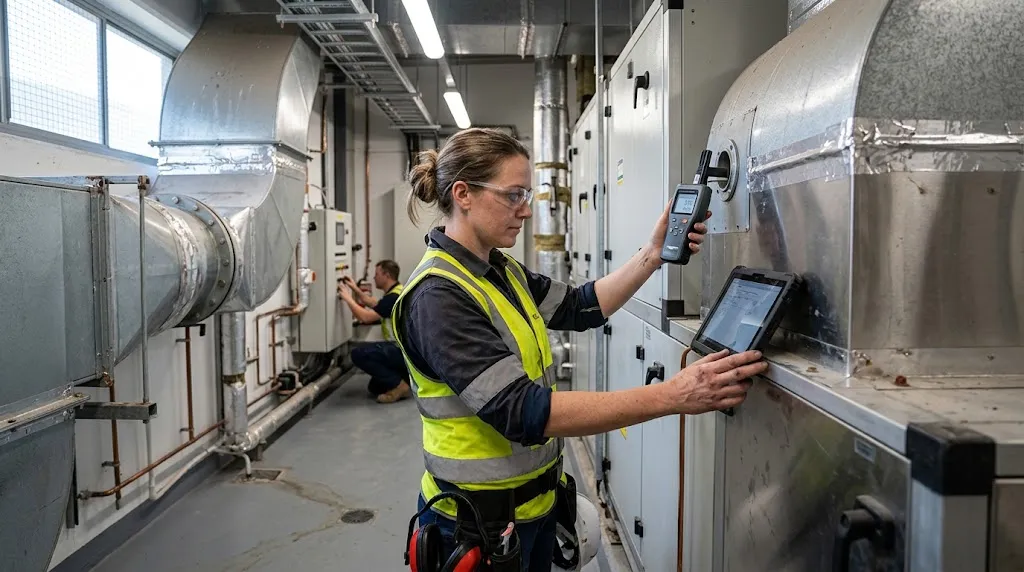
Office buildings with central HVAC systems often lack independent humidity control, relying on temperature-focused systems that remove moisture during cooling and add none during heating. The result is humidity levels that fluctuate seasonally but rarely reach optimal ranges for human comfort and health.
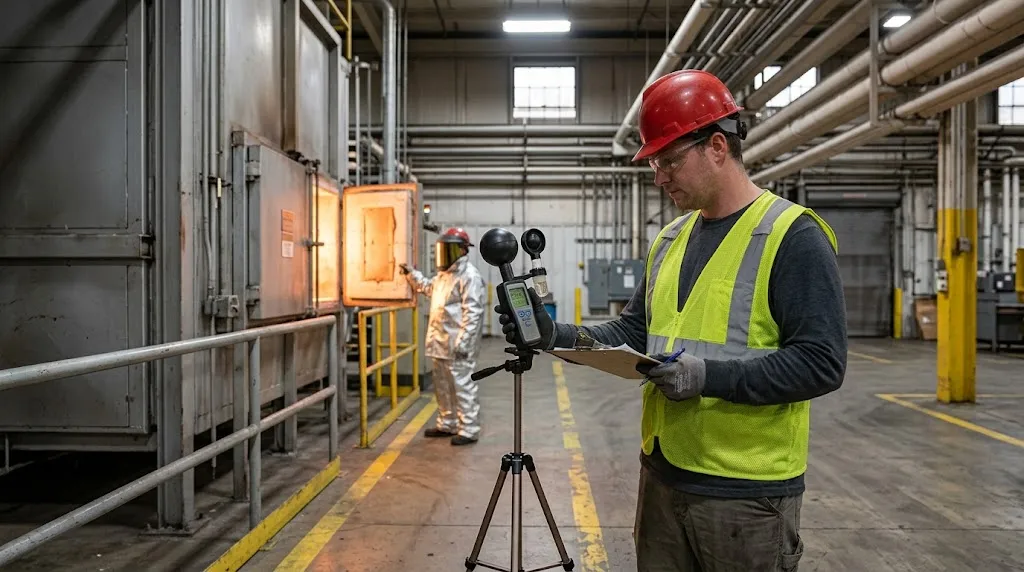
Manufacturing facilities may intentionally maintain low humidity to prevent condensation on equipment or products, creating working conditions that contribute to employee dehydration over eight-hour shifts. These facilities often lack awareness of how humidity levels affect worker comfort and productivity.
Employee Health and Productivity Impacts
Studies documented by the Environmental Protection Agency show that workers in low-humidity environments report higher rates of respiratory irritation, fatigue, and decreased cognitive performance compared to those in properly humidified spaces. These effects compound over time, creating measurable impacts on workplace productivity and employee satisfaction.
Facilities that implement proper humidity control often observe reduced complaints about dry throat, headaches, and general discomfort during winter months. The improvement in reported symptoms corresponds directly to maintaining humidity levels within the 40-60% RH range that supports normal physiological function.
Smart Fog Non-Wetting Humidification for Health-Supporting Humidity
Adiabatic humidification that produces an equal-sized droplet grid addresses the dehydration concerns discussed throughout this analysis while eliminating the surface-wetting risks that prevent many facilities from maintaining optimal humidity levels. This approach allows precise humidity control within the 40-60% RH range that prevents dehydration symptoms without creating condensation problems.
Humidity control systems that operate without surface wetting enable facilities to maintain health-supporting humidity levels year-round, even in applications where traditional humidification methods would risk equipment damage or product contamination. The technology addresses both the physiological need for adequate ambient moisture and the facility management requirements for reliable, low-maintenance operation.
Precision Humidity Control Without Surface Wetting
Smart Fog systems produce self-evaporating droplets that achieve complete evaporation before reaching surfaces, equipment, or building materials under proper system design. This non-wetting operation allows facilities to maintain the 40-60% RH range that reduces respiratory water loss and prevents dehydration symptoms without risking condensation damage to sensitive equipment or materials.
The precision control systems maintain humidity levels within plus or minus 1-2% of setpoint, preventing the fluctuations that can cause alternating periods of dehydration and excessive moisture. This stability supports consistent occupant comfort and eliminates the symptoms associated with rapidly changing humidity conditions.
Facility-Wide Dehydration Prevention
Industrial and commercial facilities using Smart Fog systems report improved occupant comfort and reduced complaints about dry air symptoms across entire buildings or production areas. The systems operate continuously without the surface wetting limitations that restrict other humidification technologies in sensitive environments.
Healthcare facilities, office buildings, and manufacturing plants maintain optimal humidity for occupant health while protecting equipment, products, and building materials from moisture damage. The non-wetting operation under proper system design enables humidity control in applications where conventional methods would be inappropriate or risky.
Final Thoughts
Dry air contributes to dehydration through measurable increases in respiratory water loss and transepidermal evaporation, particularly when indoor humidity drops below 30% RH. The physiological mechanisms involved make this form of dehydration distinct from heat-related or fluid intake-related dehydration, often developing gradually during extended exposure to low-humidity environments.
Maintaining indoor humidity between 40-60% RH provides the most effective prevention for dry air dehydration while avoiding the problems associated with excessive moisture. This range supports normal respiratory and skin function without creating conditions that promote bacterial growth or building material damage.
For facilities where occupant health and comfort are priorities, precision humidity control offers a reliable solution for maintaining optimal moisture levels year-round. The investment in proper humidification systems typically provides measurable benefits in terms of reduced occupant complaints, improved productivity, and better overall indoor environmental quality.
If your facility is struggling with low humidity which may be affecting occupant comfort and health, contact Smart Fog engineers to discuss precision humidification solutions.
Frequently Asked Questions
How much water do you lose breathing dry air compared to humid air?
Respiratory water loss increases by approximately 40% when indoor humidity drops from optimal levels around 50% RH to dry conditions below 30% RH. In extremely dry conditions around 10-15% RH, the lungs must contribute significantly more moisture to humidify each breath to the required 100% RH at body temperature, leading to measurably higher water loss rates over extended exposure periods.
What humidity level prevents dehydration symptoms?
Indoor humidity between 40-60% RH prevents most dehydration symptoms from dry air exposure. Below 30% RH, respiratory water loss increases enough to contribute to dehydration symptoms even with normal fluid intake. The 40% RH threshold represents the point where most people experience relief from dry throat, nasal irritation, and other moisture-loss symptoms.
Can drinking more water compensate for dry air dehydration?
Increased fluid intake can help compensate for dry air dehydration but may not fully prevent symptoms during extended exposure to very low humidity conditions below 20% RH. The body’s ability to retain moisture becomes compromised when both respiratory and skin water loss accelerate simultaneously, making environmental humidity control more effective than relying solely on increased water consumption.
Why does winter indoor air cause more dehydration than summer air?
Winter heating systems reduce indoor humidity to 10-20% RH by warming cold outdoor air with low absolute moisture content and distributing it throughout buildings without adding moisture. Summer air conditioning also removes moisture but typically not to the extreme levels that heating systems create, making winter the most challenging season for maintaining adequate indoor humidity.
How long does it take to get dehydrated from dry air exposure?
Dry air dehydration symptoms typically develop gradually over 6-12 hours of continuous exposure to humidity levels below 30% RH. Mild symptoms like throat irritation may appear within a few hours, while more significant dehydration effects including headaches and fatigue usually develop after overnight exposure or full workday exposure to very dry conditions.
What’s the difference between dry air dehydration and heat dehydration?
Dry air dehydration occurs through increased respiratory water loss and skin evaporation in low-humidity environments, while heat dehydration results from sweating and elevated metabolic water loss due to high temperatures. Dry air dehydration develops more gradually and often affects respiratory comfort first, whereas heat dehydration typically triggers stronger thirst responses and more acute symptoms.
Can workplace air conditioning cause employee dehydration?
Air conditioning systems can contribute to employee dehydration by removing moisture from indoor air, though typically not as severely as winter heating systems. Facilities that operate air conditioning without humidity control may maintain humidity levels below 30% RH during peak cooling periods, contributing to respiratory water loss and dehydration symptoms during extended occupancy.
How do you know if your home humidity is too low for health?
Static electricity buildup in clothing and hair, frequent throat irritation that improves outdoors, and skin that feels persistently dry despite normal care routines indicate humidity levels too low for optimal health. Measuring devices can confirm when indoor humidity drops below 30% RH, the threshold where dehydration symptoms typically begin to develop during extended exposure.