 Made in USA



High Pressure Misting Systems: How They Work, Applications, and Buying Guide
High pressure misting systems use pumps operating at 1000 PSI or higher to create fine water droplets that evaporate rapidly, providing effective cooling and humidity control for residential, commercial, and industrial environments. Understanding how pressure, nozzle design, and system components work together helps buyers choose a misting solution that balances performance, maintenance requirements, and long-term reliability.
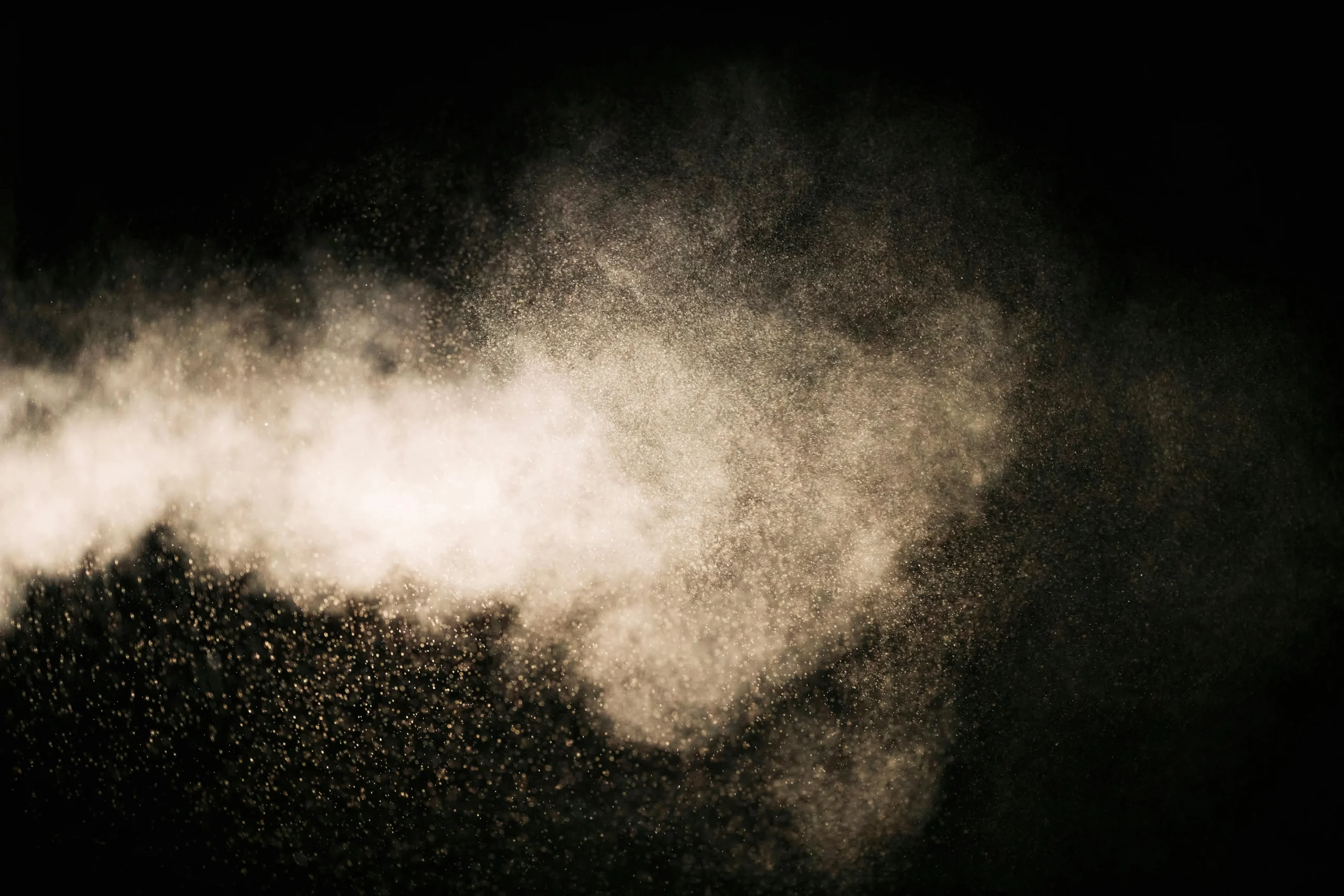
Air Atomization: How It Works and How It Compares to Hydraulic Fogging
Air atomization uses compressed air and liquid mixing to create fine, uniform droplets through twin-fluid technology. Unlike hydraulic fogging systems that rely solely on high liquid pressure, air atomization offers greater control over droplet size, improved spray consistency, and lower liquid pressure requirements, making it ideal for precision humidification, dust suppression, and industrial cooling applications.
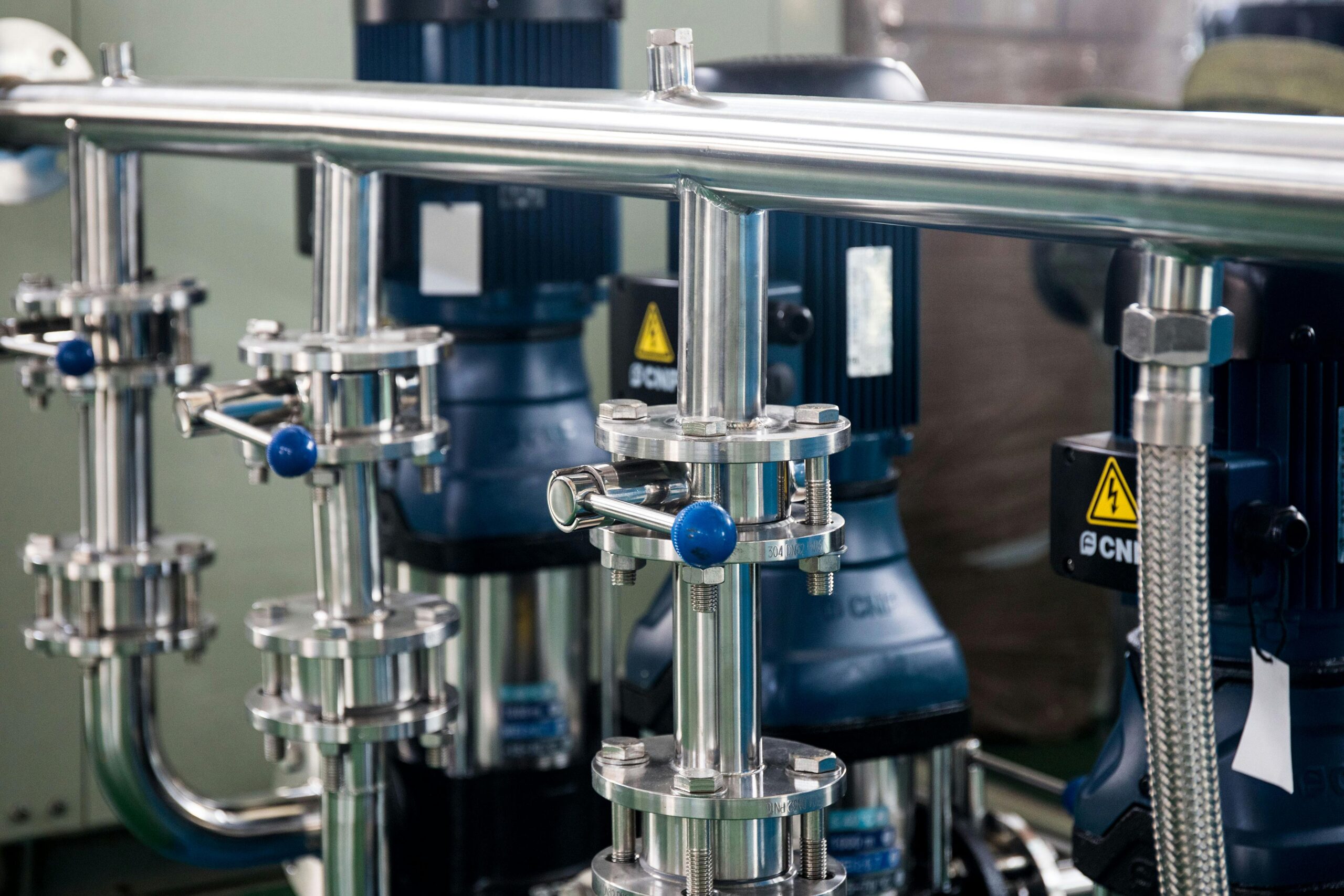
Automatic Fogging Systems: How Automation and Controls Work in Industrial Fog Applications
Automatic fogging systems use sensors, controllers, and automated valves to maintain precise humidity levels without manual intervention. By continuously monitoring environmental conditions and adjusting fog output in real time, these systems can achieve humidity control within ±1–2%, making them ideal for manufacturing facilities, data centers, pharmaceutical environments, and other applications where consistent environmental conditions are critical.

Why Your Laboratory and Cleanroom Needs an Industrial Humidifier
Laboratories and cleanrooms operate under strict humidity requirements tied to ISO classification, GMP compliance, and contamination risk. This article explains what those requirements demand from a humidification system and why technology selection matters in controlled environments.
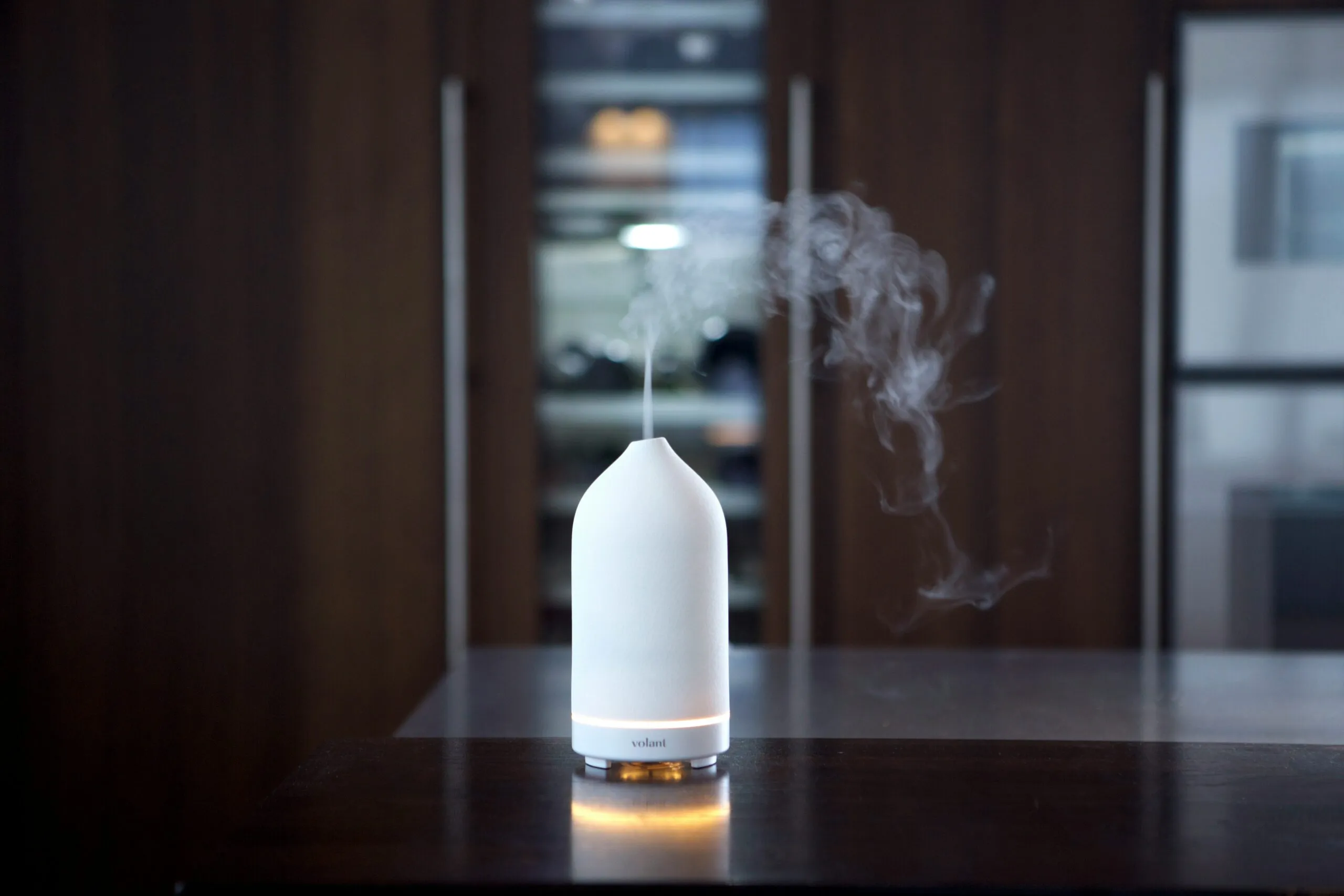
What Is a Humidifier? How It Works and Who Needs One
A humidifier adds moisture to the air to maintain healthy humidity levels, improving comfort, protecting materials, and supporting sensitive equipment or processes. Different humidifier technologies achieve this through evaporation, steam, ultrasonic vibration, or atomization, depending on the application and level of control required.
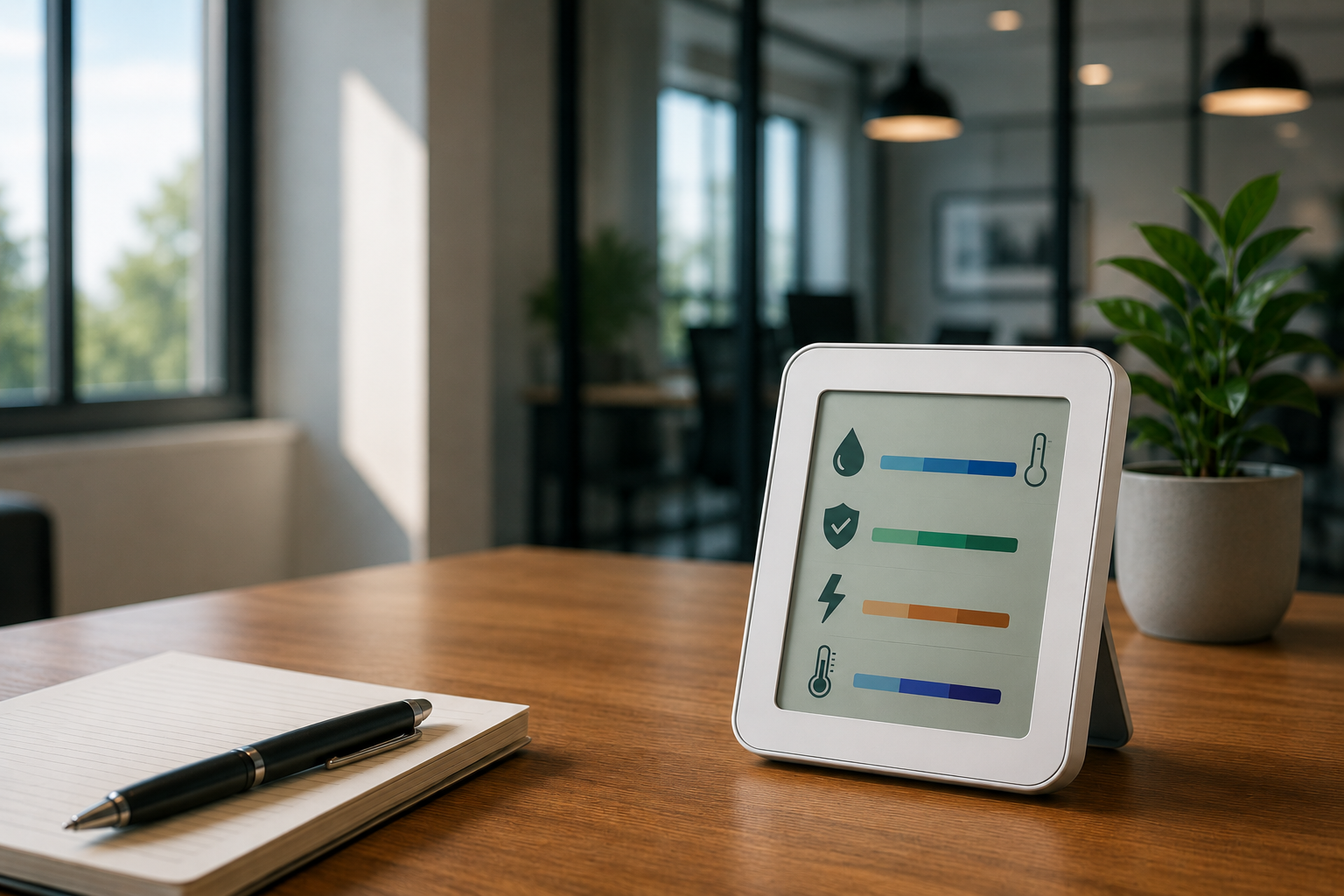
What Is Ambient Humidity and How Does It Affect Your Environment?
Ambient humidity refers to the amount of moisture present in the surrounding air at a specific location and time. Maintaining the right ambient humidity helps protect equipment, preserve materials, improve comfort, and support consistent performance in commercial and industrial environments.
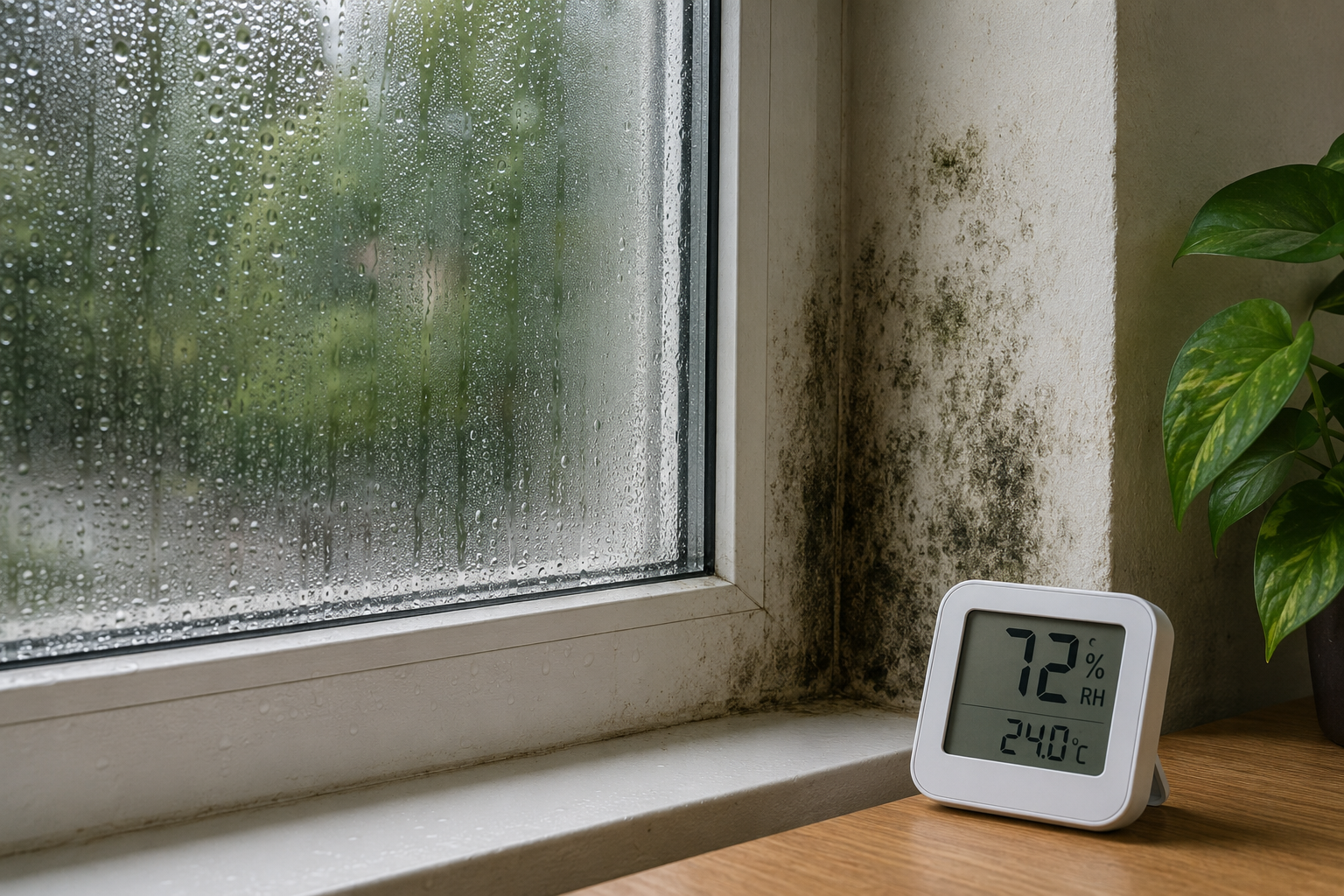
What Is Considered High Humidity? Ranges, Risks, and What to Do
High humidity is generally considered anything above 60% relative humidity, though many industrial and commercial environments require levels below 50-55% RH to protect equipment, materials, and processes. Understanding these thresholds helps prevent moisture-related issues such as mold growth, corrosion, product degradation, and operational disruption.
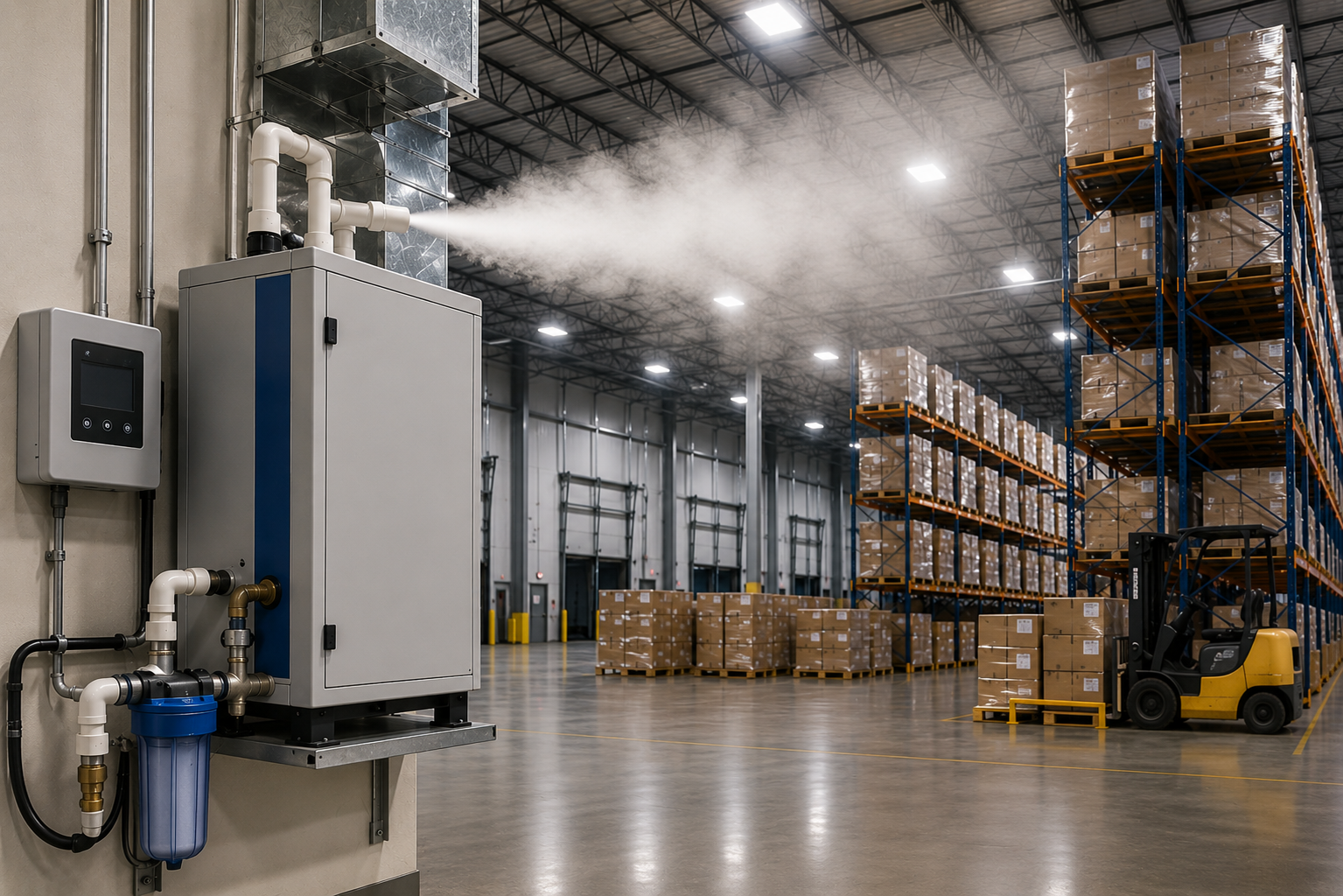
Large Room Humidifiers: How to Choose the Right Commercial System
Large commercial spaces require humidification systems designed for higher air volumes, ventilation rates, and continuous operation than residential units can support. Choosing the right system depends on accurate load calculations, facility requirements, and the level of humidity control needed to protect equipment, materials, and indoor conditions.

Is Texas Humid? A Region-by-Region Breakdown of Texas Humidity
The industrial humidifier market continues to grow as manufacturers, data centers, and regulated facilities invest in precision environmental control. Demand is increasingly driven by the need for accurate humidity management, energy efficiency, automation, and protection of sensitive equipment and production processes.