


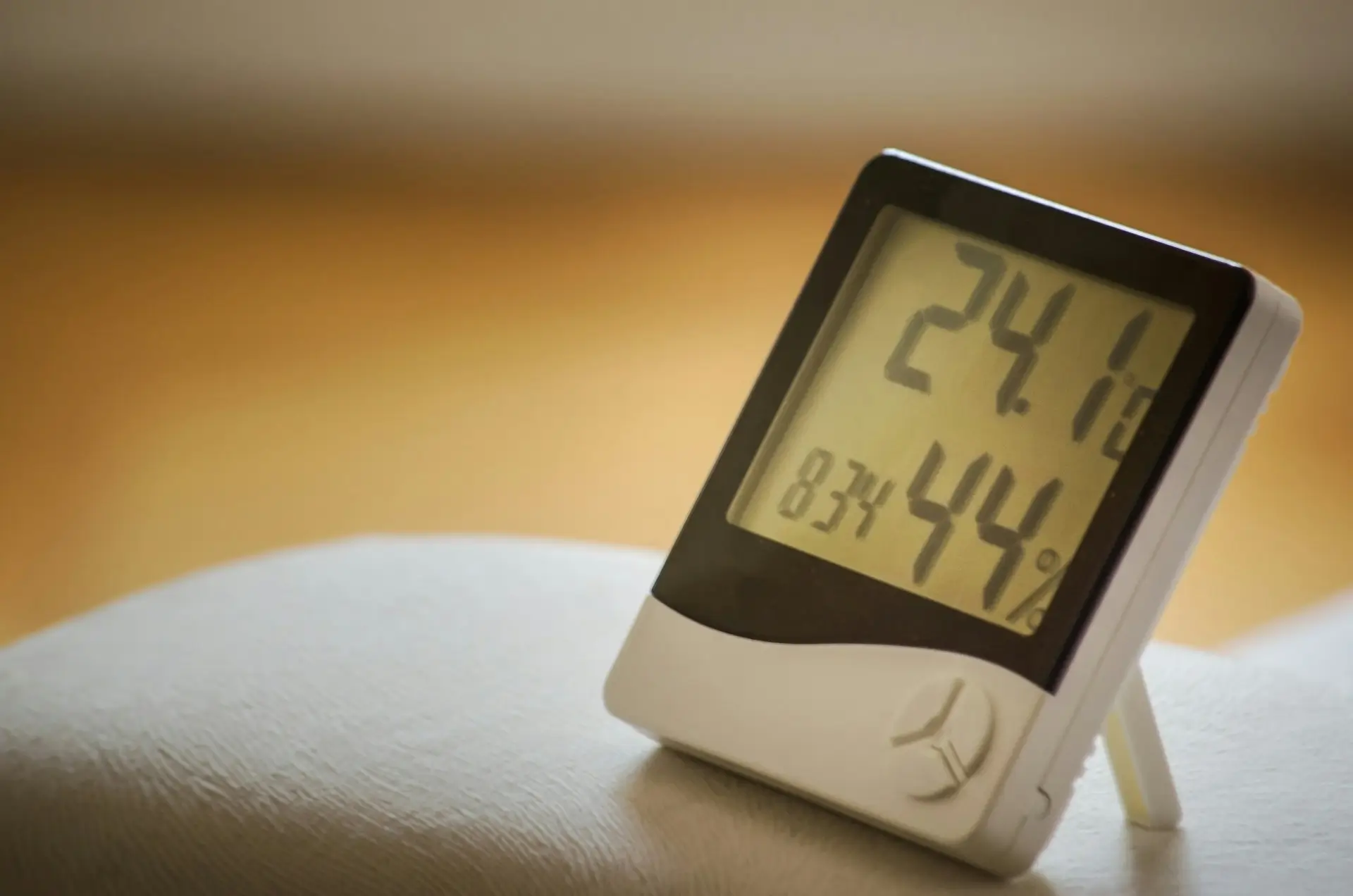
How Is Humidity Measured? Tools, Methods, and Units Explained
Learn how humidity is measured, which tools and units are used, and how readings support better environmental control. This guide explains humidity methods for buildings, production spaces, and other controlled indoor settings.

How to Lower Humidity in House: Methods That Actually Work
High indoor humidity can cause condensation, mold, and long-term damage. This guide explains how to find moisture sources, improve ventilation, and use the right methods to lower humidity and maintain stable indoor conditions.

Greenhouse Humidity Control: Preventing Disease and Optimizing Growth
A complete guide to greenhouse humidity control, including ideal RH levels, disease prevention, VPD, and methods to improve plant growth and yield.

Grow Room Humidity: Stage-by-Stage Guide
Get the right grow room humidity and temperature targets for each cannabis stage, from seedling to flower. Learn how RH shifts with plant growth and how to maintain stable conditions to reduce stress and mold risk with precision.
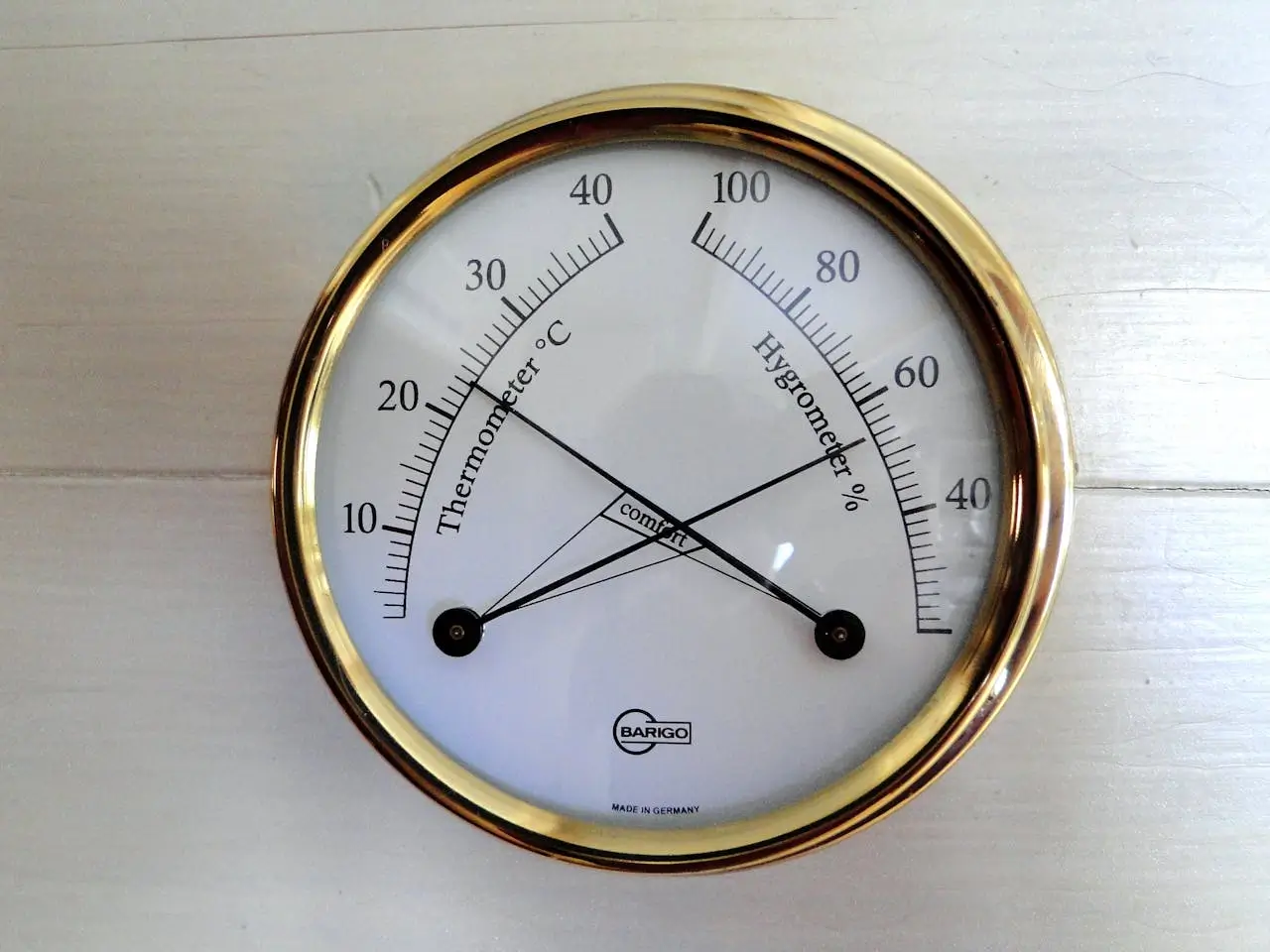
What Is a Hygrometer and How Does It Measure Humidity?
Understand what a hygrometer is, how it measures relative humidity, and how RH readings help manage comfort, materials, and controlled environments in homes and facilities.

Greenhouse Humidifier: Choosing the Right System
Choosing the right greenhouse humidifier is critical for commercial growers. This guide explains system types, non-wetting performance, and how engineered solutions deliver stable, uniform humidity control at production scale.

What Does 100% Humidity Mean? Can It Really Rain Indoors?
100% humidity doesn’t mean rain. It means the air is fully saturated. Learn why indoor spaces don’t “rain,” how condensation forms, and what high humidity actually feels like in real environments.

Electrostatic Discharge Prevention: ESD Control Methods Compared
A practical comparison of ESD control methods including grounding, ionization, wrist straps, and humidification to build a reliable, layered protection strategy.

Does Humidity Rise or Fall? How Moisture Moves Through the Air
Humid air tends to rise because it is less dense than dry air, but relative humidity can still read higher near cooler floor-level surfaces. This article explains moisture movement, indoor airflow, and humidity behavior in homes, buildings, and facilities.