 Made in USA



ESD Control Precautions: Best Practices, SOPs, and Compliance Checklist
ESD control requires more than wrist straps and antistatic mats. In this article, you’ll learn how to implement a comprehensive ESD control program, establish compliant EPA zones, maintain the environmental conditions needed to prevent static buildup, and meet ANSI/ESD S20.20 requirements through effective procedures, monitoring, and documentation.
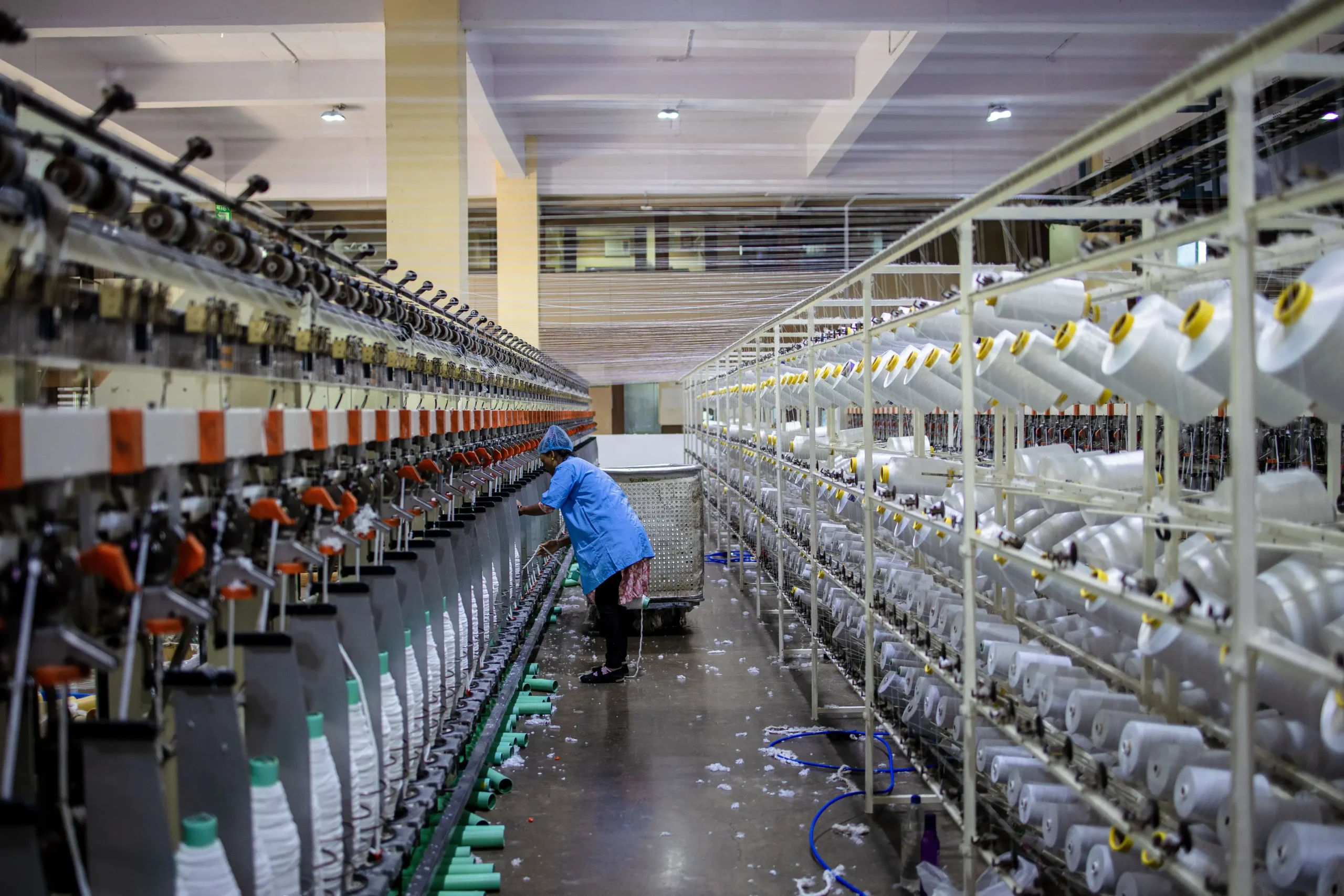
Static Elimination in Textiles: Solving Yarn Breakage, Fabric Cling, and Fiber Fly
Static electricity can disrupt every stage of textile manufacturing, from spinning and weaving to finishing and packaging. In this article, you’ll learn how low humidity contributes to yarn breakage, fabric cling, and fiber fly, and why precision humidity control offers a facility-wide solution for preventing static buildup at its source.
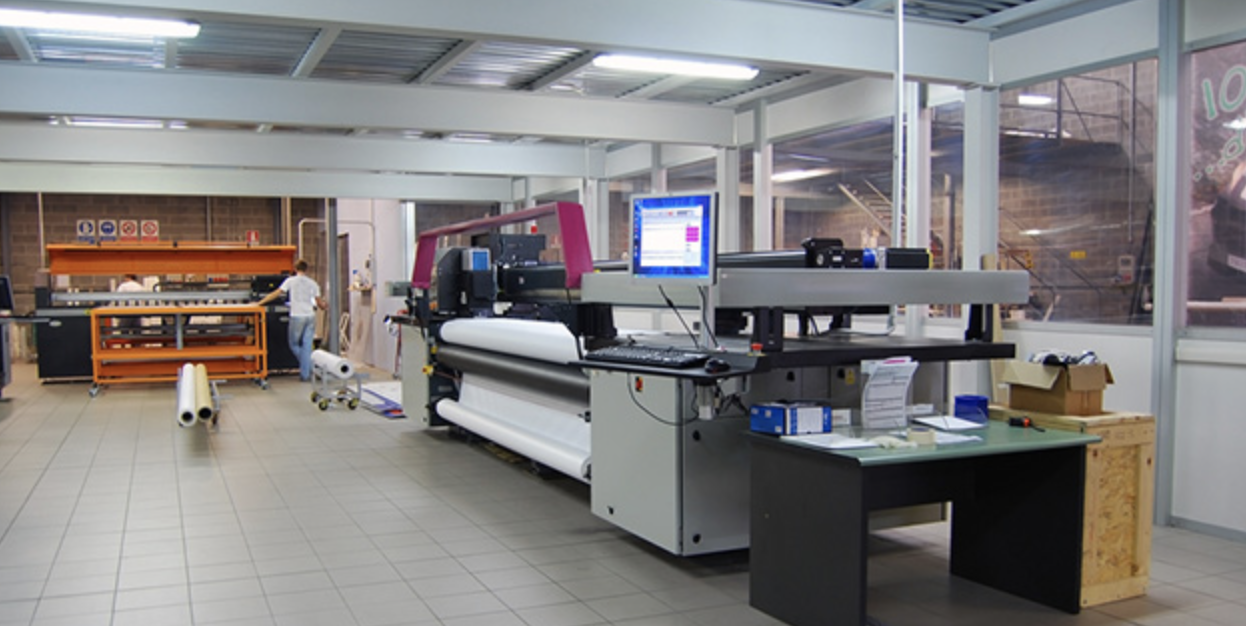
Using a Humidifier to Help Commercial Printers
Dry air causes paper curl, static-related misfeeds, and ink adhesion failure in commercial printing operations. This guide covers the humidity ranges that matter, the failure modes pressroom managers need to understand, and how to select a humidification system that adds moisture without wetting paper, substrates, or equipment.

Vertical Farm Humidity Control: Maintaining Optimal RH Across Growing Stacks
Vertical farming depends on precise humidity management to support healthy crop growth, optimise yields, and protect sensitive equipment. In this article, you’ll learn how vertical farms maintain stable humidity across growing stacks, prevent condensation on LED lighting and electronics, and use non-wetting humidification systems to create ideal conditions for controlled environment agriculture.

Humidity Control for Food Ripening: Science, Targets, and System Requirements
Maintaining the right relative humidity in a commercial ripening room is as important as ethylene concentration and temperature. This guide covers the science behind humidity’s role in fruit ripening, crop-specific RH targets, and what humidification systems can hold those conditions reliably without wetting produce or packaging.
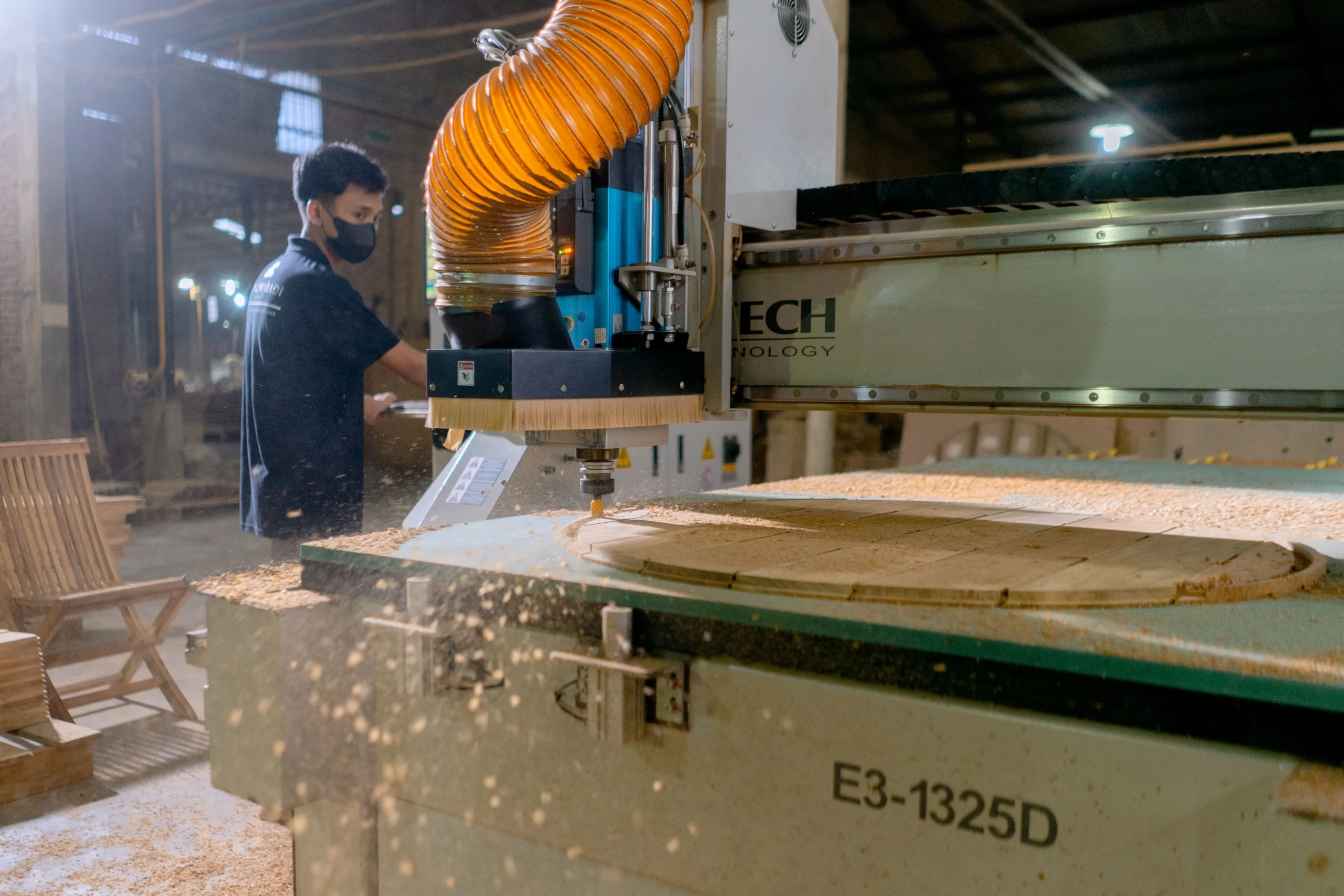
Wood Manufacturing Dust Control: How Fogging and Humidification Help
Wood manufacturing facilities face ongoing challenges with airborne sawdust, combustible dust hazards, and static electricity buildup. In this article, you’ll learn how humidity control and fogging systems help suppress fine dust particles, improve workplace safety, support NFPA 664 compliance, and enhance the effectiveness of traditional dust collection systems.
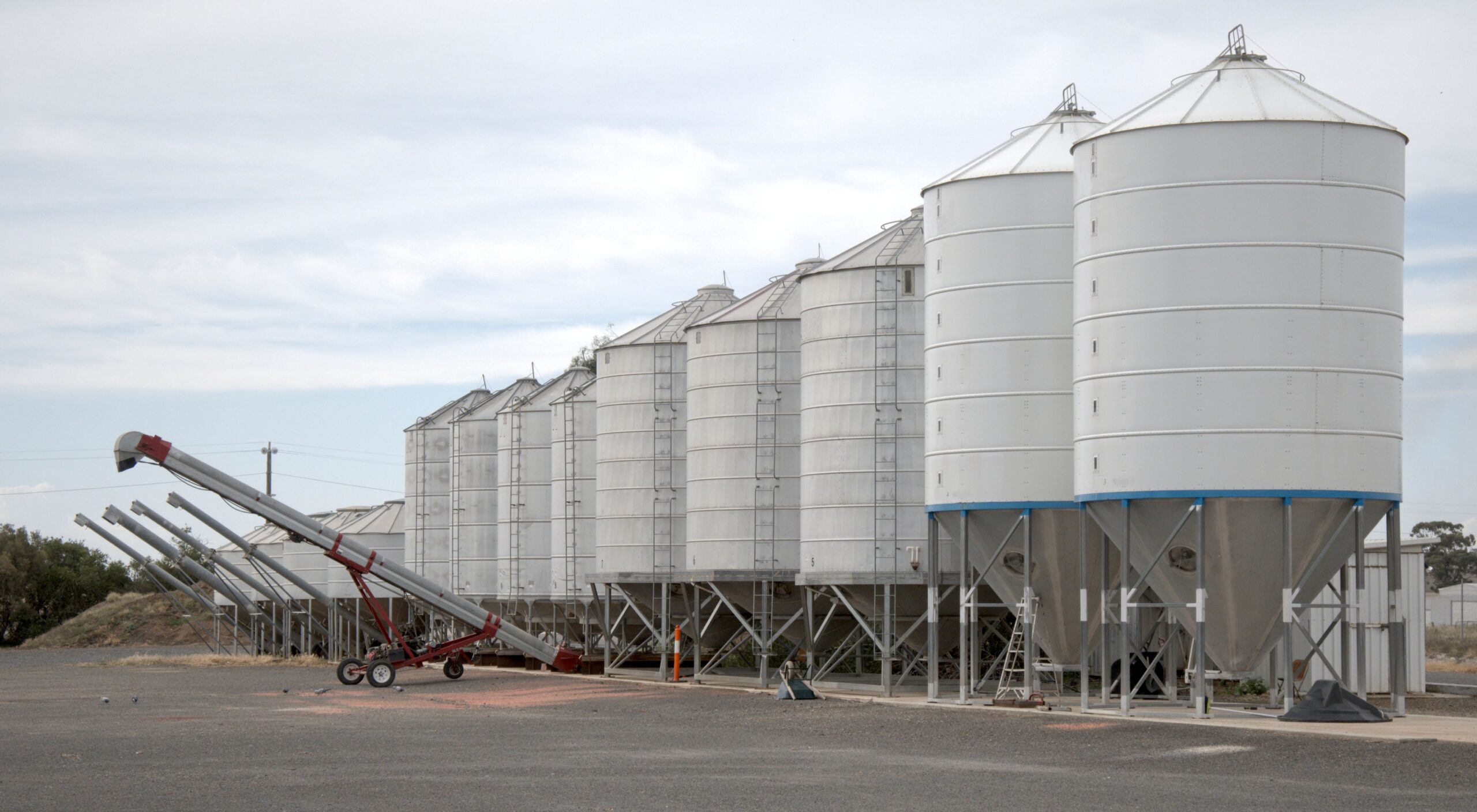
Fogging Systems for Grain Storage: Controlling Humidity for Oats, Wheat, and Cereals
Proper humidity control is essential for preserving grain quality, preventing weight loss, and reducing the risk of spoilage during storage. In this article, you’ll learn how fogging systems help maintain optimal conditions for oats, wheat, and other cereals, why non-wetting technology is critical for food safety, and how precision humidity management supports long-term commodity value.

How Industrial Humidifiers Control Static Electricity in Printing and Textile Manufacturing
Static electricity in printing and textile facilities causes misfeeds, ink defects, dust attraction, and fire risk. Industrial humidifiers address static at the environmental level by raising RH to suppress triboelectric charging before it develops.

How Dry Air Affects Food Processing Facilities
Dry air in food processing facilities causes measurable product loss, static problems in packaging lines, and worker health impacts. This guide covers the specific operational consequences of low humidity and what an appropriate humidity control solution must achieve across distinct food processing environments.