 Made in USA


ESD Testing: Types, Standards, and How to Test for Electrostatic Compliance
ESD testing verifies that electronic devices, components, and facility protection systems can withstand electrostatic discharge events without failure or performance degradation. This guide explains the most common ESD testing methods, key standards such as IEC 61000-4-2 and ANSI/ESD S20.20, testing equipment requirements, and the environmental conditions needed to maintain reliable compliance and long-term static control.
How to Get Rid of Static Electricity: Causes, Fixes, and When You Need a System
Static electricity forms when dry conditions allow electrical charges to build up on surfaces through friction, creating shocks, equipment issues, and operational disruptions. This guide explains what causes static electricity, the most effective fixes for clothing, hair, homes, and workplaces, and when professional humidity control systems become necessary for long-term static elimination.

Direct vs. Indirect Evaporative Cooling: What’s the Difference?
Direct evaporative cooling lowers air temperature by adding moisture; indirect evaporative cooling uses a heat exchanger to cool air without humidity addition. This article explains how each system works, where each fits, and what humidity management requires in both cases.
ESD Protection: A Complete Guide to Protecting Electronics from Static Damage
ESD protection is essential for preventing static electricity from damaging sensitive electronic components during manufacturing, handling, and storage. This guide explains how grounding, ionization, humidity control, protective packaging, and facility design work together to reduce electrostatic discharge risks and create a comprehensive static control program.
ESD System Installation: Planning, Setup, and Commissioning Guide
ESD system installation requires careful coordination of grounding infrastructure, humidity control, conductive flooring, and supplemental protection methods to create reliable static control throughout manufacturing facilities. This guide outlines the planning, installation, commissioning, and compliance verification steps needed to build an integrated ESD protection system that meets ANSI/ESD S20.20 requirements and supports long-term production reliability.
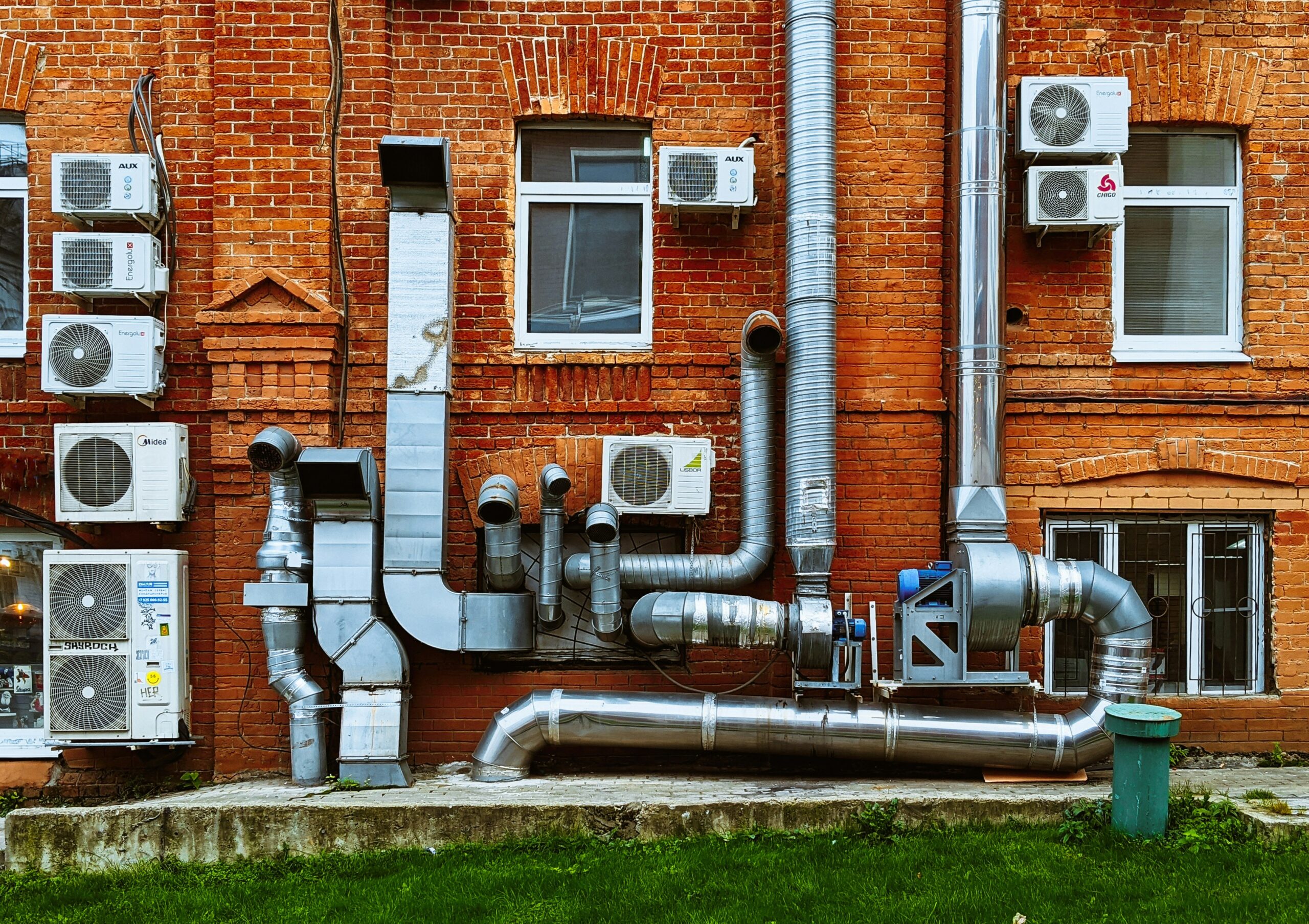
HVAC Humidification Systems: Types, How They Work, and How to Choose
HVAC humidification systems add controlled moisture to heated or conditioned air through ductwork or direct space delivery. This guide covers the main types, how they integrate with HVAC infrastructure, and how to evaluate them against your humidity precision, maintenance, and installation requirements.
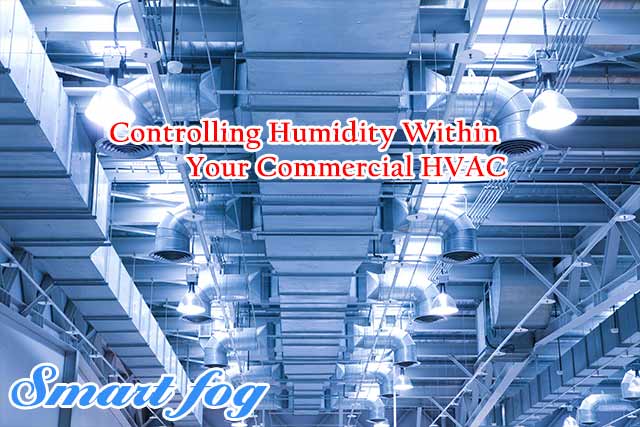
HVAC Humidity Control: A Commercial Facility Guide
Commercial HVAC systems alone rarely maintain stable relative humidity. This guide covers system types, ASHRAE targets, facility-specific requirements, and how to specify the right humidity control approach for your building.
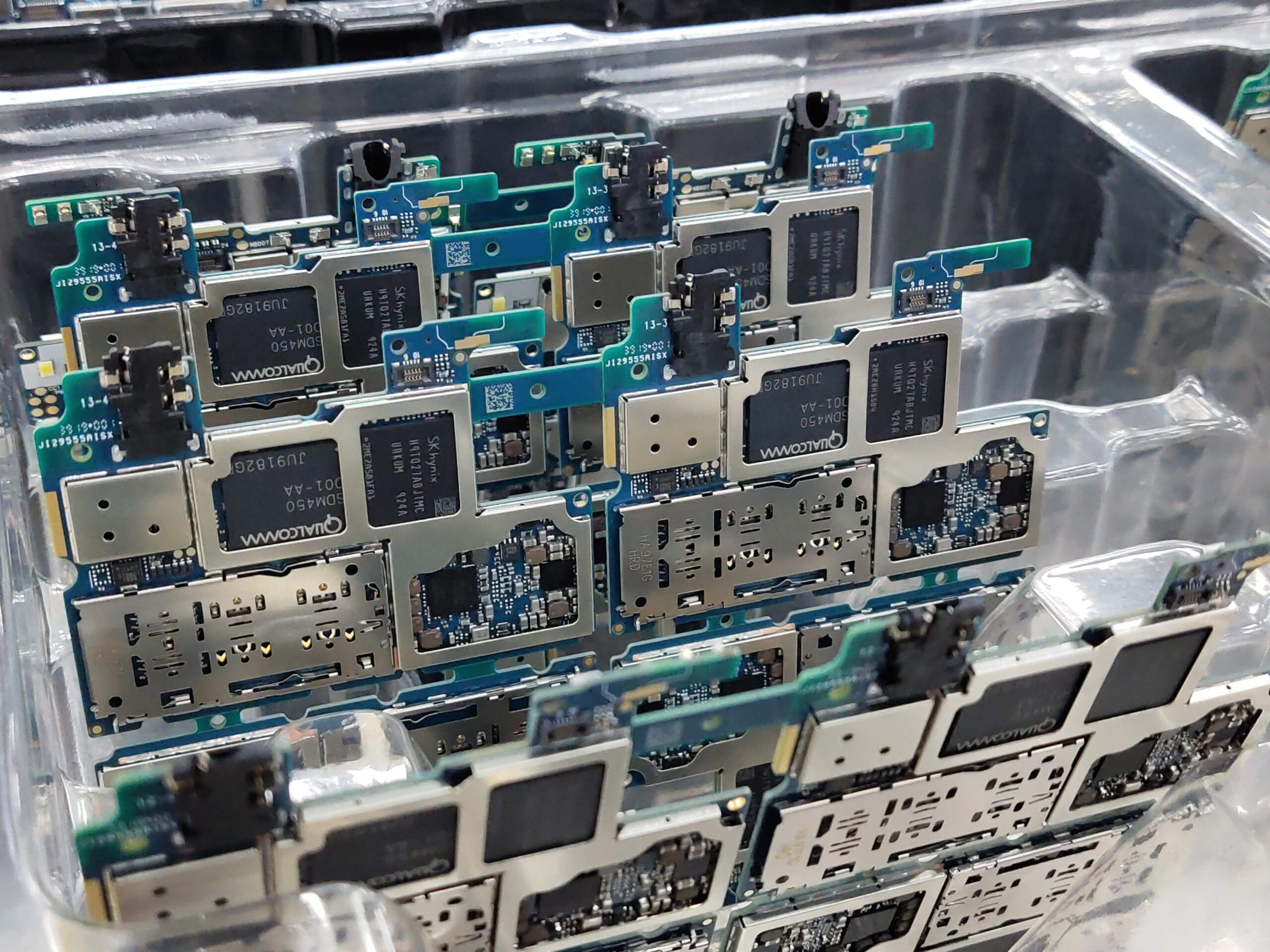
ESD Damage: What It Costs, How It Happens, and How to Prevent It
ESD damage costs electronics manufacturers billions each year, with most failures remaining hidden until products reach the field. Learn how electrostatic discharge occurs, why low humidity increases risk, and the most effective methods for preventing costly component failures and warranty claims.
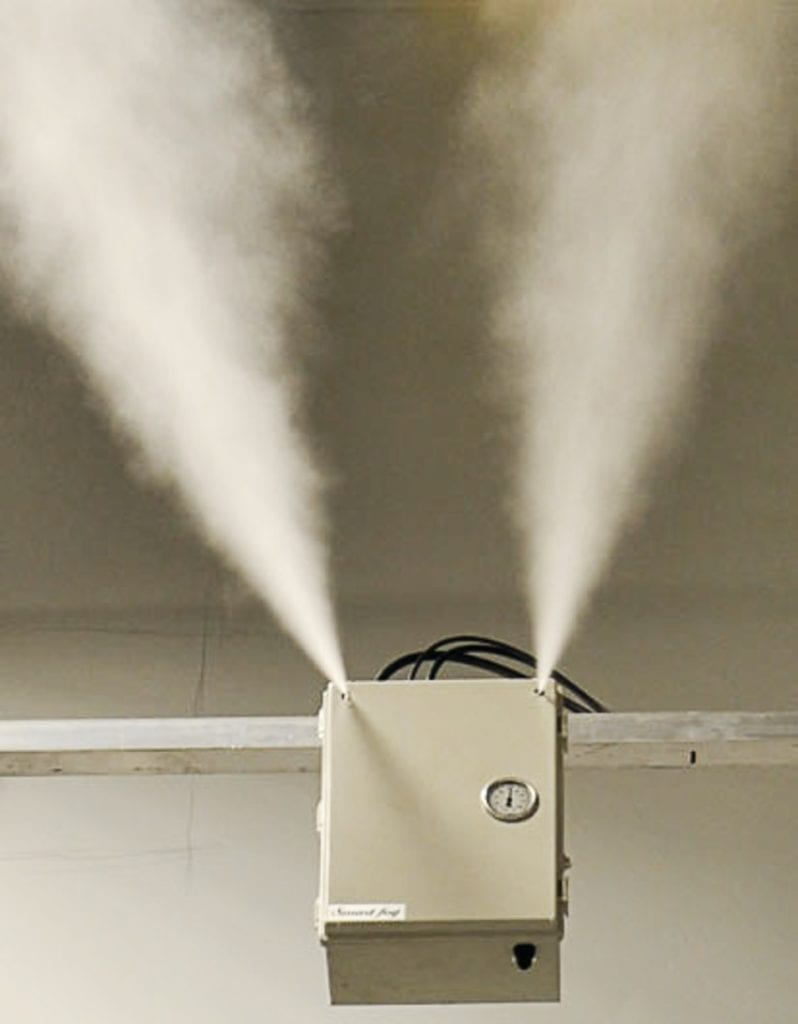
How Long Does a Humidification System Last? Lifespan by Type and What Shortens It
Humidifier lifespan depends on system type, water quality, maintenance habits, and build quality. This guide breaks down realistic service life by technology type and explains what causes industrial systems to outlast portable units by decades.