



Is Texas Humid? A Region-by-Region Breakdown of Texas Humidity
The industrial humidifier market continues to grow as manufacturers, data centers, and regulated facilities invest in precision environmental control. Demand is increasingly driven by the need for accurate humidity management, energy efficiency, automation, and protection of sensitive equipment and production processes.
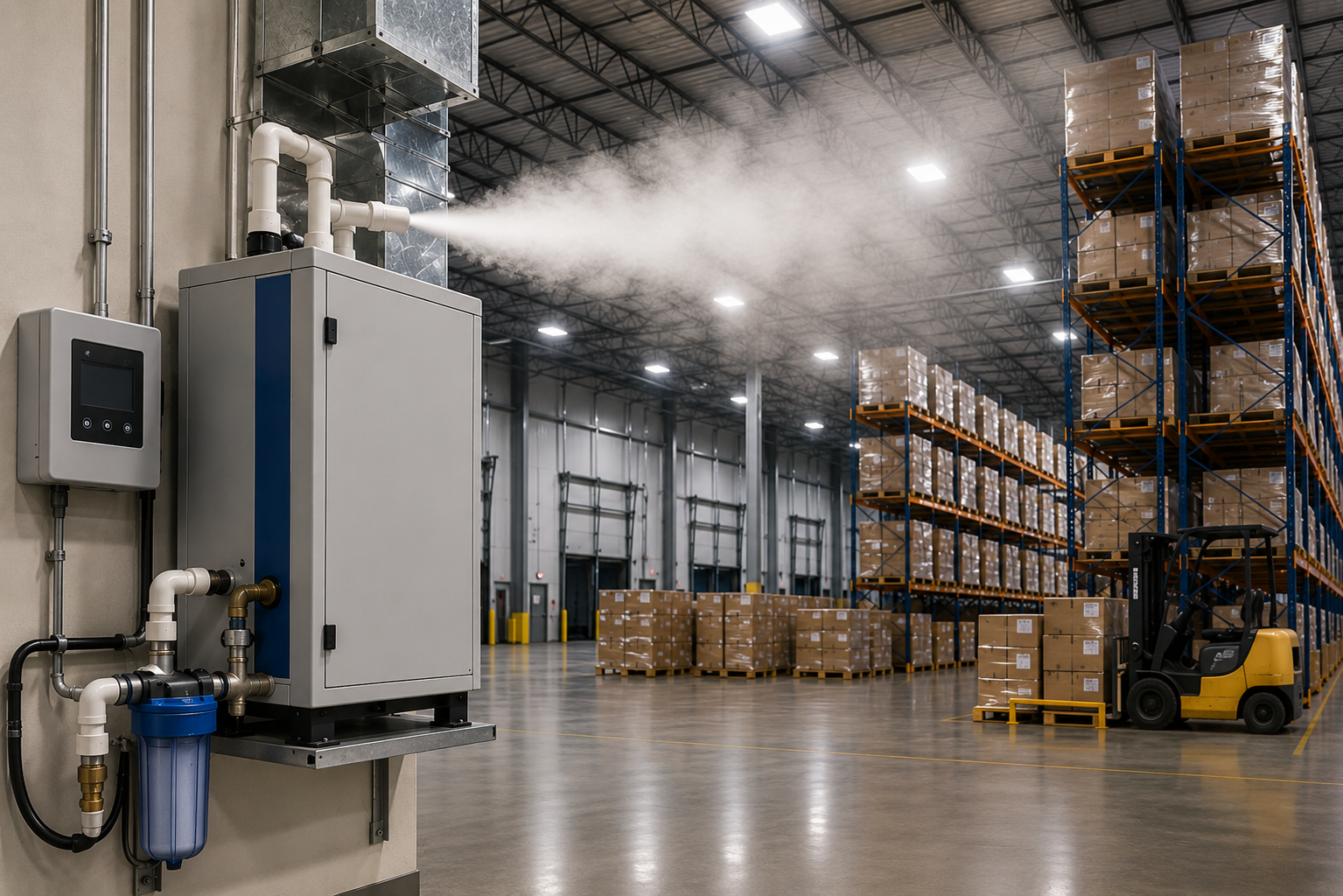
Large Room Humidifiers: How to Choose the Right Commercial System
Large commercial spaces require humidification systems designed for higher air volumes, ventilation rates, and continuous operation than residential units can support. Choosing the right system depends on accurate load calculations, facility requirements, and the level of humidity control needed to protect equipment, materials, and indoor conditions.
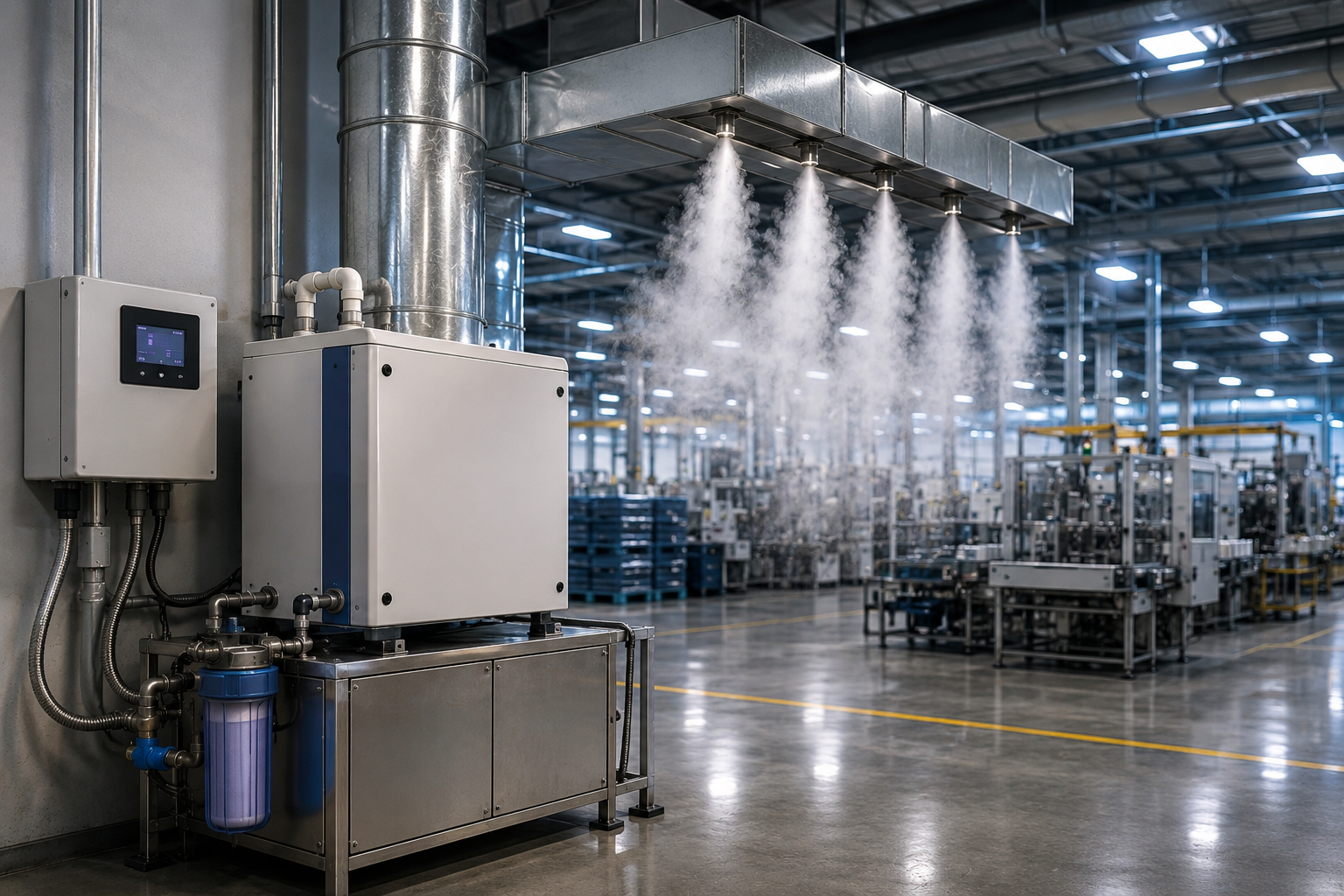
Industrial Humidifier Market: Trends, Key Players, and 2026 Outlook
The industrial humidifier market continues to grow as manufacturers, data centers, and regulated facilities invest in precision environmental control. Demand is increasingly driven by the need for accurate humidity management, energy efficiency, automation, and protection of sensitive equipment and production processes.
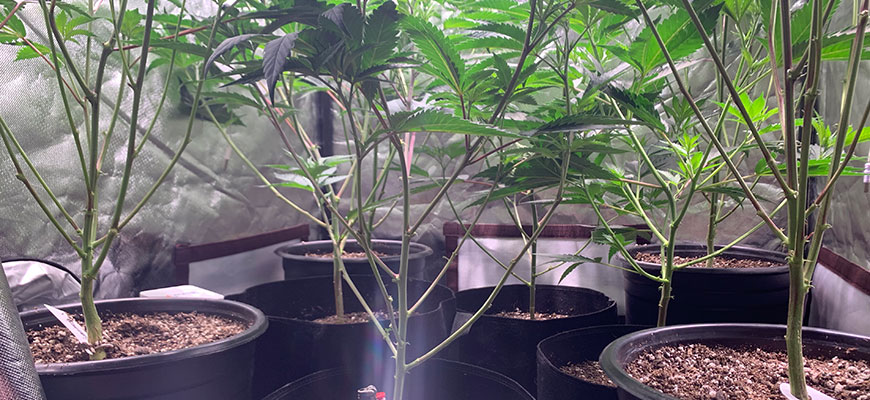
How Self-Evaporative Droplets Prevent Mold in Indoor Farms
Mold, Botrytis, and powdery mildew thrive when surface moisture accumulates in grow rooms. This article explains how precision humidity control using self-evaporative droplets removes the conditions mold requires, without wetting plants, surfaces, or growing media.

Tips for Maintaining Your Commercial Humidifier
Commercial humidifier maintenance demands more than periodic cleaning. This guide covers a practical frequency-based schedule, mineral deposit management, filter and sensor servicing, and early warning signs of deferred maintenance for industrial facilities.
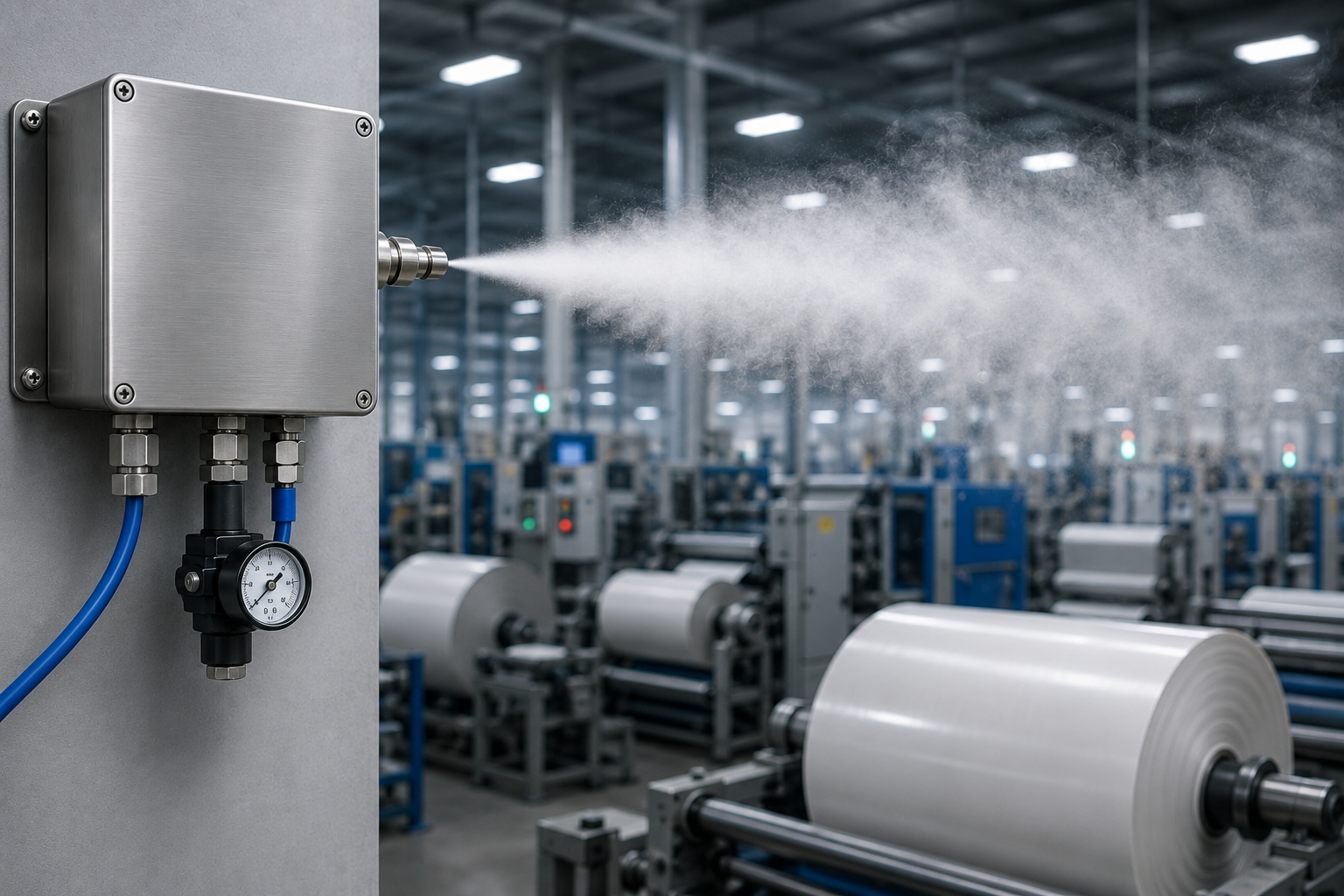
What Is Dry Fog? How SmartFog’s Core Technology Works
Dry fog is a humidification technology that creates self-evaporating water droplets, allowing precise humidity control without wetting surfaces, equipment, or products. This approach helps industrial facilities maintain stable humidity levels while avoiding the condensation and contamination risks associated with traditional humidification methods.
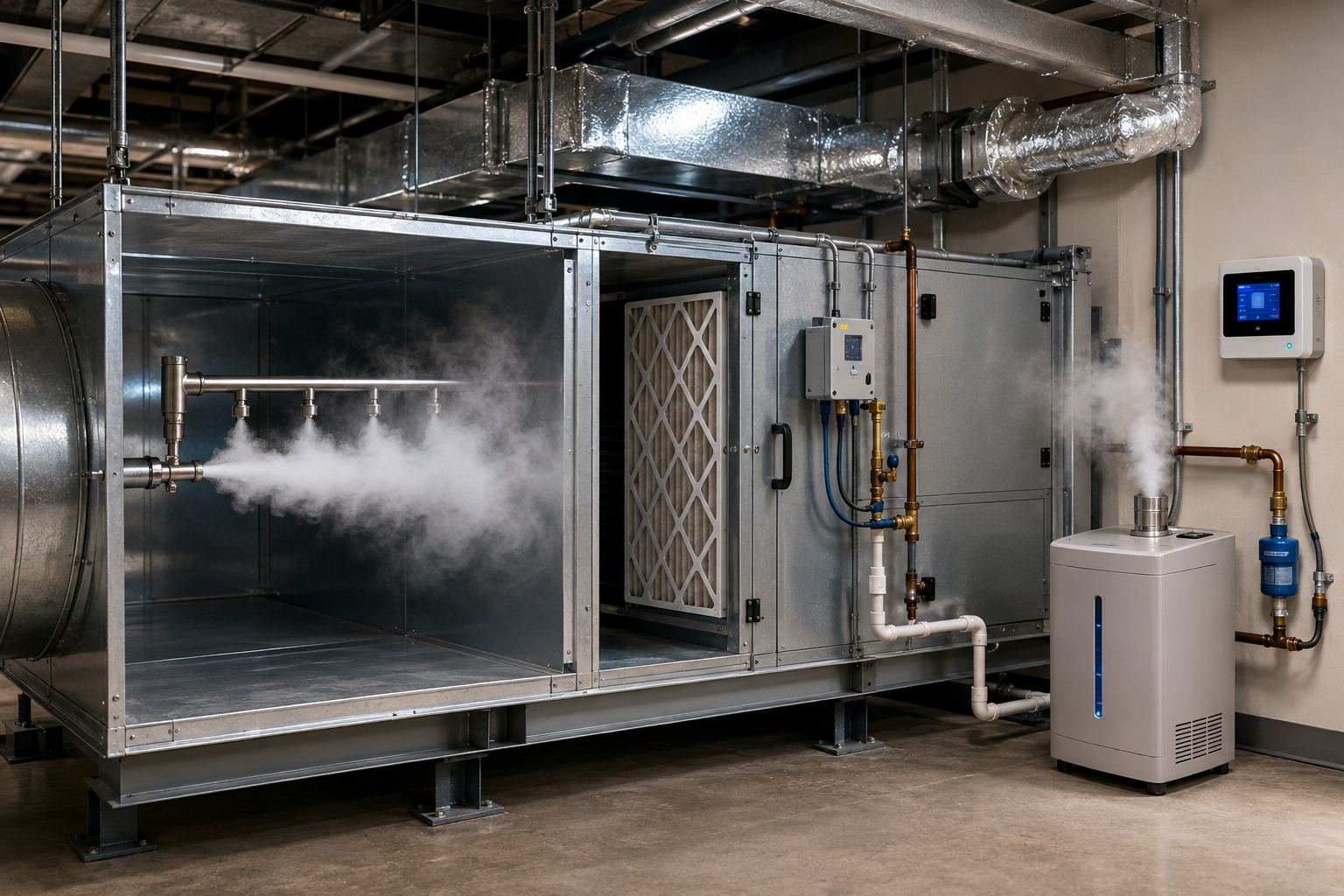
HVAC Humidity Control: How to Add Humidification to Your HVAC System
HVAC humidification systems help maintain consistent indoor moisture levels by integrating directly with air handling equipment or ductwork. The right setup depends on building requirements, existing infrastructure, and the level of humidity control needed for occupant comfort, equipment protection, or process performance.
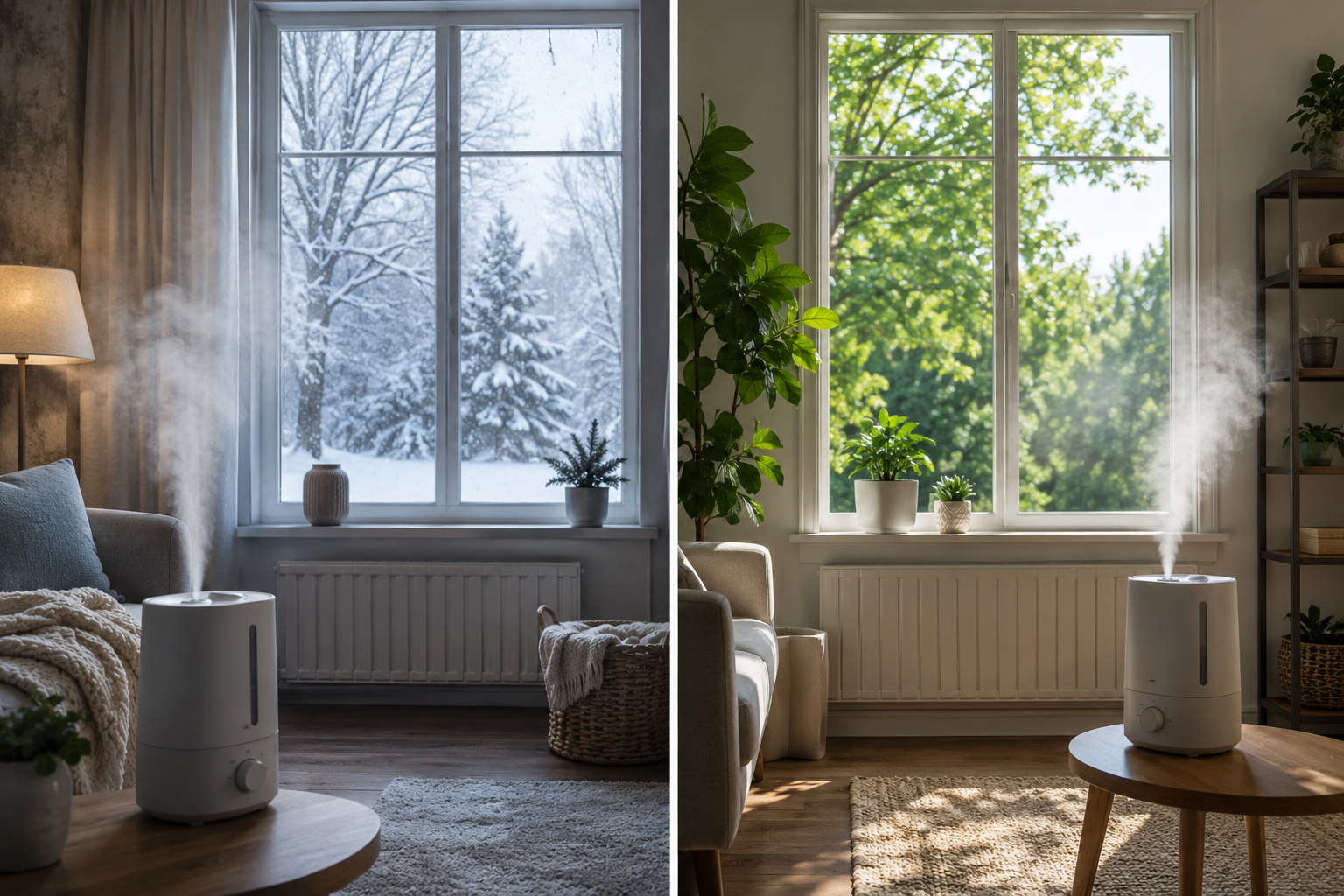
Humidity in Winter vs Summer: Why It Changes and How to Manage It
Humidity changes between winter and summer because warm air can hold far more moisture than cold air, while heating and cooling systems further alter indoor conditions throughout the year. Maintaining stable humidity levels helps reduce seasonal problems like static electricity, condensation, dry air discomfort, and equipment performance issues.

Does Humidity Make You Tired? The Science Behind Humidity and Fatigue
Both high and low humidity can contribute to fatigue by forcing the body to work harder to regulate temperature, maintain hydration, and support efficient breathing. Stable indoor humidity levels help improve comfort, sleep quality, focus, and overall energy levels throughout the day.