



Evaporative Cooling for Data Centers: How It Works, PUE Benefits, and System Options
Data centers are increasingly turning to evaporative cooling to reduce energy consumption and improve PUE without compromising performance. In this article, you’ll learn how direct, indirect, and hybrid evaporative cooling systems work, how climate and ASHRAE requirements influence system design, and why precise humidity control is critical for maintaining efficiency, reliability, and equipment protection.

Humidity Control for Food Ripening: Science, Targets, and System Requirements
Maintaining the right relative humidity in a commercial ripening room is as important as ethylene concentration and temperature. This guide covers the science behind humidity’s role in fruit ripening, crop-specific RH targets, and what humidification systems can hold those conditions reliably without wetting produce or packaging.
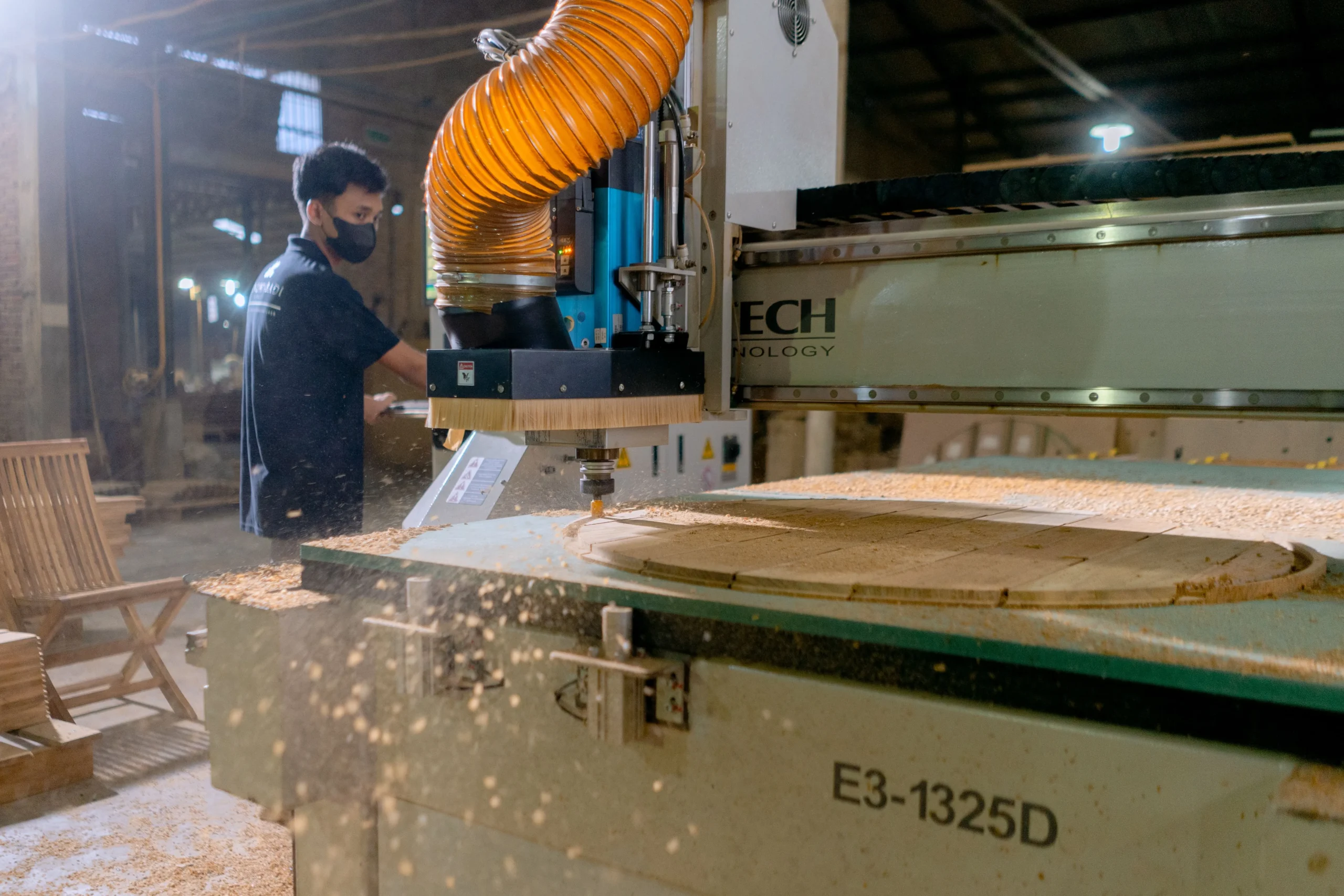
Wood Manufacturing Dust Control: How Fogging and Humidification Help
Wood manufacturing facilities face ongoing challenges with airborne sawdust, combustible dust hazards, and static electricity buildup. In this article, you’ll learn how humidity control and fogging systems help suppress fine dust particles, improve workplace safety, support NFPA 664 compliance, and enhance the effectiveness of traditional dust collection systems.
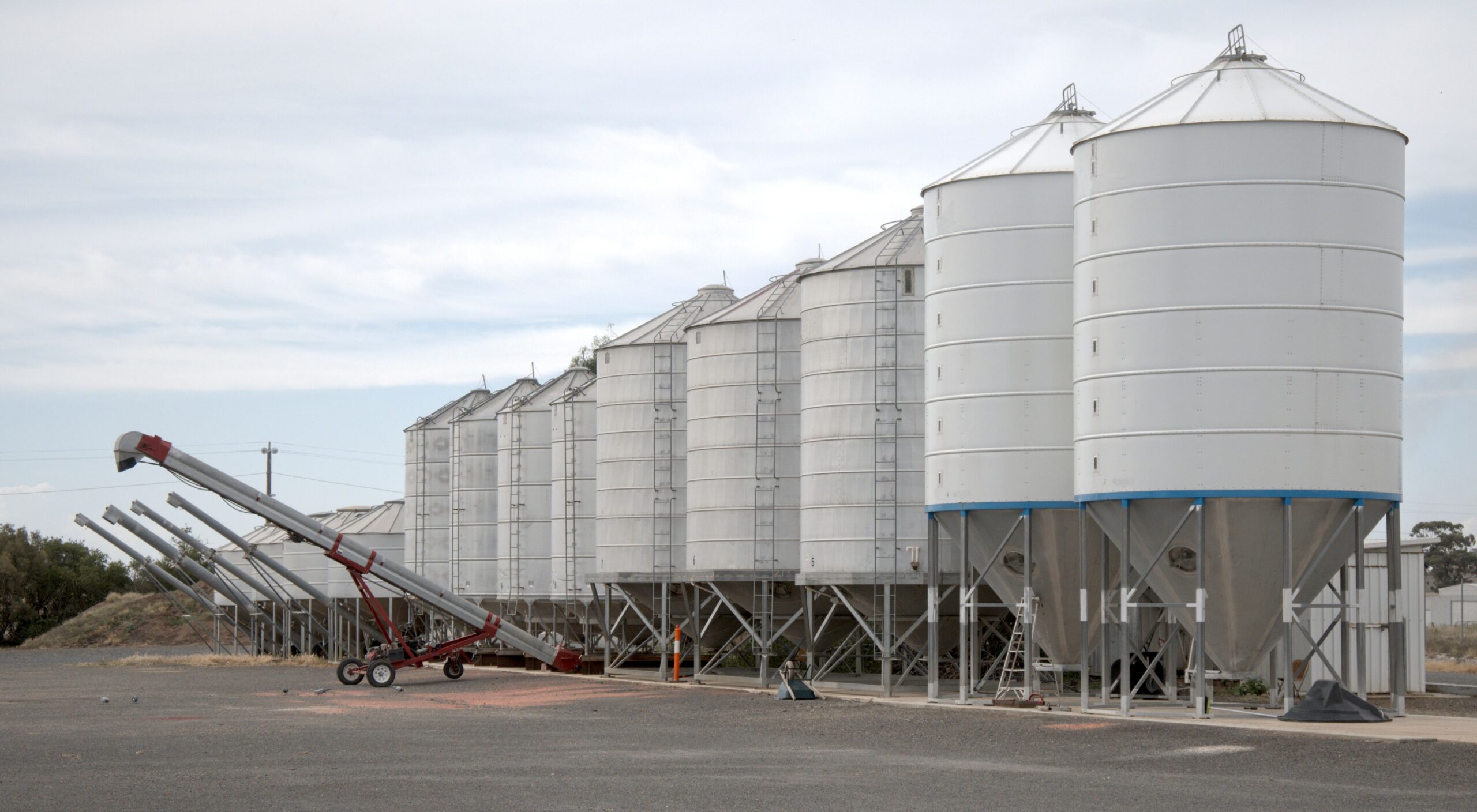
Fogging Systems for Grain Storage: Controlling Humidity for Oats, Wheat, and Cereals
Proper humidity control is essential for preserving grain quality, preventing weight loss, and reducing the risk of spoilage during storage. In this article, you’ll learn how fogging systems help maintain optimal conditions for oats, wheat, and other cereals, why non-wetting technology is critical for food safety, and how precision humidity management supports long-term commodity value.

How Industrial Humidifiers Control Static Electricity in Printing and Textile Manufacturing
Static electricity in printing and textile facilities causes misfeeds, ink defects, dust attraction, and fire risk. Industrial humidifiers address static at the environmental level by raising RH to suppress triboelectric charging before it develops.

How Dry Air Affects Food Processing Facilities
Dry air in food processing facilities causes measurable product loss, static problems in packaging lines, and worker health impacts. This guide covers the specific operational consequences of low humidity and what an appropriate humidity control solution must achieve across distinct food processing environments.
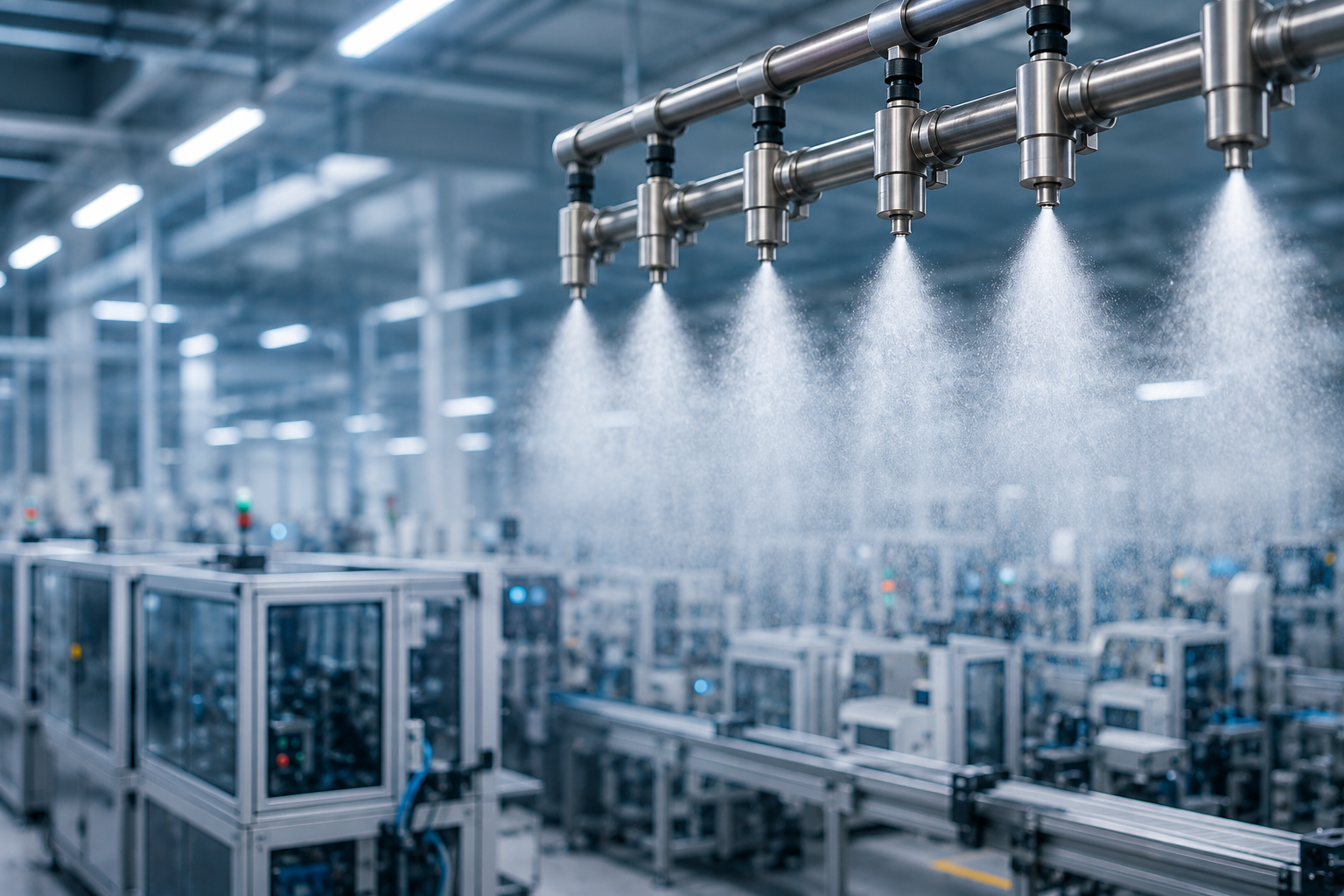
Self-Evaporative Humidifier Technology: How It Works and Who Needs It
Self-evaporative humidifier technology produces precisely sized water droplets that evaporate completely before reaching surfaces, enabling high-precision humidity control without condensation risks. This approach helps facilities such as data centers, electronics manufacturers, and pharmaceutical operations maintain stable environmental conditions while protecting sensitive equipment, products, and cleanroom environments from moisture-related damage.
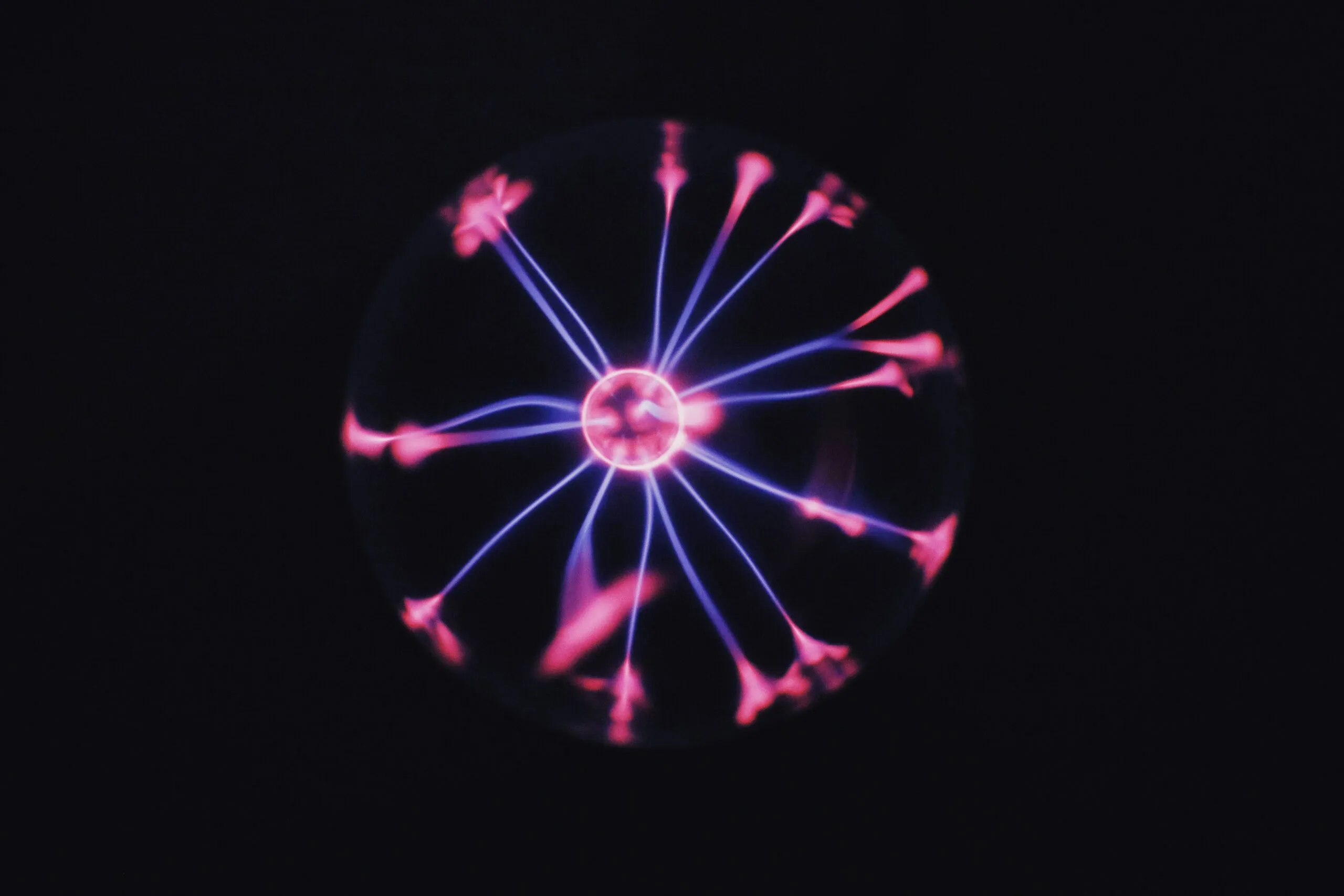
Static Elimination: Methods, Systems, and When Humidity Is the Answer
Static electricity can damage electronics, attract contaminants, and disrupt manufacturing processes, but not all static elimination methods work the same way. In this article, we compare ionization, grounding, and humidity control systems, explaining how each approach manages electrostatic charge and why preventing static formation through precise humidity control often delivers the most comprehensive protection.

Mist Systems: Types, Applications, and How to Choose the Right One
Mist systems serve a wide range of applications, from outdoor cooling to industrial humidification. High-pressure systems provide evaporative cooling outdoors, while precision industrial mist systems maintain humidity within ±1-2% accuracy without wetting surfaces. Choosing the right mist system depends on the environment, desired precision, and whether surface wetting can be tolerated.