

 Made in USA

- Industrial humidification systems are used to support environmental control, process stability, and air quality.
- Different systems are built for different goals, including cooling, dust control, and precision humidity control.
- Non-wetting performance is critical in facilities where surface moisture can damage equipment or materials.
- System design, nozzle performance, and control accuracy all affect long-term results.
- Smart Fog uses self-evaporating dry fog for stable, uniform humidity control without wetting surfaces.
What Is a Fog System? Clearing Up the Terminology
Terms like fog, mist, and humidification are often grouped together, but they do not always mean the same thing in industrial use. The differences matter because each system is built for a different purpose and produces a different result in the space.Fog Machines, Mist Systems, and Dry Fog Humidifiers
Not every fog-based system is designed for the same outcome. Some are used for visual effects, some for outdoor cooling or dust suppression, and others for controlled humidification in sensitive environments. A practical way to separate them is by what they are meant to do:- Traditional mist systems: Often used for cooling or dust suppression, but they may leave some surface moisture depending on the application and operating conditions.
- Visual fog machines: Usually designed for appearance or atmosphere rather than precise humidity control.
- Dry fog humidification systems: Designed for stable humidity control using self-evaporating droplets that stay airborne long enough to humidify without wetting surrounding surfaces under normal operation.
Where the Confusion Comes From
A lot of confusion comes from the way these systems are described in the market. Different technologies are often grouped under broad terms even when their purpose, output, and performance are very different. That is why engineers and facility teams need to focus on system behavior rather than label alone. The real question is whether the system is built for visible effect, basic cooling, dust suppression, or precise non-wetting humidity control.How Industrial Fog Systems Work
Industrial fog systems work by introducing water into the air in a controlled form. The exact method depends on the type of system and the result the facility needs, whether that is cooling, dust management, or precise humidity control.High Pressure Systems
High pressure systems use pressurized water and specialized nozzles to introduce moisture into the air. These systems are often used in applications where the goal is cooling, dust control, or broader environmental management across larger areas. Their effectiveness depends heavily on nozzle design, pressure control, and placement within the space. In the wrong setup, moisture can become less controlled, which is why system selection must match the site requirement.Ultrasonic Systems
Ultrasonic systems use high-frequency vibration to create moisture for indoor use. They are often selected for applications where smaller-scale indoor humidification is needed and where system simplicity is part of the requirement. A few common characteristics help explain where they fit:- They are typically used for smaller indoor humidification applications.
- Their performance depends heavily on water quality and maintenance.
- They are not always the best fit for industrial environments that need tighter humidity control.
Dry Fog Humidification Systems
Dry fog humidification systems are built for facilities that need stable humidity control without wetting surrounding surfaces. Smart Fog is a non-wetting precision humidification system that uses self-evaporating droplets to deliver stable, uniform humidity control. Smart Fog systems use compressed air and water through a proprietary nozzle to create self-evaporating droplets. These droplets evaporate before reaching floors, walls, equipment, or materials under normal operating conditions. This makes the system well suited for sensitive industrial environments. A few points explain why dry fog systems are different:- Humidity control: Built for stable, uniform humidity across the space.
- Surface protection: Designed to avoid wetting floors, walls, equipment, and materials.
- Industrial fit: Well suited for sensitive environments where precise, non-wetting humidification is required.
Why the "Dry" in Dry Fog Matters for Industrial Environments
Dry fog matters because industrial humidification has to do more than add moisture to the air. It has to support stable humidity without creating wet surfaces, condensation, or process problems in the surrounding environment.What Happens When a Humidification System Wets Surfaces
In industrial environments, uncontrolled moisture can create serious operational problems. When humidity systems leave water on surfaces, the issue is no longer just comfort or air quality. It can directly affect safety, equipment condition, and production reliability. A few common problems often follow when surfaces become wet:- Equipment damage: Moisture on electronic systems, controls, or sensitive hardware can increase the risk of corrosion and performance issues.
- Safety risks: Wet floors can create slip hazards in active work areas.
- Hygiene concerns: Damp areas can support mold, bacteria, or other moisture-related contamination problems.
- Process disruption: Some materials and production steps require dry conditions, so unwanted wetting can interfere with handling and consistency.
How Dry Fog Evaporates Before Contact
Dry fog works by releasing self-evaporating droplets into the air. Because the droplets evaporate before reaching surrounding surfaces under normal operating conditions, the system increases humidity without wetting surfaces. This helps avoid the problems associated with less controlled methods. That rapid evaporation is what allows dry fog to support precise humidity control in sensitive spaces. Instead of leaving moisture on equipment or materials, the water is absorbed into the air, helping maintain a stable environment while keeping surfaces dry.Industrial Applications of Fog Humidification Systems
Industrial facilities use dry fog humidification when they need more than basic moisture addition. They need humidity control that is stable, uniform, and reliable enough to protect materials, support operations, and reduce risks caused by dry air or fluctuating conditions.Data Centers: Controlling Static and Protecting Hardware
Data centers contain sensitive electronic equipment that can be affected by dry air and electrostatic buildup. Stable humidity control helps reduce that risk and supports a more controlled operating environment. In these spaces, non-wetting humidification is essential because moisture on equipment is not acceptable. Dry fog allows facilities to support humidity control without introducing the surface wetting that could threaten hardware reliability.Defence and Military Facilities
Defence and military environments often require tightly managed indoor conditions to help protect communications equipment, electronics, storage areas, and other sensitive assets. These facilities also need solutions that perform reliably under demanding conditions. Dry fog humidification supports that need by helping maintain stable humidity while avoiding the wetting risks that could affect equipment or facility conditions. This makes it a strong fit for environments where reliability and environmental control both matter.Hospitals and Healthcare Environments
Healthcare spaces depend on controlled indoor conditions to support comfort, cleanliness, and consistent building performance. Humidity control can play an important role in maintaining those conditions across different parts of the facility. In these environments, non-wetting performance is especially important because surfaces, equipment, and surrounding areas must remain dry. Dry fog humidification helps support balanced indoor humidity without creating condensation or unwanted moisture on nearby surfaces.Printing and Paper Processing
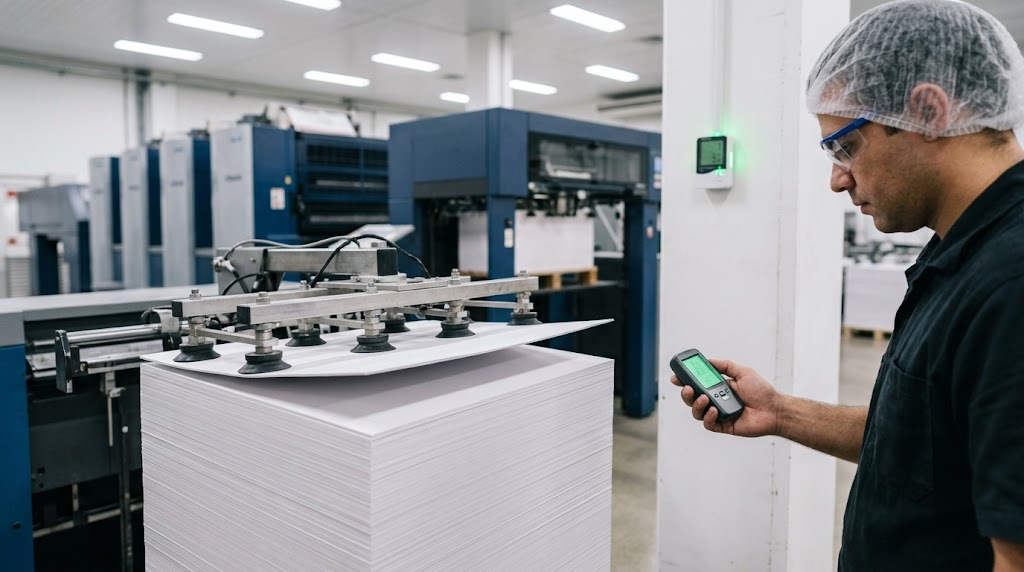
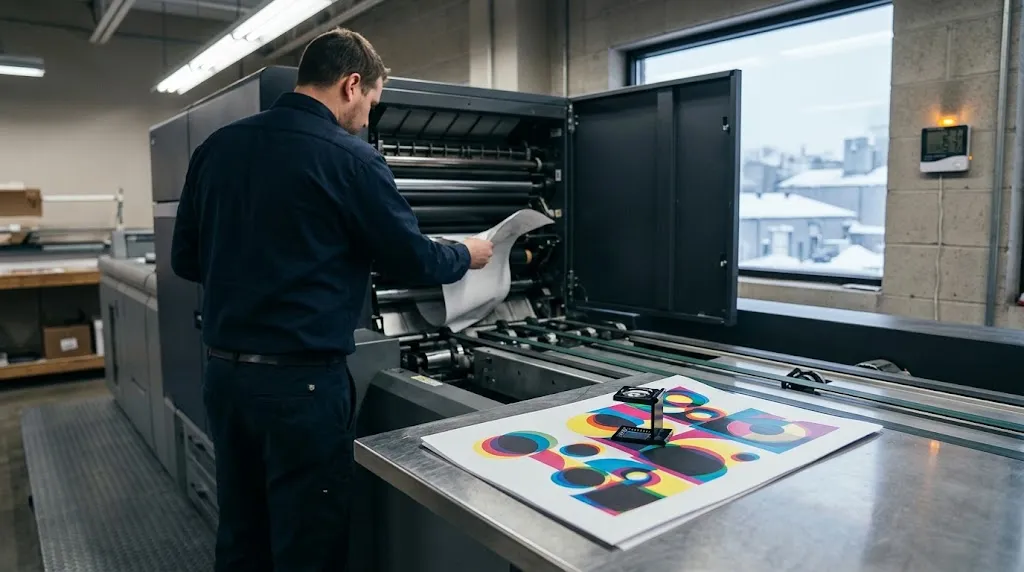
Printing and paper processing environments are highly sensitive to humidity changes. When humidity fluctuates too much, paper can curl, shrink, jam, or move inconsistently through production equipment. Dry fog humidification helps create more stable operating conditions in these facilities. That can support performance in several ways:- Material stability: Helps reduce changes in paper condition caused by dry air or shifting humidity.
- Static reduction: Helps limit static-related handling issues during production.
- Process consistency: Supports more reliable movement of materials through fast production lines.
Cold Storage, Food Processing, and Cannabis Cultivation
Cold storage and food processing facilities rely on precise humidity to protect perishable goods, maintain product integrity, and meet storage specifications. In these environments, non-wetting performance is essential as surface moisture creates contamination and spoilage risk that cannot be tolerated. Cannabis cultivation facilities require similarly precise control, where humidity stability directly affects plant health, yield consistency, and post-harvest quality.What to Look for in an Industrial Fog System
Choosing an industrial fog system is not just about adding moisture to the air. The system has to match the facility’s environmental needs, support stable performance, and operate reliably under the conditions of that specific space.Precision and Stability: Why Fluctuating RH Is a Problem
Humidity control only works well when it stays stable. If relative humidity rises and falls too often, the result can be static buildup, material instability, process inconsistency, or changing conditions that affect sensitive equipment. A strong system should be able to maintain steady humidity across the space rather than creating uneven output. That level of control is especially important in facilities where small environmental shifts can affect operations, product quality, or equipment reliability.Maintenance Requirements and Total Cost of Ownership
The value of a humidification system depends on more than the initial installation cost. Long-term performance is closely tied to maintenance needs, water quality management, and how easily the system can be serviced over time. A few factors matter most when evaluating long-term ownership:- Water quality protection: Strong filtration and proper water treatment help reduce mineral buildup and protect system performance.
- Component durability: Corrosion-resistant parts and reliable construction support longer service life in industrial environments.
- Ease of service: Systems should allow practical access for inspection, maintenance, and routine upkeep.
Installation and Scalability
An industrial humidification system should be designed for current requirements and future growth. As facilities expand or process demands change, the system should be able to scale without forcing a complete redesign. A useful way to compare system capability is to look at how basic and advanced systems typically differ:- Control precision: Basic systems often rely on simpler manual control, while advanced systems provide more automated and accurate humidity management.
- Maintenance profile: Standard systems may require more frequent intervention, while better-engineered systems are usually designed for more efficient long-term upkeep.
- Scalability: Limited systems can become restrictive as needs grow, while modular systems are better suited for expansion and changing facility demands.
Smart Fog: The Original Dry Fog Humidification System
Smart Fog is a non-wetting precision humidification system that uses self-evaporating dry fog to deliver stable, uniform humidity control. It is designed for facilities that need reliable environmental performance without the wetting risks associated with traditional humidification approaches.How Smart Fog Differs from Standard Misting Systems
Smart Fog is not traditional misting. It uses compressed air and water through a proprietary nozzle to create self-evaporating droplets that are absorbed into the air before reaching surfaces under normal operating conditions. That difference is what makes the system non-wetting in real operating environments. Instead of leaving moisture behind, Smart Fog helps maintain stable humidity. It also reduces risks such as condensation, equipment exposure, and process disruption that can occur with less controlled approaches.A Complete System, Not Just Components
Smart Fog is built as a complete system rather than a collection of separate parts. That gives facilities a more integrated approach to humidity control and helps support more consistent performance across the space. This kind of system design is especially important in industrial applications where humidity control must work with existing airflow, production conditions, and facility requirements. A complete solution makes it easier to maintain stable, uniform humidity without relying on disconnected components or pieced-together setups. A few key differences help show where Smart Fog stands apart:- Humidity performance: Standard systems may produce less controlled output, while Smart Fog is designed for stable, uniform humidity control.
- Surface conditions: Traditional misting can increase the risk of wetting, while Smart Fog is designed for non-wetting operation under normal use.
- System design: Many conventional options are assembled from components, while Smart Fog is provided as a complete engineered system.
- Control level: Basic setups may offer less precision, while Smart Fog is built for higher control in demanding industrial environments.