



Industrial Humidity Control: Systems, Standards, and Applications
Industrial humidity control systems maintain precise relative humidity in manufacturing, processing, and storage facilities where environmental deviations cause equipment damage, product defects, or compliance failures. This guide covers how industrial systems work, industry-specific targets, and how to evaluate technologies for your facility.

Electrostatic Discharge Protection: Shielding Components at Every Stage
Protecting ESD-sensitive components requires more than grounding alone. This guide explains how packaging, handling procedures, work surfaces, environmental controls, and ESD protection zones work together to shield electronic components throughout storage, manufacturing, testing, and assembly, helping reduce the risk of costly electrostatic discharge damage at every stage.
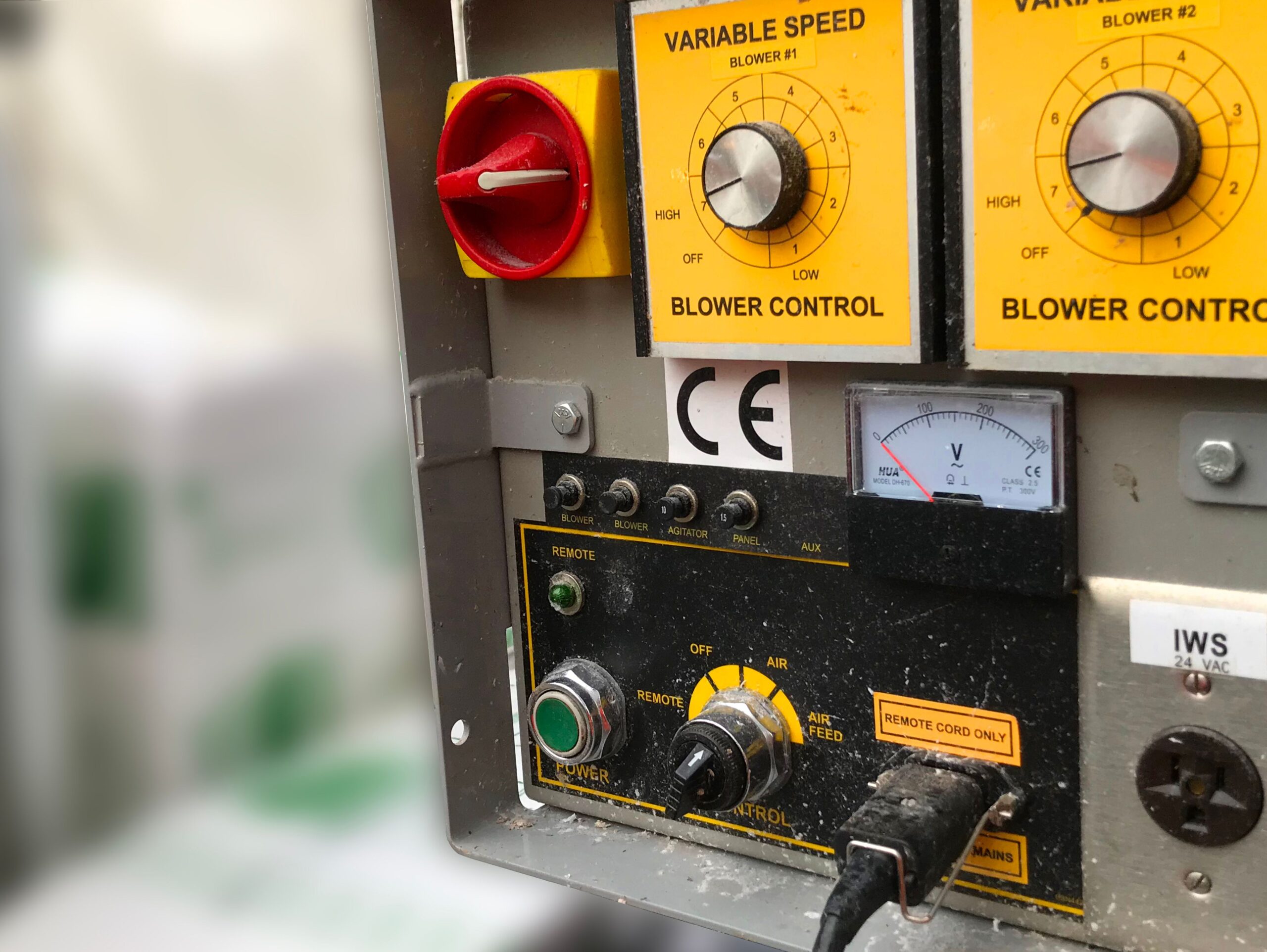
Electrostatic Discharge Prevention Methods: 7 Proven Ways to Stop ESD
Preventing electrostatic discharge requires a combination of environmental controls, grounding systems, anti-static materials, and safe handling practices rather than relying on a single solution. This guide explores seven proven ESD prevention methods, explaining how each works, where it fits within a comprehensive static control program, and why humidity control provides the foundation for long-term facility-wide protection.
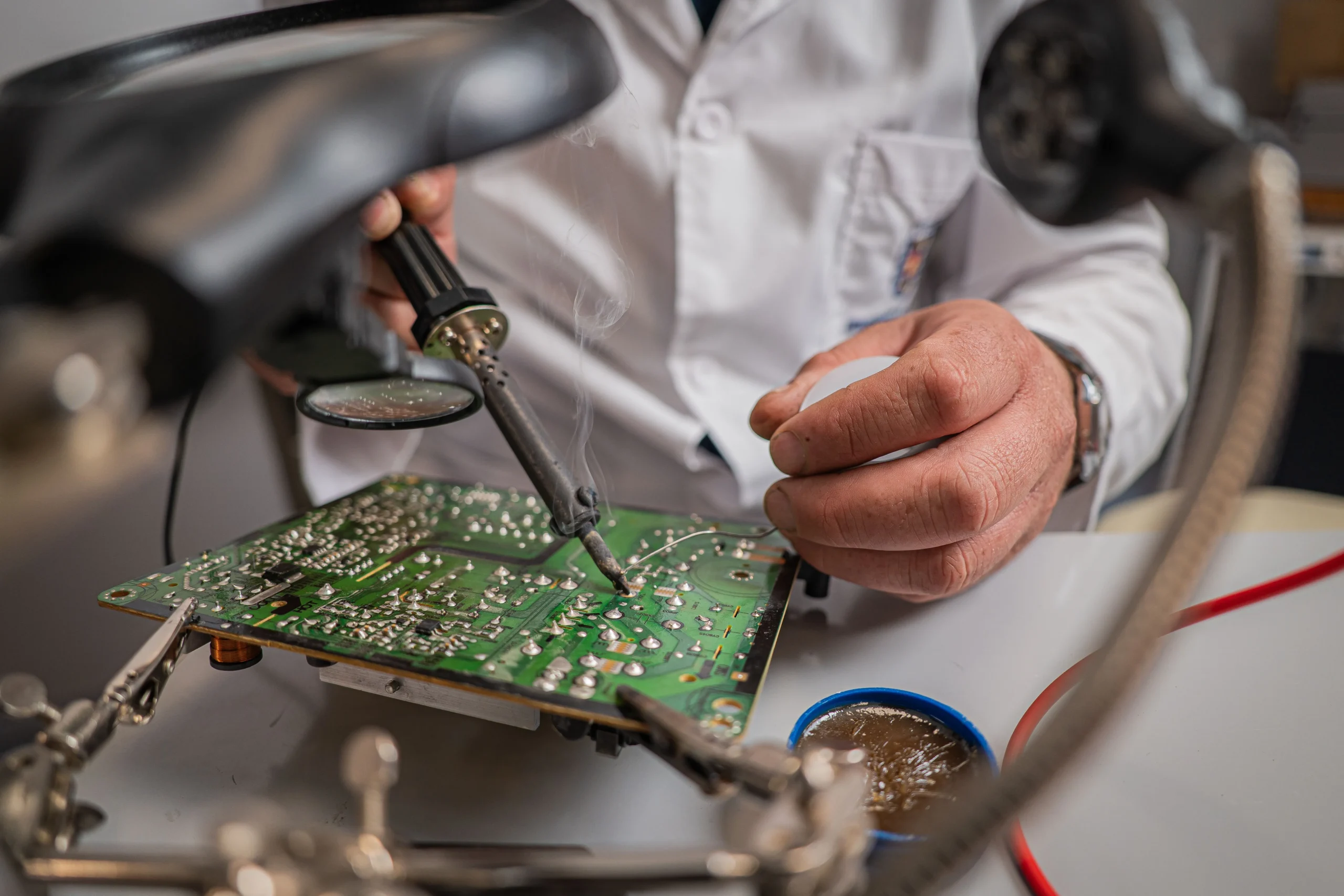
Electrostatic Discharge Prevention: A Practical Guide for Facility Managers
Electrostatic discharge prevention requires more than grounding equipment at individual workstations. This guide explains how environmental humidity control, grounding systems, ionization, and anti-static materials work together to reduce static buildup, helping facility managers design comprehensive ESD prevention programs that protect sensitive equipment, improve reliability, and maintain consistent compliance across manufacturing environments.

Electrostatic Discharge Control: Grounding, Bonding, Humidity, and Ionization Explained
Effective ESD control relies on combining multiple methods to manage static charge across different materials and environments. This guide explains how grounding, bonding, humidity control, and ionization work together, when each method is most effective, and how facility-wide humidity management provides a stable foundation for comprehensive electrostatic discharge protection.

Anti-Static Devices: Types, How They Work, and When to Use Each
Anti-static devices help control electrostatic discharge by either dissipating existing charges or reducing the conditions that allow static to build up. This guide compares common anti-static devices, including wrist straps, mats, ionizers, and sprays, explaining how each works, where it performs best, and when facility-wide humidity control offers a more effective long-term solution for industrial environments.
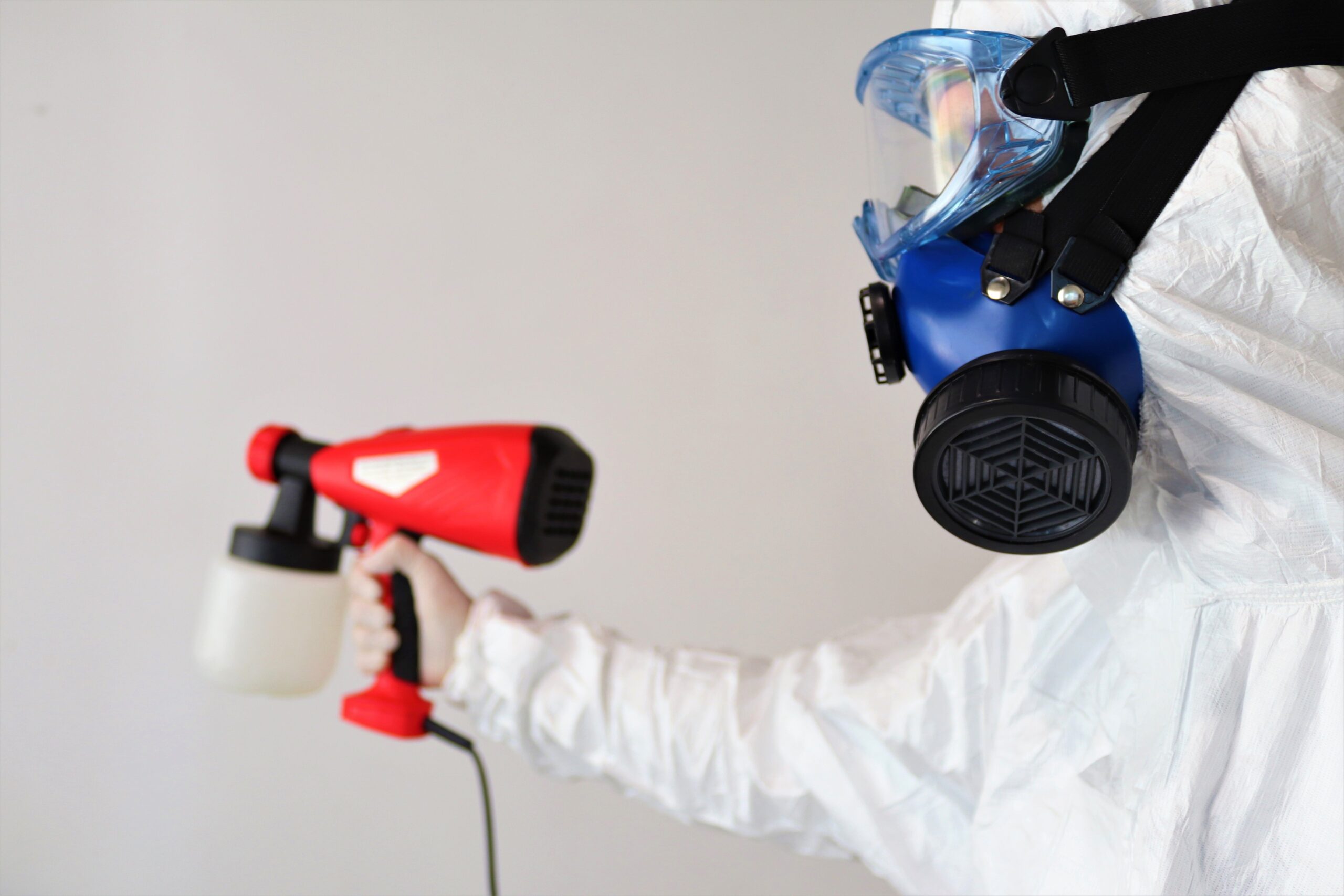
What Is Electrostatic Cleaning? How It Works and Where It’s Used
Electrostatic cleaning uses electrically charged disinfectant droplets to improve surface coverage, helping disinfectants reach edges, crevices, and hard-to-access areas that conventional spraying can miss. This guide explains how electrostatic cleaning works, where it delivers the greatest benefits, its limitations on different surface types, and the key equipment, disinfectant, and environmental considerations that influence performance.
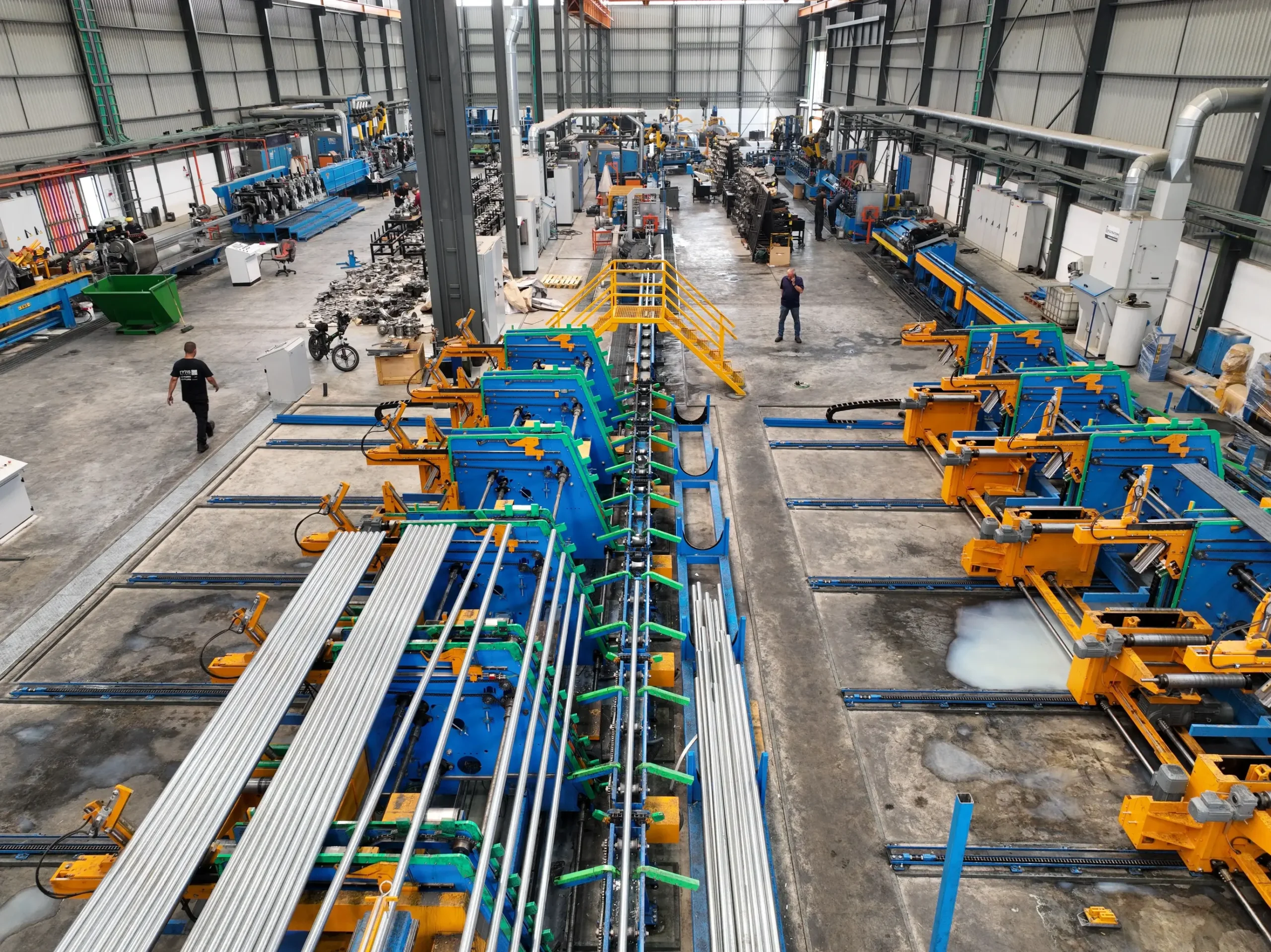
Static Control for Manufacturing: A Plant Manager’s Complete Guide
Static electricity can affect product quality, equipment reliability, personnel safety, and process efficiency across a wide range of manufacturing environments. This guide helps plant managers understand how static develops, identify high-risk processes, assess environmental conditions, and implement effective control strategies that reduce risk through humidity management, monitoring, and targeted static elimination methods.
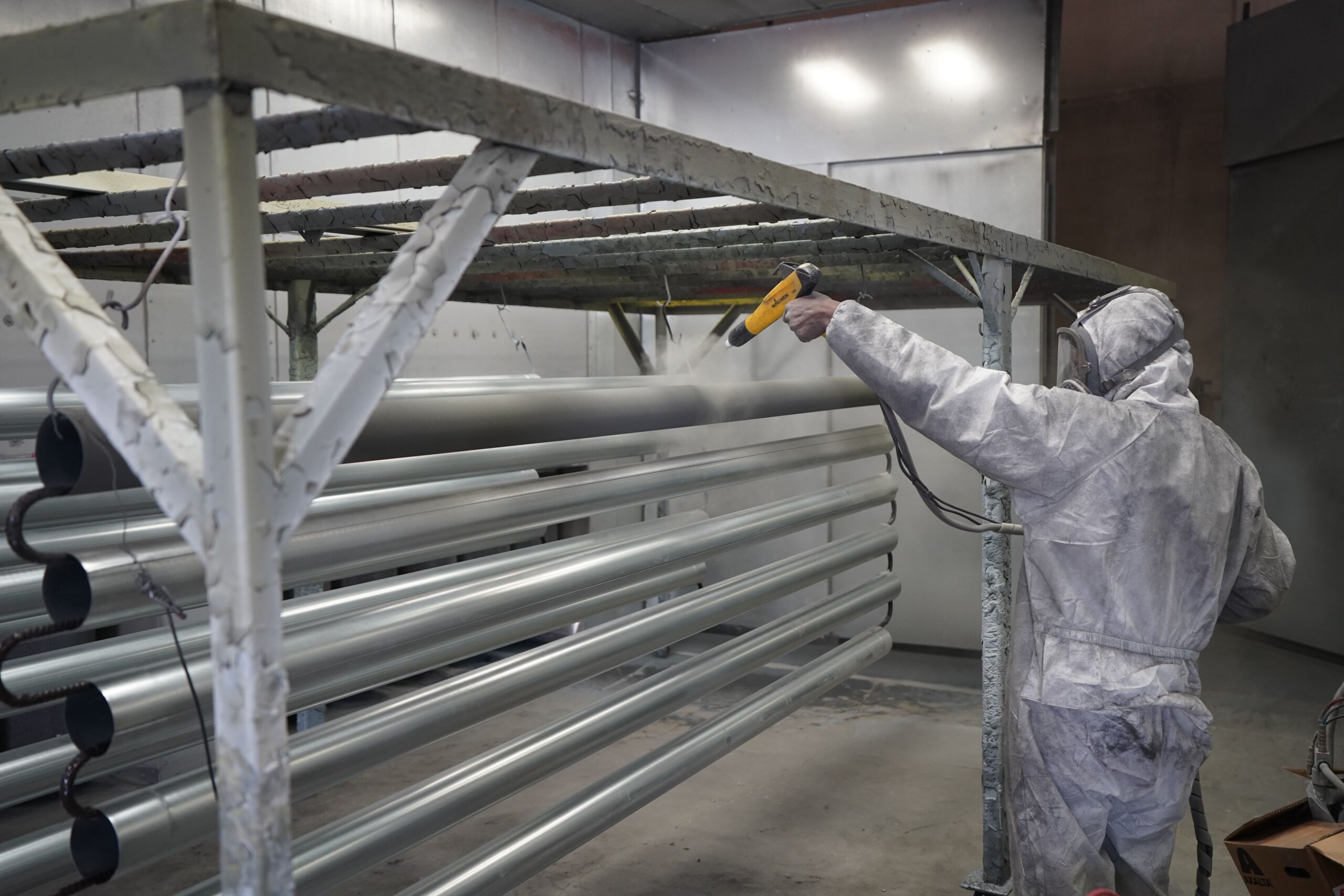
Static Control Equipment: A Buyer’s Guide for Facilities and Manufacturers
Selecting the right static control equipment requires more than comparing product features. This guide explains the main categories of ESD protection equipment, including ionizers, grounding systems, monitoring tools, and humidity control solutions, helping manufacturers evaluate performance, maintenance requirements, compliance needs, and long-term cost of ownership.