


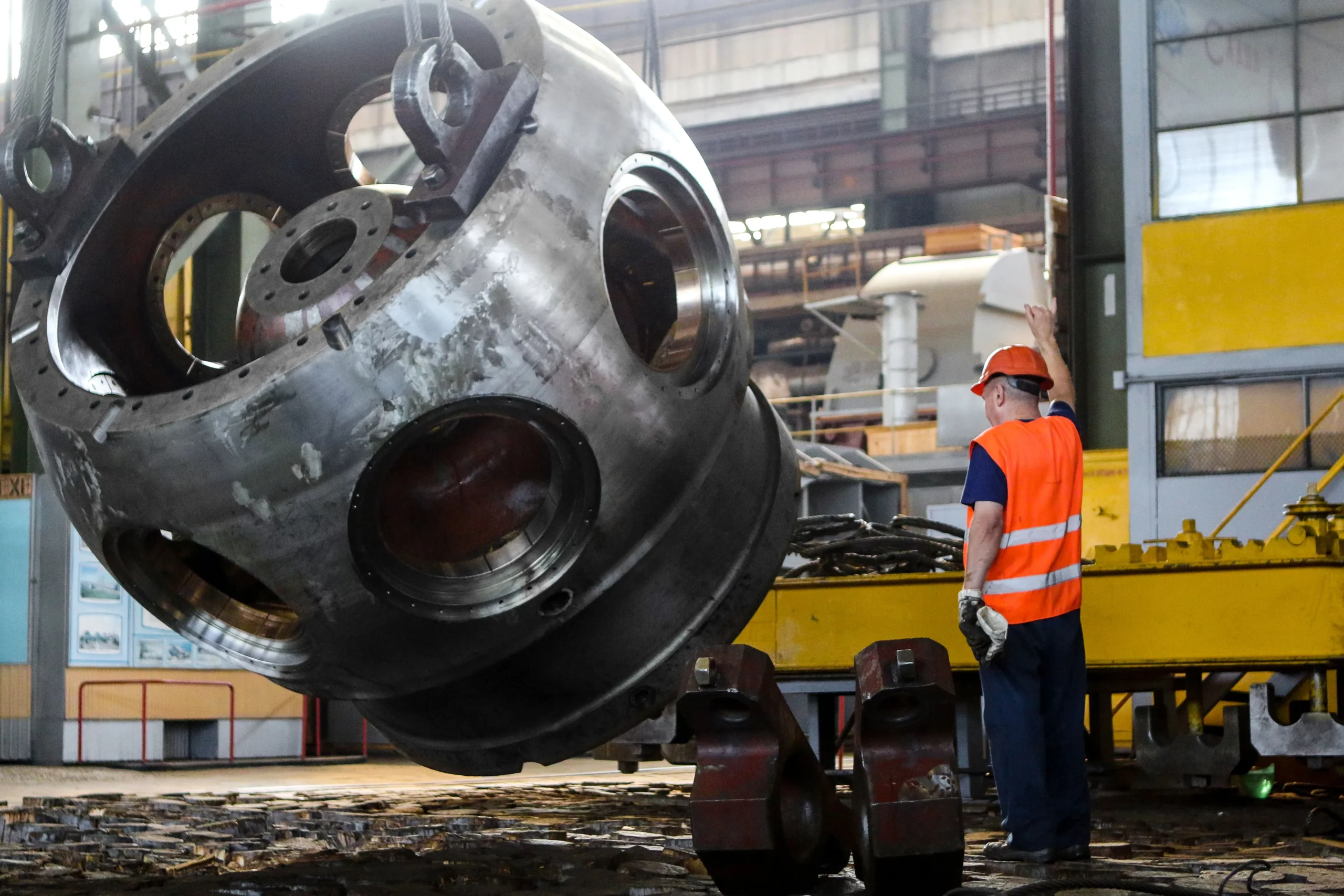
Industrial Humidifier Technologies: How They Work and How to Choose
Different industrial humidifier technologies offer distinct advantages depending on the application, precision requirements, and operating environment. Understanding how steam, adiabatic, ultrasonic, and evaporative systems work helps facilities choose the most effective solution for reliable humidity control.
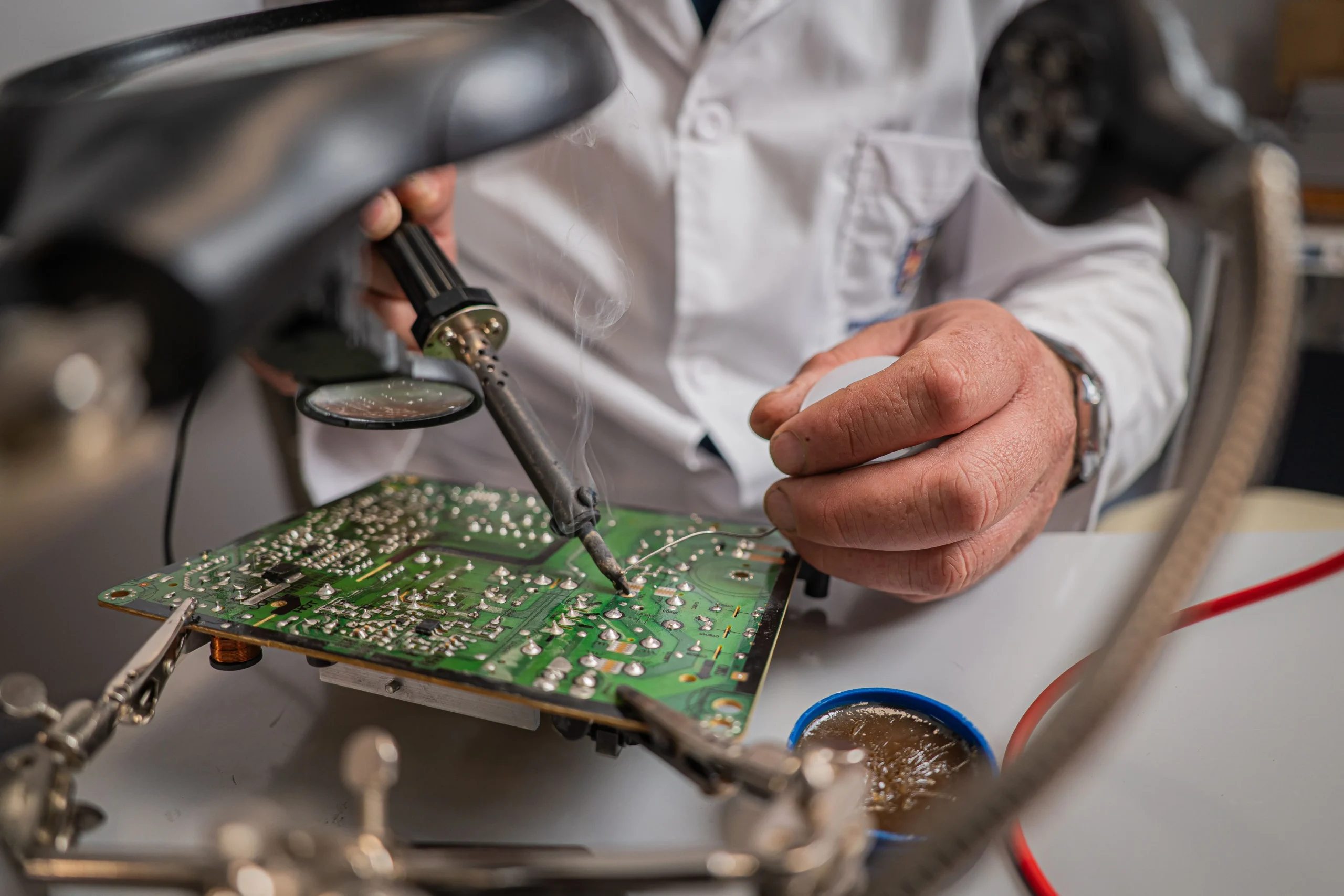
Types of Electrostatic Discharge: CDM, HBM, MM, and What Each Means
Electrostatic discharge can occur through several different pathways, each posing unique risks to sensitive electronic components and manufacturing equipment. This guide explains the three primary ESD discharge models—Human Body Model (HBM), Charged Device Model (CDM), and Machine Model (MM)—how they differ, where they occur in real-world facilities, and why maintaining proper humidity levels helps reduce the risk across all three.

Humidity Control in Food Ripening and Controlled Atmosphere Storage Facilities
In controlled atmosphere storage, humidity is not a secondary variable, it directly affects produce weight loss, ripening rate, and spoilage risk. This guide explains how precision humidification integrates with CA storage design and why technology selection matters inside a sealed, gas-managed environment.
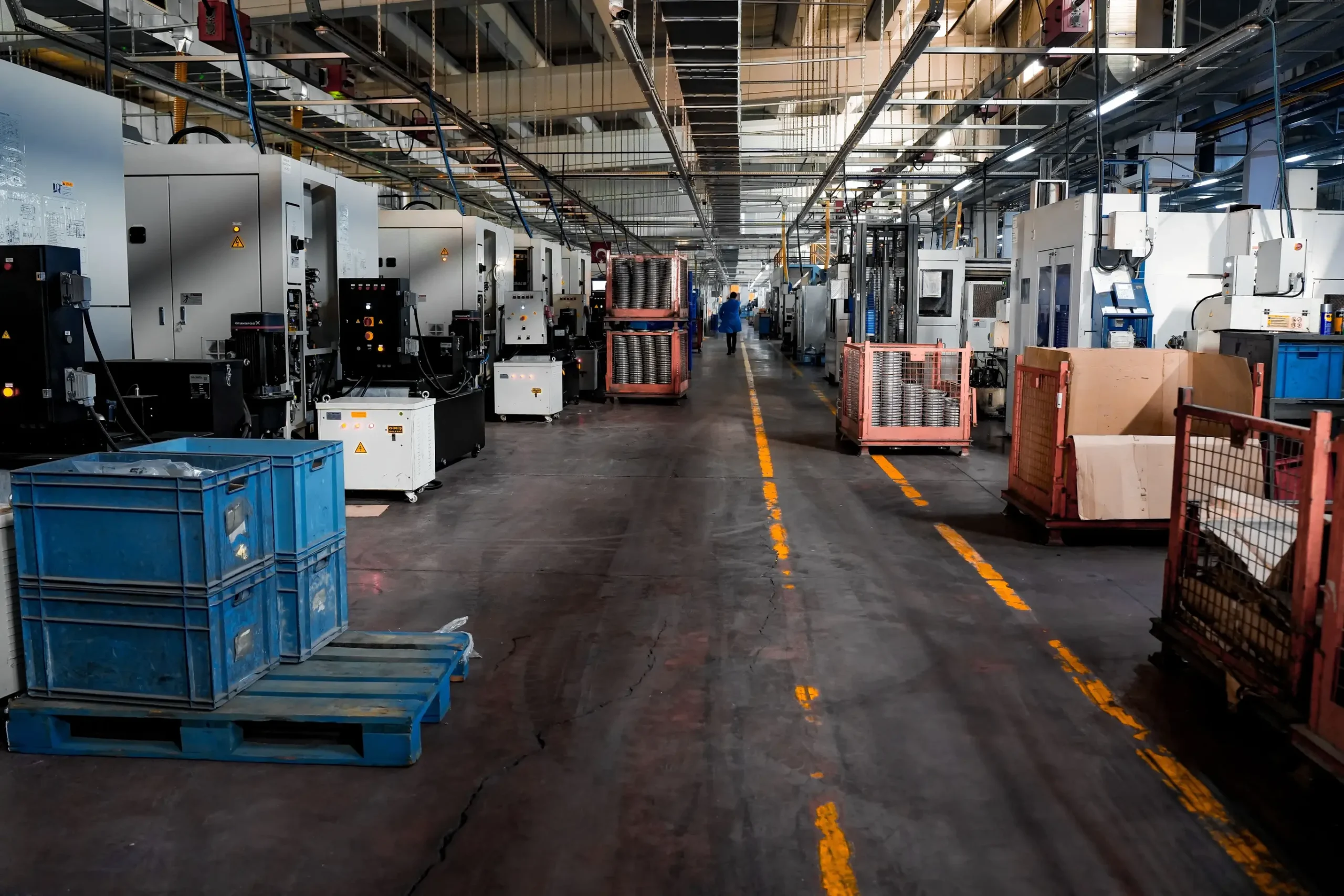
The Top Benefits of Correct Humidity Control in Industrial and Commercial Facilities
Correct humidity control helps protect sensitive equipment, reduce electrostatic discharge, preserve hygroscopic materials, and improve process consistency across industrial and commercial facilities. Maintaining a stable humidity range delivers operational benefits that support product quality, workforce safety, and reliable production.

Are Steam Humidifiers Better? A Direct Comparison for Facility Decision-Makers
Steam humidifiers are reliable but carry significant energy and maintenance costs. This guide compares steam against adiabatic humidification across key decision criteria including energy consumption, water use, maintenance demands, and total cost of ownership for commercial and industrial facilities.
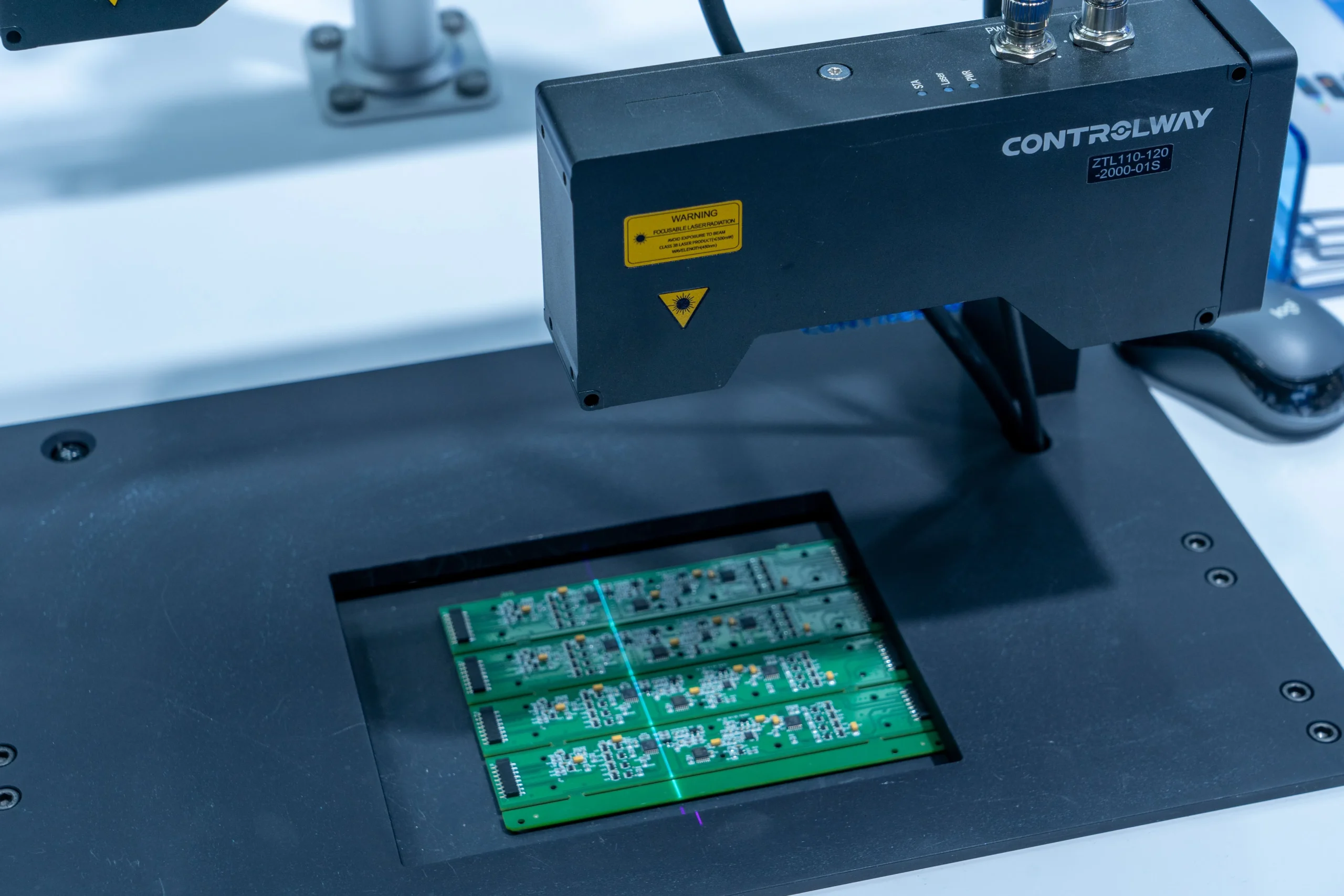
Industrial Static Eliminators vs. Humidity Control: Which Do You Need?
Industrial static control can be achieved by neutralizing existing charges with ionizing equipment or preventing charge buildup through environmental humidity control. This guide compares how both approaches work, where each performs best, their maintenance and operating requirements, and why maintaining stable humidity often provides the most effective long-term solution for facility-wide ESD prevention.
How an Electrostatic Discharge Test Works: Procedure, Equipment, and Standards
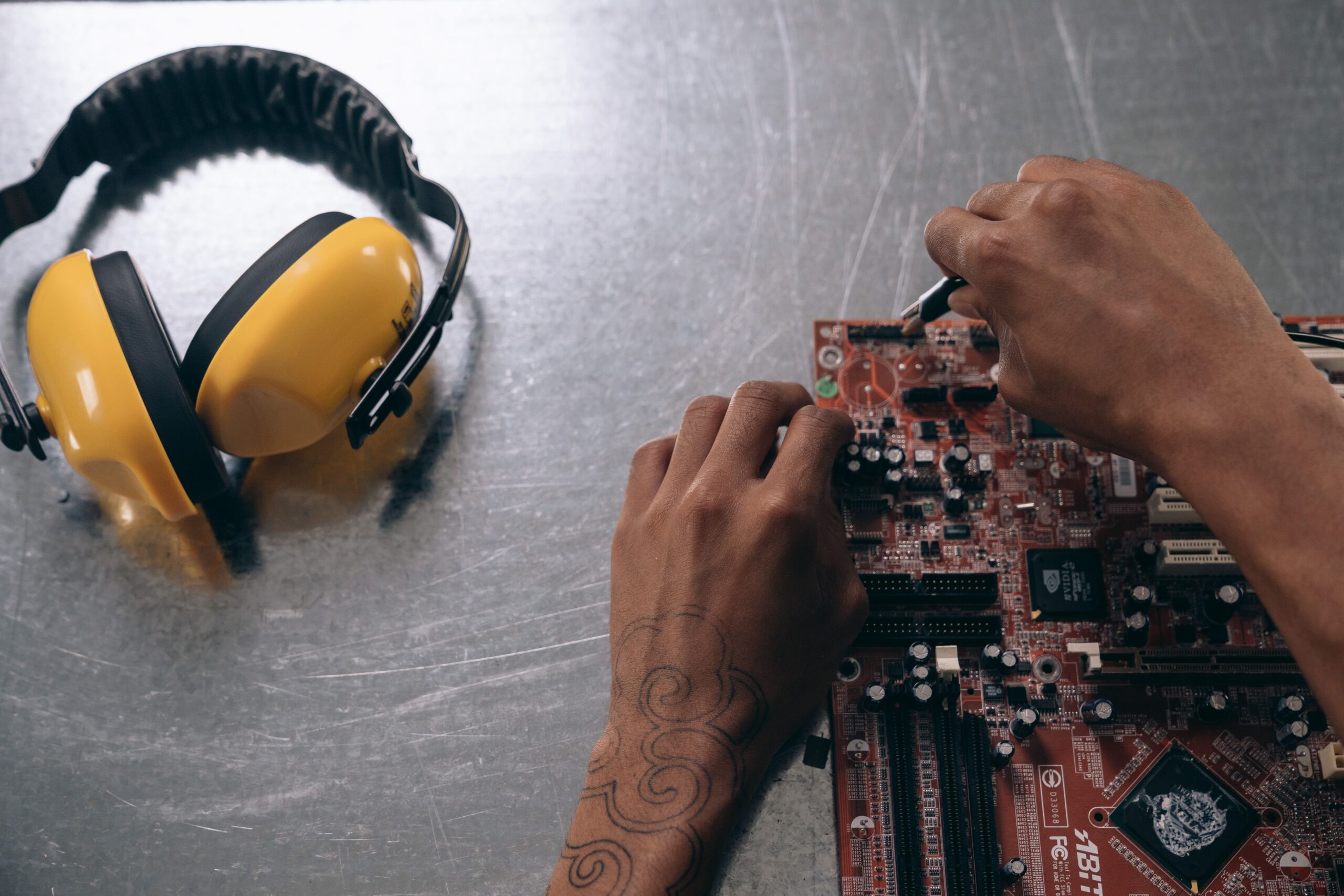
Electrostatic discharge testing verifies whether electronic equipment can withstand real-world static electricity events without malfunction or performance loss. This guide explains the IEC 61000-4-2 testing procedure, required equipment, contact and air discharge methods, test severity levels, and how immunity testing supports effective ESD prevention through grounding, environmental controls, and precise humidity management.
What Industries Need a Mobile Humidifier and Why?
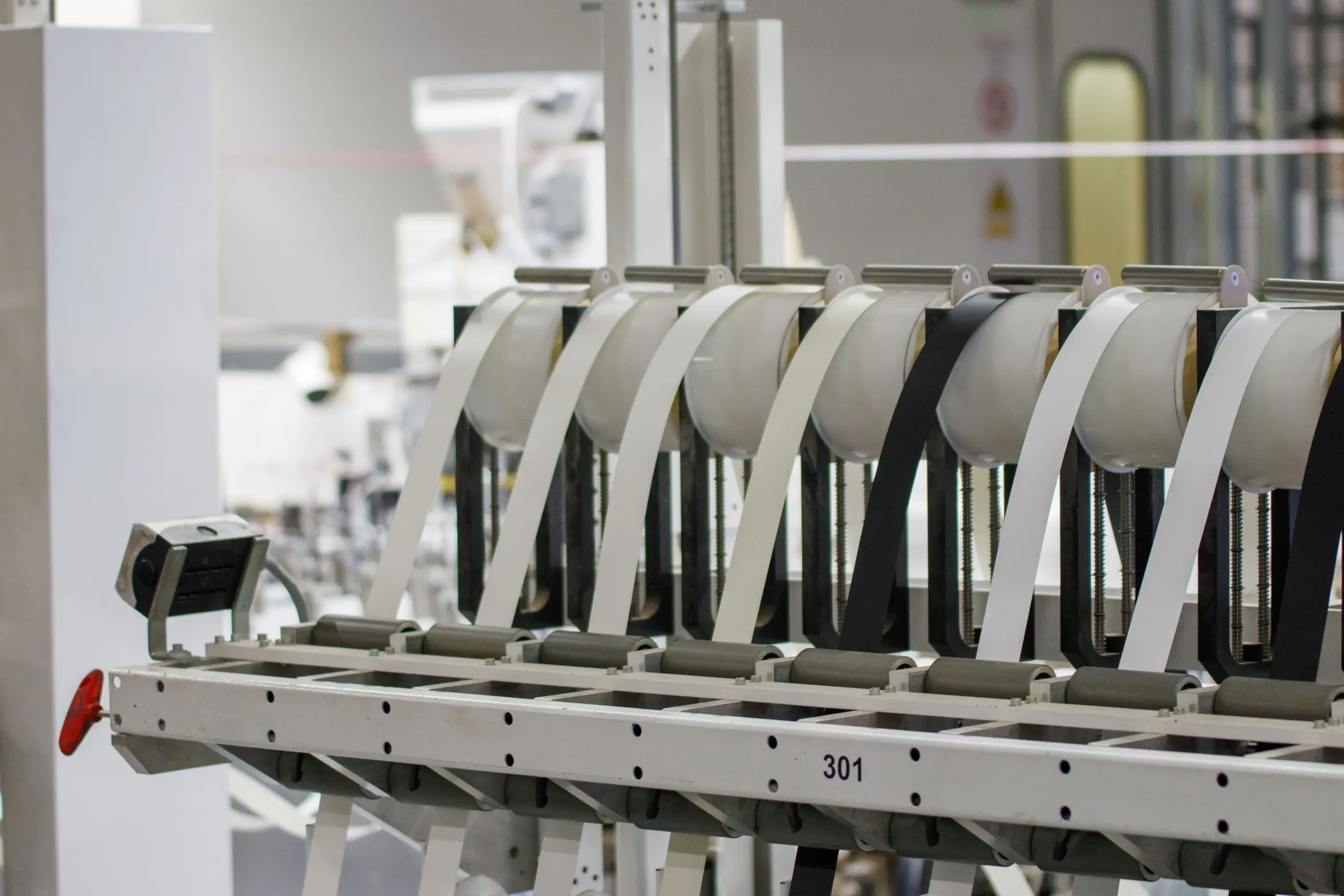
Mobile industrial humidifiers provide flexible humidity control where fixed systems are impractical or unnecessary. They help industries such as electronics, printing, pharmaceuticals, healthcare, and aerospace maintain precise environmental conditions while supporting changing production layouts and temporary work zones.

Humidity Control for Art Galleries: Humidifier, Dehumidifier, or Both?
Humidity control in an art gallery is a preservation requirement, not a comfort feature. This guide covers the RH targets that protect collections, how humidity deviation damages different media, and how to specify the right climate control system for your facility.