 Made in USA

- Uses natural evaporation to cool air efficiently
- Works best in dry, low-humidity climates
- Consumes less energy than refrigerant-based AC in suitable climates
- Requires proper maintenance for consistent performance
- Best choice depends on climate and home size
What Is Evaporative Cooling?
Evaporative cooling lowers air temperature through the natural process of water evaporation instead of using chemical refrigerants like traditional air conditioning. It is especially efficient in hot, dry climates, and while many people link it to old-style swamp coolers, modern systems offer better airflow control, filtration, and energy efficiency.The Physics Behind Evaporative Cooling
Evaporative cooling works through latent heat. When water changes from liquid to vapor, it needs energy to complete that shift. That energy is taken from the surrounding air as heat. As the air loses heat, its temperature drops. This creates a natural cooling effect without the heavy electricity use of compressor-based HVAC systems. Because of this process, evaporative cooling can maintain comfort while using much less energy in the right conditions.Why Climate Determines Whether It Works
The effectiveness of evaporative cooling depends largely on the humidity of the intake air. In low-humidity areas, it provides natural, energy-efficient cooling and can reduce air temperature by 15° to 40°F. In humid regions, the air already holds more moisture, so evaporation becomes less effective and cooling performance drops. This makes climate a critical factor for engineers and facility managers. These systems work best in dry regions and are generally not recommended in humid climates because they add moisture to the air rather than remove it. Different climate conditions affect cooling potential in the following ways:- Low-humidity / arid regions: Strong cooling performance and a practical alternative to conventional air conditioning
- Moderate-humidity regions: Reduced performance, though two-stage systems may extend usability
- High-humidity / coastal regions: Limited cooling benefit and generally not suitable as a primary cooling method
Types of Evaporative Cooling Systems
Water-based cooling solutions range from simple residential units to more advanced industrial systems. While all of them use evaporation to reduce air temperature, they do so through different mechanical approaches. Any industrial humidifier comparison across these systems comes down to how each one balances temperature drop against moisture output.Direct Evaporative Cooling
Often called a swamp cooler, direct evaporative cooling is the simplest form of this technology. It works by drawing warm, dry air through water-saturated pads. As the air passes through those pads, the water evaporates and lowers the air temperature before it enters the building. Because this process adds moisture directly to the air, it works best in arid climates. It is a cost-effective option for cooling large spaces where added humidity is not a problem. In settings that already have higher moisture levels, though, it may not be the best fit.Indirect Evaporative Cooling
Indirect evaporative cooling offers an alternative for spaces that need the benefits of evaporative cooling without adding extra moisture to the indoor air. These systems use a heat exchanger to keep the air being cooled separate from the evaporation process. This setup offers a few key advantages:- Primary air is cooled by a secondary air stream
- Moisture is not added to the supply air
- Useful for environments that need stable humidity levels
Adiabatic Cooling: The Industrial Standard
An adiabatic cooling system represents a more advanced form of high-performance cooling. These systems are widely used in industrial environments where efficiency, reliability, and steady performance matter most. In many cases, they combine conventional mechanical cooling with water-based pre-cooling methods to improve overall system performance. One of the main benefits of this approach is its ability to manage heavy heat loads while using less energy. By cooling the air before it reaches the main cooling coils, the system reduces the burden on traditional compressors. This helps improve energy savings while maintaining dependable performance during peak summer conditions. Smart Fog applies this principle through adiabatic humidification systems engineered for non-wetting, precision humidity and temperature control in industrial environments.Evaporative Cooling vs Air Conditioning, How to Choose
The difference between refrigerant-based HVAC and evaporative cooling matters in facility planning. Each system fits a different set of environmental conditions and building needs. The right option depends largely on how the system performs in your local climate.Where Evaporative Cooling Wins
Evaporative systems perform best in arid, low-humidity regions where the air can absorb moisture quickly. In these conditions, they deliver a natural and effective way to maintain thermal comfort. Since they rely on evaporation instead of refrigeration cycles, they can also reduce cooling costs in large industrial spaces. These systems work especially well in open-plan warehouses and manufacturing plants where continuous airflow is important. By bringing in outside air, they help reduce stale air and airborne pollutants. This creates a healthier working environment while keeping electricity use low.Where Refrigerant-Based HVAC Is the Better Choice
Refrigerant-based HVAC is the better fit in regions with high humidity. In these conditions, the air already contains a large amount of moisture, which limits evaporation and reduces the cooling effect. Traditional air conditioning solves this problem by cooling and dehumidifying the air at the same time, which helps maintain consistent indoor comfort. These systems are also a better match for spaces that need tight temperature and humidity control, such as laboratories and server rooms. They use more electricity, but they continue to perform reliably without depending on outdoor moisture levels. This allows them to maintain a stable indoor environment even during heat waves or humidity spikes.Energy Efficiency and Operating Cost Compared
One of the biggest differences between HVAC and evaporative cooling is energy use. Evaporative units consume much less electricity because they do not rely on compressors or chemical refrigerants. This can lead to major cost savings over the life of the system. Traditional HVAC systems provide strong and dependable performance, but their cooling cycles come with higher operating costs. The best fit depends on budget, climate, and the level of control the building requires. The main differences between the two systems include:- Energy Usage: Evaporative cooling uses low fan-driven energy, while refrigerant HVAC uses higher compressor-driven energy
- Climate Suitability: Evaporative cooling works best in dry or arid climates, while refrigerant HVAC performs across all climates
- Maintenance Needs: Evaporative systems need moderate maintenance for water and pads, while HVAC systems need higher maintenance for refrigerant and filters
- Airflow: Many evaporative cooling systems use continuous outdoor air, while many conventional HVAC systems recirculate indoor air and may add outdoor air through dedicated ventilation systems.
Industrial Applications of Evaporative Cooling
The need for efficient thermal management has made evaporative cooling an important part of industrial infrastructure. Modern facilities need reliable systems that can handle large heat loads while supporting stable day-to-day operations. For industries where downtime is not an option, these cooling solutions offer a more sustainable way to manage performance and energy use.Data Centers and Server Room Pre-Cooling
In the digital age, data center cooling is essential for protecting server performance and hardware life. High-density equipment produces large amounts of heat that traditional systems may struggle to manage on their own. Evaporative cooling helps by pre-cooling the air before it reaches mechanical chillers, which reduces the overall cooling load. This approach can lower energy use during periods of peak demand. It also helps keep sensitive electronics within safe operating temperatures. Many facilities now use these systems to improve power usage effectiveness and support more efficient operations.Manufacturing Facilities and Warehouses
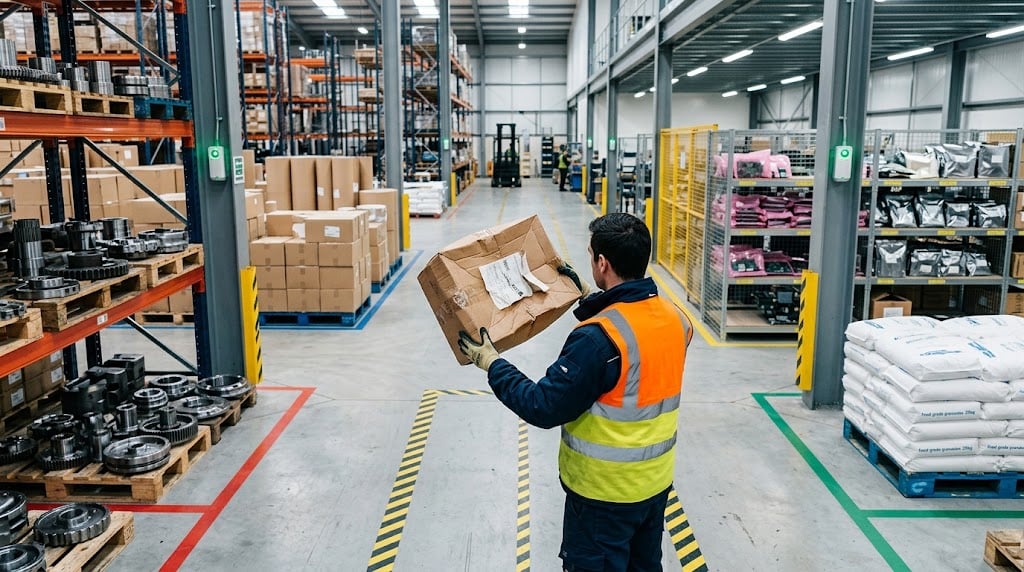
Large manufacturing plants often deal with heat buildup across wide, open spaces. Industrial cooling strategies need to control costs while also supporting a safe and comfortable work environment. Evaporative systems work well in these settings because they deliver steady airflow across large floor areas. In environments where material handling or production generates fine particles, these systems can also support dust suppression systems by adding moisture to the air and helping reduce airborne dust. This can improve overall air quality and create a cleaner, safer environment. These systems also improve ventilation by bringing in a steady flow of fresh air. Better airflow can help reduce heat stress risks for workers, which supports safer and more comfortable day-to-day operations.Aerospace, Defence, and Controlled Environments
The aerospace and defence sectors require precise climate control for critical operations. These environments often depend on tightly managed temperature and humidity levels. Advanced evaporative cooling systems are built to support these demanding performance requirements. Whether the goal is to protect sensitive avionics or maintain stable testing conditions, reliability remains essential. These systems help engineers maintain consistent indoor conditions in environments where performance cannot vary. Different sectors prioritize cooling needs in different ways:- Data Centers: Hardware longevity with a strong focus on energy efficiency
- Manufacturing: Worker safety with added cost reduction benefits
- Aerospace: Precision control with high system reliability
- Warehousing: Air circulation with scalable cooling performance
Adiabatic Humidification as Evaporative Cooling
The integration of humidity control into cooling systems has changed how industrial environments manage heat and air quality. An adiabatic cooling system allows facilities to handle thermal loads while maintaining specific moisture levels in the air. This combined approach is valuable in spaces where both temperature and humidity directly affect operations.How Adiabatic Systems Cool and Humidify Simultaneously
These systems operate by introducing water into the airstream, where it evaporates and absorbs heat from the surrounding air. As the evaporation process takes place, the air temperature drops while the relative humidity rises. This creates a cooling effect while also adding the moisture needed to support a more balanced indoor environment. The value of this process is that cooling and humidification happen at the same time rather than through separate systems. Facilities dealing with dry air conditions can reduce heat while also correcting low moisture levels in the same cycle. These adiabatic system benefits make it highly efficient in spaces where both factors must remain within a controlled range for comfort, process stability, or equipment protection.Why Dry Fog Adiabatic Systems Do Not Wet Surfaces
Advanced dry fog humidification technology uses specialized nozzles that create self-evaporating droplets in an equal-sized grid. These droplets are extremely small and are designed to evaporate almost immediately after entering the air. Because they convert into vapor so quickly, the moisture does not have time to collect on surfaces, settle on equipment, or come into contact with sensitive materials in liquid form. This is one reason dry fog stands out in a humidification system comparison. It adds moisture to the air without creating the surface wetting that can interfere with operations. Floors, machinery, electronics, packaging areas, and stored materials can remain dry while the surrounding air still receives the humidity needed for cooling and environmental control.Precision Control, Maintaining Both Temperature and RH
Modern facilities often need tight environmental control to protect sensitive operations. With advanced sensors and automated controls, evaporative cooling systems can help regulate temperature and relative humidity more precisely, supporting stable indoor conditions. Smart Fog adiabatic systems maintain RH within ±1–2% of target, which supports the stable, predictable indoor conditions sensitive industrial operations require. Once commissioned, Smart Fog systems are designed for continuous 24/7 set-and-forget operation, with no constant nozzle cleaning required. This level of control supports more than comfort. Stable temperature and RH can help reduce static electricity and support more consistent conditions for equipment, materials, and workers. In facilities where small air changes can affect performance, this can be a clear operational advantage. The key benefits of integrating these systems into a facility include:- Dry Fog Technology: Prevents surface wetting while protecting sensitive equipment
- Dual-Action Cooling: Adjusts humidity and temperature together for better air quality
- Precision Sensors: Maintains stable climate conditions while reducing unnecessary energy use
Limitations of Evaporative Cooling
Evaporative cooling offers strong energy-efficiency benefits, but it does not perform equally well in every environment. Its effectiveness depends heavily on climate conditions, especially outdoor humidity, so facility managers need to assess those limits before relying on it as a primary cooling strategy.High Humidity Climates
The biggest limitation of these systems is the amount of moisture already present in the air. Since evaporative cooling works by using water evaporation to remove heat, the process becomes less effective as the air moves closer to saturation. In high-humidity regions, the air cannot absorb enough added moisture to deliver a strong cooling effect. Humidity control also becomes difficult when the outdoor dew point is already high. Because of this, evaporative systems often struggle in coastal areas, tropical zones, or during extended rainy periods. In those conditions, cooling capacity can drop sharply, which may require another solution to maintain indoor comfort.Maintenance and Water Quality Considerations
Consistent cooling system maintenance is essential for long-term performance and safe operation. Because these systems use water as part of the cooling process, they can develop mineral deposits, scale buildup, and clogged pads over time. When these issues are not managed properly, airflow drops and the system has to work harder to deliver the same result. Water quality also has a direct effect on indoor air quality. Stagnant water or poorly maintained reservoirs can create conditions for biological growth, which can affect both system hygiene and performance. Regular cleaning, routine inspection, and proper water treatment are necessary to keep the system running efficiently and safely. Climate conditions also affect cooling performance and maintenance demands in different ways:- Arid/Dry: High cooling efficiency, moderate maintenance needs, and strong suitability for industrial and residential use
- Humid/Tropical: Low cooling efficiency, high maintenance needs, and generally not recommended for dependable cooling
- Temperate: Medium cooling efficiency, moderate maintenance needs, and better suited for seasonal cooling
- Coastal: Low cooling efficiency, high maintenance needs, and may require specialized dehumidification support