- Adequate atmospheric moisture supports mucosal membrane function.
- Balanced humidity may influence the environmental stability of certain airborne pathogens.
- Stable indoor conditions help reduce skin and respiratory discomfort.
- Proper humidity supports skin integrity and the body’s natural healing processes.
- Consistent environmental control enhances overall patient comfort.
- Continuous monitoring systems help maintain targeted humidity ranges in clinical areas.
How Dry Air Impacts Patient Comfort in Healthcare Environments
Dry air in healthcare facilities can introduce physical discomfort that affects patient experience and rest. While humidity control does not replace clinical treatment, it plays an important role in maintaining a supportive healing environment.Skin Dryness, Irritation, and Physical Discomfort
When indoor air lacks adequate moisture, the skin can lose hydration more quickly. This may lead to dryness, irritation, and surface discomfort, particularly for patients with compromised health or limited mobility. Common effects of low humidity include:- Dry, itchy skin
- Chapped or cracked lips
- Throat irritation due to dry mucosal surfaces
Effects on Sleep Quality and Rest in Clinical Settings
Rest is an important component of recovery. Environmental discomfort, including overly dry air, may interfere with sleep patterns in patient rooms and recovery spaces. Low humidity may contribute to:- Irritation of the upper respiratory tract
- Dry nasal passages that create breathing discomfort
- General restlessness linked to skin or throat dryness
The Role of Indoor Humidity in Supporting Patient Recovery
Indoor environmental stability is a foundational component of healthcare facility design. Humidity, alongside temperature and air quality, contributes to maintaining predictable indoor conditions that support patient well-being.How Environmental Moisture Balance Supports Physiological Stability
Maintaining humidity within recommended ranges helps protect the natural moisture balance of skin and mucous membranes. When indoor air remains stable, it reduces environmental stress that can contribute to dehydration or surface irritation. Balanced humidity supports:- Preservation of skin barrier function
- Proper hydration of respiratory surfaces
- Reduced environmental variability in patient areas
Indoor Environmental Conditions and Their Influence on Healing Processes
Healing environments depend on consistency. Fluctuations in humidity can influence skin condition, respiratory comfort, and overall environmental stability. Maintaining controlled humidity levels helps:- Support skin integrity during wound recovery.
- Preserve mucosal hydration in respiratory passages.
- Improve overall comfort, which encourages rest.
Respiratory Effects of Low Humidity on Patients
Low indoor humidity can influence respiratory comfort in healthcare environments. While humidity control does not replace medical care, it plays an important role in maintaining stable environmental conditions that support patient well-being.Dry Mucous Membranes and Breathing Discomfort
When indoor air lacks sufficient moisture, the mucous membranes lining the respiratory tract can become dry. This dryness may lead to throat irritation, nasal discomfort, and a general sensation of breathing difficulty. Mucosal surfaces act as a natural barrier within the respiratory system. When adequately hydrated, they help trap particles and maintain airway comfort. Excessively dry conditions can reduce surface moisture, potentially increasing irritation and discomfort in enclosed clinical spaces. Maintaining stable indoor humidity helps preserve mucosal hydration and supports overall respiratory comfort.Increased Risk of Respiratory Irritation in Clinical Environments
In healthcare facilities, low humidity may contribute to environmental conditions that aggravate respiratory sensitivity. Patients with pre-existing respiratory conditions can be more responsive to dry air. Low indoor humidity can affect respiratory comfort differently depending on the underlying condition:- Asthma: Airway dryness and irritation may increase sensitivity to symptoms.
- Bronchitis: Dry bronchial surfaces may contribute to coughing or throat discomfort.
- Chronic Obstructive Pulmonary Disease (COPD): Reduced airway moisture may lead to breathing discomfort or wheezing.
Dry Air and Its Impact on Vulnerable Patient Groups
Certain patient populations are more sensitive to environmental variability. Stable indoor humidity is particularly important in areas serving elderly patients, pediatric populations, and individuals in intensive care units. Environmental control is one component of broader patient care strategies and supports overall comfort during recovery.Effects on Elderly, Pediatric, and ICU Patients
Older adults often have reduced physiological resilience, which can make them more sensitive to dry air. Pediatric patients, whose respiratory systems are still developing, may also experience greater discomfort in low-humidity conditions. ICU patients, frequently managing complex medical conditions, benefit from stable and predictable environmental settings. Low humidity may contribute to:- Increased respiratory dryness
- Exacerbation of skin sensitivity
- Discomfort that may affect rest quality
Sensitivity in Post-Surgical and Immunocompromised Patients
Post-surgical and immunocompromised patients require carefully controlled environments to support recovery. Environmental dryness can contribute to mucosal irritation and skin discomfort, which may add unnecessary stress during healing. In low-humidity environments, patients may experience:- Dry mucous membranes that feel irritated
- Surface skin discomfort
- Increased sensitivity to airborne irritants
How Dry Hospital Air Affects Hydration, Skin, and Mucosal Health
Dry indoor air in healthcare facilities can influence more than general comfort. It may affect surface hydration, skin integrity, and mucosal stability, all of which contribute to how patients experience their recovery environment.Moisture Loss in Indoor Clinical Spaces
Low indoor humidity can accelerate moisture evaporation from the skin and respiratory surfaces. In clinical environments, where patients may already be managing illness or recovery from procedures, this added dryness can increase discomfort. Excessively dry air may:- Reduce surface skin hydration
- Contribute to dry nasal and throat passages
- Increase overall sensations of irritation
Impact on Skin Integrity and Wound Recovery
Skin integrity plays an important role in patient comfort and recovery. When the surrounding air is too dry, the skin may become more prone to cracking, irritation, or sensitivity. Balanced indoor humidity helps:- Preserve the skin’s natural barrier function.
- Reduce surface dryness that may contribute to irritation.
- Support stable environmental conditions during wound recovery.
Environmental Contributors to Dry Air in Hospitals
Several environmental elements play a crucial role in the prevalence of dry air within hospital settings. Understanding these factors is essential for healthcare facilities to manage indoor air quality effectively and ensure patient comfort and recovery.Seasonal Variations and Indoor Air Circulation
Seasonal changes can significantly affect indoor humidity. During colder months, outside air tends to contain less moisture. When this air is heated indoors, relative humidity levels often drop further. Air circulation patterns within the building also influence humidity distribution. Uneven airflow may create localized dry zones in patient rooms or care areas. Properly designed HVAC systems help distribute air more consistently, reducing environmental variability. However, HVAC systems that focus only on temperature without humidity control may allow dry conditions to persist.Temperature-Controlled Environments and Reduced Indoor Humidity
Hospitals maintain tightly controlled temperatures to support infection prevention and patient comfort. Cooling and heating processes can unintentionally reduce moisture levels in the air. For example:- Air conditioning removes heat and moisture simultaneously.
- Heated winter air often contains very low relative humidity.
Recommended Humidity Ranges for Patient Rooms and Recovery Areas
Maintaining stable indoor humidity is an important component of environmental control in healthcare facilities. Patient comfort, respiratory surface hydration, and skin integrity are all influenced by surrounding air conditions. When humidity falls too low, the protective function of respiratory mucus can become less effective, potentially increasing irritation and environmental sensitivity within enclosed care areas.Indoor Humidity Levels That Support Patient Comfort
Industry guidelines, including those from ASHRAE, generally recommend maintaining indoor humidity between 40% and 60% relative humidity (RH) in healthcare environments. Within this range, specific targets may vary depending on the care setting and facility design. This range helps:- Preserve skin and mucosal hydration
- Reduce environmental dryness that may irritate airways
- Support stable indoor air behavior
Maintaining Environmental Stability in Recovery Spaces
Recovery areas often require tighter environmental control due to patient sensitivity and longer stays. Stability is as important as the target humidity level itself. Fluctuations can introduce unnecessary environmental stress. Effective environmental control in recovery spaces includes:- Consistent humidity regulation
- Stable temperature control
- Continuous air quality management
Monitoring Indoor Conditions in Patient Care Environments
Humidity control requires ongoing monitoring to maintain consistency. Environmental stability depends not only on system capability but also on continuous measurement and adjustment.Role of Environmental Monitoring in Patient Recovery Areas
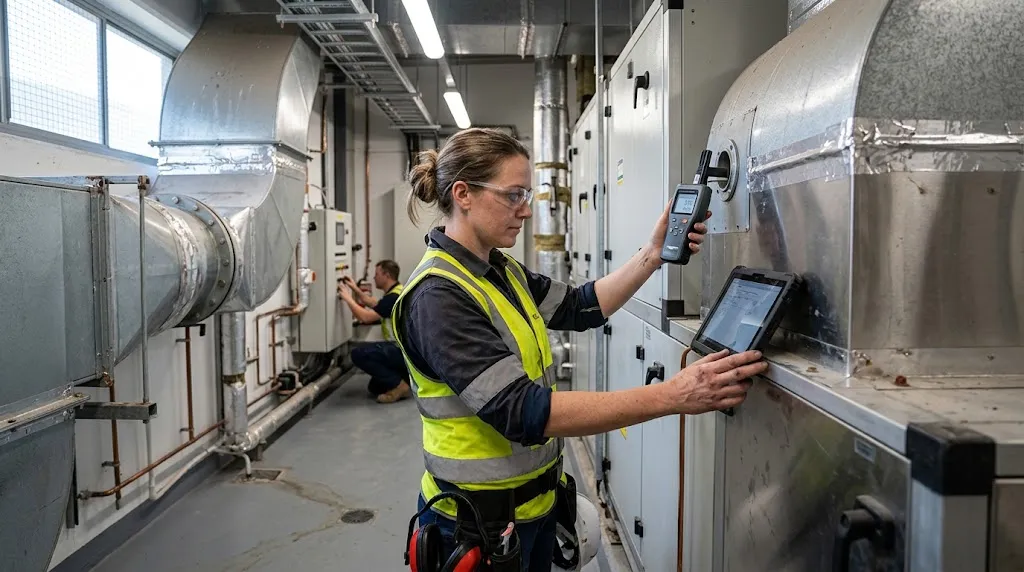
Environmental monitoring supports consistent indoor conditions. By tracking humidity and temperature in real time, facilities can maintain stable environments that reduce variability. Effective monitoring includes:- Continuous humidity measurement
- Automated alerts for out-of-range conditions
- Coordinated system adjustments
Importance of Consistent Indoor Conditions in Clinical Care
Consistency in indoor conditions is essential in healthcare settings. Sudden changes in temperature or humidity can contribute to discomfort and environmental instability. Maintaining steady environmental ranges supports:- Patient comfort
- Respiratory surface hydration
- Operational reliability of medical equipment