




USA Made in USA
Fortune 100 40+ Years
ido

Ido Goldstein

Chief Technology Officer at Smart Fog

Author

Ido Goldstein is a technology innovator with deep expertise in humidity engineering, climate control, and non-wetting fog systems. He has spent years advancing energy-efficient and water-smart solutions that help industries like cleanrooms, data centers, wineries, and greenhouses maintain precise environmental control.

Passionate about technology with real-world impact, Ido also supports sustainable agriculture initiatives and nonprofit innovation. Through this blog, he shares practical insights on HVAC advancements, indoor air quality, and the science behind high-performing environments.

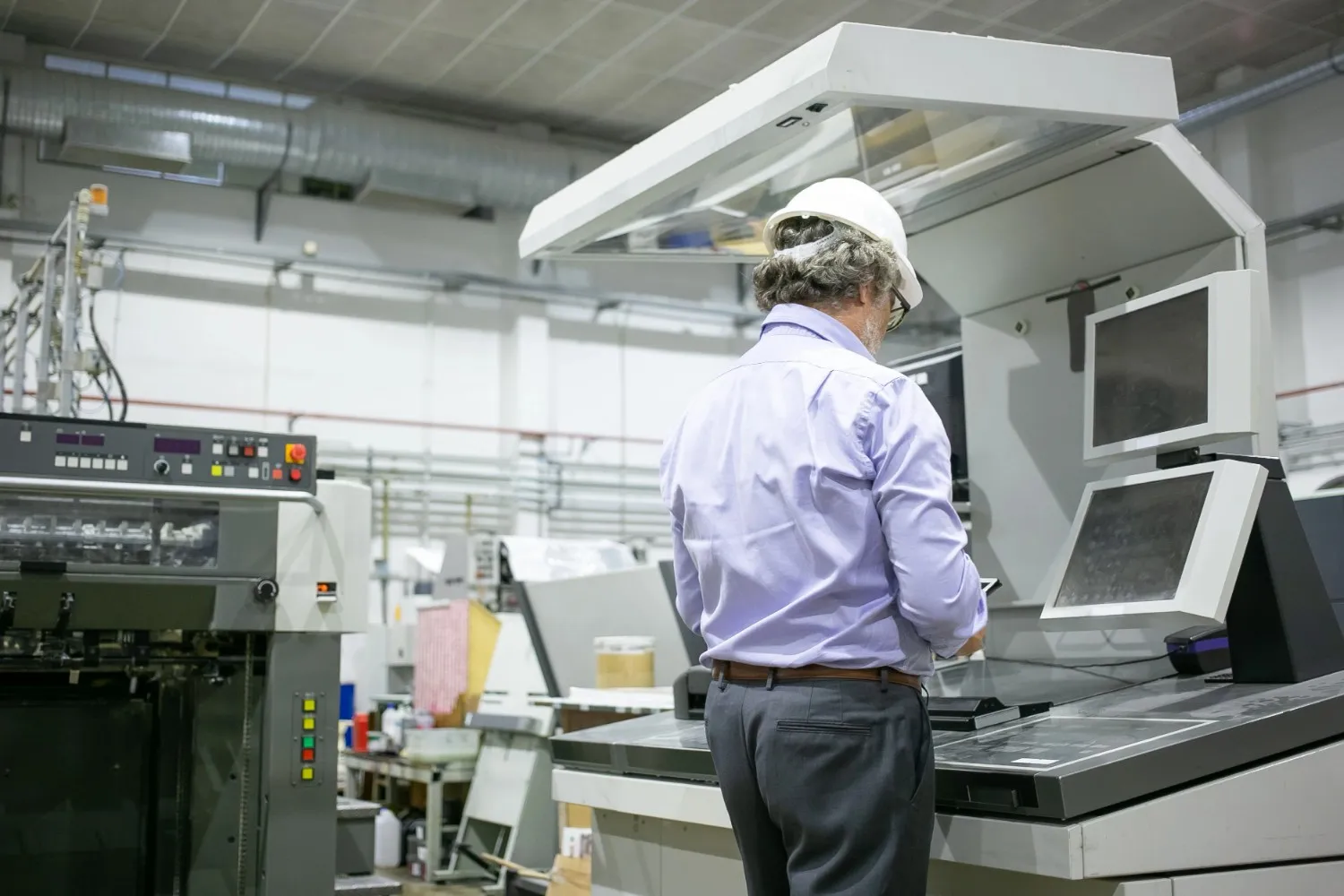
Printing facility maintaining ideal humidity levels

Ideal Humidity Levels for Printing Facilities

Ideal humidity levels in printing facilities support stable ink transfer, consistent print quality, and smooth substrate handling. Maintaining 40% to 60% relative humidity helps prevent static, paper curl, misregistration, and print defects across runs.
read more...
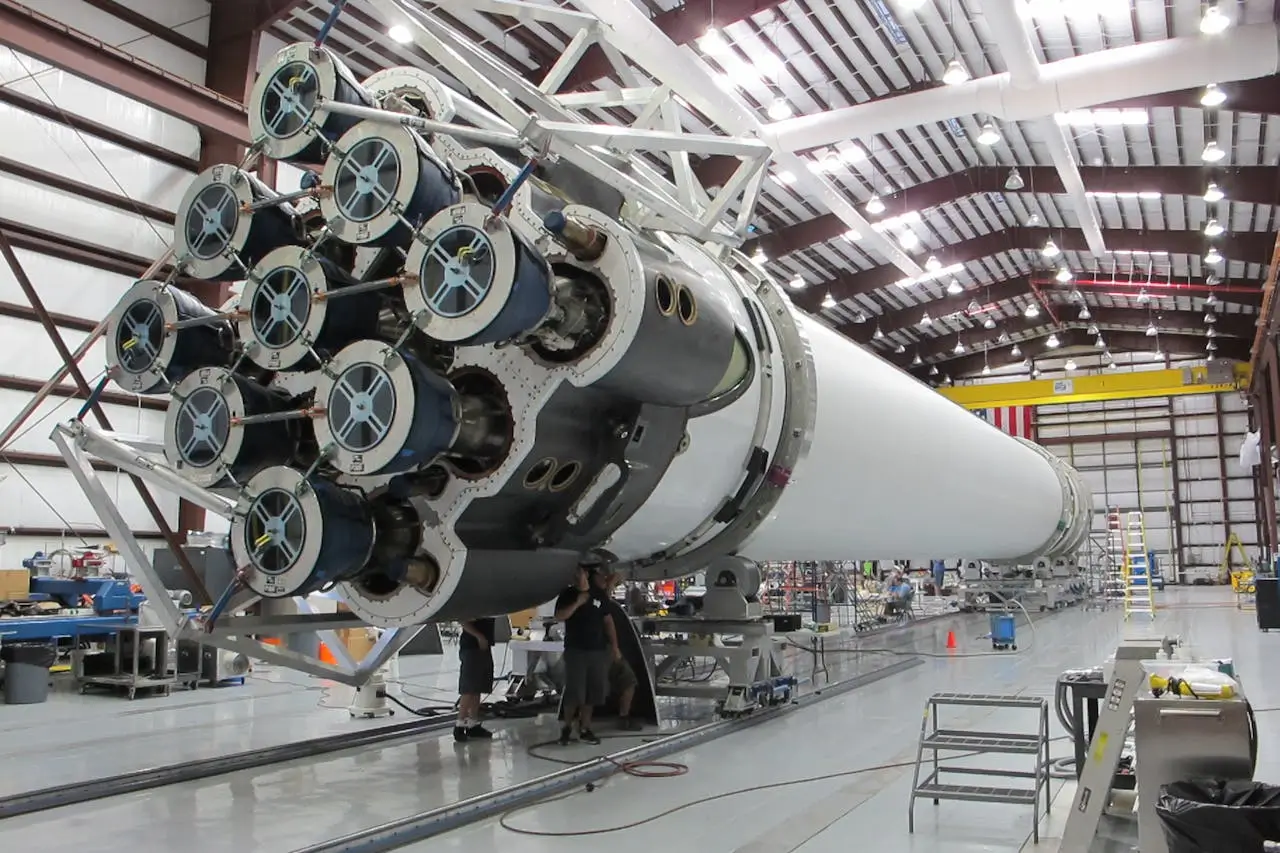
Rocket booster inside aerospace manufacturing facility under controlled environment conditions.

Why Temperature Control Alone Fails in Aerospace Facilities

Temperature control alone cannot ensure stable aerospace manufacturing. Humidity and airflow directly affect composite behavior, electronic performance, and process consistency. True environmental control integrates moisture balance and air distribution to protect precision, tolerances, and long-term reliability.

read more...
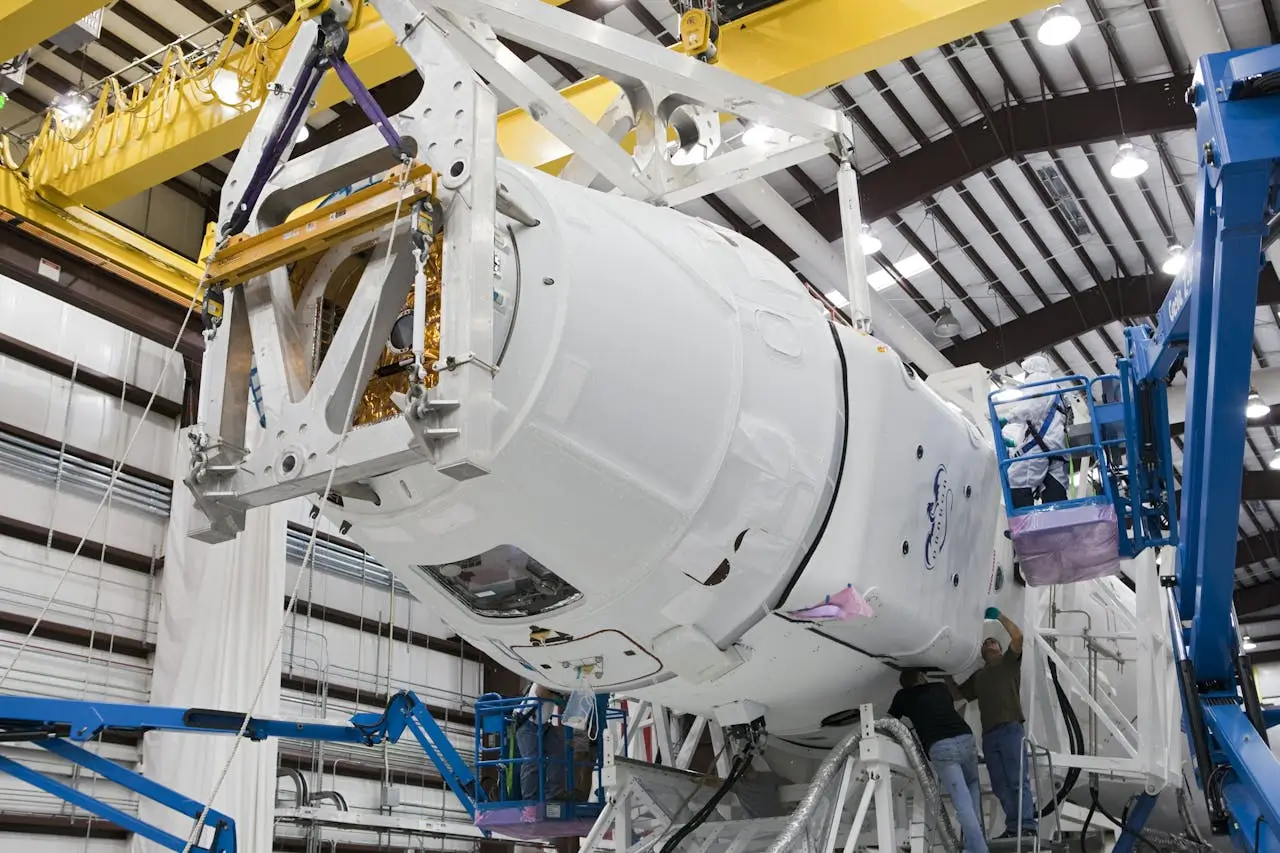
Aerospace assembly facility with large spacecraft module inside controlled manufacturing environment

Common Environmental Risks in Aerospace Production Facilities

Aerospace production operates within extremely tight performance and safety margins. Even small shifts in temperature, humidity, or air quality can disrupt material stability and process consistency. Controlling environmental risks is essential to protect precision, reliability, and long-term component performance.

read more...
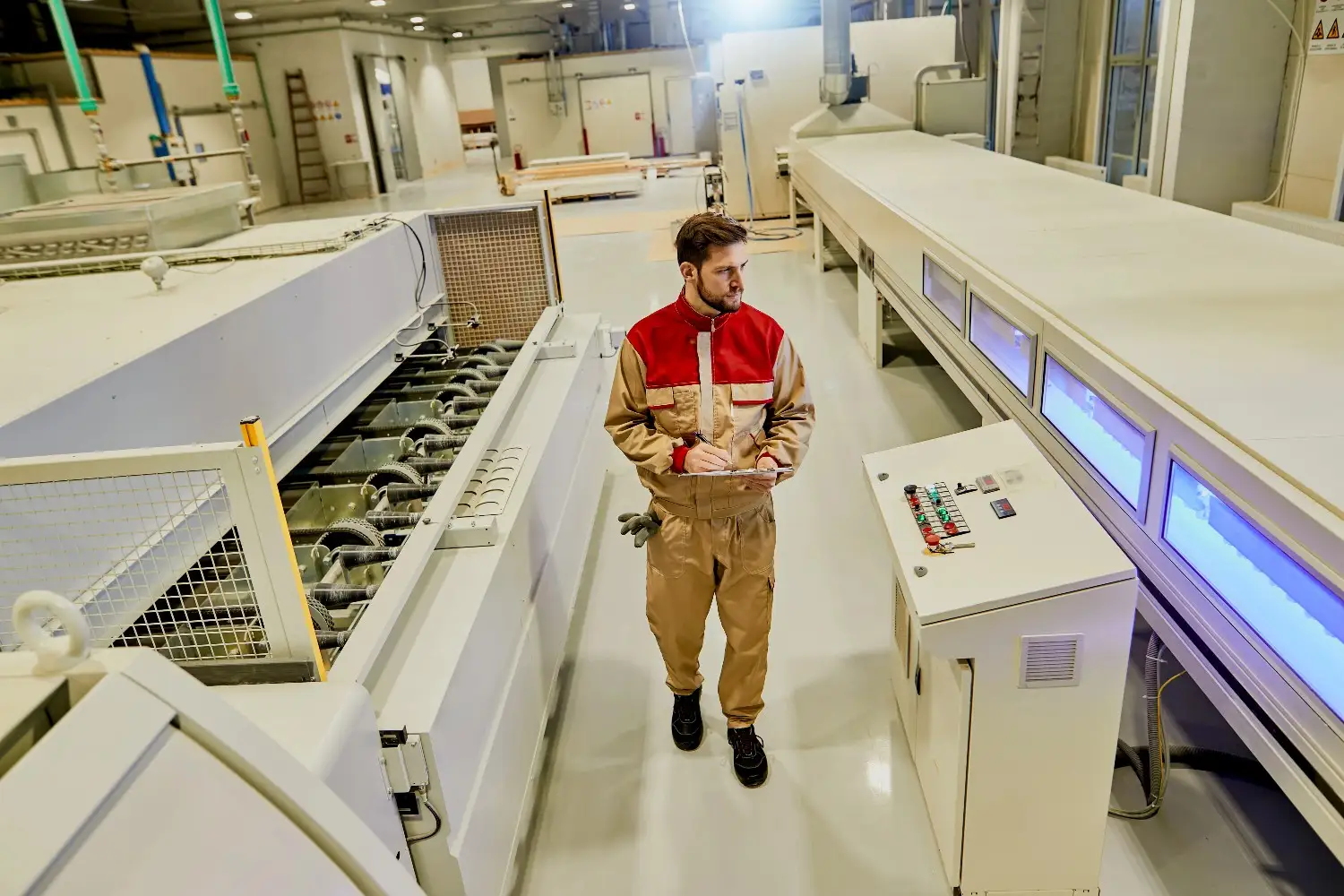
Dry air affecting ink transfer quality

How Dry Air Impacts Ink Transfer

Dry air in printing environments disrupts ink transfer, adhesion, and substrate interaction, causing uneven coverage and streaking across print runs. Stable humidity reduces evaporation and supports ink behavior well.

read more...