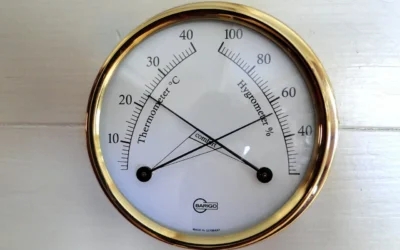
Understand what a hygrometer is, how it measures relative humidity, and how RH readings help manage comfort, materials, and controlled environments in homes and facilities.
What Is a Hygrometer and How Does It Measure Humidity?
read more




Chief Technology Officer at Smart Fog
Author
Ido Goldstein is a technology innovator with deep expertise in humidity engineering, climate control, and non-wetting fog systems. He has spent years advancing energy-efficient and water-smart solutions that help industries like cleanrooms, data centers, wineries, and greenhouses maintain precise environmental control.
Passionate about technology with real-world impact, Ido also supports sustainable agriculture initiatives and nonprofit innovation. Through this blog, he shares practical insights on HVAC advancements, indoor air quality, and the science behind high-performing environments.
Understand what a hygrometer is, how it measures relative humidity, and how RH readings help manage comfort, materials, and controlled environments in homes and facilities.

Choosing the right greenhouse humidifier is critical for commercial growers. This guide explains system types, non-wetting performance, and how engineered solutions deliver stable, uniform humidity control at production scale.

100% humidity doesn’t mean rain. It means the air is fully saturated. Learn why indoor spaces don’t “rain,” how condensation forms, and what high humidity actually feels like in real environments.

A practical comparison of ESD control methods including grounding, ionization, wrist straps, and humidification to build a reliable, layered protection strategy.

Humid air tends to rise because it is less dense than dry air, but relative humidity can still read higher near cooler floor-level surfaces. This article explains moisture movement, indoor airflow, and humidity behavior in homes, buildings, and facilities.
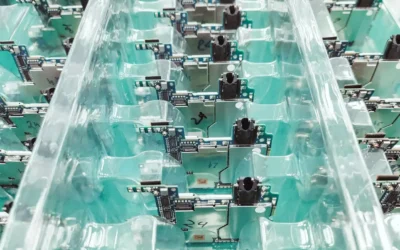
Learn how to prevent static electricity in electronics manufacturing by improving humidity control, reducing ESD risk, and creating more stable conditions that protect sensitive components and support consistent production quality.

Absolute humidity measures the actual mass of water vapor in the air, while relative humidity shows how close the air is to saturation at a given temperature. This guide explains the key differences and where each is used.
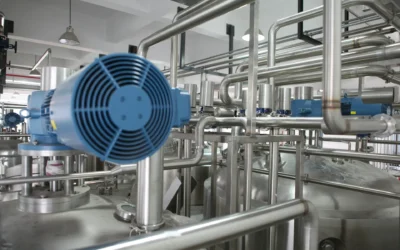
Industrial humidifiers help facility managers maintain stable humidity, reduce static buildup, protect sensitive equipment, and support more consistent operating conditions across demanding commercial and industrial environments.
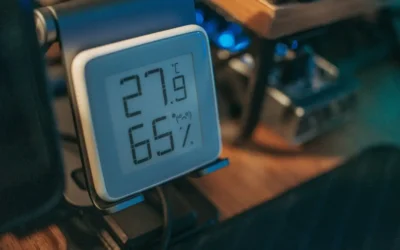
A complete guide to humidity meters, covering sensor types, accuracy, calibration, and how to choose the right device for residential, industrial, and laboratory environments.

Learn how to control humidity by comparing ventilation, portable devices, HVAC support, and engineered systems built to maintain target RH in residential, commercial, and industrial environments.