

- Identify common causes of charge buildup within controlled spaces.
- Understand the link between surface charge and particle contamination.
- Protect sensitive electronic hardware from sudden voltage spikes.
- Implement grounding protocols for staff and high-precision equipment.
- Explore the role of ionization in neutralizing unwanted energy.
- Reduce production downtime through effective monitoring strategies.
Understanding Static Electricity in Cleanroom Controlled Environments
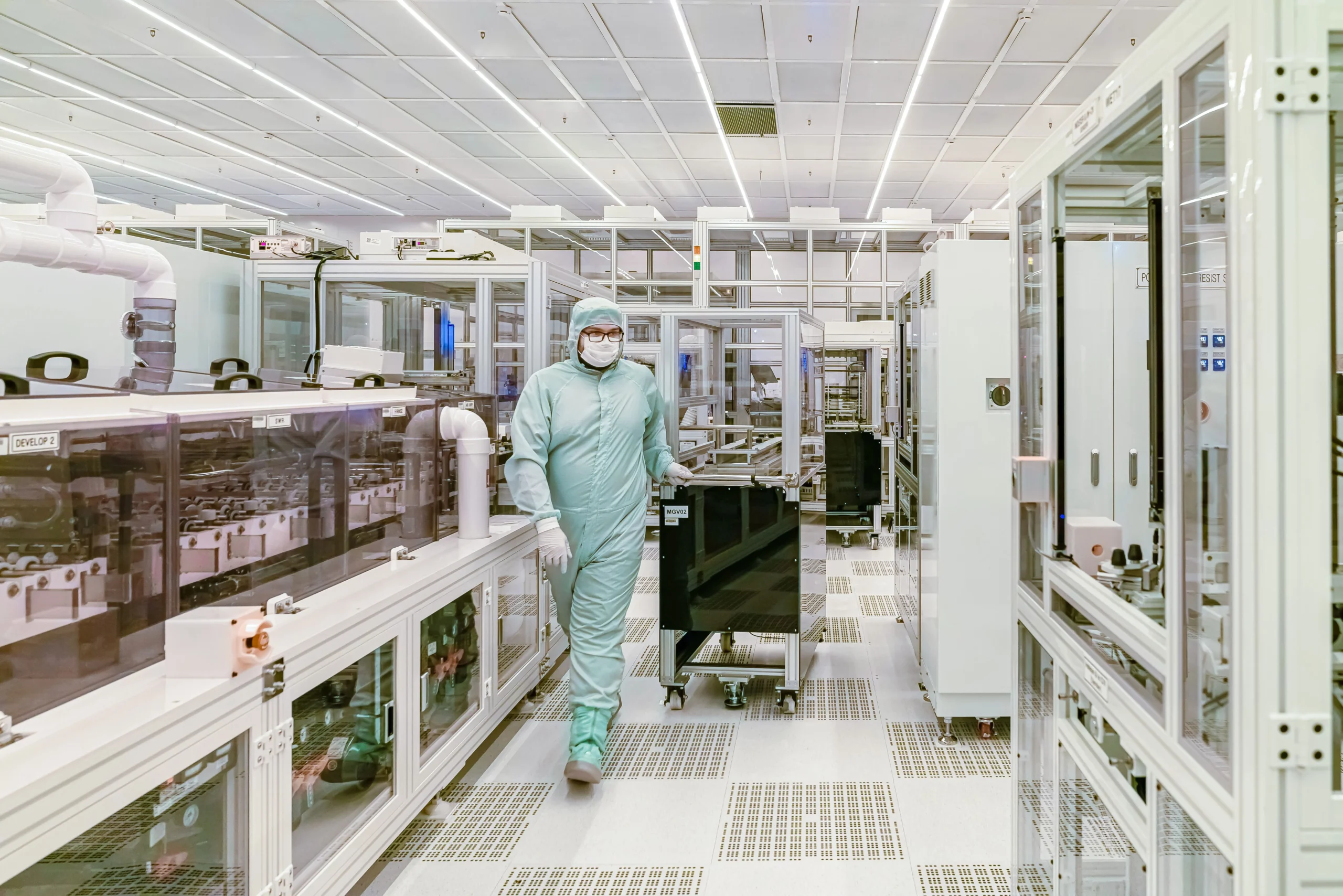
Cleanrooms operate under carefully controlled conditions designed to limit contamination and maintain precise manufacturing standards. Despite these strict controls, static electricity can still accumulate through normal activities such as equipment operation, material handling, and personnel movement.What Causes Static Charge Buildup in Cleanrooms
Static electricity forms when two materials come into contact and then separate, allowing electrons to transfer from one surface to another. This imbalance creates a charge that may remain on surfaces, tools, or garments until it is safely dissipated. Cleanroom environments include many activities that increase this friction between materials. Movement of personnel, interaction with equipment, and handling of materials can all contribute to the accumulation of static electricity. Several common operational factors contribute to static buildup in cleanroom environments.- Movement of personnel wearing cleanroom garments.
- Friction created during equipment operation and maintenance.
- Handling, storage, and transfer of materials.
- Contact between non-conductive tools or surfaces.
Role of Low Humidity and Airflow in Electrostatic Generation
Environmental conditions strongly influence how static electricity behaves in controlled spaces. When humidity levels remain very low, the surrounding air lacks enough moisture to help dissipate electrical charges naturally, making humidity control an important factor in preventing static buildup. Air movement within the cleanroom can also contribute to static buildup. While airflow is necessary to remove particles and maintain cleanliness, fast-moving air may increase friction between surfaces and materials. Several environmental factors can influence the likelihood of electrostatic charge generation.- Low humidity: Dry air allows electrical charges to remain on surfaces longer because there is not enough moisture to dissipate them naturally.
- High airflow: Rapid air movement can increase friction between materials, which may contribute to additional static charge generation.
- Controlled humidity: Stable humidity levels help electrical charges dissipate more easily and reduce the risk of electrostatic discharge events.
Risks of Static Electricity in Cleanroom Operations
Static electricity introduces multiple risks that can affect production stability and equipment safety. Electrical imbalances may damage delicate electronics, attract airborne contaminants, and disrupt the environmental stability required for sensitive manufacturing processes.Electrostatic Discharge and Equipment Damage
Electrostatic discharge occurs when accumulated electrical energy suddenly transfers between surfaces with different electrical potentials. Even a small discharge can damage sensitive electronic components used in semiconductor, aerospace, or medical device manufacturing. This type of damage may not always appear immediately. Components exposed to electrostatic discharge can develop hidden defects that lead to failures later during product use or system operation.Static Attraction of Particles
Static electricity can also influence how particles behave within a cleanroom environment. Charged surfaces attract airborne contaminants, which can settle onto sensitive products or production equipment. This effect becomes especially problematic in industries that require extremely low particle levels. Even minor contamination events may reduce product yield and increase manufacturing costs. Two primary operational risks associated with static electricity include:- Electrostatic discharge (ESD): Sudden transfer of electrical charge that can damage electronic components and cause equipment failure.
- Static particle attraction: Charged surfaces pull airborne contaminants toward sensitive areas, increasing contamination risk and product defects.
How Static Electricity Affects Cleanroom Contamination Control
Static electricity can significantly influence contamination control inside cleanrooms. Charged surfaces attract airborne particles, increasing the likelihood that contaminants will settle on sensitive equipment or products. This behavior directly interferes with the strict cleanliness standards required in controlled environments.Increased Particle Adhesion to Surfaces and Materials
Static electricity increases the likelihood that particles will cling to surfaces and equipment, which is one of the common reasons for cleanroom compliance failure. Charged materials attract airborne contaminants through electrostatic forces, making it more difficult to maintain a controlled and contaminant-free environment. Low humidity levels often intensify this problem because dry air allows electrical charges to remain on surfaces for longer periods. As static energy builds, more particles can accumulate on equipment, garments, and manufacturing tools. Several operational factors commonly increase particle adhesion inside cleanroom environments.- Electrostatic charge on equipment and surfaces: Charged materials attract airborne particles through electrostatic forces.
- Low humidity conditions: Dry air allows static electricity to persist instead of dissipating naturally.
- Material composition: Certain synthetic or non-conductive materials are more prone to generating static electricity.
Impact on Product Quality and Process Reliability
Static electricity can directly affect the quality of products manufactured in cleanroom environments. When particles settle on sensitive components or materials, contamination may occur during critical stages of production. Manufacturing processes that depend on extremely low contamination levels are particularly vulnerable. Even small amounts of particulate interference can reduce production yield or compromise product reliability. Several operational consequences may arise from static-related contamination.- Product defects caused by particle contamination.
- Reduced reliability in sensitive manufacturing processes.
- Increased production costs from waste, rework, or rejected batches.
Low Humidity and Static Buildup in Cleanroom Environments
The relationship between low humidity and static buildup is a critical concern in cleanroom environments. Cleanrooms are designed to maintain precise conditions to prevent contamination and ensure the quality of products manufactured within them.Dry Air, Charge Accumulation, and Environmental Instability
Dry air allows electrical charges to accumulate on surfaces because there is insufficient moisture to help dissipate them naturally. As static electricity builds, surfaces and equipment can develop electrostatic fields that influence particle movement and contamination behavior. Environmental stability becomes more difficult to maintain when these charges persist. Charged surfaces may attract dust and other airborne contaminants, increasing the risk of product defects and operational disruption. Maintaining proper humidity levels helps reduce these risks. Balanced environmental conditions allow static charges to dissipate more easily, supporting a more stable cleanroom environment.Effects on Electronics, Pharmaceuticals, and Precision Manufacturing
Many high-precision industries rely on cleanrooms to protect sensitive materials and products. Static electricity combined with low humidity can interfere with production processes in several critical sectors, which is why humidity control is important in controlled environments. Several industries experience significant operational challenges when static electricity is not properly controlled.- Electronics manufacturing: Electrostatic discharge can damage delicate components and disrupt assembly processes.
- Pharmaceutical production: Static attraction of particles may introduce contamination risks during drug manufacturing.
- Precision manufacturing: Static electricity can interfere with equipment performance and affect dimensional accuracy.
Industries Where Static Electricity Is a Major Cleanroom Risk
The presence of static electricity in cleanrooms is a major risk factor for numerous industries. These industries require stringent contamination control and ESD protection measures to ensure product quality and reliability. Static electricity poses a significant threat to the integrity of products and processes in various sectors.Semiconductor, Pharmaceutical, and Medical Device Manufacturing
Semiconductor manufacturing requires extremely controlled environments because electronic components are highly sensitive to electrostatic discharge. Even a small static event can damage microchips, wafers, or integrated circuits during production. Industries that commonly face high electrostatic risk include:- Semiconductor manufacturing: Static discharge can damage microchips and delicate electronic components.
- Pharmaceutical production: Charged surfaces may attract particles that contaminate sterile products.
- Medical device manufacturing: Static electricity can disrupt precision assembly processes.
Aerospace, Biotechnology, and Research Facilities
Several specialized industries must carefully control static electricity in cleanroom environments.- Aerospace manufacturing: Static discharge may damage electronic components during assembly.
- Biotechnology laboratories: Charged surfaces can attract contaminants toward biological samples.
- Research facilities: Electrostatic interference may disrupt experimental accuracy.
Monitoring Static Electricity in Cleanroom Facilities
Continuous monitoring is essential for maintaining stable cleanroom environments. Static electricity risks often increase when environmental conditions fluctuate, especially when humidity levels fall. Environmental monitoring systems track key conditions such as humidity, temperature, and air quality. These measurements help identify situations where static electricity may begin to accumulate.Environmental Monitoring and ESD Risk Detection
Monitoring systems use sensors to detect environmental changes inside cleanrooms. Low humidity and unstable conditions can allow electrostatic charges to accumulate on surfaces and equipment. ESD detection tools measure electrical charge levels and help identify potential discharge risks. Early detection allows facility managers to adjust environmental conditions before problems occur. Common monitoring practices include:- Tracking humidity levels to prevent static buildup
- Monitoring temperature stability inside the cleanroom
- Observing air quality and particle behavior
- Measuring electrostatic charge levels on equipment and surfaces
Real-Time Sensors and Cleanroom Risk Assessment Practices
Real-time sensors provide continuous environmental data that supports proactive risk management. When conditions change, facility operators can respond quickly to maintain stable cleanroom conditions. Regular risk assessments also help ensure that electrostatic control measures remain effective. Reviewing environmental data helps facilities refine their monitoring strategies and maintain reliable operations. Key parameters commonly monitored in cleanrooms include:- Humidity levels: Proper humidity helps electrical charges dissipate more easily.
- Temperature stability: Consistent temperatures support reliable equipment performance.
- Air quality: Monitoring airborne particles helps maintain cleanroom cleanliness.
Environmental Strategies to Reduce Static Electricity Risks
Reducing static electricity in cleanrooms requires a multifaceted approach that includes both environmental controls and operational best practices. Static electricity in cleanrooms can be effectively managed through a combination of environmental strategies and operational practices. The first step involves maintaining stable humidity and environmental conditions.Maintaining Stable Humidity and Environmental Conditions
Humidity levels strongly influence how static electricity behaves inside cleanrooms. When the air becomes too dry, electrical charges remain on surfaces for longer periods because there is insufficient moisture to dissipate them naturally. Maintaining balanced humidity in cleanrooms helps electrical charges dissipate more easily and reduces particle attraction with a proper humidity control system. Stable environmental conditions also support contamination control and protect materials that are sensitive to dry air. Several environmental factors help reduce static electricity risks.- Balanced humidity levels: Maintaining relative humidity around 40–60% helps reduce static charge buildup.
- Consistent environmental control: Stable temperature and airflow support a predictable cleanroom environment.
- Controlled humidification systems: Reliable humidity control helps maintain stable environmental conditions.
Operational Practices for Minimizing Static Buildup
Environmental control alone cannot eliminate static electricity risks. Cleanroom facilities also rely on operational practices that help neutralize electrical charges and reduce electrostatic buildup during daily activities. Proper training, specialized equipment, and ESD-safe procedures help protect sensitive products and maintain contamination control standards. Common operational practices used to reduce static buildup include:- Using ionization systems to neutralize electrical charges on surfaces.
- Installing ESD-safe flooring, workstations, and storage systems.
- Training personnel to follow ESD-safe handling procedures.
- Inspecting and maintaining ionization systems regularly.
Best Practices for Preventing Static Electricity in Cleanrooms
To prevent damage from static electricity, cleanroom operators must adopt a proactive approach. This involves implementing a combination of strategies that address the root causes of static electricity and ensure compliance with cleanroom standards.Environmental Monitoring and Preventive Maintenance
Regular monitoring helps facility managers maintain stable environmental conditions that support effective static control. Tracking humidity levels, temperature stability, and air movement creates a balanced cleanroom environment, often enhanced by cleanroom humidification systems that help maintain consistent moisture levels. Preventive maintenance also ensures that grounding systems, monitoring equipment, and environmental controls continue to function correctly. Key environmental parameters commonly monitored in cleanrooms include:- Humidity levels: Maintaining around 40–60% humidity helps reduce static buildup.
- Temperature stability: Consistent temperature supports reliable equipment operation.
- Airflow patterns: Controlled airflow helps maintain cleanroom stability and particle control.
Integrating Static Risk Management With Cleanroom Compliance
Effective static control programs must also align with cleanroom compliance standards. Facilities that integrate electrostatic control into their operational procedures can maintain safer and more reliable environments. Training personnel and maintaining ESD-safe equipment helps ensure that contamination control and static prevention remain part of daily operations. Important compliance practices include:- Training personnel on proper ESD-safe handling procedures.
- Using equipment and materials designed for electrostatic control.
- Conducting regular audits to verify compliance with cleanroom standards.