 Made in USA


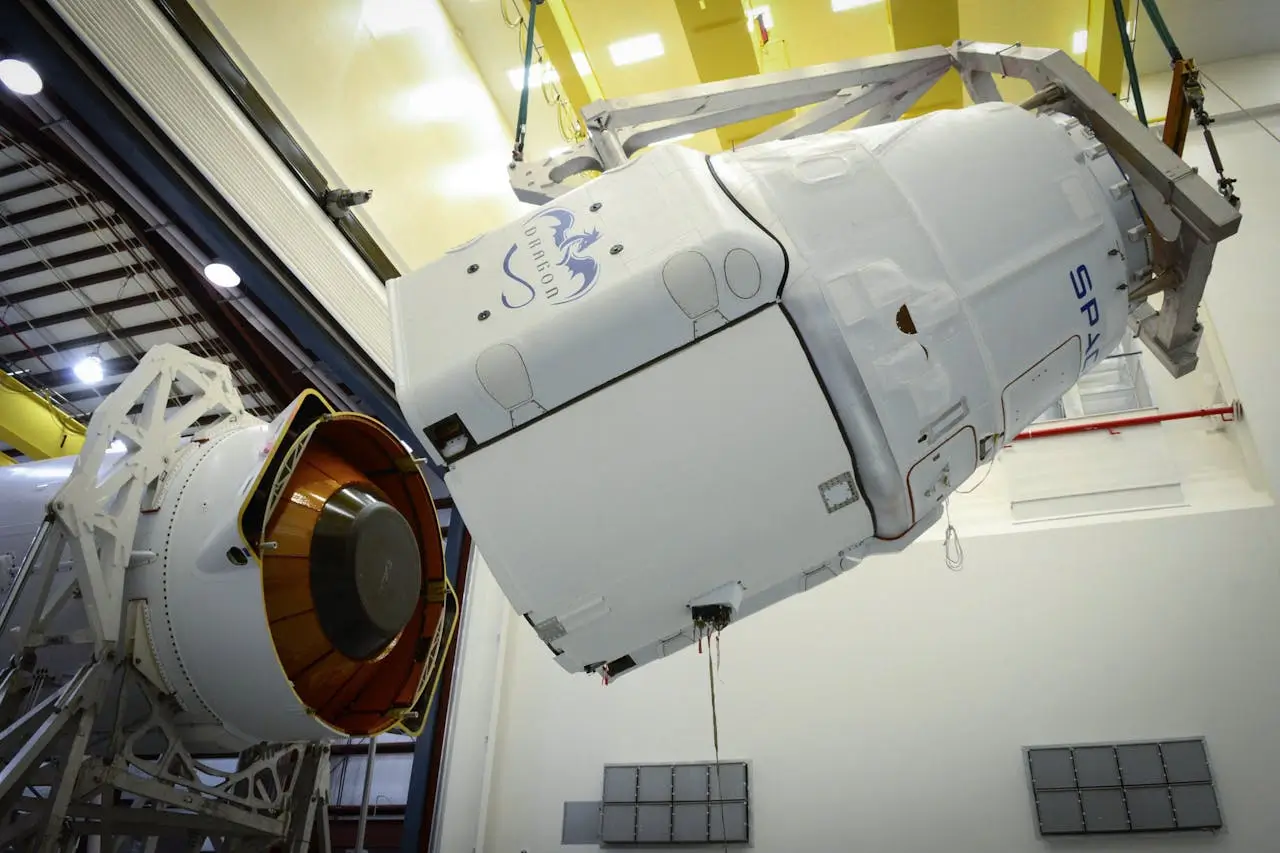
Managing Static and Airborne Risks in Aerospace Facilities
Managing static and airborne risks in aerospace facilities requires stable environmental control, especially precise humidity management. Controlled humidity helps prevent electrostatic discharge, reduce particle attraction, and protect sensitive aerospace assemblies from contamination and performance risks.

Environmental Control Methods for Automotive Plants: Systems, Strategies, and Best Practices
Environmental control systems help automotive plants maintain stable temperature, humidity, and air quality. These methods support consistent production quality, protect sensitive components, and improve manufacturing efficiency.
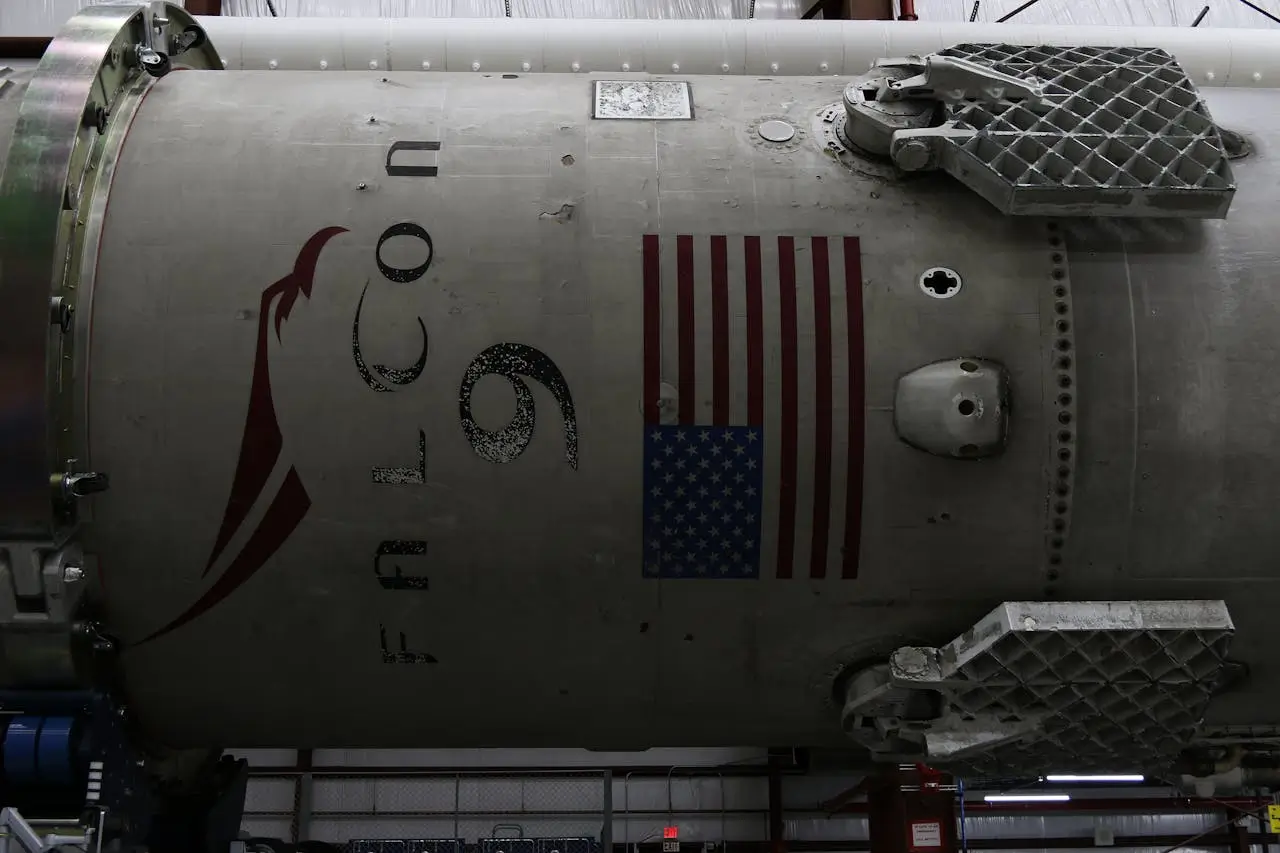
Choosing Aerospace Humidity Control Systems for Manufacturing
Aerospace manufacturing requires precise humidity control to protect sensitive components, minimize static and airborne risks, and maintain dimensional stability. The right system selection ensures consistent production quality, material integrity, and regulatory-ready environmental conditions.

Methods for Reducing Static in Paint Booth Operations
Static electricity in paint booths lowers transfer efficiency, increases overspray, and disrupts finish consistency. This guide covers how humidity control, airflow stability, and environmental management reduce charge buildup and improve coating performance.
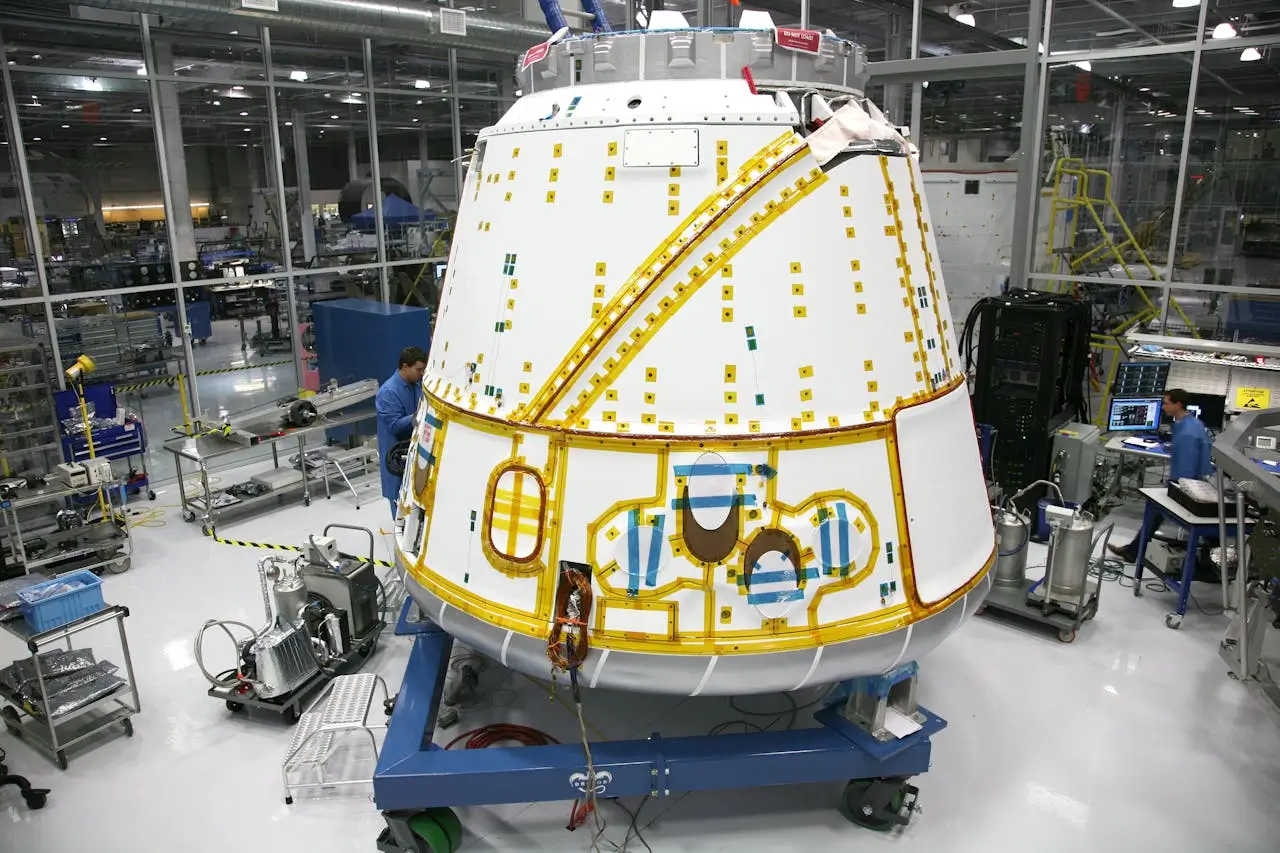
Environmental Control Systems for Aerospace Production Facilities
Aerospace production relies on stable environmental control systems to protect precision components. Managing humidity, temperature, and airflow prevents static discharge, moisture imbalance, and contamination. Continuous monitoring ensures consistent conditions and reduces rework and reliability risks.

Improving Print Quality with Proper Humidity Control
Proper humidity control maintains print quality, stable paper behavior, and consistent ink transfer. Balanced relative humidity reduces static, prevents feeding issues, improves registration accuracy, and minimizes waste, defects, and downtime.
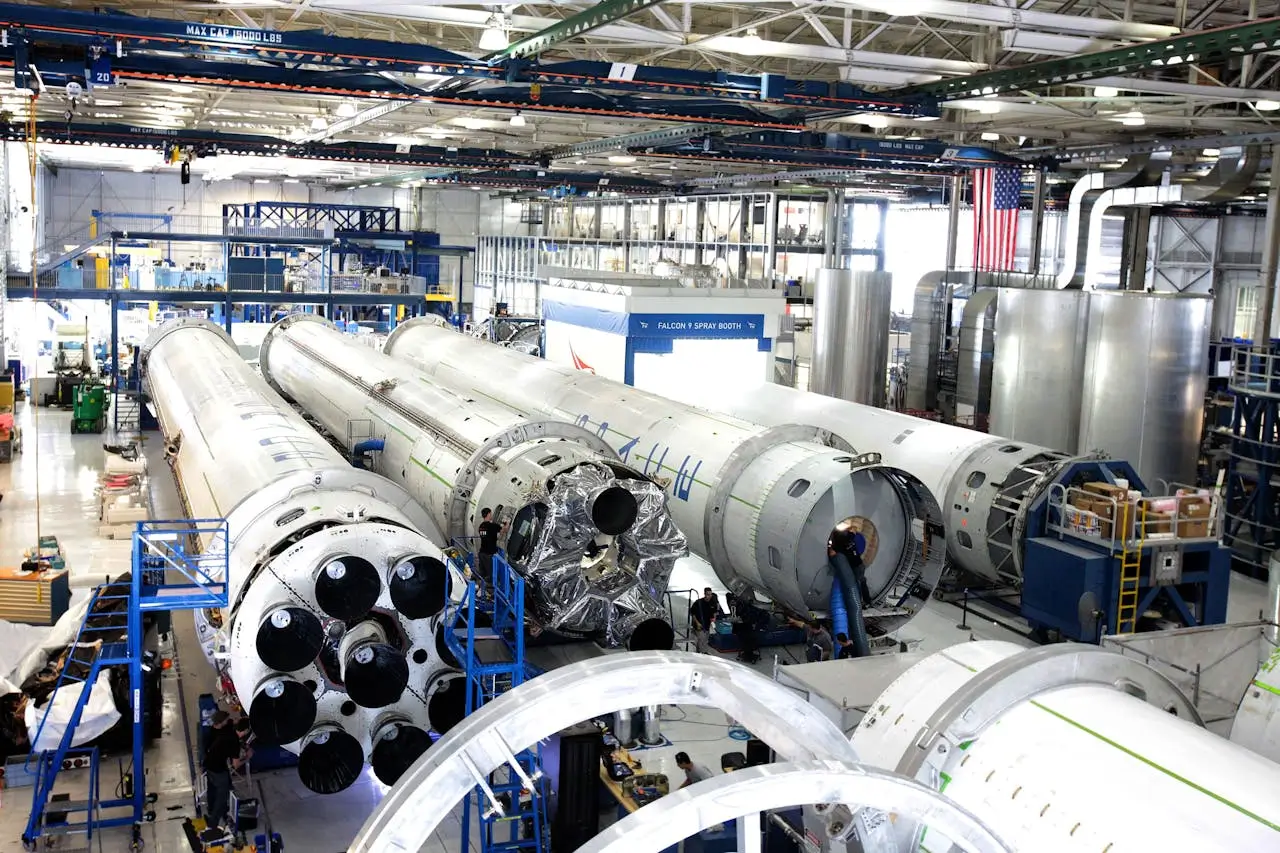
Ideal Humidity Levels for Aerospace Manufacturing Facilities
Maintaining ideal humidity levels is critical in aerospace manufacturing. Stable moisture conditions prevent corrosion, static discharge, and material instability in precision production zones. Controlled environments help protect composites, electronics, and structural components to ensure long-term reliability and consistent performance.
Ideal Humidity Levels for Printing Facilities
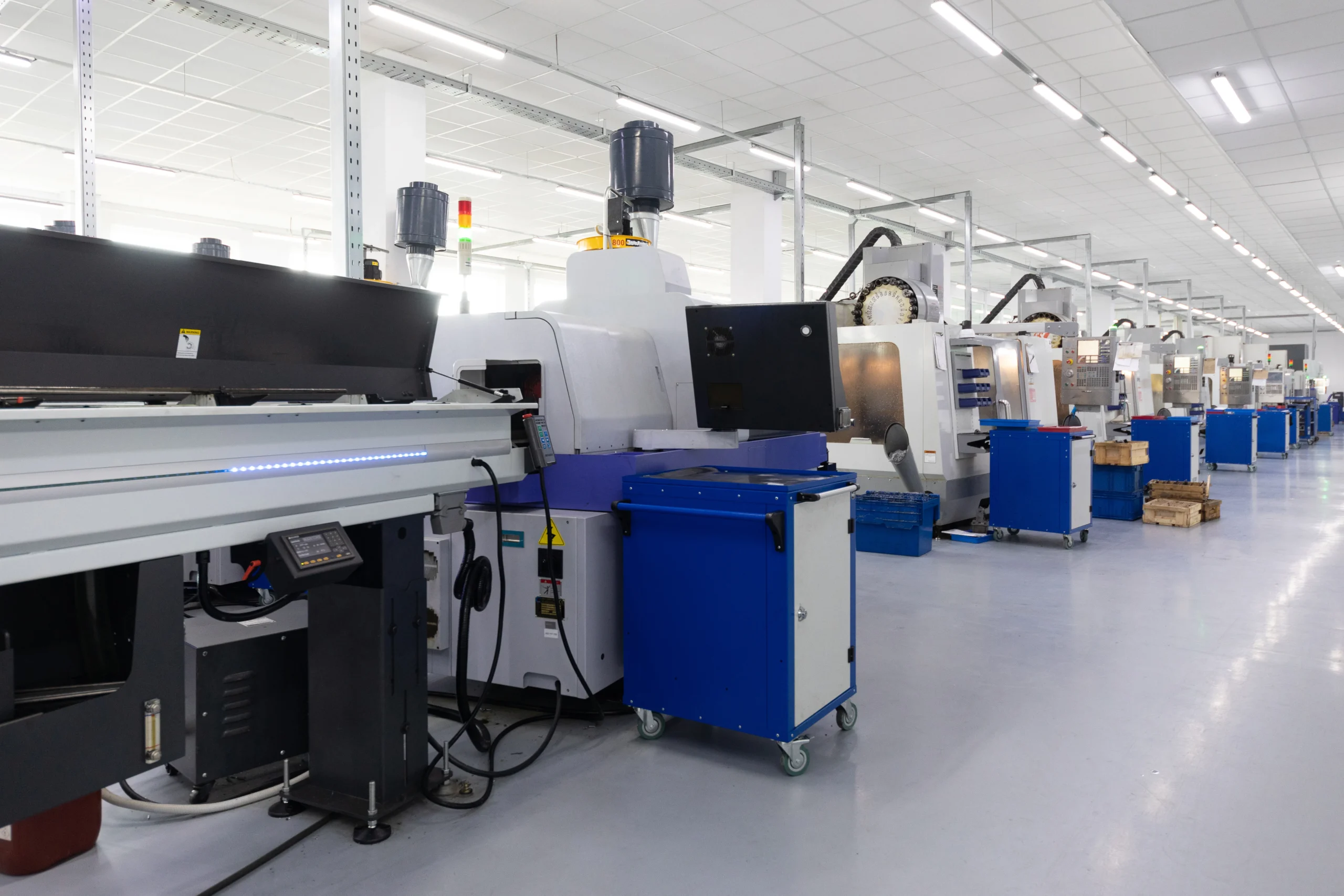
Ideal humidity levels in printing facilities support stable ink transfer, consistent print quality, and smooth substrate handling. Maintaining 40% to 60% relative humidity helps prevent static, paper curl, misregistration, and print defects across runs.
Why Temperature Control Alone Fails in Aerospace Facilities
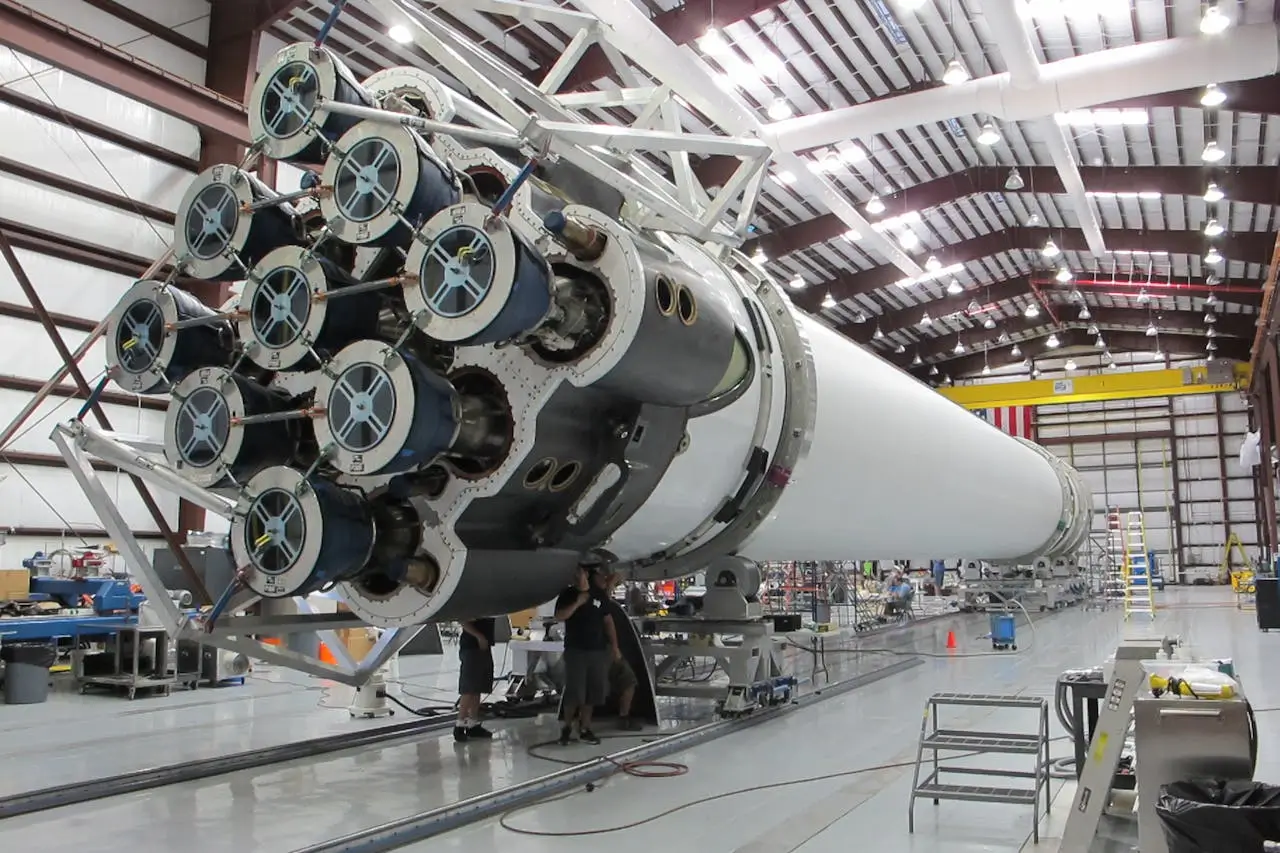
Temperature control alone cannot ensure stable aerospace manufacturing. Humidity and airflow directly affect composite behavior, electronic performance, and process consistency. True environmental control integrates moisture balance and air distribution to protect precision, tolerances, and long-term reliability.