 Made in USA



Ideal Indoor Humidity: What’s Normal, Comfortable, and Safe
Ideal indoor humidity supports comfort, health, and home protection. Learn normal RH ranges, seasonal changes, room-by-room needs, and practical control methods.
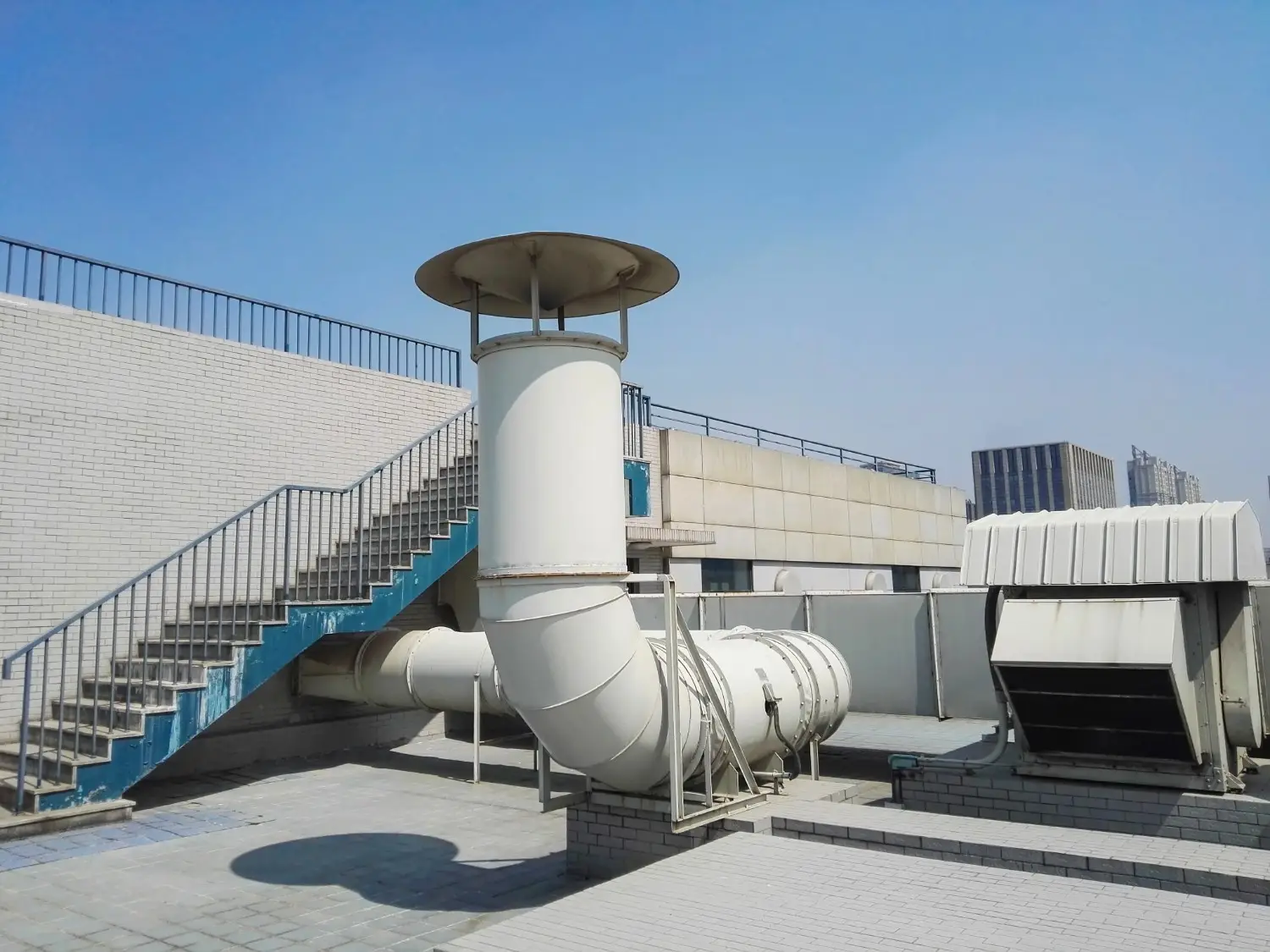
Adiabatic Humidification: How It Works and Why It Uses 90% Less Energy
Adiabatic humidification uses natural evaporation to add moisture without steam. This guide explains how it saves energy, supports HVAC performance, and why dry fog is ideal for sensitive industrial spaces.

Best Humidity Level for Sleeping: What Science Says
The best humidity for sleeping is 40% to 60% RH. Here’s how humidity affects breathing, temperature regulation, and sleep quality. This guide also gives you the information you need to maintain ideal humidity levels for better sleep.
Low Humidity in the Printing Industry: Effects, Risks, and Pressroom Solutions
Low humidity is a leading cause of print quality issues, contributing to paper curl, static buildup, ink adhesion problems, and inconsistent colour reproduction across printing processes. This guide explains how dry air affects paper, ink, and press performance, the recommended humidity ranges for different printing methods, and how precision humidity control helps maintain reliable production and consistent print quality.

What Is Considered Low Humidity? Signs, Causes, and How to Fix It
Relative humidity below 30% is generally considered low. Learn the signs, causes, and how to fix dry air at home and in commercial facilities where static, material damage, and compliance are at risk.
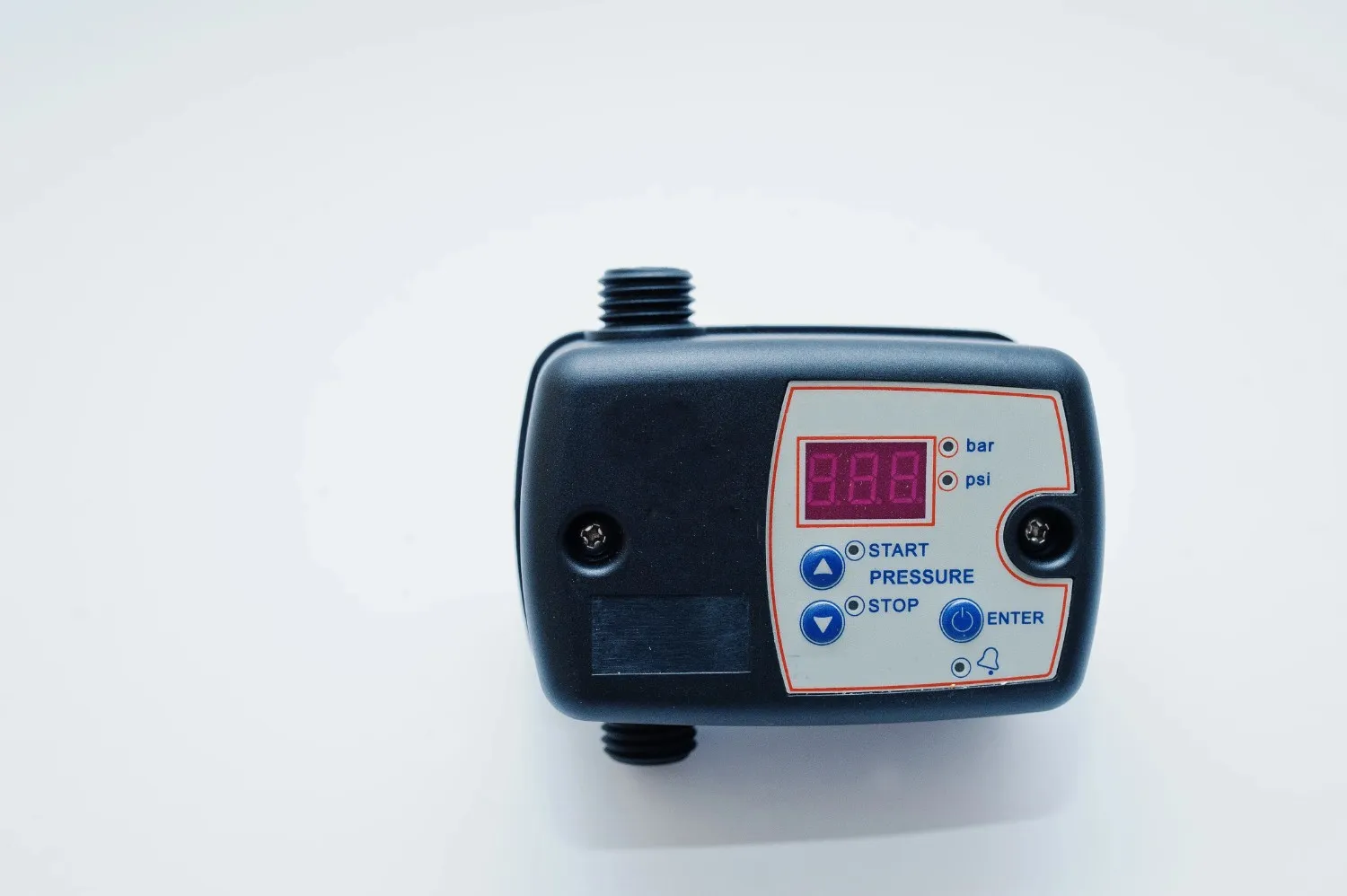
Temperature and Humidity Data Loggers: What They Are and When You Need One
Temperature and humidity data loggers record environmental conditions over time, helping facilities track changes, catch excursions, and support compliance records.

High Humidity in Your House: Causes, Symptoms, and Solutions
High humidity can make your home feel damp and uncomfortable. Learn the common causes, key warning signs, and simple fixes for reducing excess indoor moisture.

Humidity Chambers and Environmental Test Chambers Explained
Humidity chambers are sealed test enclosures that control temperature and RH for product testing, stability studies, and material conditioning. Learn how they work, where they are used, and what specifications matter before buying.

Humidity Controlled Storage: What It Is and Who Needs It
Humidity-controlled storage actively manages RH to protect products, packaging, materials, and equipment from mold, corrosion, condensation, and moisture-related damage.