 Made in USA


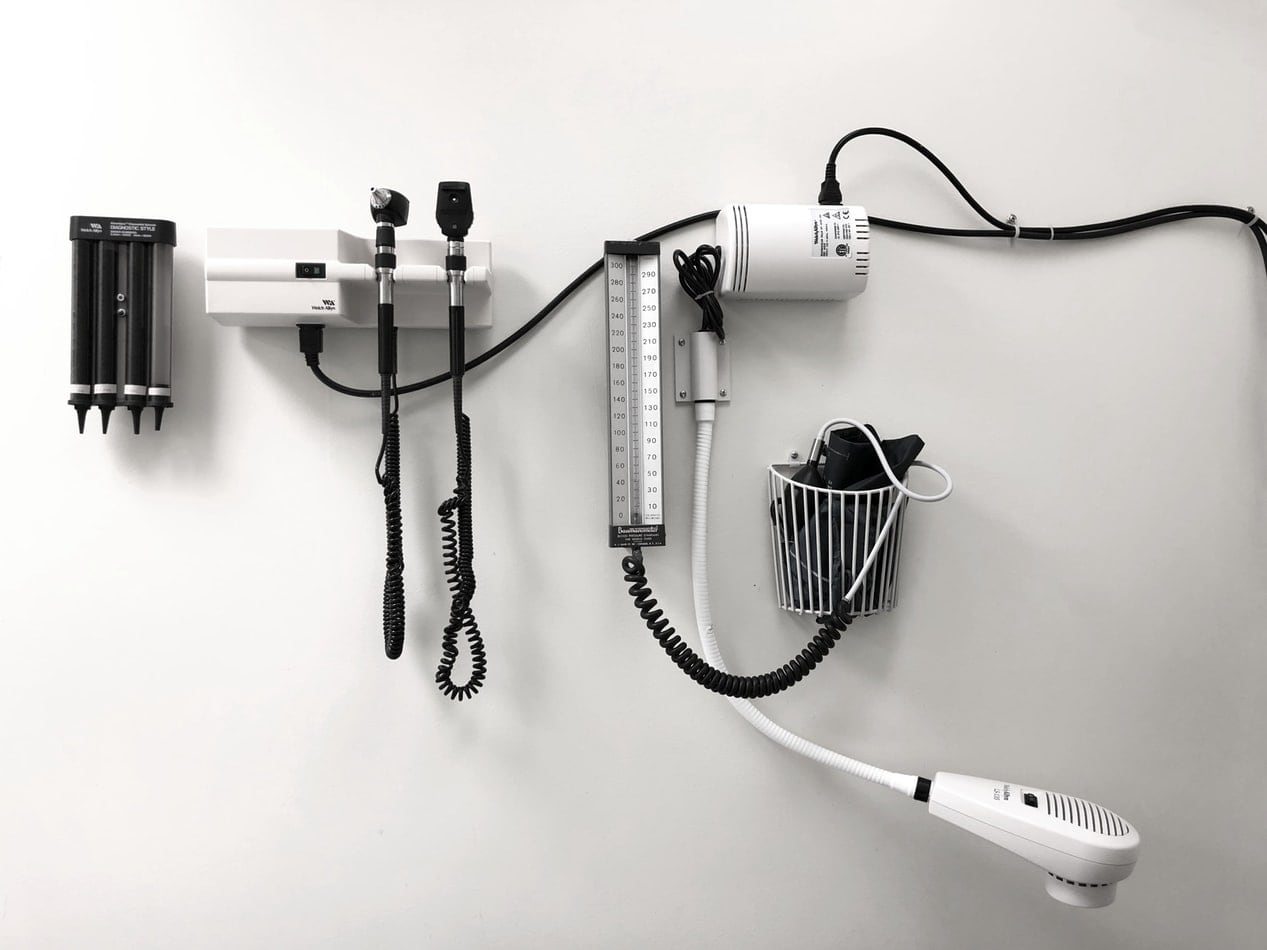
Medical Office Humidifiers: Compliance, Infection Control, and What to Specify
Medical offices must maintain the right indoor humidity to support patient comfort, infection control, and regulatory compliance. This guide explains the humidity standards that apply to clinical spaces, how different humidification technologies compare, and the key factors to consider when selecting a commercial system that delivers precise, reliable, and compliant humidity control.
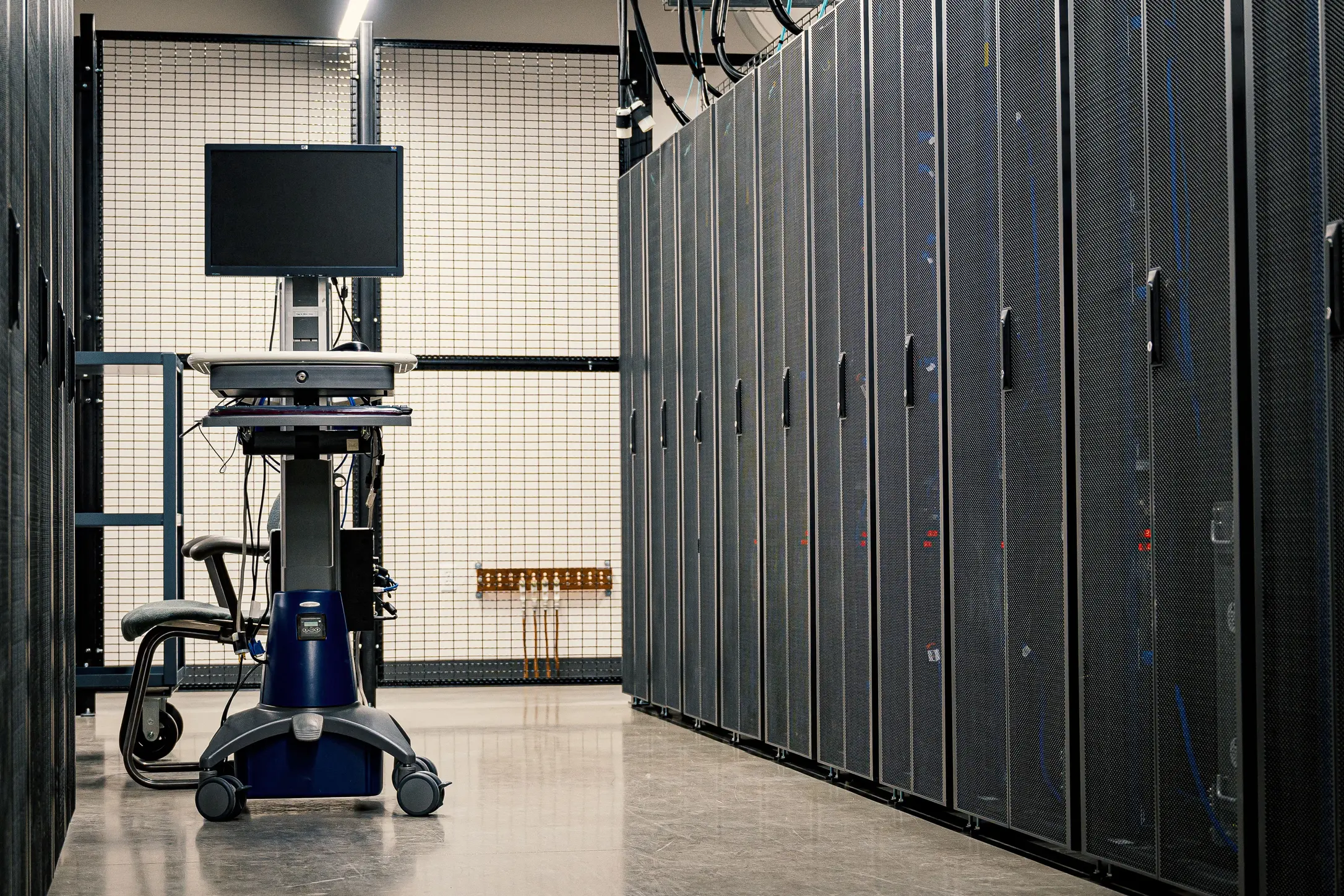
Data Center Cooling: Methods, Technologies, and the Role of Evaporative Systems
Data center cooling is about more than removing heat. It requires balancing temperature, humidity, energy efficiency, and equipment protection to maintain reliable operations. In this article, you’ll learn how air, liquid, and evaporative cooling technologies work, where each approach is most effective, and how precision environmental control helps improve efficiency while reducing risks such as overheating and electrostatic discharge.
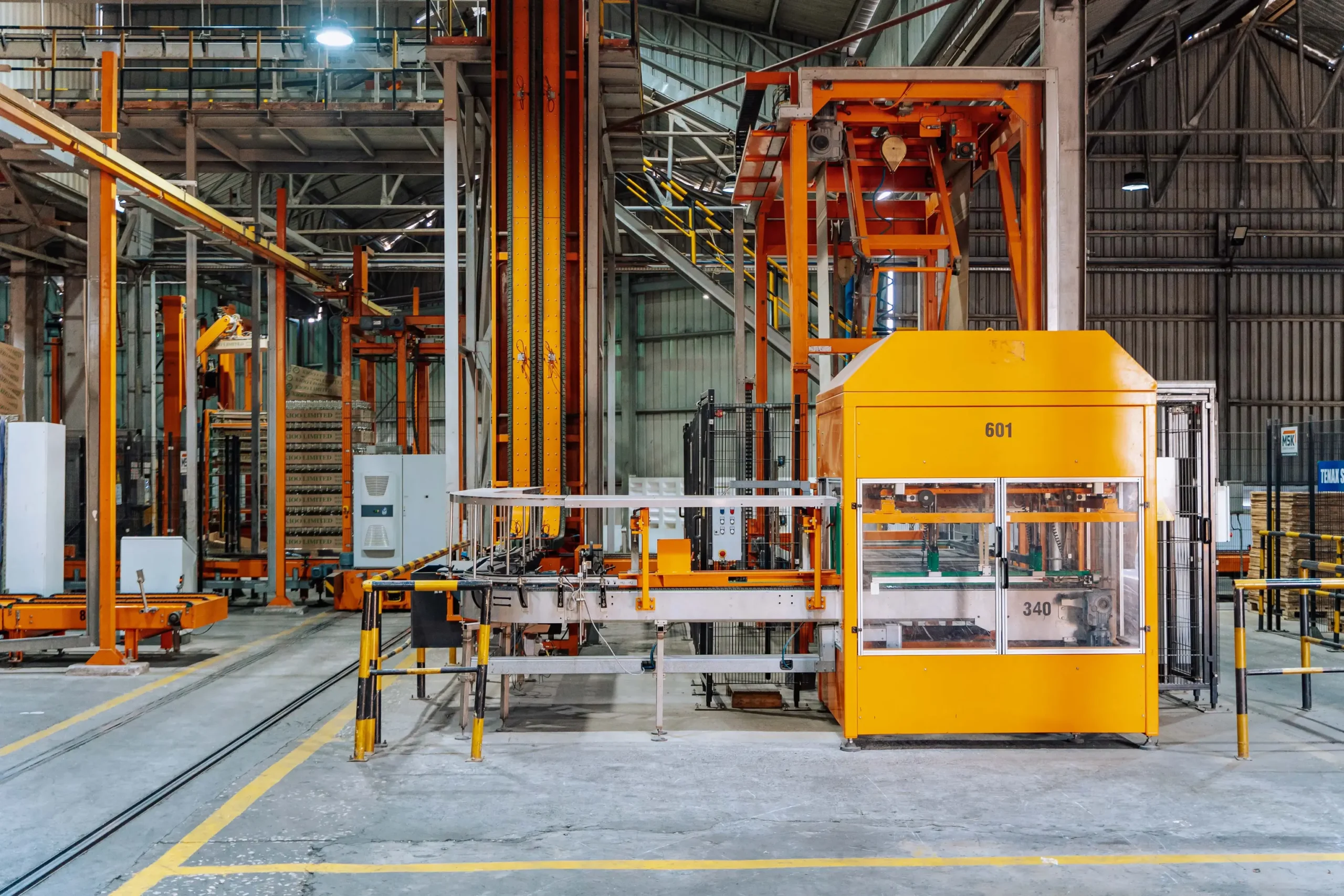
Static Elimination for Manufacturing: Process-by-Process Guide for Facility Managers
Paint booth defects such as fish-eyes, dust contamination, and excessive overspray are often caused by static electricity that attracts particles and disrupts paint transfer. In this article, you’ll learn how static builds up during painting operations, how it affects finish quality and material efficiency, and which static elimination methods help deliver cleaner, more consistent results.

The Best Commercial Humidifiers for Schools and Classrooms
Dry air in school buildings affects student respiratory health, concentration, and indoor air quality. This guide covers commercial humidifier options for classrooms, including coverage area, maintenance demands, and deployment models suited to institutional buyers.
How Rain and Humidity Are Connected
Humidity measures the amount of water vapor in the air, and rain affects it in ways that depend on scale, temperature, and how close the air is to saturation. This article explains the science behind the rain-humidity relationship and what it means for indoor environments.

How Industrial Humidifiers Work to Maintain Cold-Stored Produce Longer
Produce freshness depends on maintaining precise relative humidity throughout cold storage. This guide explains the science behind moisture loss, the RH requirements of specific commodity types, and how industrial humidification systems are engineered to meet those demands.
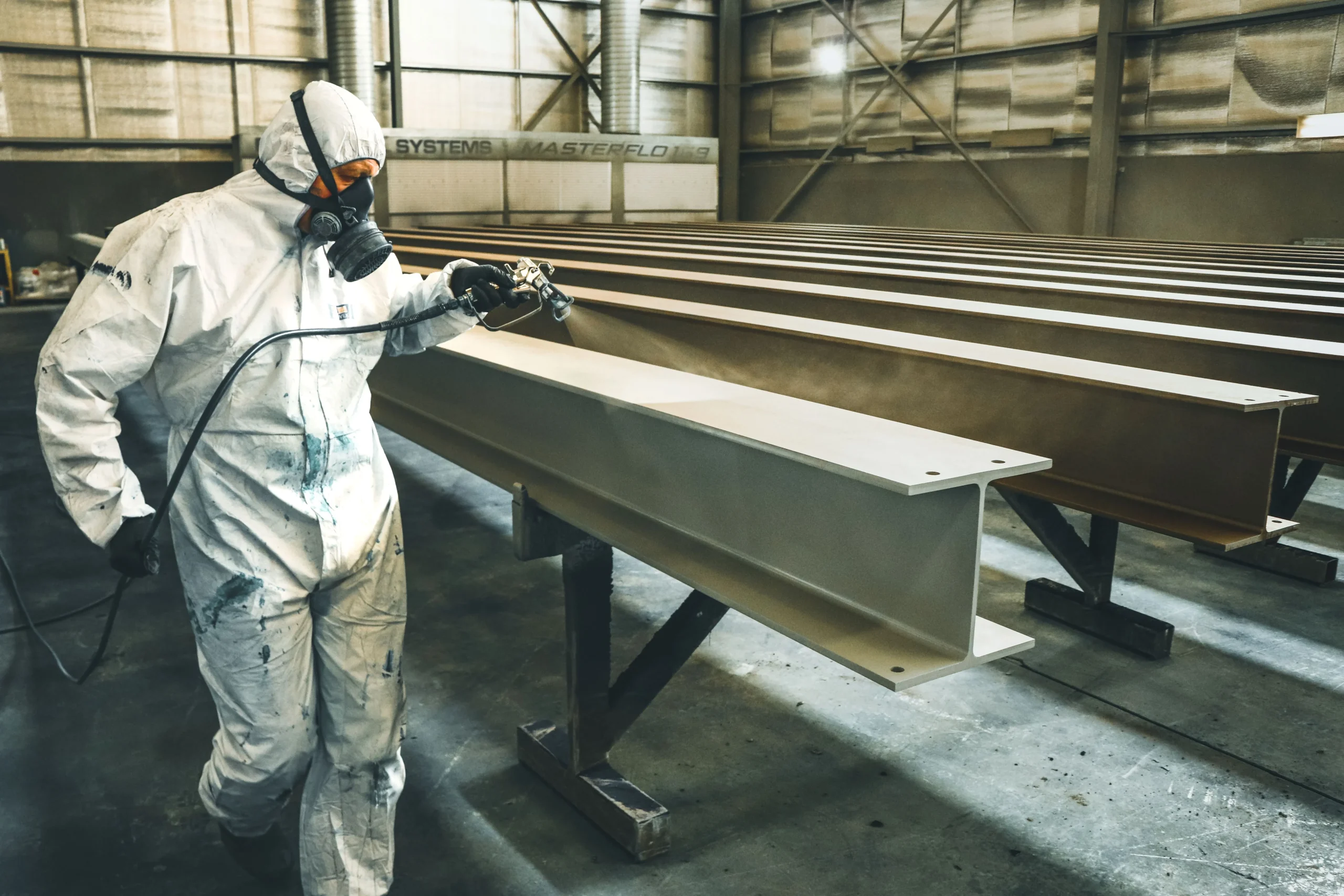
Static Elimination in Painting and Finishing: Preventing Fish-Eye Defects and Dust Contamination
Paint booth defects such as fish-eyes, dust contamination, and excessive overspray are often caused by static electricity that attracts particles and disrupts paint transfer. In this article, you’ll learn how static builds up during painting operations, how it affects finish quality and material efficiency, and which static elimination methods help deliver cleaner, more consistent results.
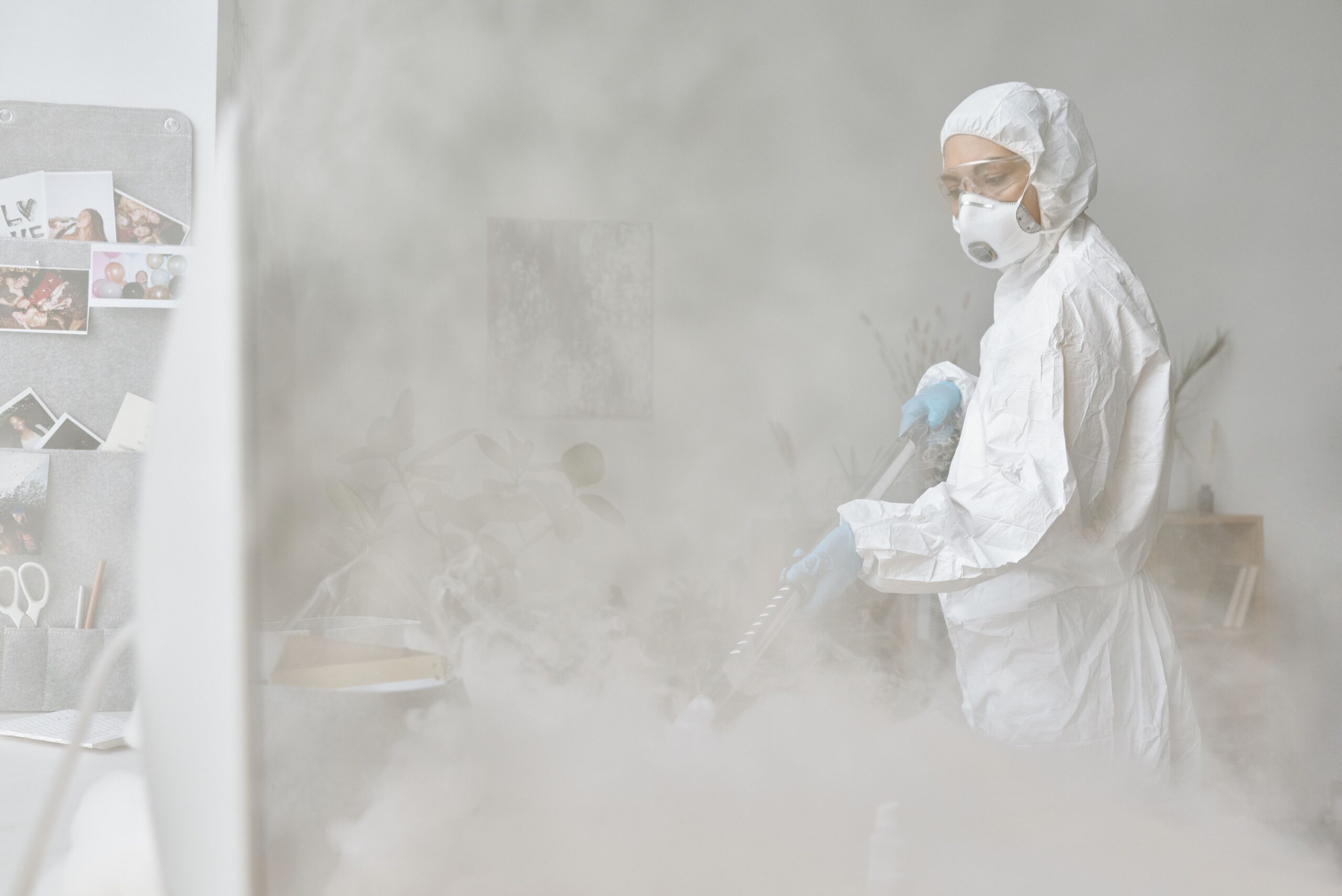
Disinfection Fogging Systems: How They Work and Where They’re Used
Disinfection fogging systems are designed to rapidly distribute EPA-registered disinfectants across large areas, helping facilities treat surfaces and airborne pathogens that may be difficult to reach through manual cleaning alone. In this article, you’ll learn how different fogging technologies work, where they are commonly used, their operational limitations, and how continuous environmental humidity control can support cleaner facility conditions without chemical application or downtime.
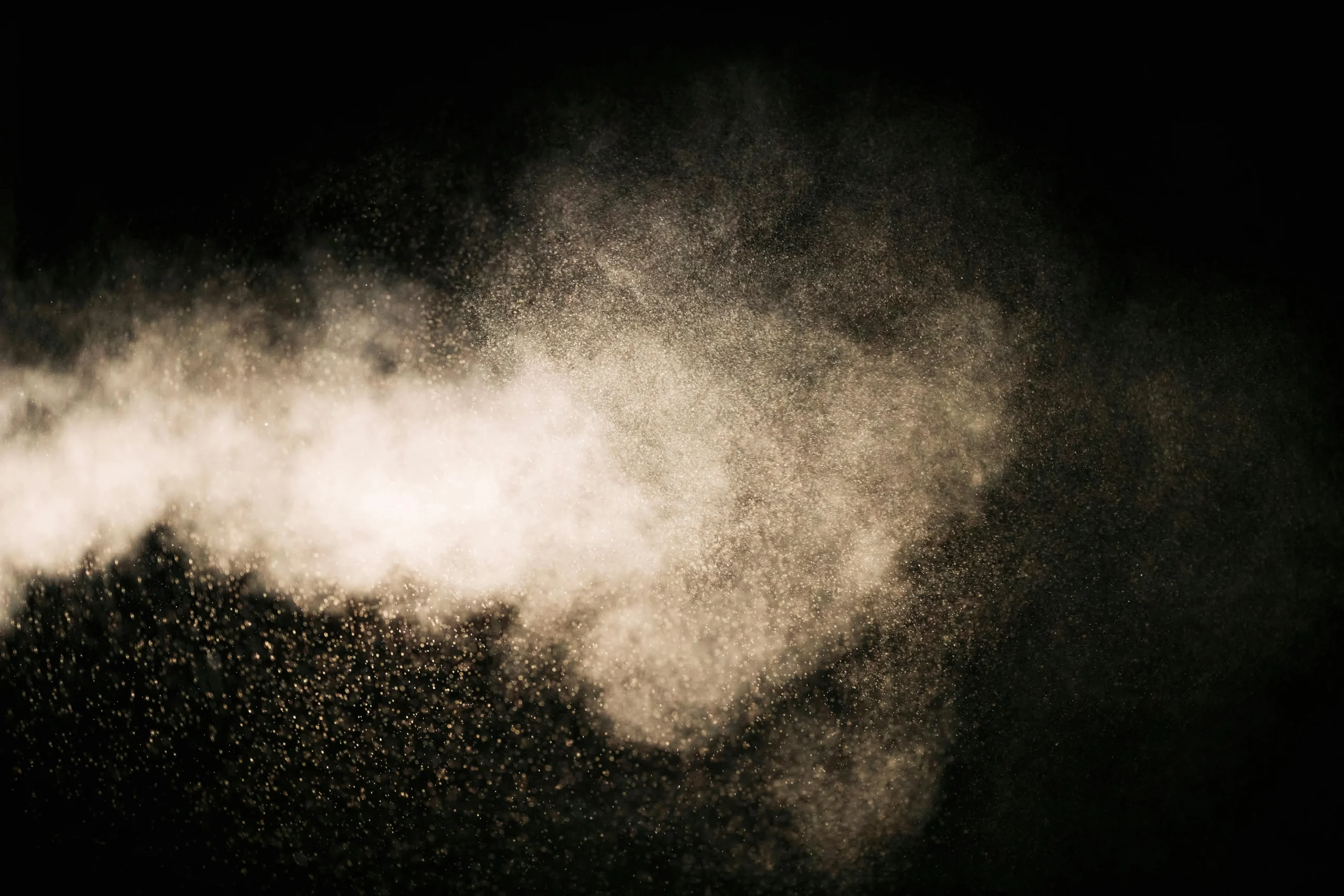
Dust Suppression Systems: How Dry Fog Technology Controls Industrial Dust
Dry fog dust suppression works by introducing self-evaporating water droplets that capture airborne particles before they settle or spread. This guide explains the suppression mechanics, regulatory compliance context, and how dry fog compares to wet suppression and dust collectors across key industrial applications.