


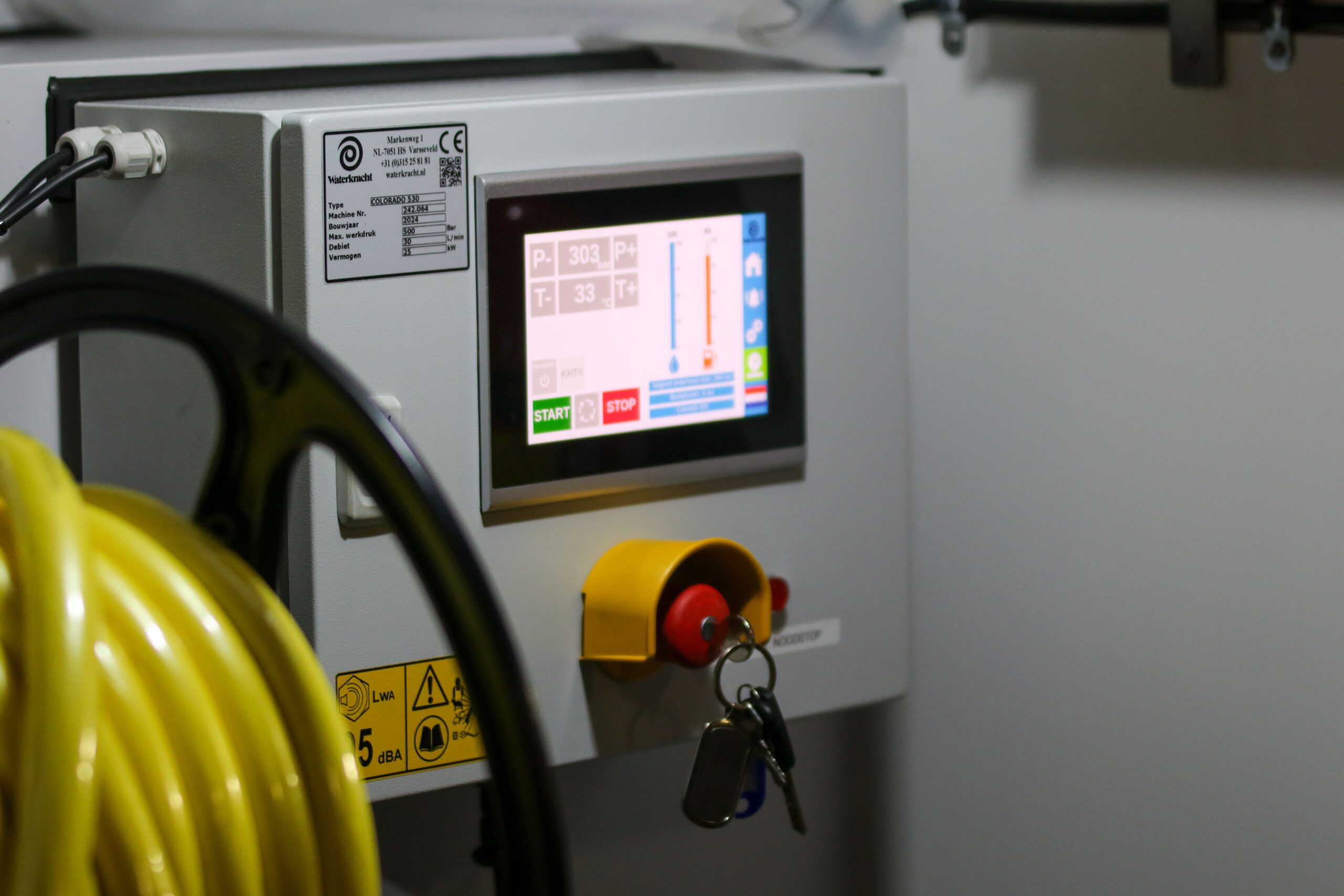
Industrial Static Control Systems: What They Are and How to Specify One
Industrial static control systems combine humidity control, ionization, grounding infrastructure, and EPA zone management to prevent electrostatic discharge across manufacturing environments. This guide explains how these integrated systems work, the key components involved, and the specification process for creating reliable static control that protects sensitive equipment, maintains product quality, and supports regulatory compliance.
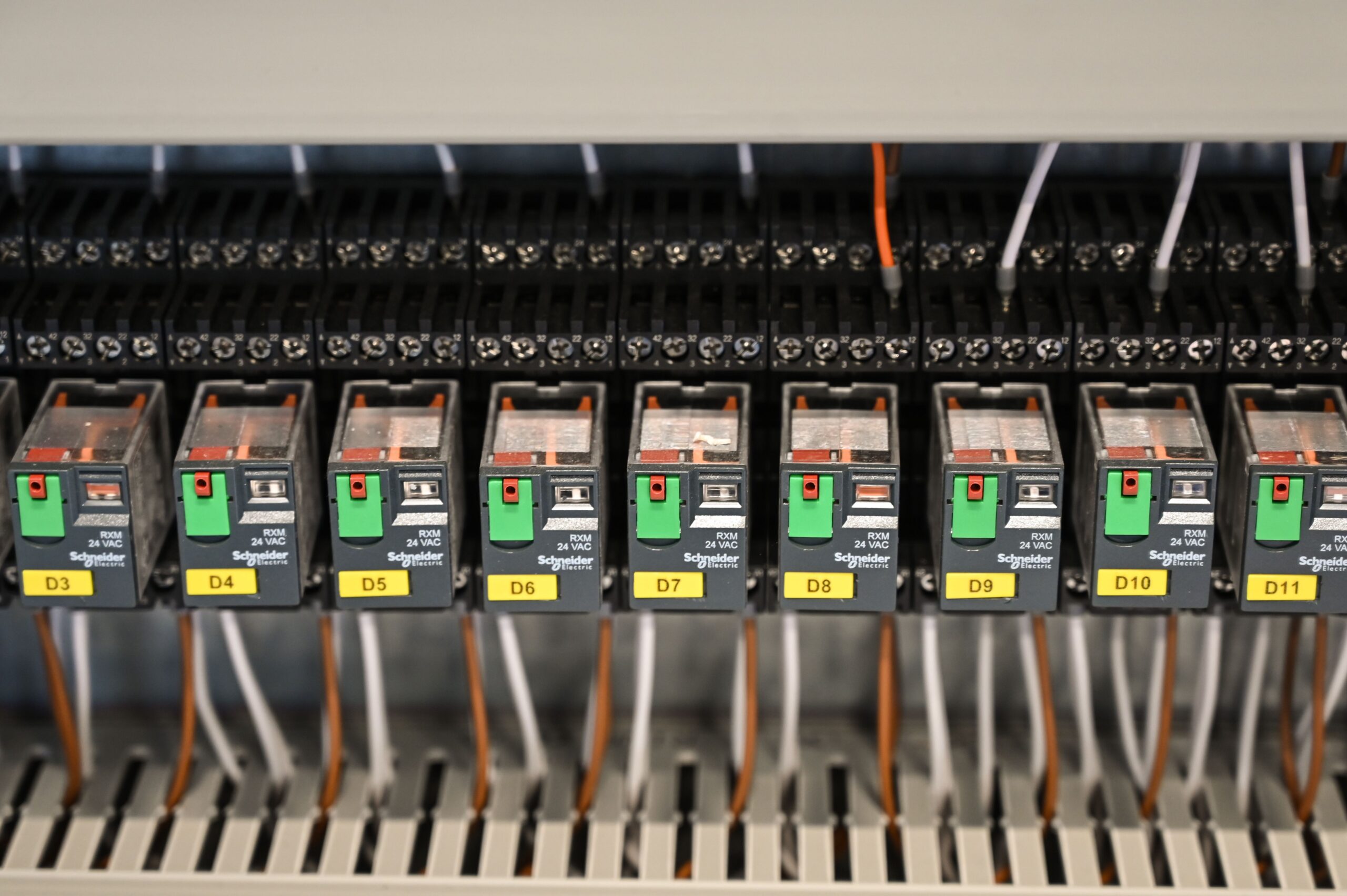
Static Control Components: The Building Blocks of an ESD Control System
Static control systems rely on multiple components working together to prevent electrostatic discharge in electronics manufacturing and other sensitive environments. This guide explains the role of ionizers, grounding systems, conductive materials, and humidity control, showing how each building block contributes to a comprehensive ESD protection strategy that reduces static generation, neutralizes charges, and protects critical equipment and products.

Can Low Humidity Cause a Sore Throat?
Dry indoor air is a common and overlooked cause of sore throats, especially during winter months. This article explains how low humidity affects your throat, how to distinguish dry-air irritation from illness, and what you can do about it.
ESD Testing: Types, Standards, and How to Test for Electrostatic Compliance
ESD testing verifies that electronic devices, components, and facility protection systems can withstand electrostatic discharge events without failure or performance degradation. This guide explains the most common ESD testing methods, key standards such as IEC 61000-4-2 and ANSI/ESD S20.20, testing equipment requirements, and the environmental conditions needed to maintain reliable compliance and long-term static control.
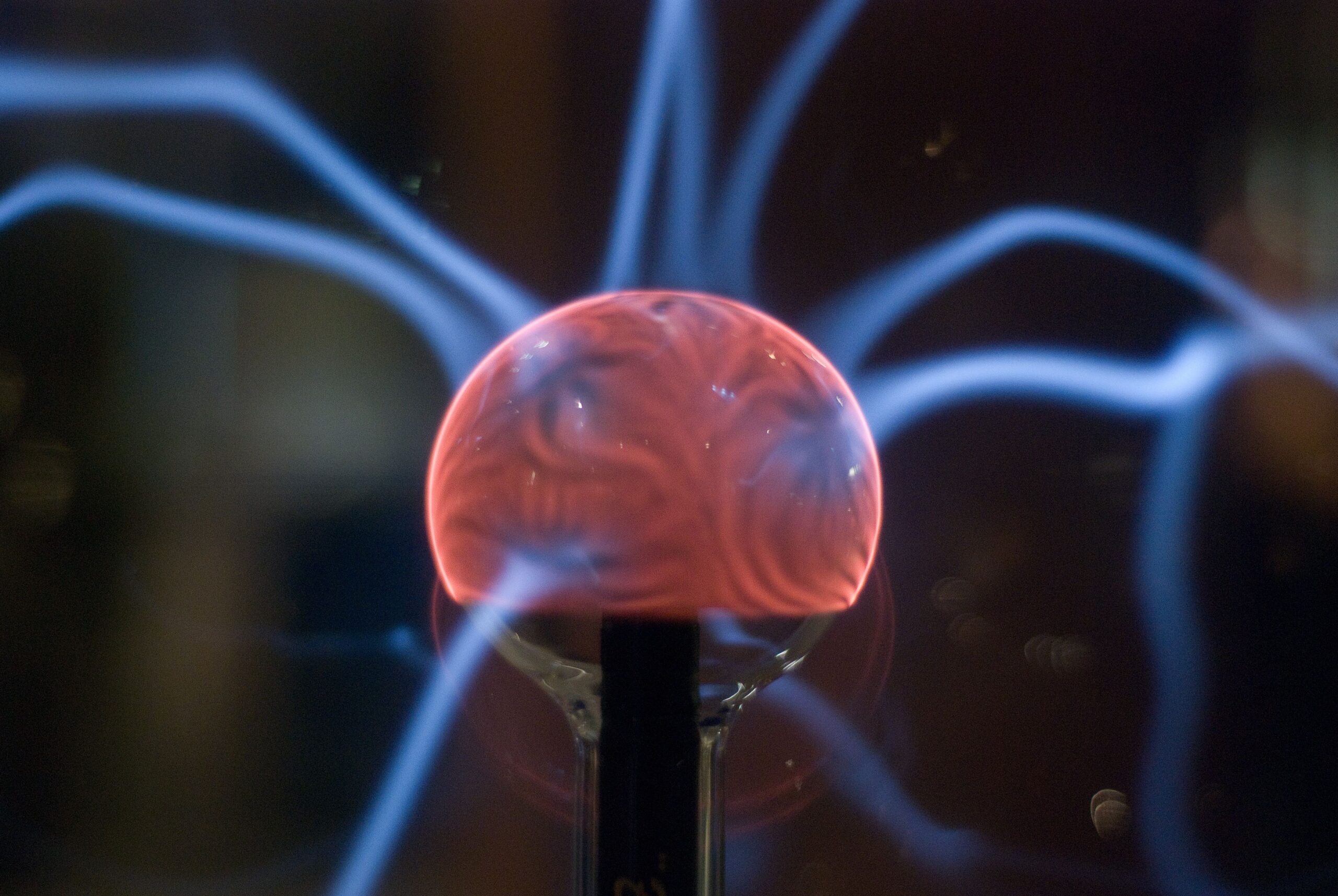
How to Get Rid of Static Electricity: Causes, Fixes, and When You Need a System
Static electricity forms when dry conditions allow electrical charges to build up on surfaces through friction, creating shocks, equipment issues, and operational disruptions. This guide explains what causes static electricity, the most effective fixes for clothing, hair, homes, and workplaces, and when professional humidity control systems become necessary for long-term static elimination.

Direct vs. Indirect Evaporative Cooling: What’s the Difference?
Direct and indirect evaporative cooling both use the natural cooling effect of water evaporation, but they differ in how they manage humidity and where they perform best. This guide explains how each system works, compares their efficiency and climate suitability, and explores when a fog-based adiabatic approach offers greater precision for facilities that require both effective cooling and accurate humidity control.
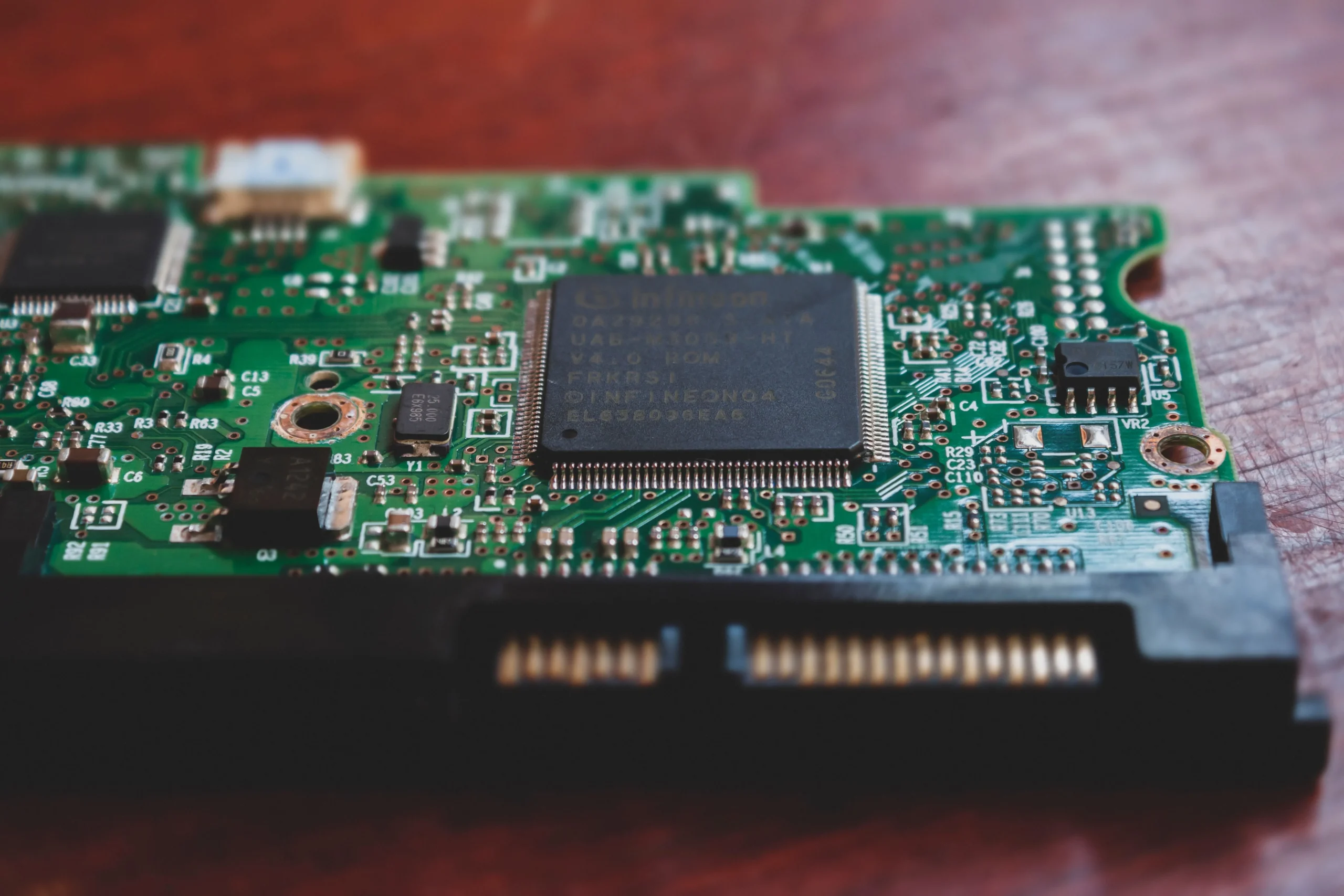
ESD Protection: A Complete Guide to Protecting Electronics from Static Damage
ESD protection is essential for preventing static electricity from damaging sensitive electronic components during manufacturing, handling, and storage. This guide explains how grounding, ionization, humidity control, protective packaging, and facility design work together to reduce electrostatic discharge risks and create a comprehensive static control program.
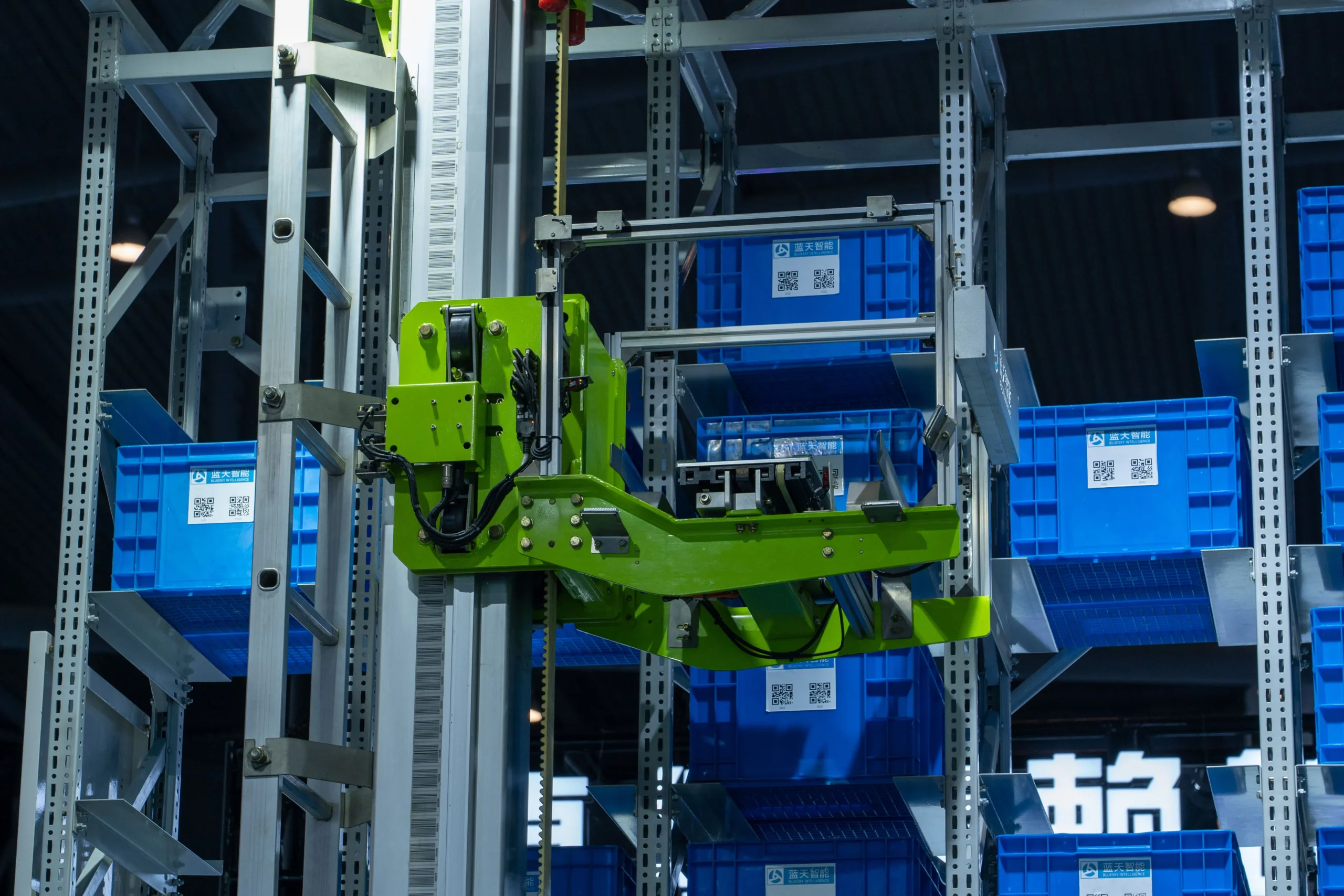
ESD System Installation: Planning, Setup, and Commissioning Guide
ESD system installation requires careful coordination of grounding infrastructure, humidity control, conductive flooring, and supplemental protection methods to create reliable static control throughout manufacturing facilities. This guide outlines the planning, installation, commissioning, and compliance verification steps needed to build an integrated ESD protection system that meets ANSI/ESD S20.20 requirements and supports long-term production reliability.
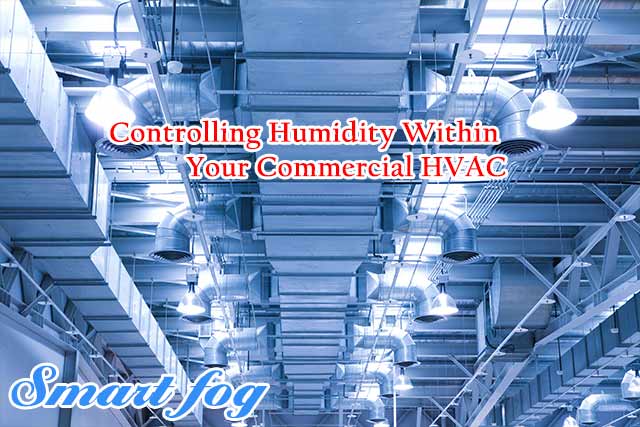
HVAC Humidity Control: A Commercial Facility Guide
Commercial HVAC systems alone rarely maintain stable relative humidity. This guide covers system types, ASHRAE targets, facility-specific requirements, and how to specify the right humidity control approach for your building.