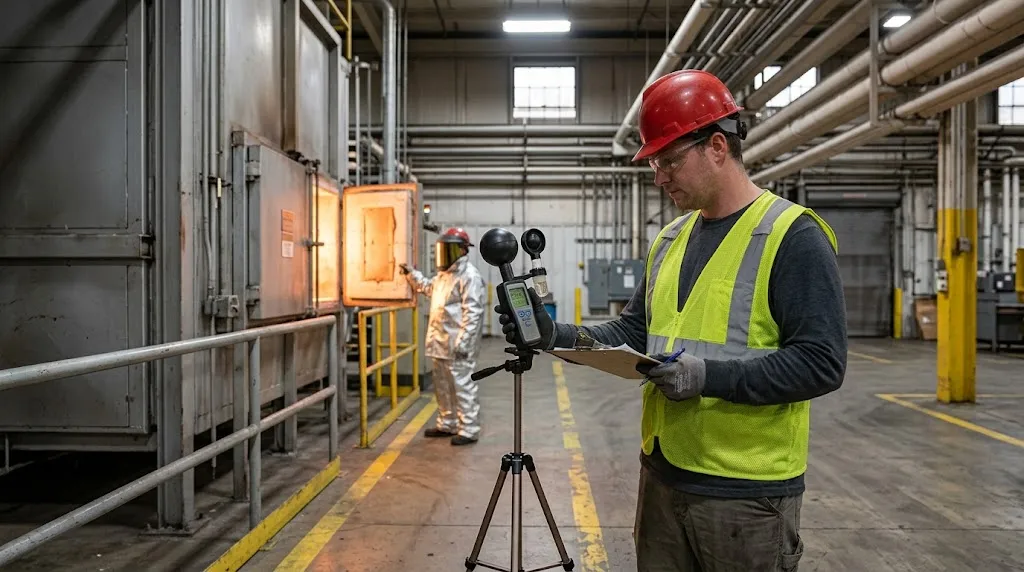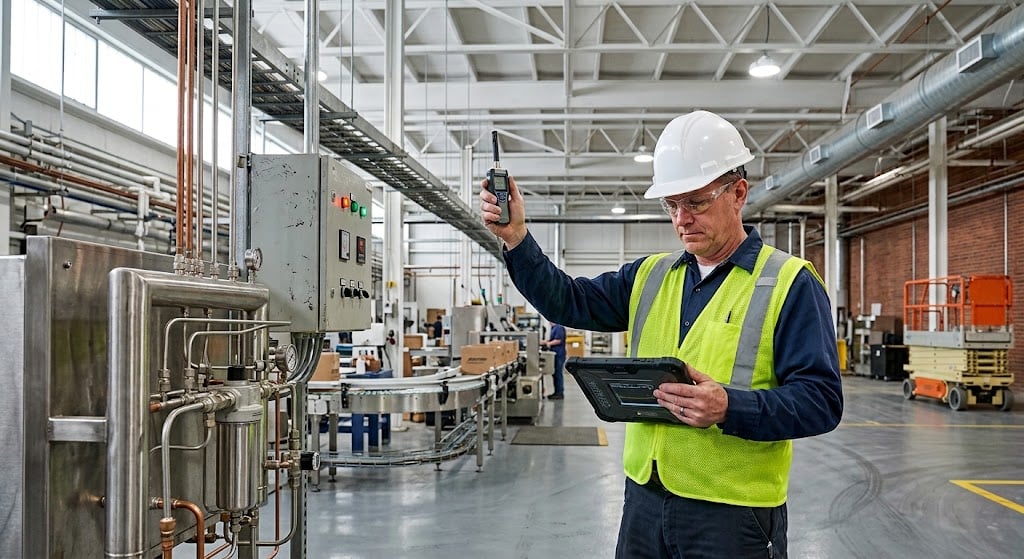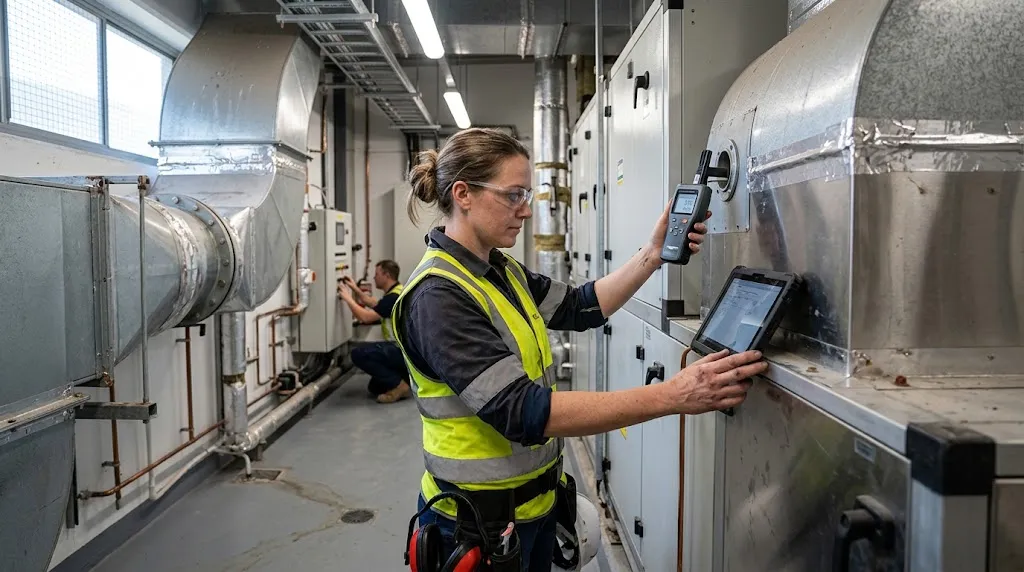


- Low humidity increases risk to sensitive defense equipment.
- Stable relative humidity supports operational readiness.
- Precision humidity control reduces dry-air-related failures.
- Dry air accelerates material wear and mechanical stress.
- Static buildup in low humidity can damage electronic systems.
Why Dry Air Is a Risk in Defense and Military Environments
Dry air creates instability in defense facilities where equipment performance must remain predictable and consistent. In low-humidity environments, static buildup and material stress increase, raising the likelihood of malfunction. These conditions reinforce the broader importance of structured humidity control in defense and military facilities.Relationship Between Low Humidity and Equipment Reliability
Low humidity directly affects equipment reliability. When the air is too dry, static electricity accumulates more easily, increasing the probability of electrostatic discharge events that can damage circuitry and embedded systems. Mechanical components are also impacted. Dry conditions can cause materials to shrink, seals to degrade, and lubricants to lose effectiveness. Over time, this reduces overall equipment lifespan and increases maintenance demands. In mission-critical spaces such as radar rooms, avionics bays, and communication hubs, stable humidity conditions help preserve accuracy, reduce error rates, and maintain continuous operation.Environmental Variability in Secure and Mission-Critical Spaces
Even in secure facilities, environmental variability can occur due to seasonal shifts, system load changes, or airflow imbalance. When humidity drops below stable operating ranges, equipment performance can degrade without immediate visible warning signs. Instead of over-drying the environment, facilities must focus on maintaining consistent relative humidity across zoned areas. The goal is not simply lowering moisture, but stabilizing conditions to protect sensitive systems and preserve operational readiness.- Maintaining stable humidity supports equipment reliability.
- Low humidity increases static electricity risk.
- Environmental variability in secure spaces impacts mission-critical performance.
Effects of Dry Air on Defense Electronics and Avionics
Defense electronics and avionics are particularly vulnerable to dry air exposure. Low humidity environments increase static buildup and can introduce long-term stress on circuit assemblies and embedded components. Without proper humidity stabilization, electronic reliability decreases and failure risk increases.Electrostatic Discharge Risks in Low-Humidity Conditions
Electrostatic discharge (ESD) becomes significantly more likely in dry environments, reflecting wider static electricity concerns in defense environments where equipment sensitivity is high. When moisture levels are low, static charges accumulate on surfaces and personnel, increasing the risk of sudden discharge into sensitive electronics. Key factors contributing to ESD risks include:- Dry air that allows static electricity to accumulate.
- Friction between materials generating static charges.
- Inadequate grounding that fails to dissipate static buildup.
Sensitivity of Circuit Boards, Sensors, and Communication Systems
Circuit boards, sensors, and communication systems are highly sensitive to environmental instability. Prolonged exposure to dry air can cause material brittleness, shrinkage, and signal performance issues. Dry air affects key components in multiple ways:- Circuit Boards: Dry air can cause material drying and brittleness, leading to mechanical failure and electrical malfunction.
- Sensors: Dry conditions reduce sensitivity and create signal instability, resulting in inaccurate readings and system errors.
- Communication Systems: Dry air contributes to signal degradation and interference, causing operational disruption and potential downtime.
Static Electricity in Controlled Defense Facilities
Dry air is a major contributor to static electricity accumulation in controlled defense environments. Maintaining stable humidity is one of the most effective environmental strategies for reducing static-related failures in mission-critical spaces.Dry Air and Static Charge Accumulation
When humidity levels drop, the air loses its ability to naturally dissipate electrical charge. As a result, electrostatic charges accumulate more easily on equipment, work surfaces, and personnel. In secure defense facilities, this increases the probability of electrostatic discharge affecting sensitive systems. Key factors that contribute to static charge accumulation include:- Low humidity levels.
- Friction between different materials.
- Contact and separation of materials.
Equipment Interaction and Handling Risks
Handling sensitive equipment in dry environments increases the likelihood of electrostatic discharge. ESD events can damage components, interrupt operations, and compromise system integrity without visible warning signs. Precautions to mitigate ESD risks include:- Using anti-static wrist straps and grounding mats.
- Ensuring equipment and workstations are properly grounded.
- Maintaining a stable, controlled humidity level.
Material and Component Vulnerability in Dry Environments
Dry air affects not only electronics but also the physical integrity of materials used in defense systems. Extended exposure to low humidity can cause material degradation that reduces equipment reliability over time.Shrinkage, Cracking, and Structural Stress
Low humidity can cause materials to lose moisture content, leading to shrinkage and cracking. In defense applications, even minor structural stress can compromise performance or shorten component lifespan. The effects of dry air on materials can be seen in various forms, including:- Drying out of lubricants and sealants.
- Cracking of plastics and polymers.
- Shrinkage of composite materials.
Impact on Composite Materials and Precision Assemblies
Composite materials and precision assemblies are particularly sensitive to environmental instability. In dry conditions, composites may experience micro-cracking or delamination, while precision assemblies can suffer from increased friction and accelerated wear. These effects increase maintenance requirements and reduce operational predictability. Maintaining stable relative humidity across storage, assembly, and operational zones helps minimize dry-air-related stress and supports long-term reliability of mission-critical defense equipment.Dry Air Risks in Defense Storage and Hangar Facilities
Defense storage and hangar facilities must maintain stable humidity conditions to prevent dry-air-related degradation. Extended exposure to low humidity can affect both the physical integrity and operational reliability of stored equipment and tactical assets. These conditions form part of broader environmental risks in military storage and operations that affect long-term asset preservation and readiness.Long-Term Equipment Storage Challenges
Long-term storage in dry environments presents unique risks. When humidity remains too low for extended periods, materials can lose moisture content, leading to shrinkage, brittleness, and structural stress. Some of the key challenges include:- Deterioration of rubber and plastic components.
- Cracking in wooden or composite structures.
- Corrosion of metal parts when protective environmental balance is lost.
Environmental Stability for Tactical Assets
Environmental stability is essential for preserving the readiness of tactical assets stored in hangars and secure facilities. Dry air can increase electrostatic discharge risk, contribute to material stress, and reduce overall equipment reliability. Below are the environmental factors affecting tactical assets, along with their mitigation strategies:- Dry Air: Increases ESD risk and material degradation, mitigated through stable humidity control.
- Temperature Fluctuations: Cause component stress and reduced lifespan, managed with climate-controlled storage.
- Dust and Contaminants: Lead to equipment malfunction and higher maintenance needs, reduced through air filtration and routine cleaning.
Influence of Dry Air on Cleanrooms and Controlled Environments
Cleanrooms and controlled environments in defense facilities are designed for precision assembly, testing, and storage of high-performance systems. In these spaces, dry air introduces risks that can affect accuracy, reliability, and equipment lifespan.Environmental Stability in Secure Testing Areas
Secure testing areas require consistent environmental conditions to ensure reliable results. When humidity drops below stable operating ranges, instrumentation may behave unpredictably and component performance may degrade. Maintaining humidity within a controlled range supports:- Reduction of electrostatic discharge risk.
- Stable material performance during testing.
- Consistent measurement accuracy.
Risks to High-Precision Equipment
High-precision equipment in controlled environments is especially vulnerable to dry-air exposure. Even minor environmental shifts can affect performance. Risks include:- Electrostatic discharge damaging sensitive components.
- Material shrinkage or cracking due to low humidity.
- Erratic behavior or malfunction of precision instruments.
Operational Consequences of Low Humidity Exposure
Low humidity exposure in defense facilities introduces operational risk that often develops gradually but can result in significant system disruption. When environmental stability is not maintained, sensitive equipment becomes more vulnerable to mechanical stress, electrostatic discharge, and premature component degradation.Increased Maintenance and Equipment Downtime
Low humidity increases the likelihood of equipment malfunction and component wear. As materials dry and static buildup becomes more frequent, systems require more frequent inspection, adjustment, and repair. This leads to:- Increased maintenance cycles.
- Higher replacement rates for vulnerable components.
- Unplanned downtime in operational zones.
Long-Term Reliability and Performance Concerns
Extended exposure to dry environments can reduce the long-term reliability of defense equipment. Materials may become brittle, lubricants may degrade, and precision assemblies may lose tolerance stability. As components degrade, performance margins narrow and failure risk increases, particularly under high operational load. Maintaining stable relative humidity across storage, operational, and testing environments supports long-term equipment integrity and preserves mission readiness. The operational impact of low humidity reinforces why humidity control matters in defense facilities, particularly where mission-critical reliability cannot be compromised. Stabilizing humidity reduces failure rates, lowers maintenance burden, and ensures that critical systems remain dependable when deployment demands arise.Monitoring Environmental Conditions in Defense Facilities
Environmental monitoring is essential for maintaining stability and ideal humidity levels in defense facilities. Continuous visibility into humidity and temperature conditions allows organizations to detect deviations early and prevent environmental drift from affecting mission-critical systems.Importance of Environmental Visibility
Maintaining clear, real-time visibility into environmental conditions is essential in defense facilities. Continuous monitoring of humidity allows teams to identify deviations early and correct them before dry-air conditions lead to electrostatic buildup, material stress, or system instability. Proactive environmental oversight reduces the likelihood of silent degradation and protects sensitive equipment from preventable failures.Maintaining Consistency Across Zoned Areas
Defense facilities typically operate across multiple secured zones, each with specific environmental requirements. When humidity levels vary between zones, localized dry-air conditions can emerge, increasing risk to electronics, storage areas, or precision systems. Maintaining consistency requires:- Continuous monitoring across all operational zones
- Coordinated humidity control integrated with facility infrastructure
- Rapid response to environmental deviations