- Environmental instability reduces equipment reliability and lifespan.
- Humidity, temperature extremes, and contamination directly impact mission readiness.
- Moisture exposure increases corrosion and electronic failure risks.
- Environmental control and monitoring are critical for long-term storage protection.
- Mitigating environmental stress supports operational continuity.
Understanding Environmental Risks in Military Storage and Operational Environments
Military storage sites and operational zones operate under constant environmental pressure. Across facilities that support US military forces, exposure to temperature swings, moisture, dust, and airborne contaminants directly affects equipment reliability and mission readiness.How Environmental Exposure Affects Military Readiness and Equipment Reliability
Environmental exposure accelerates corrosion, material fatigue, and electronic instability. Extreme temperatures strain mechanical systems, while moisture and contaminants increase the likelihood of short circuits and component failure. Over time, these stressors reduce equipment lifespan, increase maintenance demands, and create unexpected operational disruptions. Even minor environmental fluctuations can quietly weaken system reliability.Common Environmental Threats in Storage Depots, Bases, and Field Operations
Storage depots, bases, and field operations are exposed to multiple environmental stressors that degrade equipment performance and safety. The most common risks include:- High humidity and moisture leading to corrosion and mold growth.
- Extreme temperatures causing material degradation and performance instability.
- Dust and particulate contamination affecting mechanical and electronic systems.
- Exposure to hazardous chemicals creating health and material risks.
- High Humidity/Moisture: Causes corrosion and mold growth, leading to reduced equipment lifespan and increased maintenance needs.
- Extreme Temperatures: Result in material degradation and performance issues, causing equipment failures and reduced operational readiness.
- Dust/Particulate Contamination: Leads to mechanical failures and clogged systems, increasing maintenance and the risk of mission delays.
- Hazardous Waste/Chemicals: Cause material degradation and health risks, resulting in safety concerns for personnel and potential environmental cleanup costs.
Impact of Humidity and Moisture on Military Equipment and Assets
Humidity and moisture remain among the most damaging environmental variables in military environments. These risks highlight the need for stable humidity practices across secure military infrastructure where environmental consistency supports readiness.Corrosion Risks for Weapons, Vehicles, and Tactical Systems
Corrosion weakens metal structures, damages circuitry, and reduces the operational reliability of tactical systems. Prolonged exposure to humid conditions accelerates wear and increases the risk of failure during critical missions. Key areas commonly affected include:- Metal components in weapons and vehicles
- Electrical connections and internal circuitry
- Structural frameworks of tactical systems
- Vehicles: Face metal body corrosion risks, mitigated through regular waxing and rust-proofing.
- Weapons: Prone to barrel corrosion, managed with routine cleaning and protective coatings.
- Tactical Systems: Susceptible to electrical connection corrosion, reduced by sealing connections and using corrosion-resistant materials.
Moisture Damage in Electronics, Sensors, and Communication Equipment
Moisture intrusion can disrupt sensors, degrade circuit boards, and interrupt communication systems. Even small amounts of condensation can trigger electrical instability or permanent component damage. If anything, overly dry conditions heighten static electricity in defense environments where electrostatic discharge can compromise sensitive circuitry. Common effects of moisture exposure include:- Reduced system reliability
- Higher maintenance and replacement costs
- Increased risk of mission-critical equipment failure
Temperature Extremes and Their Effects on Military Storage and Operations
Military equipment must operate across extreme heat, freezing cold, and rapidly shifting climates. Temperature instability directly impacts component durability and mission readiness.Thermal Stress on Mechanical and Electronic Components
Thermal stress causes expansion and contraction in materials, increasing the risk of cracks, misalignment, and premature failure. Mechanical systems are especially vulnerable under sustained heat or cold exposure. Examples include:- Engine parts seizing or cracking under extreme heat or cold.
- Accelerated metal fatigue reducing component lifespan.
- Lubricants thinning or thickening, increasing friction and wear.
- Overheating and internal component failure
- Reduced processing efficiency
- Elevated risk of electrical faults or fire
Storage Challenges in Hot, Cold, and Fluctuating Climates
Storing military equipment in extreme or unstable climates increases degradation risk. Both sustained extremes and repeated thermal cycling accelerate material wear. In hot climates, risks include:- Material degradation from prolonged heat exposure.
- Increased corrosion risk when heat combines with humidity.
- Brittleness and cracking of materials
- Reduced battery performance
- Mechanical failure from freezing conditions
Dust, Contamination, and Air Quality Risks in Military Facilities
Airborne dust and contaminants present persistent risks to military equipment across storage depots, hangars, and operational areas. Without proper control, air quality issues can undermine equipment performance and increase maintenance burdens.Particulate Contamination in Warehouses, Hangars, and Operational Zones
Dust and fine particulate matter can infiltrate mechanical assemblies and electronic systems. Over time, accumulation interferes with functionality and reduces overall reliability. Areas most affected by particulate contamination include:- Electronic systems and circuit boards where debris can disrupt signals.
- Mechanical equipment and moving assemblies where dust increases abrasion.
- Optical, sensor, and targeting systems where clarity and precision are critical.
Impact of Airborne Contaminants on Equipment Performance
Airborne contaminants compromise equipment accuracy, efficiency, and operational stability. In field environments, where exposure levels may be high, contamination can directly affect mission performance. Below are the common contaminants, their impacts on equipment, and mitigation strategies:- Dust and Particulate Matter: Causes abrasion, filter clogging, and reduced optical clarity, mitigated through regular cleaning, HEPA filtration, and sealed storage.
- Moisture and Humidity: Leads to corrosion, electrical failures, and shorter component lifespan, managed with climate-controlled storage, desiccants, and waterproofing.
- Chemical Contaminants: Result in corrosion, material degradation, and electrical malfunctions, reduced through regular inspections, chemical-resistant coatings, and proper ventilation.
Environmental Risks in Long-Term Military Storage Facilities
Long-term storage environments introduce gradual but serious risks to military assets. Without controlled conditions, stored vehicles, ammunition, and support systems can degrade over time, reducing reliability and readiness.Degradation of Stored Vehicles, Ammunition, and Support Equipment
Extended exposure to humidity, temperature shifts, and airborne contaminants accelerates wear even when equipment is not actively in use. Corrosion, rust, and material fatigue are common outcomes of poorly managed storage environments. Common vulnerabilities include:- Vehicles: Engines, transmissions, seals, and hydraulic systems deteriorate when moisture and temperature fluctuations are not controlled.
- Ammunition: Instability can occur when exposed to moisture or extreme temperatures, affecting safety and performance.
- Support Equipment: Generators, communication units, and electronic systems may experience corrosion, insulation breakdown, or electrical failure.
Risks to Materials and Structural Integrity Over Time
Materials used in military equipment and storage infrastructure are subject to chemical and physical degradation. Over extended periods, small environmental stresses accumulate into measurable structural weaknesses. Material degradation may result from:- Corrosion and oxidation triggered by moisture exposure.
- Cracking and brittleness caused by thermal stress.
- Seal failure due to repeated expansion and contraction cycles.
- Soil movement beneath storage facilities
- Water infiltration and drainage issues
- Extreme weather exposure
Operational Risks of Environmental Instability in Military Missions
Environmental instability does not only affect stored assets; it directly impacts mission execution. Uncontrolled environmental conditions increase the likelihood of performance failures during critical operations.Equipment Failures, Downtime, and Mission Delays
Temperature extremes, moisture exposure, and particulate contamination can cause equipment malfunction at the worst possible time. Mechanical breakdowns and electrical instability often trace back to unmanaged environmental stress. Operational risks may include:- Component failures due to prolonged thermal exposure.
- Corrosion-driven electrical malfunctions.
- Lubricant breakdown in extreme heat or cold.
- Sand and dust infiltration causing accelerated wear.
Impact on Safety, Performance, and Operational Efficiency
Environmental instability affects both personnel safety and system performance, as excessive heat can impair human performance and unstable environmental conditions reduce equipment precision and reliability. Excessive heat can impair human performance, while unstable environmental conditions reduce equipment precision and reliability. Communication systems, sensor platforms, and tactical electronics may lose efficiency in unstable environments, lowering operational accuracy. Over time, repeated exposure to uncontrolled conditions increases maintenance costs and reduces asset lifespan. Managing these risks requires continuous environmental monitoring, preventive maintenance, and structured mitigation strategies. By proactively controlling environmental variables, military organizations strengthen mission reliability, safeguard personnel, and sustain operational efficiency under demanding conditions.Environmental Variability Across Military Storage and Operational Zones
Environmental variability plays a central role in the environmental impact of military activities across storage depots, military bases, and active operational zones. The conditions under which equipment, munition, and tactical systems are stored or deployed directly influence performance, longevity, and mission readiness.Differences Between Indoor Storage and Field Deployment Conditions
Indoor storage facilities within military bases are designed to reduce environmental stress. Climate control systems help manage temperature and humidity, limiting corrosion, moisture damage, and contamination. However, even in controlled storage areas, risks such as dust accumulation, residual waste particles, and air quality instability can still affect stored assets. Field deployment conditions expose military equipment and munition to far more aggressive environmental forces, including:- Extreme heat or freezing temperatures
- High humidity and heavy precipitation
- Dust, sand, and airborne particulates
- Saline and corrosive coastal environments
Challenges in Maintaining Consistency Across Secure Facilities
Maintaining environmental consistency across multiple military bases is complex. Variations in infrastructure, geographic location, and operational intensity create uneven exposure levels and environmental control performance. Common challenges include:- Differences in facility construction and ventilation design.
- Inconsistent environmental monitoring systems.
- Location-specific climate stress and contamination risks.
- Accumulation of waste or hazardous waste from ongoing military activities.
- Temperature Control: Generally controlled in indoor storage, but often extreme and unpredictable in field deployment.
- Humidity: Can be regulated in indoor environments, while field conditions are variable and often high.
- Dust and Contamination: Can be minimized in indoor storage, but are often significant during field deployment.
Monitoring Environmental Conditions in Military Storage Facilities
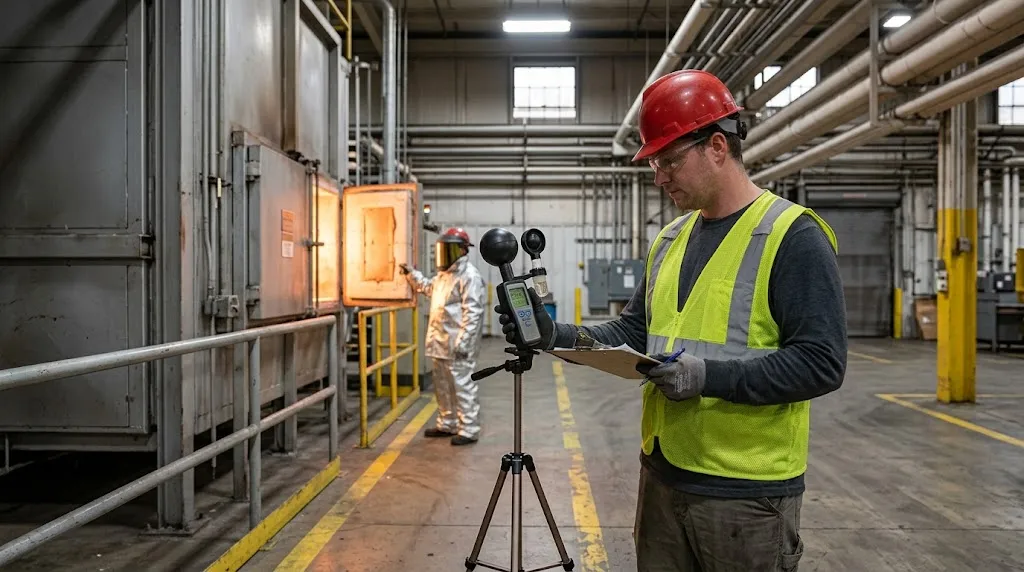
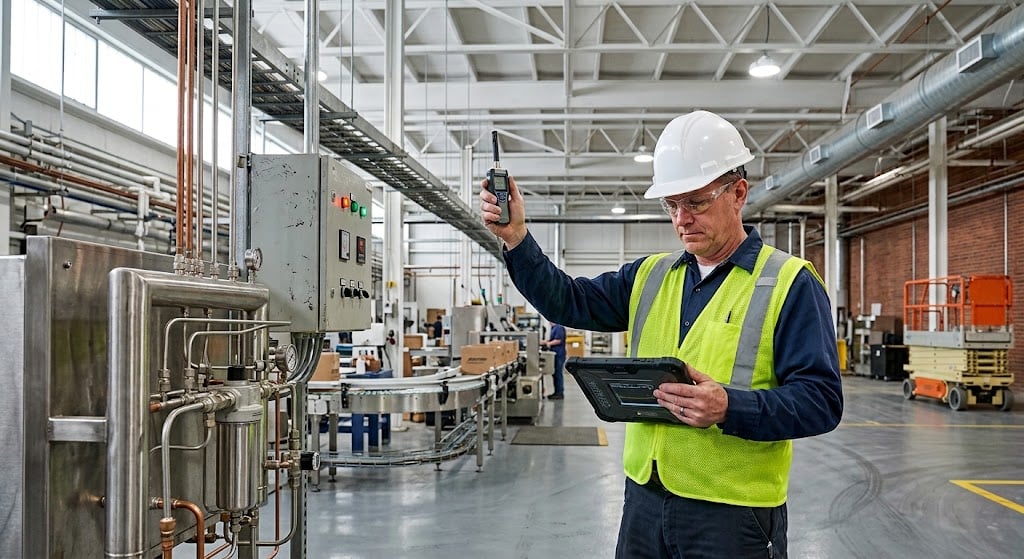
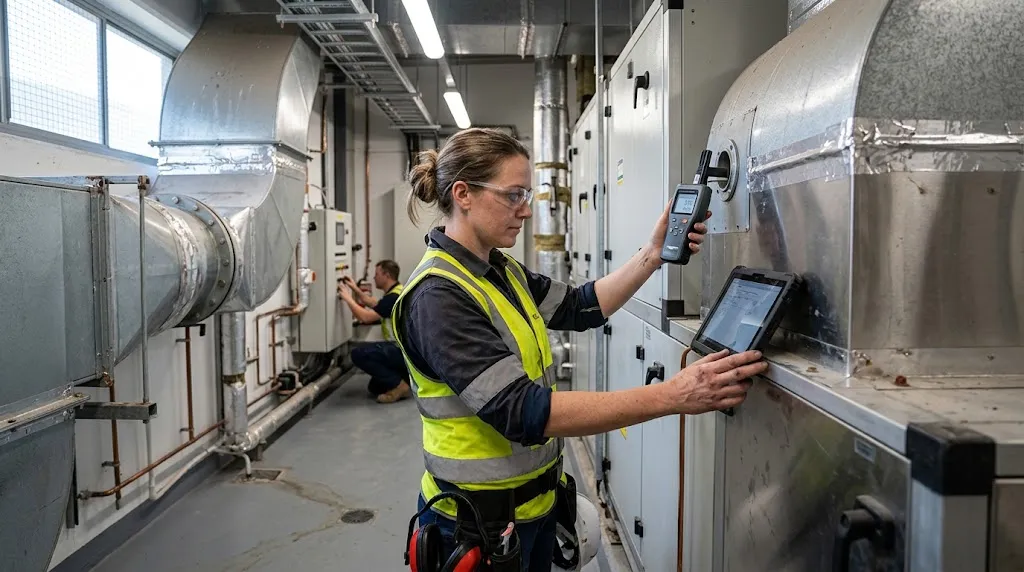
Maintaining environmental visibility inside military storage facilities is essential for protecting vehicles, munition, communication systems, and other critical assets. Environmental instability can quietly reduce reliability, accelerate degradation, and increase long-term maintenance costs.Role of Advanced Sensors
Advanced sensors form the foundation of modern environmental monitoring strategies. These systems continuously track environmental conditions and alert personnel before damage occurs. Key functions of advanced sensors include:- Monitoring temperature to detect thermal stress risks.
- Tracking humidity levels to prevent corrosion and moisture damage.
- Measuring airborne particulates that affect electronics and mechanical systems.
- Identifying contamination patterns that may signal hazardous exposure.
- Integrating with facility control systems for automated response.
Identifying Fluctuations
Environmental monitoring is not only about current conditions but also about identifying trends over time. Gradual shifts can be just as damaging as sudden spikes. Continuous monitoring enables facilities to:- Detect seasonal or operational humidity changes.
- Identify temperature swings linked to infrastructure issues.
- Recognize contamination buildup in storage zones.
- Trigger proactive maintenance before equipment failure occurs.
- Reduce downtime and extend equipment lifespan.