High humidity can make your home feel damp and uncomfortable. Learn the common causes, key warning signs, and simple fixes for reducing excess indoor moisture.

High Humidity in Your House: Causes, Symptoms, and Solutions
read more




Chief Technology Officer at Smart Fog
Author
Ido Goldstein is a technology innovator with deep expertise in humidity engineering, climate control, and non-wetting fog systems. He has spent years advancing energy-efficient and water-smart solutions that help industries like cleanrooms, data centers, wineries, and greenhouses maintain precise environmental control.
Passionate about technology with real-world impact, Ido also supports sustainable agriculture initiatives and nonprofit innovation. Through this blog, he shares practical insights on HVAC advancements, indoor air quality, and the science behind high-performing environments.
High humidity can make your home feel damp and uncomfortable. Learn the common causes, key warning signs, and simple fixes for reducing excess indoor moisture.

Humidity chambers are sealed test enclosures that control temperature and RH for product testing, stability studies, and material conditioning. Learn how they work, where they are used, and what specifications matter before buying.

Humidity-controlled storage actively manages RH to protect products, packaging, materials, and equipment from mold, corrosion, condensation, and moisture-related damage.
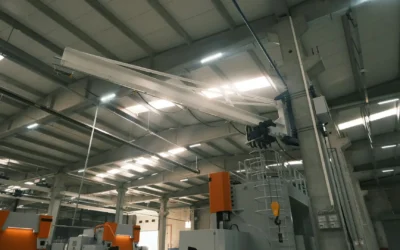
Commercial office humidifier systems help control dry air, reduce static risk, and maintain stable RH across large workspaces with non-wetting dry fog that protects electronics, documents, furniture, and daily office operations.

The best humidity level for your home in winter is usually 30% to 50% RH, with lower targets during very cold weather. Learn how seasonal humidity affects comfort, condensation, mold risk, and indoor air quality.
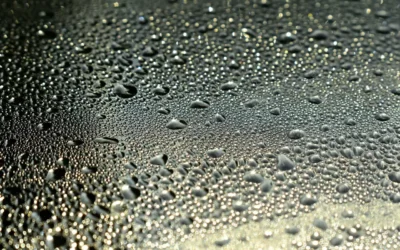
Learn the relative humidity formula, how RH changes with temperature, and how to calculate it using vapor pressure, dew point, or wet and dry bulb readings.

Compare commercial duct humidifiers and direct-space dry fog systems to see how delivery method, HVAC dependency, installation needs, RH control, and facility layout affect the best-fit humidification system for commercial spaces.
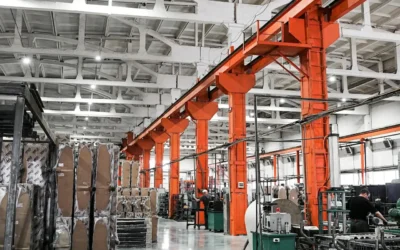
A portable industrial humidifier helps facilities manage RH in temporary zones, seasonal spaces, pilot areas, and multi-site operations while avoiding fixed installation for every changing humidity control need or facility zone.

Dry fog technology can be effective for cleanroom humidity control because it delivers stable, uniform RH without wetting surfaces, equipment, or sensitive materials during normal operation.

Relative humidity measures how much water vapor is in the air compared to what the air can hold at a given temperature. It affects static control, material stability, equipment protection, and consistent indoor environmental performance.