


Both high and low humidity levels can trigger headaches, but the mechanisms behind them are very different. Dry air contributes to dehydration and sinus irritation, while excessive humidity affects breathing comfort, allergen growth, and atmospheric pressure sensitivity. Understanding how humidity influences the body helps explain why weather changes and indoor air conditions often play a direct role in headache frequency and severity.

Ido Goldstein
Chief Technology Officer at Smart Fog
Author
Ido Goldstein is a technology innovator with deep expertise in humidity engineering, climate control, and non-wetting fog systems. He has spent years advancing energy-efficient and water-smart solutions that help industries like cleanrooms, data centers, wineries, and greenhouses maintain precise environmental control.
Passionate about technology with real-world impact, Ido also supports sustainable agriculture initiatives and nonprofit innovation. Through this blog, he shares practical insights on HVAC advancements, indoor air quality, and the science behind high-performing environments.
In-Duct Humidifiers: How They Work and When to Choose One
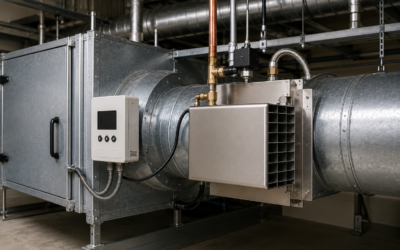
In-duct humidifiers provide centralized humidity control by integrating directly with HVAC systems and distributing moisture through existing ductwork. These systems help maintain consistent humidity levels across large facilities while reducing the need for multiple standalone units.
How Does Humidity Affect Temperature and Why It Feels Hotter
Humidity affects how hot air feels because high RH slows sweat evaporation and raises the heat index. Learn why humid heat feels heavier and why RH control matters in industrial spaces.
Humidity Calibration: Why It Matters and How to Do It Right
Learn what humidity calibration is, why sensors drift, how calibration methods differ, and how accurate RH readings support controlled industrial, laboratory, and cleanroom environments.
What Humidity Level Causes Mold and How to Stay Below the Threshold
Mold risk rises above 60% RH, but food processing facilities need balanced humidity control to protect product quality, prevent condensation, and reduce mold risk.
How to Increase Humidity in a Room With and Without a Humidifier
Learn how to increase humidity in a room, which DIY methods work, how humidifier types compare, and when larger spaces need engineered humidity control.
Mushroom Growing Humidity: Maintaining 85-95% RH Without Wetting
Mushroom cultivation depends on tightly controlled humidity, particularly during fruiting, when moisture levels directly influence yield, quality, and contamination risk. The challenge is maintaining consistently high humidity without creating surface moisture that disrupts growth conditions or introduces avoidable contamination.
Health Dangers of Low Humidity in Commercial Businesses
Low humidity in commercial buildings affects far more than occupant comfort. It can increase illness risk, damage equipment, degrade materials, and create compliance challenges across a range of industries. This guide explains the health and operational impacts of dry indoor air, the recommended humidity thresholds for commercial environments, and how effective humidity control helps protect employees, equipment, and business operations.
Food Processing Humidity Control: Compliance, Product Quality, and System Selection
Humidity control in food processing directly affects both product integrity and compliance. From preventing moisture loss in fresh produce to reducing microbial risk in processing environments, stable humidity management plays a critical role in maintaining food safety, product consistency, and operational efficiency.
Data Center Humidity: ASHRAE Standards, ESD Risks, and System Selection
Data center humidity control is not just about staying within a published ASHRAE range. Operators need stable environmental conditions that reduce electrostatic discharge risk, prevent condensation, and protect sensitive hardware from avoidable failures. The right humidity control strategy supports uptime, equipment longevity, and overall facility efficiency.