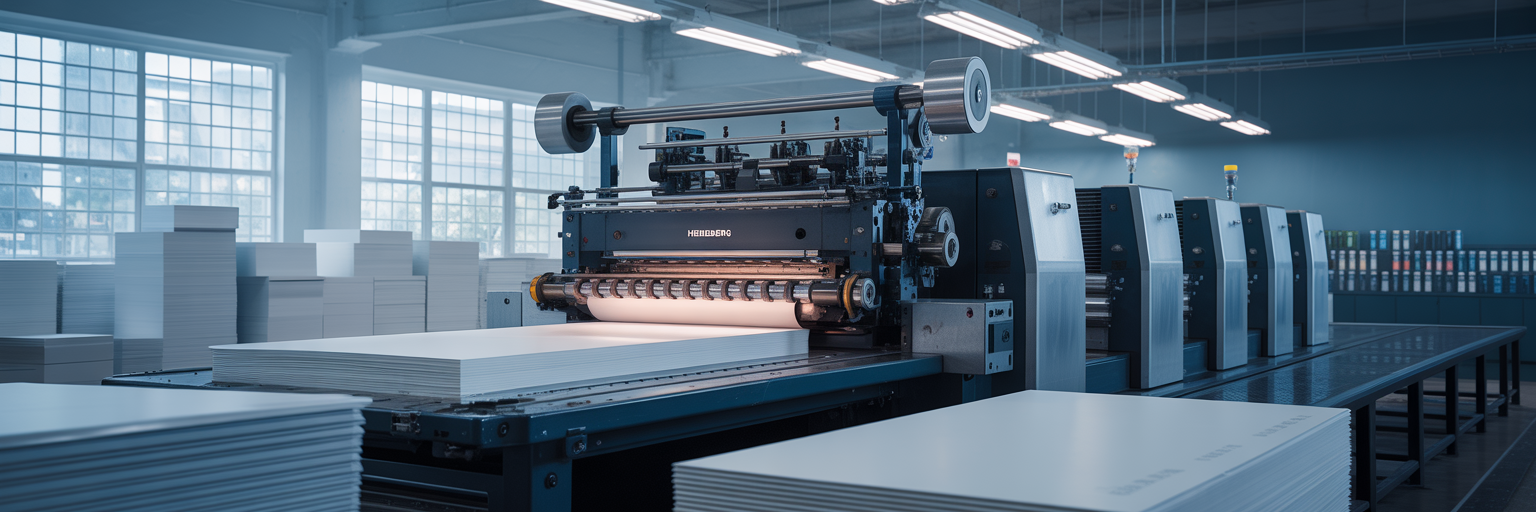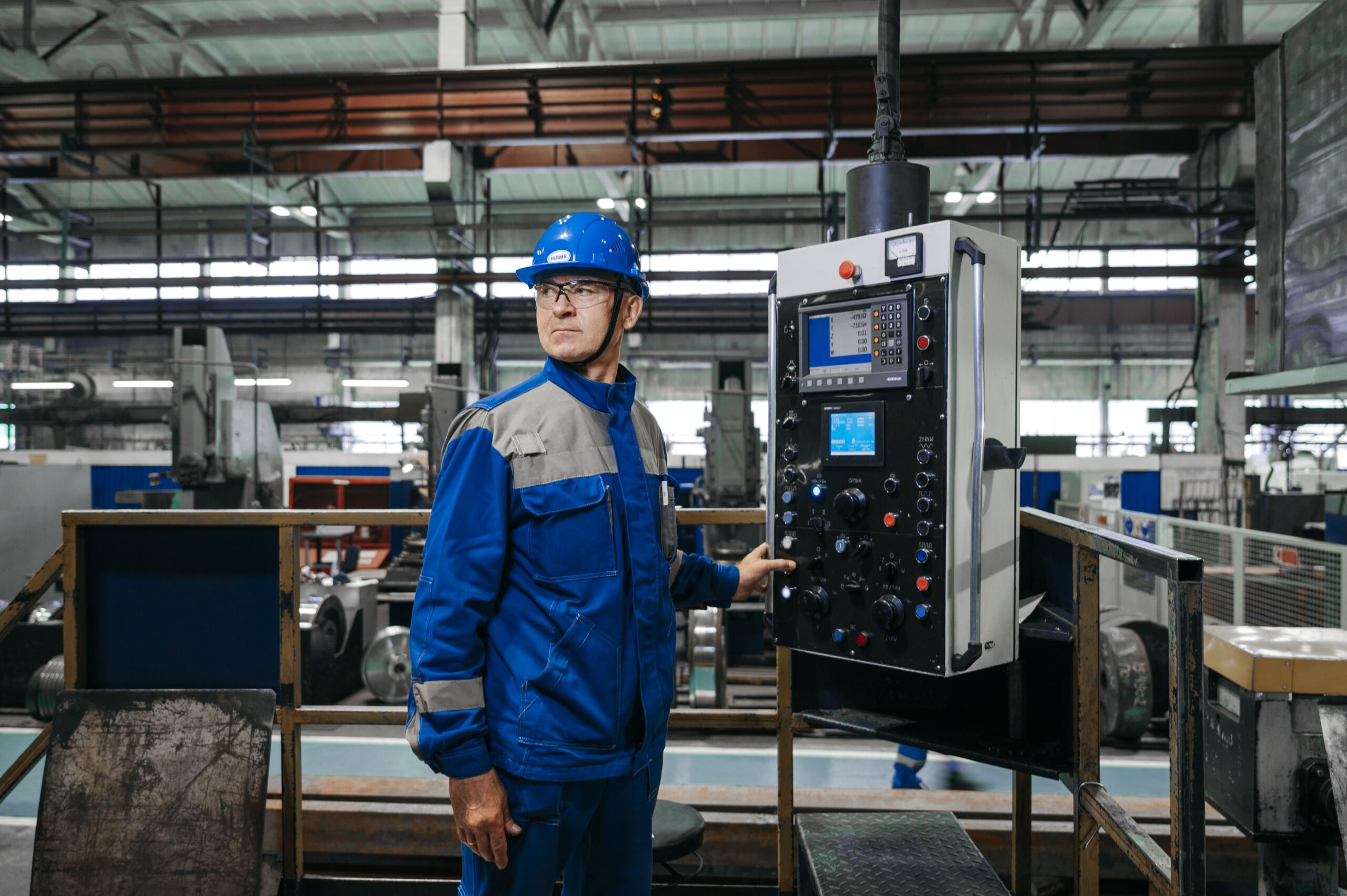
Static electricity in printing and textile facilities causes misfeeds, ink defects, dust attraction, and fire risk. Industrial humidifiers address static at the environmental level by raising RH to suppress triboelectric charging before it develops.
Ido Goldstein
Chief Technology Officer at Smart Fog
Author
Ido Goldstein is a technology innovator with deep expertise in humidity engineering, climate control, and non-wetting fog systems. He has spent years advancing energy-efficient and water-smart solutions that help industries like cleanrooms, data centers, wineries, and greenhouses maintain precise environmental control.
Passionate about technology with real-world impact, Ido also supports sustainable agriculture initiatives and nonprofit innovation. Through this blog, he shares practical insights on HVAC advancements, indoor air quality, and the science behind high-performing environments.
How Dry Air Affects Food Processing Facilities
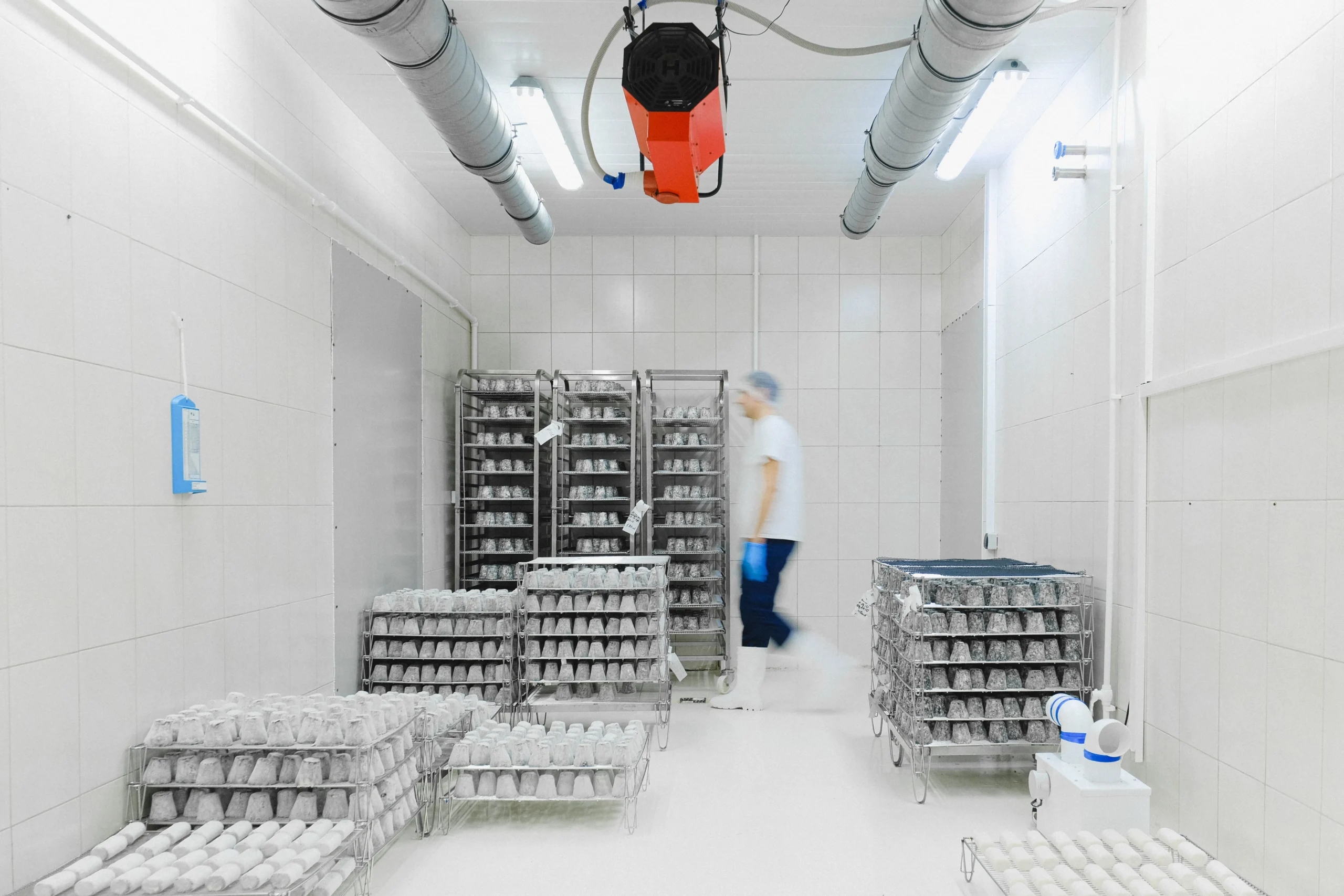
Dry air in food processing facilities causes measurable product loss, static problems in packaging lines, and worker health impacts. This guide covers the specific operational consequences of low humidity and what an appropriate humidity control solution must achieve across distinct food processing environments.
Self-Evaporative Humidifier Technology: How It Works and Who Needs It
Self-evaporative humidifier technology produces precisely sized water droplets that evaporate completely before reaching surfaces, enabling high-precision humidity control without condensation risks. This approach helps facilities such as data centers, electronics manufacturers, and pharmaceutical operations maintain stable environmental conditions while protecting sensitive equipment, products, and cleanroom environments from moisture-related damage.
Static Elimination: Methods, Systems, and When Humidity Is the Answer
Static electricity can damage electronics, attract contaminants, and disrupt manufacturing processes, but not all static elimination methods work the same way. In this article, we compare ionization, grounding, and humidity control systems, explaining how each approach manages electrostatic charge and why preventing static formation through precise humidity control often delivers the most comprehensive protection.
Mist Systems: Types, Applications, and How to Choose the Right One
Mist systems serve a wide range of applications, from outdoor cooling to industrial humidification. High-pressure systems provide evaporative cooling outdoors, while precision industrial mist systems maintain humidity within ±1-2% accuracy without wetting surfaces. Choosing the right mist system depends on the environment, desired precision, and whether surface wetting can be tolerated.
Non-Wetting Humidification: What It Means and Why It Matters
Non-wetting humidification adds moisture to the air without creating condensation on equipment, products, or facility surfaces. By producing droplets that fully evaporate before surface contact, these systems provide precise humidity control while eliminating the corrosion, contamination, mold growth, and equipment damage risks associated with conventional humidification methods.
Misting Nozzles: Types, How They Work, and How to Choose the Right One
Misting nozzles are the core component of any mist system, controlling droplet size, spray pattern, and overall performance for cooling, humidification, dust suppression, and industrial applications. Selecting the right nozzle requires understanding atomization methods, operating pressure, material compatibility, and maintenance requirements to ensure reliable performance and efficient moisture distribution.
3 Benefits of Using an In-Duct Humidifier for the Classroom
An in-duct humidifier integrates with existing HVAC ductwork to maintain stable relative humidity across all connected classrooms. Here are three reasons school facilities managers should consider one.
Industrial Humidification Systems: How They Work, Types, and How to Specify One
Industrial humidification systems maintain precise environmental conditions through integrated moisture generation, distribution, monitoring, and control technologies. Proper system specification requires accurate load calculations, engineered distribution design, and control integration to ensure consistent humidity levels, protect equipment, support product quality, and deliver reliable performance across large industrial facilities.
Humidity Control for Manufacturing: Why It Matters and How to Implement It
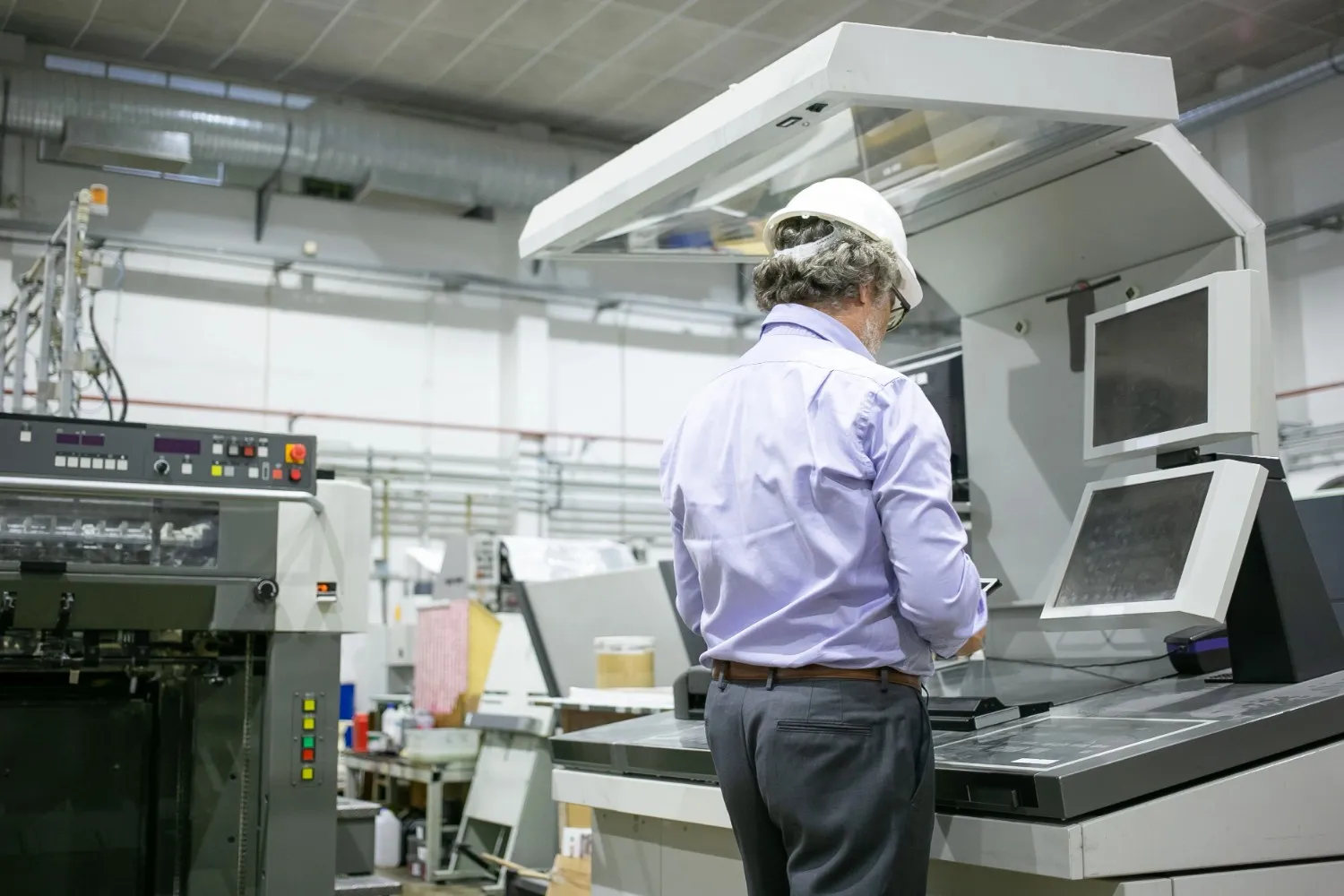
Humidity control plays a critical role in manufacturing by preventing electrostatic discharge, maintaining material stability, protecting equipment, and reducing product defects. Implementing the right humidification system requires accurate load calculations, facility-wide monitoring, and technology capable of maintaining precise humidity levels without creating surface moisture or disrupting production processes.