


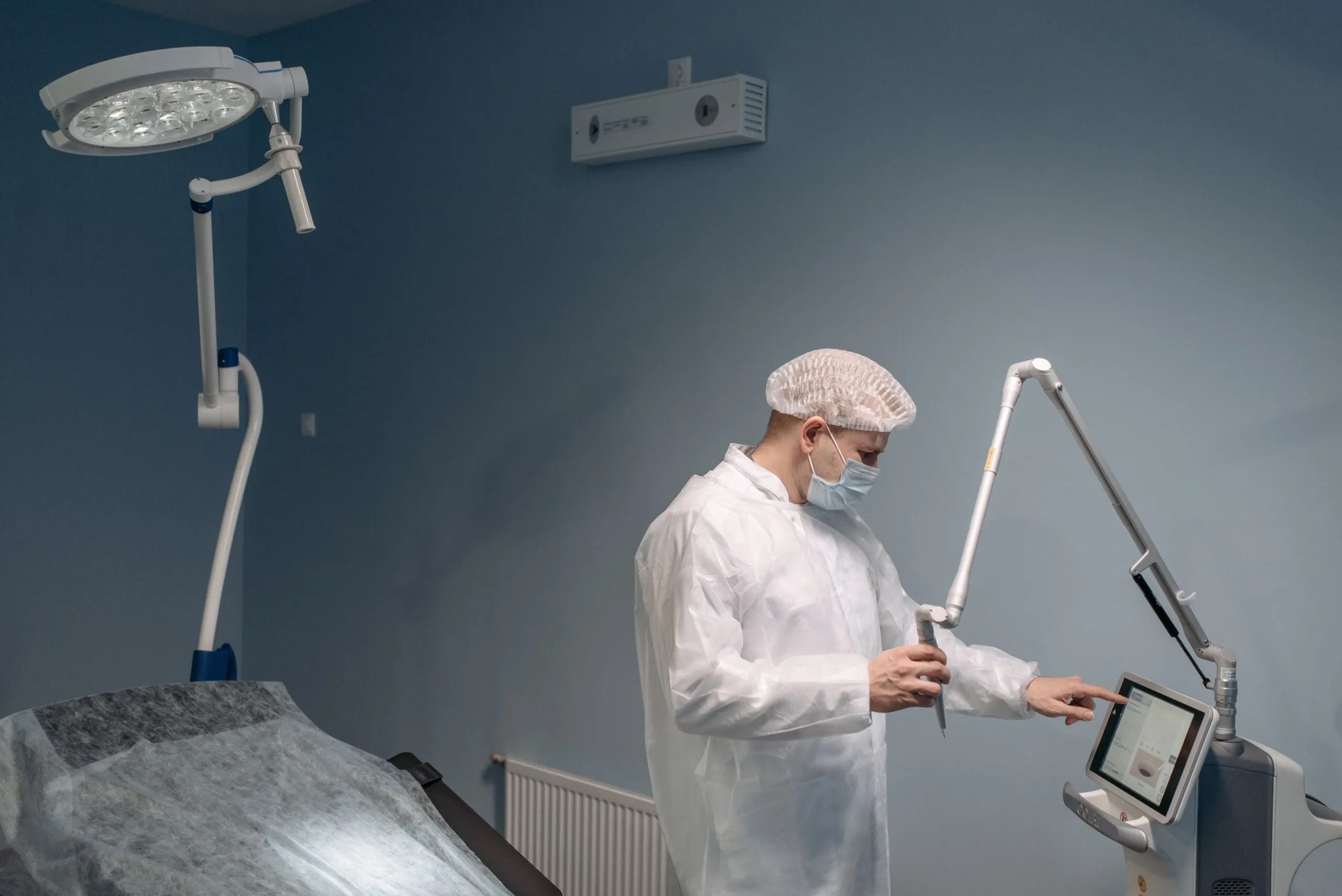
What Humidity Do Operating Rooms Require? Compliance and Monitoring
Operating room humidity requirements are governed by ASHRAE Standard 170 and the FGI Guidelines, which set the accepted range at 20 to 60% RH for acute care ORs. This article explains which standards apply to which facility type, how to resolve conflicts between overlapping codes, and what humidity monitoring and documentation practices are required for accreditation compliance.

Why Does Humidity Matter in Cleanrooms? ISO 14644 Compliance Guide
Humidity in cleanrooms is not just an environmental preference, it governs particle behavior, electrostatic discharge risk, and microbial growth. This guide explains the science, maps ISO 14644 and GMP requirements to specific RH thresholds, and covers what precision humidity control looks like in practice.

What Are the Recommended Humidity Levels for Hospitals? Standards Guide
Hospital humidity requirements vary by space type and are governed by ASHRAE 170-2021, NFPA 99, and Joint Commission standards. This guide breaks down the required RH ranges for operating rooms, ICUs, sterile processing departments, and other clinical zones, along with the compliance and safety consequences of falling outside those thresholds.
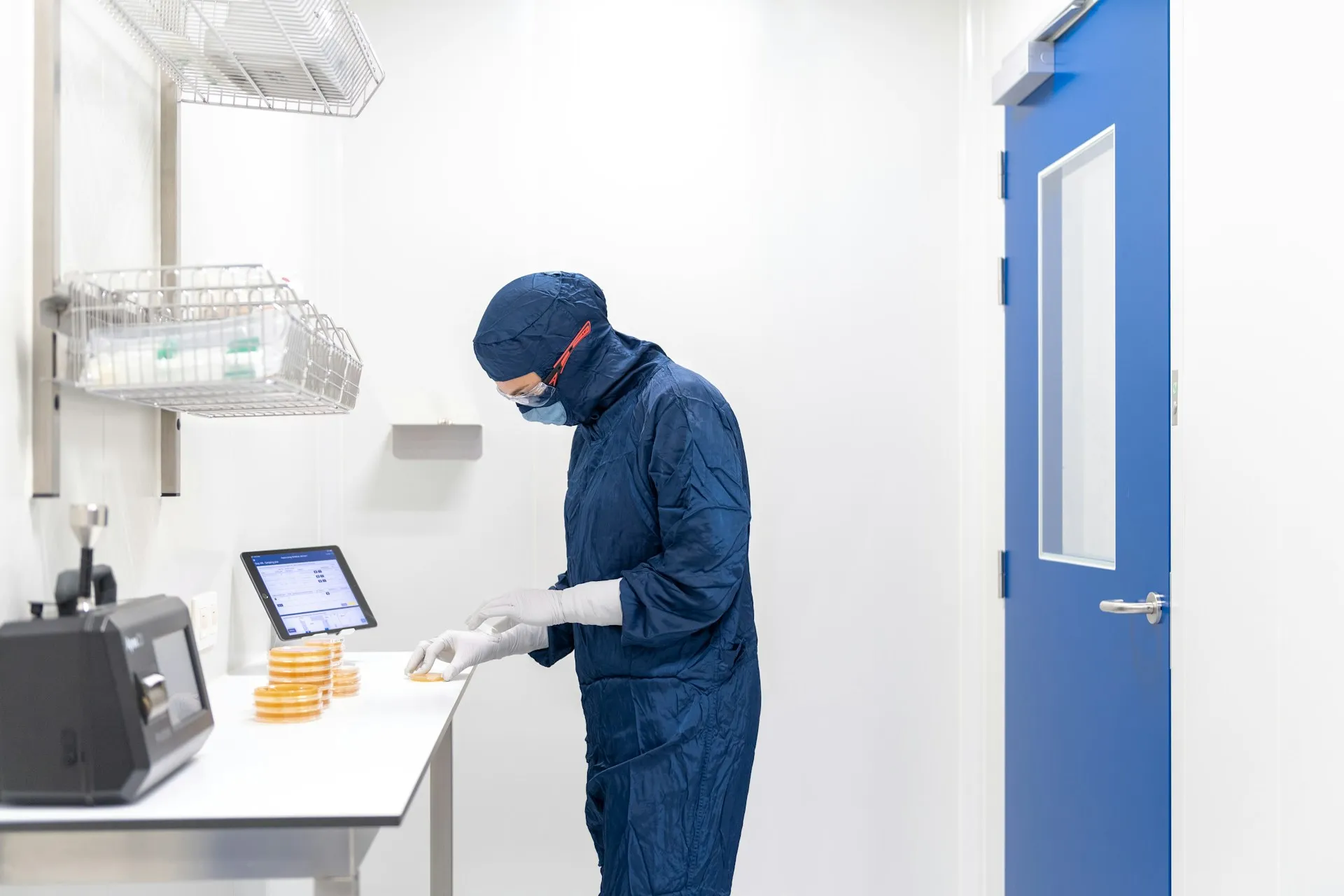
What Is Non-Wetting Humidification? Why Cleanrooms Require It
In cleanrooms, surface moisture is a contamination event. This article defines non-wetting humidification, explains the droplet physics behind it, and identifies the compliance standards that make method selection a regulatory decision, not a preference.

How to Test Indoor Air Quality for Mold in Commercial Facilities
Mold testing in commercial buildings involves multiple methods, regulatory considerations, and post-remediation verification steps that residential-focused guides overlook. This article covers the full commercial testing process, from spore sampling to clearance standards and humidity-based prevention.

How Does Low Humidity Affect Patient Recovery in Healthcare Settings?
Low indoor relative humidity compromises mucociliary clearance, slows wound healing, and increases pathogen transmission in healthcare settings. This article maps the specific physiological effects of low humidity to recovery outcomes by clinical zone, with ASHRAE compliance thresholds for facility engineers and infection control teams.

What Is an In-Duct Humidifier? How It Integrates with Commercial HVAC
An in-duct humidifier is a unit mounted inside an AHU or duct section to add moisture directly to the airstream. This article explains how it works, which technology types are used commercially, and what integration requirements govern proper installation.

What Is an Air Handler? How Humidity Fits in Commercial HVAC
An air handler is the indoor unit of a commercial HVAC system that conditions and circulates air through a building. This guide explains its core components, how it works, and where humidification integrates within the AHU for commercial facilities.

How Does Humidity Reduce Hospital-Acquired Infections? The Research
Peer-reviewed research links relative humidity in the 40-60% RH range to measurable reductions in hospital-acquired infection risk. This article explains the biological mechanisms, the specific pathogens affected, and the regulatory standards that make humidity control a compliance obligation in healthcare facilities.