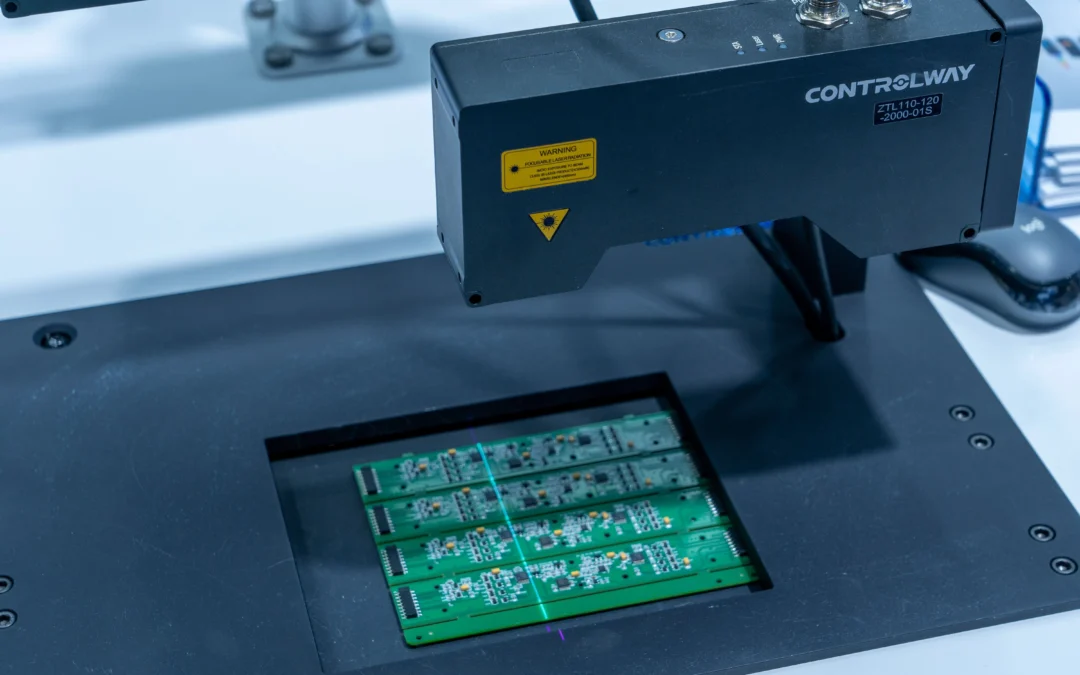
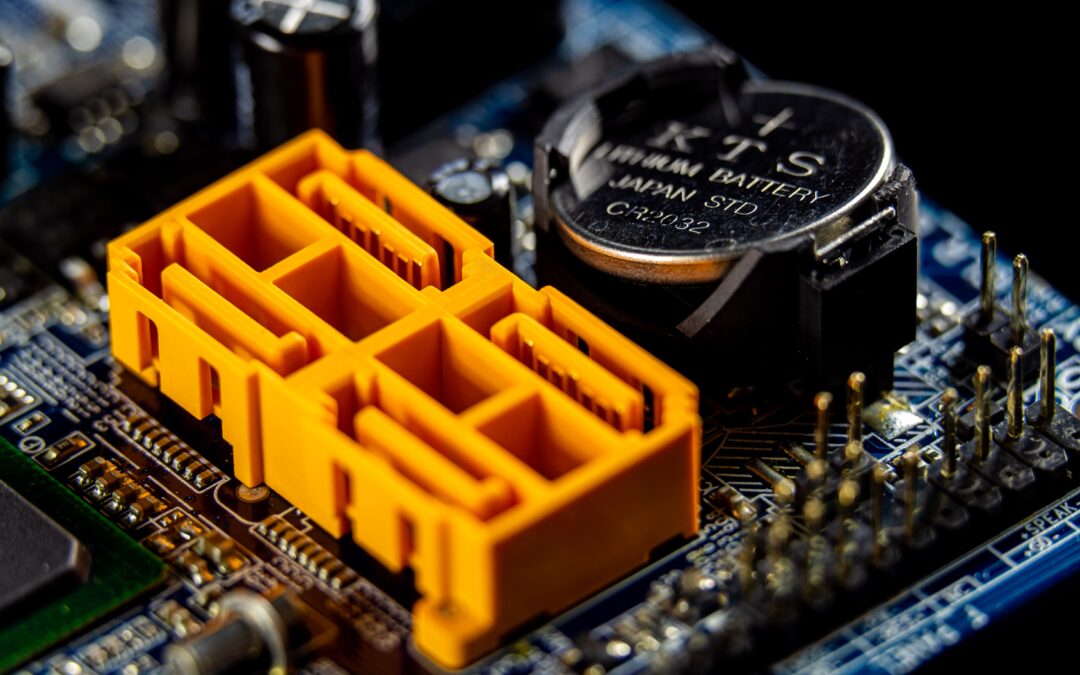
An ESD Protected Area (EPA) is a controlled workspace where basic ESD control procedures maintain all surfaces and personnel at the same electrical potential to prevent electrostatic discharge damage to sensitive electronic components. According to ANSI/ESD S20.20...
Three standardized electrostatic discharge models define how static electricity damages sensitive equipment in industrial facilities: Charged Device Model (CDM), Human Body Model (HBM), and Machine Model (MM). Each represents a different discharge pathway with...
Industrial facilities can control static electricity through ionizing equipment that neutralizes existing charges or environmental humidity control that prevents static generation at the source. Ionizing static eliminators provide localized charge neutralization...
Electrostatic discharge testing validates electronic equipment immunity using standardized pulse waveforms and controlled discharge methods. The IEC 61000-4-2 standard defines the test methodology, equipment specifications, and severity levels that simulate real-world...
ESD shielding protects sensitive electronic components from electrostatic discharge through conductive or dissipative materials that block external static fields and provide controlled discharge paths. These passive protection methods use metallized films, conductive...
ESD materials are specialized plastics and films engineered to control static electricity buildup and discharge in electronics manufacturing environments. These materials are classified by surface resistivity measurements that determine how quickly they dissipate...